

Three Leaf Banyan Tree
About Three Leaf Banyan Tree
Description
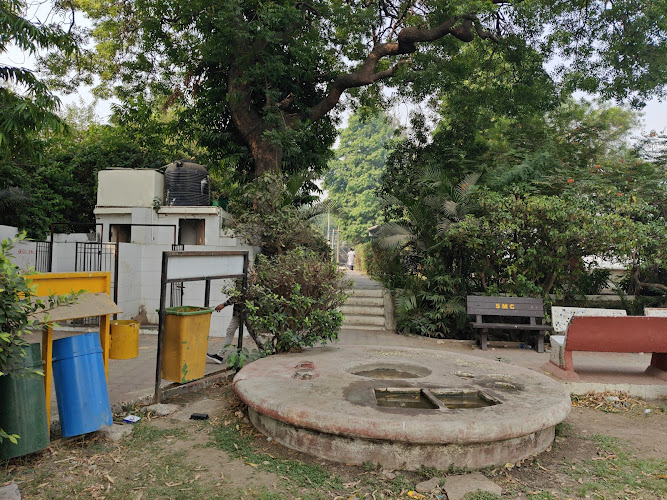
The Three Leaf Banyan Tree is not just any old tree—it’s a living piece of history that’s been quietly standing its ground for centuries. If you’re the kind of traveler who finds magic in nature’s quirks and loves a sprinkle of cultural lore, this spot will hit the sweet spot. Unlike your typical tourist traps, this landmark offers a rare blend of natural beauty and historical significance that’s surprisingly accessible for all kinds of visitors, including families with kids and those needing wheelchair access. I remember the first time I stumbled upon this tree; it felt like stepping into a storybook where every leaf whispered secrets of the past.
What makes this place stand out is its unique three-leaf structure—an unusual characteristic that’s fascinated botanists and travelers alike. It’s not just a tree; it’s a symbol of resilience and continuity, thriving through changing seasons and centuries. The sprawling roots and thick canopy create a peaceful spot perfect for reflection or a quiet picnic. And don’t be fooled by its calm appearance—there’s a lot going on beneath the surface, both literally and metaphorically.
Visitors often comment on the serene atmosphere, where the gentle rustling of leaves competes only with the occasional chirp of birds or the laughter of children exploring nearby. It’s a place that invites you to slow down, breathe deeply, and maybe even get a little lost in thought. While it’s a popular attraction, it hasn’t lost that off-the-beaten-path charm, making it a refreshing break from the usual hustle and bustle.
Key Features
- Distinctive three-leaf canopy that sets it apart from typical banyan trees
- Rich historical and cultural significance tied to local legends and traditions
- Wheelchair accessible entrance and parking, making it welcoming for all visitors
- Family-friendly environment with plenty of space for kids to roam and explore safely
- Shaded picnic areas under the expansive canopy—perfect for a restful break
- Informative plaques and guided tours available to deepen your understanding of the tree’s story
- Close proximity to other local attractions, allowing for a well-rounded day trip
Best Time to Visit
Now, if you want to catch the Three Leaf Banyan Tree at its absolute best, aim for the early morning or late afternoon. That’s when the light filters through the leaves just right, casting these gorgeous dappled shadows that photographers drool over. Plus, it’s cooler and less crowded, which honestly makes the whole experience way more enjoyable. I’ve been there midday once, and let me tell you, the heat can be a bit unforgiving, and the crowds tend to swarm, especially on weekends.
Season-wise, spring and early autumn are golden. The temperatures are mild, and the surrounding flora adds a splash of color that complements the banyan’s deep greens beautifully. Avoid the peak summer months if you’re not a fan of sweating buckets or the rainy season when the paths can get slippery. Trust me, you want to be able to wander around without worrying about mud or dodging puddles.
How to Get There
Getting to the Three Leaf Banyan Tree is pretty straightforward, whether you’re coming by car or public transport. If you’re driving, there’s a well-marked parking lot right near the entrance, and yes, it’s wheelchair accessible, which is a big plus. The roads leading to the site are generally in good shape, but if you’re coming from farther away, it’s a good idea to check traffic updates beforehand—sometimes local events can cause unexpected delays.
For those who prefer public transit, local buses run regularly to a stop within walking distance of the tree. It’s a short, pleasant stroll from the bus stop, and the path is well maintained. If you’re feeling adventurous, biking is also an option, with bike racks available nearby. Personally, I love arriving on two wheels—it gives you a chance to soak in the surrounding scenery and feel more connected to the place.
Tips for Visiting
Alright, here’s the lowdown from someone who’s been there a few times. First off, wear comfy shoes. The terrain around the tree is mostly flat but can get a bit uneven in spots, so sneakers or hiking sandals are your best bet. Don’t forget sunscreen and a hat, especially if you’re visiting during the sunnier months—there’s shade, but you’ll want to be prepared.
Bring a camera or your smartphone because the photo ops are endless. But here’s a little insider tip: try to snap pictures during the golden hour—the hour after sunrise or before sunset—for that warm, magical glow. Oh, and if you want to avoid the crowds, weekdays are your friend. Weekends can get busy, especially with families and school groups.
Also, take a moment to read the informational signs or join one of the guided tours if available. It adds so much depth to the experience when you understand the stories and significance behind the tree. And don’t be shy about chatting with locals or guides—they often have fascinating tales and tidbits that you won’t find in any brochure.
Lastly, pack a small picnic. There’s nothing quite like enjoying a snack under the banyan’s expansive canopy, listening to the sounds of nature around you. Just be sure to clean up after yourself—keeping this spot pristine is crucial for its preservation and for future visitors to enjoy.
Key Features
- Distinctive three-leaf canopy that sets it apart from typical banyan trees
- Rich historical and cultural significance tied to local legends and traditions
- Wheelchair accessible entrance and parking, making it welcoming for all visitors
- Family-friendly environment with plenty of space for kids to roam and explore safely
- Shaded picnic areas under the expansive canopy—perfect for a restful break
- Informative plaques and guided tours available to deepen your understanding of the tree’s story
- Close proximity to other local attractions, allowing for a well-rounded day trip
More Details
Updated July 9, 2025
Table of Contents
Description
The Three Leaf Banyan Tree is not just any old tree—it’s a living piece of history that’s been quietly standing its ground for centuries. If you’re the kind of traveler who finds magic in nature’s quirks and loves a sprinkle of cultural lore, this spot will hit the sweet spot. Unlike your typical tourist traps, this landmark offers a rare blend of natural beauty and historical significance that’s surprisingly accessible for all kinds of visitors, including families with kids and those needing wheelchair access. I remember the first time I stumbled upon this tree; it felt like stepping into a storybook where every leaf whispered secrets of the past.
What makes this place stand out is its unique three-leaf structure—an unusual characteristic that’s fascinated botanists and travelers alike. It’s not just a tree; it’s a symbol of resilience and continuity, thriving through changing seasons and centuries. The sprawling roots and thick canopy create a peaceful spot perfect for reflection or a quiet picnic. And don’t be fooled by its calm appearance—there’s a lot going on beneath the surface, both literally and metaphorically.
Visitors often comment on the serene atmosphere, where the gentle rustling of leaves competes only with the occasional chirp of birds or the laughter of children exploring nearby. It’s a place that invites you to slow down, breathe deeply, and maybe even get a little lost in thought. While it’s a popular attraction, it hasn’t lost that off-the-beaten-path charm, making it a refreshing break from the usual hustle and bustle.
Key Features
- Distinctive three-leaf canopy that sets it apart from typical banyan trees
- Rich historical and cultural significance tied to local legends and traditions
- Wheelchair accessible entrance and parking, making it welcoming for all visitors
- Family-friendly environment with plenty of space for kids to roam and explore safely
- Shaded picnic areas under the expansive canopy—perfect for a restful break
- Informative plaques and guided tours available to deepen your understanding of the tree’s story
- Close proximity to other local attractions, allowing for a well-rounded day trip
Best Time to Visit
Now, if you want to catch the Three Leaf Banyan Tree at its absolute best, aim for the early morning or late afternoon. That’s when the light filters through the leaves just right, casting these gorgeous dappled shadows that photographers drool over. Plus, it’s cooler and less crowded, which honestly makes the whole experience way more enjoyable. I’ve been there midday once, and let me tell you, the heat can be a bit unforgiving, and the crowds tend to swarm, especially on weekends.
Season-wise, spring and early autumn are golden. The temperatures are mild, and the surrounding flora adds a splash of color that complements the banyan’s deep greens beautifully. Avoid the peak summer months if you’re not a fan of sweating buckets or the rainy season when the paths can get slippery. Trust me, you want to be able to wander around without worrying about mud or dodging puddles.
How to Get There
Getting to the Three Leaf Banyan Tree is pretty straightforward, whether you’re coming by car or public transport. If you’re driving, there’s a well-marked parking lot right near the entrance, and yes, it’s wheelchair accessible, which is a big plus. The roads leading to the site are generally in good shape, but if you’re coming from farther away, it’s a good idea to check traffic updates beforehand—sometimes local events can cause unexpected delays.
For those who prefer public transit, local buses run regularly to a stop within walking distance of the tree. It’s a short, pleasant stroll from the bus stop, and the path is well maintained. If you’re feeling adventurous, biking is also an option, with bike racks available nearby. Personally, I love arriving on two wheels—it gives you a chance to soak in the surrounding scenery and feel more connected to the place.
Tips for Visiting
Alright, here’s the lowdown from someone who’s been there a few times. First off, wear comfy shoes. The terrain around the tree is mostly flat but can get a bit uneven in spots, so sneakers or hiking sandals are your best bet. Don’t forget sunscreen and a hat, especially if you’re visiting during the sunnier months—there’s shade, but you’ll want to be prepared.
Bring a camera or your smartphone because the photo ops are endless. But here’s a little insider tip: try to snap pictures during the golden hour—the hour after sunrise or before sunset—for that warm, magical glow. Oh, and if you want to avoid the crowds, weekdays are your friend. Weekends can get busy, especially with families and school groups.
Also, take a moment to read the informational signs or join one of the guided tours if available. It adds so much depth to the experience when you understand the stories and significance behind the tree. And don’t be shy about chatting with locals or guides—they often have fascinating tales and tidbits that you won’t find in any brochure.
Lastly, pack a small picnic. There’s nothing quite like enjoying a snack under the banyan’s expansive canopy, listening to the sounds of nature around you. Just be sure to clean up after yourself—keeping this spot pristine is crucial for its preservation and for future visitors to enjoy.
Key Highlights
- Distinctive three-leaf canopy that sets it apart from typical banyan trees
- Rich historical and cultural significance tied to local legends and traditions
- Wheelchair accessible entrance and parking, making it welcoming for all visitors
- Family-friendly environment with plenty of space for kids to roam and explore safely
- Shaded picnic areas under the expansive canopy—perfect for a restful break
- Informative plaques and guided tours available to deepen your understanding of the tree’s story
- Close proximity to other local attractions, allowing for a well-rounded day trip
Location
Places to Stay Near Three Leaf Banyan Tree
Find and Book a Tour
Explore More Travel Guides
No reviews found! Be the first to review!
Traveler Reviews for Three Leaf Banyan Tree
There are no reviews yet. Be the first one to write one.
Have you visited Three Leaf Banyan Tree? Help other travelers by sharing your review.
You Might Also Like

Sarthana Nature Park

Jawaharlal Nehru Garden
Dutch Garden
Find Accommodations Nearby
Recommended Tours & Activities
Visitor Reviews
There are no reviews yet. Be the first one to write one.
Share Your Experience
Have you visited Three Leaf Banyan Tree? Help other travelers by leaving a review.