
Thracian Tumulus at Mezek
About Thracian Tumulus at Mezek
Description
Here’s the twist: the tumulus doesn’t try to be flashy or over-the-top. It’s honest. Quietly dignified. Maybe a little dusty. You’ll probably leave with more questions than answers—and that’s exactly how history keeps you coming back for more.
Key Features
- Ancient Thracian tomb complex dating from the 4th century BCE—one of Bulgaria’s best-preserved burial mounds.
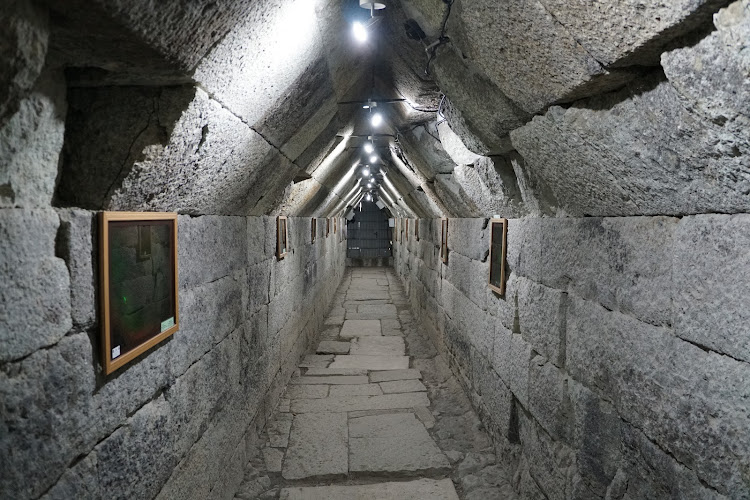
- Remarkable stone architecture including a 32-meter-long tunnel and three inner chambers. It’s the longest Thracian tomb discovered in Bulgaria, if you like records.
- Archaeological significance: priceless artifacts (swords, helmets, gold, pottery) discovered here—though most are displayed in Sofia’s museum. Still, the sense of treasure lingers.
- Good for kids, as the structure’s intrigue fires up the imagination (bring a flashlight if you want to hunt for shadows!).
- Wheelchair accessible parking and a restroom facility onsite, which—let’s be real—makes a huge difference if you’re traveling as a group or with little ones.
- Moderate visitor traffic: rarely overcrowded, offering a peaceful chance for deep dives into history or just a contemplative stroll.
- Onsite staff eager to share stories and background info. Got questions about Thrace? Don’t be shy—you might get a quirky anecdote or two out of it.
- Pleasant rural scenery, with sweeping vineyard views and the Rhodope foothills in sight. Good for post-visit picnics or leg stretches.
Best Time to Visit
How to Get There
Tips for Visiting
- Dress smart. That means layers—it can be cool inside, but sunny and warm outdoors. Sneakers or hiking shoes win every time. Fancy sandals just invite dusty toes.
- Pack a flashlight or headlamp if you want to peek into every nook. There’s some mood lighting, but nothing beats your own beam for venturing deeper or amusing a child afraid of ancient shadows.
- Don’t expect to grab lunch onsite. The lack of a café is a bit of a quirk, so plan a picnic or stop for a meal back in the village. I’ve had some fantastic homemade banitsa at a local bakery nearby (and regret not packing more).
- Ask questions—the guides are passionate and often full of stories that don’t make it into the guidebooks. Don’t just take the info boards at face value.
- Photography is a go, but be respectful. No flash in the inner chambers—history likes a little low light.
- Bring the family. Kids genuinely enjoy the adventure of the tomb, especially if you hype it up as an ancient secret lair. But be mindful—it’s cool but not a playground.
- Combine your trip with other local sights if you want more for your day. The Mezek Fortress is so close, and the regional wines are a “hidden gem” cliché that actually delivers.
- Start conversations. Some of the best travel moments I’ve had in Bulgaria started with a simple hello while waiting at the entrance. You might just meet a fellow history nut or get a hot tip on a nearby vineyard.
- Check ahead for opening times during public holidays or off-season. Hours can shift without much online warning. Chalk it up to small-town charm.
Key Features
- Key Features
- Best Time to Visit
- How to Get There
- Tips for Visiting
More Details
Updated June 12, 2025
Table of Contents
Description
When I first visited, I half-expected Indiana Jones to jump out from behind a pillar. The tumulus, with its 14-meter-high earth mound, impresses even before you step inside. And once you do, you’re in for a treat: stone tunnels, huge chambers, and a strange chill that makes you wonder what spirits might be lurking, waiting for a chat. The main burial chamber—the centerpiece—shows off geometric perfection. There’s no fancy bling on the walls, just solid, ancient engineering that’s lasted millennia. But that’s actually what makes it so spellbinding. Some travelers say it feels a little spartan, but for me, the emptiness crackles with its own kind of magic.
If you’ve got a soft spot for raiding history’s dressing-up box, this is one spot that’ll charm the pants off you. Bring a kid or two, and watch as their eyes pop wide at the underground spaces. I met a family from Sofia during my trip, and the little one was convinced he’d see an actual mummy (don’t worry, he didn’t—at least, not that day). You don’t have to be a historian to appreciate the artistry of the stones or the peculiar hush of a place unchanged for centuries. Honestly, photos don’t quite do it justice. Even on a chilly day, the space feels alive, insisting that visitors take a moment to breathe in the legacy of Thrace.
Here’s the twist: the tumulus doesn’t try to be flashy or over-the-top. It’s honest. Quietly dignified. Maybe a little dusty. You’ll probably leave with more questions than answers—and that’s exactly how history keeps you coming back for more.
Key Features
- Ancient Thracian tomb complex dating from the 4th century BCE—one of Bulgaria’s best-preserved burial mounds.
- Remarkable stone architecture including a 32-meter-long tunnel and three inner chambers. It’s the longest Thracian tomb discovered in Bulgaria, if you like records.
- Archaeological significance: priceless artifacts (swords, helmets, gold, pottery) discovered here—though most are displayed in Sofia’s museum. Still, the sense of treasure lingers.
- Good for kids, as the structure’s intrigue fires up the imagination (bring a flashlight if you want to hunt for shadows!).
- Wheelchair accessible parking and a restroom facility onsite, which—let’s be real—makes a huge difference if you’re traveling as a group or with little ones.
- Moderate visitor traffic: rarely overcrowded, offering a peaceful chance for deep dives into history or just a contemplative stroll.
- Onsite staff eager to share stories and background info. Got questions about Thrace? Don’t be shy—you might get a quirky anecdote or two out of it.
- Pleasant rural scenery, with sweeping vineyard views and the Rhodope foothills in sight. Good for post-visit picnics or leg stretches.
Best Time to Visit
Weekdays tend to be quieter. It’s not the sort of site that pulls in teeming throngs, but if you really want that mystical “alone with the ages” vibe, try to plan outside of public holidays and local festivals. Winter offers a moody, almost mystical atmosphere—just be ready for the occasional mud puddle and heavier chill in the air. If you’ve got kids, remember—there’s no onsite restaurant, so bring snacks and drinks any time of year, or risk a hangry toddler mid-tour.
If you’re a history buff, you might time your visit to local archaeological events (ask at the local history museum). You never know what pop-up exhibitions or lectures might be scheduled. One time in September, I lucked out and got to chat with a volunteer historian. She told me about a recent find nearby—a tiny bronze horse—which honestly made my day.
How to Get There
Coming from Plovdiv? Expect a two-hour drive, mostly straightforward with just enough curves to keep you on your toes. Parking’s available right near the tumulus, which is honestly a blessing—especially if you’re prone to hauling bags of snacks, camera gear, and sunhats like I am.
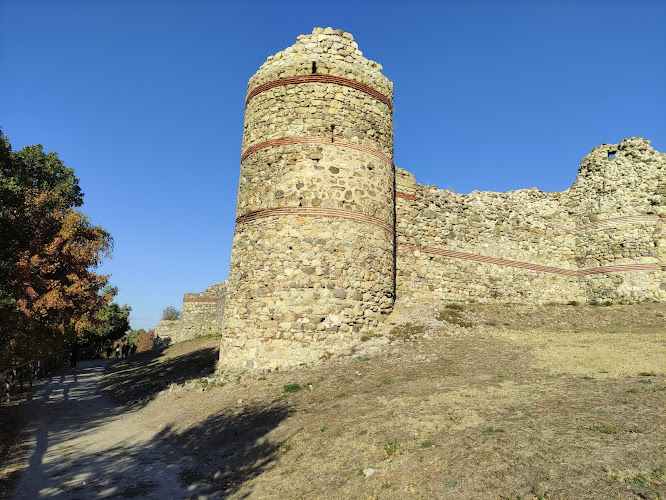
If you’re staying in Haskovo or Svilengrad, you can make Mezek a comfy half-day trip. Got some extra time? Pair it with a stop at the Mezek Fortress—just a few minutes away on foot. That’s a castle and a tomb in one afternoon. Not a bad haul.
Travellers with accessibility needs will find a designated parking lot. The main paths are straightforward, though the tomb’s interior has some tight spots (so wider wheelchairs might need a little patience and planning).
Tips for Visiting
- Dress smart. That means layers—it can be cool inside, but sunny and warm outdoors. Sneakers or hiking shoes win every time. Fancy sandals just invite dusty toes.
- Pack a flashlight or headlamp if you want to peek into every nook. There’s some mood lighting, but nothing beats your own beam for venturing deeper or amusing a child afraid of ancient shadows.
- Don’t expect to grab lunch onsite. The lack of a café is a bit of a quirk, so plan a picnic or stop for a meal back in the village. I’ve had some fantastic homemade banitsa at a local bakery nearby (and regret not packing more).
- Ask questions—the guides are passionate and often full of stories that don’t make it into the guidebooks. Don’t just take the info boards at face value.
- Photography is a go, but be respectful. No flash in the inner chambers—history likes a little low light.
- Bring the family. Kids genuinely enjoy the adventure of the tomb, especially if you hype it up as an ancient secret lair. But be mindful—it’s cool but not a playground.
- Combine your trip with other local sights if you want more for your day. The Mezek Fortress is so close, and the regional wines are a “hidden gem” cliché that actually delivers.
- Start conversations. Some of the best travel moments I’ve had in Bulgaria started with a simple hello while waiting at the entrance. You might just meet a fellow history nut or get a hot tip on a nearby vineyard.
- Check ahead for opening times during public holidays or off-season. Hours can shift without much online warning. Chalk it up to small-town charm.
Final aside: Don’t rush. I once hurried through and missed a crack in the wall where sunlight pooled—caught it on my second go-round, and it’s the photo I still look at when I’m craving some ancient mystery. Let the pace of history set your rhythm. If you’re open to small surprises, the Thracian Tumulus at Mezek tends to deliver.
Key Highlights
- Key Features
- Best Time to Visit
- How to Get There
- Tips for Visiting
Location
Places to Stay Near Thracian Tumulus at Mezek
Find and Book a Tour
Explore More Travel Guides
No reviews found! Be the first to review!
Traveler Reviews for Thracian Tumulus at Mezek
There are no reviews yet. Be the first one to write one.
Have you visited Thracian Tumulus at Mezek? Help other travelers by sharing your review.
You Might Also Like
Find Accommodations Nearby
Recommended Tours & Activities
Visitor Reviews
There are no reviews yet. Be the first one to write one.
Share Your Experience
Have you visited Thracian Tumulus at Mezek? Help other travelers by leaving a review.