
The Weaver’s House
About The Weaver’s House
Description
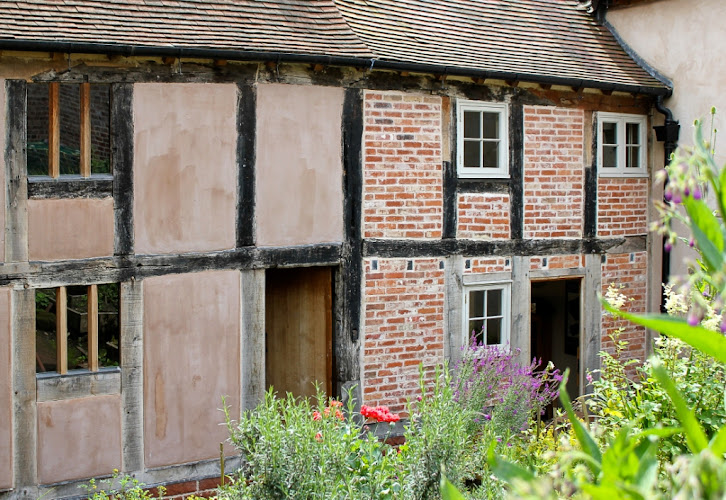
The Weaver’s House isn’t a glass-case museum where you shuffle past labels and forget what you’ve just read. It’s a living museum, and it behaves like one. The place sits inside a restored weaver’s home with a small garden out back, part of a rare surviving row of 15th‑century workers’ cottages. And yes, you feel the age of it in your bones a little, in a good way. The walls lean, the ceilings are low, and the light comes in at angles that make you slow down whether you plan to or not.
What makes The Weaver’s House stand out for travelers is how hands-on and human it feels. This is not history at arm’s length. It’s history breathing right next to you. You’ll see looms, tools, and domestic spaces laid out not as props but as working parts of daily life from centuries ago. The rooms tell the story of labor, skill, and survival, especially the lives of ordinary workers who rarely get center stage in big museums.
And here’s where my bias kicks in: places like this matter more than grand palaces. I once visited after a long, noisy morning in a city nearby, and the shift was immediate. The quiet. The wood. The faint smell of old fabric and earth from the garden. I remember standing in the weaving room thinking, wow, this was someone’s entire world. No escape, no scrolling, just thread, daylight, and muscle memory.
The museum functions as a charity and non-profit organization, which means a lot of what you experience is driven by passion rather than polish. Staff and volunteers tend to know their stuff deeply, and they’re usually happy to chat if you ask questions. Don’t be shy. Ask how long it took to weave a piece of cloth. Ask what happened to the children. The answers stick with you longer than dates ever do.
Families will appreciate that the space is genuinely good for kids, not in a gimmicky way, but because the story is tactile and visual. There’s something grounding about watching a child realize that clothes once took weeks to make by hand. And adults, frankly, need that reminder too.
Key Features
- Authentic 15th-century workers’ cottage restored with period-accurate details
- Functioning loom demonstrations that show traditional weaving techniques
- Living museum layout that recreates daily domestic life, not just workspaces
- Small historical garden illustrating how households grew food and materials
- Interactive explanations from knowledgeable staff and volunteers
- Wheelchair accessible restroom and basic onsite services for visitor comfort
- Child-friendly atmosphere that encourages curiosity and questions
- Run as a charity and non-profit, supporting heritage preservation
Best Time to Visit
The Weaver’s House can technically be visited year-round, but timing matters if you want the full experience. Late spring through early autumn is ideal. The garden is alive then, not just decorative but meaningful, showing how space was used for sustenance. On a warm day, stepping from the dark interior into the sunlight outside feels almost cinematic.
Weekday mornings are usually quieter, which lets you linger and ask questions without feeling rushed. I’m a big fan of going early, when the place still feels like it’s waking up. There’s something intimate about being one of the first visitors through the door. But weekends often bring demonstrations or extra activity, which can be worth the crowd.
If you’re traveling with kids, aim for mid-morning rather than late afternoon. Attention spans are better, and the staff seem to have more energy for explaining how weaving actually works. Winter visits have their own charm, too. The cold makes the low ceilings and thick walls make sense in a very physical way. You’ll understand why these houses were built the way they were.
One small note: because it’s a historic structure, hours can vary seasonally. It’s smart to plan a flexible window rather than squeezing it into a tight schedule. This is not a place to rush. Honestly, rushing would feel almost rude.
How to Get There
The Weaver’s House is typically easy to reach from nearby town centers and fits well into a walking-based itinerary. Travelers often combine it with other historical sites or a casual wander through older streets. If you’re using public transport, local services usually get you close enough that the final stretch is on foot, which is ideal. Walking in gives you context. You see the scale of the buildings and how working people actually lived.
For those driving, parking is usually available in the surrounding area, though it may require a short walk. That’s part of the deal with historic neighborhoods. But honestly, that short walk helps reset your mindset from modern travel mode to something slower and more observant.
Accessibility has been thoughtfully considered where possible. While the structure itself reflects medieval design, there is a wheelchair accessible restroom available, which makes a real difference for many travelers. If you have specific mobility needs, it’s worth allowing extra time to move through the space comfortably.
Tips for Visiting
First tip, and I say this from experience: don’t treat this like a checklist stop. Give yourself at least an hour, more if you like to read, listen, and think. The Weaver’s House rewards patience. The more time you spend, the more layers reveal themselves.
Second, talk to the people working there. I once learned more in a five-minute conversation about wool quality and social class than I did from an entire textbook chapter years ago. These folks are here because they care, not because it’s just a job. And that energy is contagious.
Third, bring kids into the conversation. Ask them what they notice. You’ll be surprised by their observations. One child I overheard asked why the house was so small, and the answer opened up a whole discussion about family size, labor, and survival. Moments like that are gold.
Fourth, manage expectations around amenities. There is a restroom on site, but no restaurant. Eat beforehand or plan to grab food afterward. Personally, I like doing the visit slightly hungry. It weirdly helps me connect with the reality of historical daily life. Maybe that’s just me.
Photography is usually allowed, but be respectful. This isn’t a backdrop; it’s a preserved home. Take photos, sure, but also put the phone down and let your eyes adjust to the space. The textures, the wear on the floorboards, the way light falls across the loom. Those details don’t always translate through a lens.
Finally, remember that your visit supports a non-profit organization. That matters. Places like The Weaver’s House survive because people show up, ask questions, and care. And when you leave, you carry a little piece of that story with you. I still think about it, years later, whenever I pull on a sweater without a second thought.
The Weaver’s House offers travelers something rare: a grounded, honest look at working-class history without gloss or spectacle. It’s educational, yes, but also quietly emotional. You leave with a better understanding of how much effort once went into the basics of life. And that stays with you long after the visit ends.
Key Features
- Authentic 15th-century workers’ cottage restored with period-accurate details
- Functioning loom demonstrations that show traditional weaving techniques
- Living museum layout that recreates daily domestic life, not just workspaces
- Small historical garden illustrating how households grew food and materials
- Interactive explanations from knowledgeable staff and volunteers
- Wheelchair accessible restroom and basic onsite services for visitor comfort
- Child-friendly atmosphere that encourages curiosity and questions
- Run as a charity and non-profit, supporting heritage preservation
More Details
Updated December 31, 2025
Table of Contents
Description
The Weaver’s House isn’t a glass-case museum where you shuffle past labels and forget what you’ve just read. It’s a living museum, and it behaves like one. The place sits inside a restored weaver’s home with a small garden out back, part of a rare surviving row of 15th‑century workers’ cottages. And yes, you feel the age of it in your bones a little, in a good way. The walls lean, the ceilings are low, and the light comes in at angles that make you slow down whether you plan to or not.
What makes The Weaver’s House stand out for travelers is how hands-on and human it feels. This is not history at arm’s length. It’s history breathing right next to you. You’ll see looms, tools, and domestic spaces laid out not as props but as working parts of daily life from centuries ago. The rooms tell the story of labor, skill, and survival, especially the lives of ordinary workers who rarely get center stage in big museums.
And here’s where my bias kicks in: places like this matter more than grand palaces. I once visited after a long, noisy morning in a city nearby, and the shift was immediate. The quiet. The wood. The faint smell of old fabric and earth from the garden. I remember standing in the weaving room thinking, wow, this was someone’s entire world. No escape, no scrolling, just thread, daylight, and muscle memory.
The museum functions as a charity and non-profit organization, which means a lot of what you experience is driven by passion rather than polish. Staff and volunteers tend to know their stuff deeply, and they’re usually happy to chat if you ask questions. Don’t be shy. Ask how long it took to weave a piece of cloth. Ask what happened to the children. The answers stick with you longer than dates ever do.
Families will appreciate that the space is genuinely good for kids, not in a gimmicky way, but because the story is tactile and visual. There’s something grounding about watching a child realize that clothes once took weeks to make by hand. And adults, frankly, need that reminder too.
Key Features
- Authentic 15th-century workers’ cottage restored with period-accurate details
- Functioning loom demonstrations that show traditional weaving techniques
- Living museum layout that recreates daily domestic life, not just workspaces
- Small historical garden illustrating how households grew food and materials
- Interactive explanations from knowledgeable staff and volunteers
- Wheelchair accessible restroom and basic onsite services for visitor comfort
- Child-friendly atmosphere that encourages curiosity and questions
- Run as a charity and non-profit, supporting heritage preservation
Best Time to Visit
The Weaver’s House can technically be visited year-round, but timing matters if you want the full experience. Late spring through early autumn is ideal. The garden is alive then, not just decorative but meaningful, showing how space was used for sustenance. On a warm day, stepping from the dark interior into the sunlight outside feels almost cinematic.
Weekday mornings are usually quieter, which lets you linger and ask questions without feeling rushed. I’m a big fan of going early, when the place still feels like it’s waking up. There’s something intimate about being one of the first visitors through the door. But weekends often bring demonstrations or extra activity, which can be worth the crowd.
If you’re traveling with kids, aim for mid-morning rather than late afternoon. Attention spans are better, and the staff seem to have more energy for explaining how weaving actually works. Winter visits have their own charm, too. The cold makes the low ceilings and thick walls make sense in a very physical way. You’ll understand why these houses were built the way they were.
One small note: because it’s a historic structure, hours can vary seasonally. It’s smart to plan a flexible window rather than squeezing it into a tight schedule. This is not a place to rush. Honestly, rushing would feel almost rude.
How to Get There
The Weaver’s House is typically easy to reach from nearby town centers and fits well into a walking-based itinerary. Travelers often combine it with other historical sites or a casual wander through older streets. If you’re using public transport, local services usually get you close enough that the final stretch is on foot, which is ideal. Walking in gives you context. You see the scale of the buildings and how working people actually lived.
For those driving, parking is usually available in the surrounding area, though it may require a short walk. That’s part of the deal with historic neighborhoods. But honestly, that short walk helps reset your mindset from modern travel mode to something slower and more observant.
Accessibility has been thoughtfully considered where possible. While the structure itself reflects medieval design, there is a wheelchair accessible restroom available, which makes a real difference for many travelers. If you have specific mobility needs, it’s worth allowing extra time to move through the space comfortably.
Tips for Visiting
First tip, and I say this from experience: don’t treat this like a checklist stop. Give yourself at least an hour, more if you like to read, listen, and think. The Weaver’s House rewards patience. The more time you spend, the more layers reveal themselves.
Second, talk to the people working there. I once learned more in a five-minute conversation about wool quality and social class than I did from an entire textbook chapter years ago. These folks are here because they care, not because it’s just a job. And that energy is contagious.
Third, bring kids into the conversation. Ask them what they notice. You’ll be surprised by their observations. One child I overheard asked why the house was so small, and the answer opened up a whole discussion about family size, labor, and survival. Moments like that are gold.
Fourth, manage expectations around amenities. There is a restroom on site, but no restaurant. Eat beforehand or plan to grab food afterward. Personally, I like doing the visit slightly hungry. It weirdly helps me connect with the reality of historical daily life. Maybe that’s just me.
Photography is usually allowed, but be respectful. This isn’t a backdrop; it’s a preserved home. Take photos, sure, but also put the phone down and let your eyes adjust to the space. The textures, the wear on the floorboards, the way light falls across the loom. Those details don’t always translate through a lens.
Finally, remember that your visit supports a non-profit organization. That matters. Places like The Weaver’s House survive because people show up, ask questions, and care. And when you leave, you carry a little piece of that story with you. I still think about it, years later, whenever I pull on a sweater without a second thought.
The Weaver’s House offers travelers something rare: a grounded, honest look at working-class history without gloss or spectacle. It’s educational, yes, but also quietly emotional. You leave with a better understanding of how much effort once went into the basics of life. And that stays with you long after the visit ends.
Key Highlights
- Authentic 15th-century workers’ cottage restored with period-accurate details
- Functioning loom demonstrations that show traditional weaving techniques
- Living museum layout that recreates daily domestic life, not just workspaces
- Small historical garden illustrating how households grew food and materials
- Interactive explanations from knowledgeable staff and volunteers
- Wheelchair accessible restroom and basic onsite services for visitor comfort
- Child-friendly atmosphere that encourages curiosity and questions
- Run as a charity and non-profit, supporting heritage preservation
Location
Places to Stay Near The Weaver's House
Find and Book a Tour
Explore More Travel Guides
No reviews found! Be the first to review!
Traveler Reviews for The Weaver’s House
There are no reviews yet. Be the first one to write one.
Have you visited The Weaver’s House? Help other travelers by sharing your review.
You Might Also Like
Coventry Canal Basin
Coventry Watch Museum Project
Lychgate Cottages
Find Accommodations Nearby
Recommended Tours & Activities
Visitor Reviews
There are no reviews yet. Be the first one to write one.
Share Your Experience
Have you visited The Weaver’s House? Help other travelers by leaving a review.