
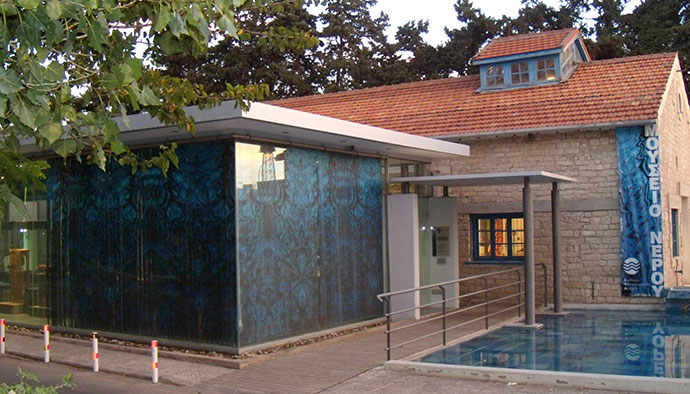
The Water Museum
About The Water Museum
Description
The Water Museum in Limassol is a small but absorbing museum housed in a former water pumping station. It tells the story of how water was collected, pumped, measured and consumed in the city, using original equipment, archival photographs and hands-on exhibits. The main hall still displays large cast-iron pumps and pipes that once thumped and hissed when the plant was in operation; seeing them silent and polished, with placards explaining their function, gives a satisfying sense of industrial archaeology and civic history at once.
This museum frames water as both a technical achievement and a social necessity. Panels and displays explain the basics of pumping systems and water supply networks, but there is also practical material about meters, household use and conservation. For a place that could have been a dry technical manual, the curators managed to make it approachable. There is a short film and several multimedia touchpoints that break up the machinery with stories: municipal workers, the challenges of drought years, and the gradual modernization of the citys water infrastructure.
The building itself is part of the attraction. The conversion from pumping station to museum preserves many original architectural details: the vaulted engine rooms, the heavy doors, the brickwork. That mix of old industrial feel and tidy museum displays gives visitors the odd pleasure of standing where technicians once worked and listening to an audio clip about how an old water pump was overhauled. This is not a sprawling museum; it is compact, focused and makes every exhibit count.
Accessibility has been thoughtfully handled. There is a wheelchair-accessible entrance and restroom, so visitors with mobility needs will find the place more welcoming than many small museums. Restroom facilities are available for general visitors, too. There is no on-site restaurant, so planning a coffee stop nearby is a good idea. Families should note that the space is child-friendly: exhibits aimed at young people, simple demonstrations of how water is measured, and interactive elements make it a useful stop for curious kids and school groups.
The atmosphere is quietly educational rather than flashy. That suits many visitors; some find the tactile engineering displays fascinating, especially anyone curious about how the everyday miracle of running water actually happens. Others might wish for more interactive zones or a larger collection, and that critique is fair — the museum's footprint and budget limit the scale. But what it lacks in breadth it makes up for in clarity and focus: a visitor leaves understanding better where the water came from in the past and how systems evolved into the modern supply that most people take for granted.
On an anecdotal note, the writer remembers ducking into the museum on a wet morning after wandering the nearby streets. While waiting for the rain to ease, the quiet hum of the building and the smell of old wood and oil made time slow down — a small, oddly comforting pause in a busy day of sightseeing. That sort of unplanned little pause is exactly the kind of travel moment the Water Museum encourages: an opportunity to slow down, look closer at the machines behind ordinary services, and come away with a new appreciation for something most travelers rarely give a second thought.
For travelers seeking to understand Limassol beyond its beaches and restaurants, this museum offers a different slice of local history. It connects municipal development, technology and everyday life. Students of engineering, design or urban history will find useful material, while families and casual visitors will get a neat, educational experience in under an hour or so. It’s not a blockbuster museum, but for the curious traveler it often becomes one of those pleasantly memorable detours.
Key Features
- Former water pumping station converted into a museum highlighting the mechanics and history of water supply
- Original machinery on display, including large pumps, pipes and old water meters
- Clear, educational panels explaining pumping systems, water measurement and distribution
- Multimedia exhibits and a short film that bring municipal water stories to life
- Hands-on elements and kid-friendly displays that encourage learning about water conservation
- Preserved industrial architecture offering a sense of authentic place and engineering heritage
- Wheelchair-accessible entrance and restroom, making the site usable for visitors with mobility needs
- Restroom facilities available on site; no restaurant on site, so plan food stops accordingly
- A compact layout that makes the museum a good 30–90 minute stop, depending on interest level
- Focus on water awareness and civic infrastructure, helpful for students and curious travelers
Best Time to Visit
The Water Museum rewards visitors who go when the city is quieter. Weekday mornings tend to be the least crowded, especially outside school holiday seasons. If someone wants to avoid groups of schoolchildren (which can be delightful but lively), mid-morning on a weekday is safest. Summers in Limassol can be hot and busy; visiting in the shoulder seasons — spring and autumn — offers more comfortable temperatures and a calmer museum experience.
Because the museum is compact, it pairs well with a broader walking itinerary. Many visitors slot it into a morning of museum-hopping or combine it with a stroll along nearby streets. Rainy days can actually improve the visit; the museum provides a dry, intriguing shelter from a downpour, and indoor museums are naturally less crowded when the weather is poor. If one seeks a contemplative visit and time for photos of industrial details, early opening hours are best.
School vacation times bring local families and group tours, which can increase noise but also add a lively, energetic feel. Those who enjoy watching how kids interact with science exhibits might find those times charming. Conversely, those after a more reflective visit should aim for off-peak hours and avoid late afternoons on weekends when the local crowd tends to swell.
How to Get There
The museum sits within Limassol and is readily reachable by the usual urban transport options. Taxis are plentiful in Limassol and offer the simplest point-to-point option, dropping visitors close to the museum entrance. For a more economical journey, local buses service many parts of the city; visitors should check the current routes and stops because urban transit maps can change between seasons.
Walking is very feasible for travelers who are already exploring Limassol’s center. The museum makes a pleasant detour from a pedestrian route and fits neatly into a half-day of local exploration. Those driving should be aware that parking near small city museums can be limited; short-term street parking and municipal lots exist but may fill up at peak times. So, allow a little extra time to find a spot, especially on weekends.
For visitors using ride-hailing apps or rented cars, it’s wise to designate a clear meeting point for pickups because some older parts of the city have narrow streets. The building’s preserved industrial look is distinctive, so it’s usually easy to spot from the street once nearby. If unsure, asking a local shopkeeper or nearby café staff for immediate directions tends to work well — locals are often happy to point out this piece of civic history.
Tips for Visiting
Plan for 45–90 minutes. The museum is compact but detailed. A leisurely read of the panels, viewing the film and lingering at the main pump hall will fit comfortably into this window. For someone with a keen interest in industrial heritage or water systems, an hour to an hour and a half allows for deeper engagement.
Bring a refillable water bottle. It’s ironic to say, perhaps, but useful: the museum itself does not have a café or restaurant. Filling up before arrival or after departure keeps the day easier, especially on hot Limassol afternoons. Also, although the exhibits discuss water use in town, drinking fountains are not guaranteed inside, so better to be prepared.
Photography is usually welcome but be mindful of signage. Some kiosks or display cases may ask visitors to avoid flash photography to protect artifacts; respecting these rules helps the museum maintain its collection. If in doubt, quietly ask a staff member — they are typically friendly and clear about what is permitted.
Combine the visit with nearby attractions. The Water Museum sits within reach of other cultural sites, so it makes sense to plan a route that includes a castle, a small museum or a stroll through historic streets. That way the museum is part of a richer half-day or full-day itinerary rather than a standalone stop that takes up a single short slot.
If visiting with children, look for the interactive parts of the exhibition. The museum was designed with young learners in mind, and many exhibits are deliberately tactile or visually simple to demonstrate basic principles. Expect some hands-on moments and a chance for kids to ask practical questions that lead to fun, teachable discussions about conservation and civic services.
Accessibility matters here. Visitors with mobility needs will appreciate the ramped entrance and accessible restroom, but spaces remain compact; a bit of advance notice to museum staff can smooth arrival and help with any specific needs. The museum’s staff or volunteers often enjoy talking about the machinery and history, so a quick chat can add depth to a self-guided visit.
Finally, bring curiosity. The Water Museum isn’t trying to dazzle with blockbuster exhibits; its charm is quieter: the real iron pumps, the plain facts about meters and distribution and the way municipal systems shaped daily life. For travelers who like the stories behind infrastructure and enjoy discovering local civic history, it’s a rewarding stop. And for those who, like the writer on a rainy morning, appreciate a compact, calm museum to pause in, it can feel like a tiny, private museum escape in the middle of a busy city day.
Key Features
- Restored 1925 Limassol Water Pumping Station (protected historic building)
- Original pumping machinery and engineering exhibits
- Archival photographs and historical documentation
- Interactive, hands-on displays explaining water extraction and distribution
- Compact layout suited to short, focused visits
More Details
Updated August 29, 2025
Table of Contents
Description
The Water Museum in Limassol is a small but absorbing museum housed in a former water pumping station. It tells the story of how water was collected, pumped, measured and consumed in the city, using original equipment, archival photographs and hands-on exhibits. The main hall still displays large cast-iron pumps and pipes that once thumped and hissed when the plant was in operation; seeing them silent and polished, with placards explaining their function, gives a satisfying sense of industrial archaeology and civic history at once.
This museum frames water as both a technical achievement and a social necessity. Panels and displays explain the basics of pumping systems and water supply networks, but there is also practical material about meters, household use and conservation. For a place that could have been a dry technical manual, the curators managed to make it approachable. There is a short film and several multimedia touchpoints that break up the machinery with stories: municipal workers, the challenges of drought years, and the gradual modernization of the citys water infrastructure.
The building itself is part of the attraction. The conversion from pumping station to museum preserves many original architectural details: the vaulted engine rooms, the heavy doors, the brickwork. That mix of old industrial feel and tidy museum displays gives visitors the odd pleasure of standing where technicians once worked and listening to an audio clip about how an old water pump was overhauled. This is not a sprawling museum; it is compact, focused and makes every exhibit count.
Accessibility has been thoughtfully handled. There is a wheelchair-accessible entrance and restroom, so visitors with mobility needs will find the place more welcoming than many small museums. Restroom facilities are available for general visitors, too. There is no on-site restaurant, so planning a coffee stop nearby is a good idea. Families should note that the space is child-friendly: exhibits aimed at young people, simple demonstrations of how water is measured, and interactive elements make it a useful stop for curious kids and school groups.
The atmosphere is quietly educational rather than flashy. That suits many visitors; some find the tactile engineering displays fascinating, especially anyone curious about how the everyday miracle of running water actually happens. Others might wish for more interactive zones or a larger collection, and that critique is fair — the museum’s footprint and budget limit the scale. But what it lacks in breadth it makes up for in clarity and focus: a visitor leaves understanding better where the water came from in the past and how systems evolved into the modern supply that most people take for granted.
On an anecdotal note, the writer remembers ducking into the museum on a wet morning after wandering the nearby streets. While waiting for the rain to ease, the quiet hum of the building and the smell of old wood and oil made time slow down — a small, oddly comforting pause in a busy day of sightseeing. That sort of unplanned little pause is exactly the kind of travel moment the Water Museum encourages: an opportunity to slow down, look closer at the machines behind ordinary services, and come away with a new appreciation for something most travelers rarely give a second thought.
For travelers seeking to understand Limassol beyond its beaches and restaurants, this museum offers a different slice of local history. It connects municipal development, technology and everyday life. Students of engineering, design or urban history will find useful material, while families and casual visitors will get a neat, educational experience in under an hour or so. It’s not a blockbuster museum, but for the curious traveler it often becomes one of those pleasantly memorable detours.
Key Features
- Former water pumping station converted into a museum highlighting the mechanics and history of water supply
- Original machinery on display, including large pumps, pipes and old water meters
- Clear, educational panels explaining pumping systems, water measurement and distribution
- Multimedia exhibits and a short film that bring municipal water stories to life
- Hands-on elements and kid-friendly displays that encourage learning about water conservation
- Preserved industrial architecture offering a sense of authentic place and engineering heritage
- Wheelchair-accessible entrance and restroom, making the site usable for visitors with mobility needs
- Restroom facilities available on site; no restaurant on site, so plan food stops accordingly
- A compact layout that makes the museum a good 30–90 minute stop, depending on interest level
- Focus on water awareness and civic infrastructure, helpful for students and curious travelers
Best Time to Visit
The Water Museum rewards visitors who go when the city is quieter. Weekday mornings tend to be the least crowded, especially outside school holiday seasons. If someone wants to avoid groups of schoolchildren (which can be delightful but lively), mid-morning on a weekday is safest. Summers in Limassol can be hot and busy; visiting in the shoulder seasons — spring and autumn — offers more comfortable temperatures and a calmer museum experience.
Because the museum is compact, it pairs well with a broader walking itinerary. Many visitors slot it into a morning of museum-hopping or combine it with a stroll along nearby streets. Rainy days can actually improve the visit; the museum provides a dry, intriguing shelter from a downpour, and indoor museums are naturally less crowded when the weather is poor. If one seeks a contemplative visit and time for photos of industrial details, early opening hours are best.
School vacation times bring local families and group tours, which can increase noise but also add a lively, energetic feel. Those who enjoy watching how kids interact with science exhibits might find those times charming. Conversely, those after a more reflective visit should aim for off-peak hours and avoid late afternoons on weekends when the local crowd tends to swell.
How to Get There
The museum sits within Limassol and is readily reachable by the usual urban transport options. Taxis are plentiful in Limassol and offer the simplest point-to-point option, dropping visitors close to the museum entrance. For a more economical journey, local buses service many parts of the city; visitors should check the current routes and stops because urban transit maps can change between seasons.
Walking is very feasible for travelers who are already exploring Limassol’s center. The museum makes a pleasant detour from a pedestrian route and fits neatly into a half-day of local exploration. Those driving should be aware that parking near small city museums can be limited; short-term street parking and municipal lots exist but may fill up at peak times. So, allow a little extra time to find a spot, especially on weekends.
For visitors using ride-hailing apps or rented cars, it’s wise to designate a clear meeting point for pickups because some older parts of the city have narrow streets. The building’s preserved industrial look is distinctive, so it’s usually easy to spot from the street once nearby. If unsure, asking a local shopkeeper or nearby café staff for immediate directions tends to work well — locals are often happy to point out this piece of civic history.
Tips for Visiting
Plan for 45–90 minutes. The museum is compact but detailed. A leisurely read of the panels, viewing the film and lingering at the main pump hall will fit comfortably into this window. For someone with a keen interest in industrial heritage or water systems, an hour to an hour and a half allows for deeper engagement.
Bring a refillable water bottle. It’s ironic to say, perhaps, but useful: the museum itself does not have a café or restaurant. Filling up before arrival or after departure keeps the day easier, especially on hot Limassol afternoons. Also, although the exhibits discuss water use in town, drinking fountains are not guaranteed inside, so better to be prepared.
Photography is usually welcome but be mindful of signage. Some kiosks or display cases may ask visitors to avoid flash photography to protect artifacts; respecting these rules helps the museum maintain its collection. If in doubt, quietly ask a staff member — they are typically friendly and clear about what is permitted.
Combine the visit with nearby attractions. The Water Museum sits within reach of other cultural sites, so it makes sense to plan a route that includes a castle, a small museum or a stroll through historic streets. That way the museum is part of a richer half-day or full-day itinerary rather than a standalone stop that takes up a single short slot.
If visiting with children, look for the interactive parts of the exhibition. The museum was designed with young learners in mind, and many exhibits are deliberately tactile or visually simple to demonstrate basic principles. Expect some hands-on moments and a chance for kids to ask practical questions that lead to fun, teachable discussions about conservation and civic services.
Accessibility matters here. Visitors with mobility needs will appreciate the ramped entrance and accessible restroom, but spaces remain compact; a bit of advance notice to museum staff can smooth arrival and help with any specific needs. The museum’s staff or volunteers often enjoy talking about the machinery and history, so a quick chat can add depth to a self-guided visit.
Finally, bring curiosity. The Water Museum isn’t trying to dazzle with blockbuster exhibits; its charm is quieter: the real iron pumps, the plain facts about meters and distribution and the way municipal systems shaped daily life. For travelers who like the stories behind infrastructure and enjoy discovering local civic history, it’s a rewarding stop. And for those who, like the writer on a rainy morning, appreciate a compact, calm museum to pause in, it can feel like a tiny, private museum escape in the middle of a busy city day.
Key Highlights
- Restored 1925 Limassol Water Pumping Station (protected historic building)
- Original pumping machinery and engineering exhibits
- Archival photographs and historical documentation
- Interactive, hands-on displays explaining water extraction and distribution
- Compact layout suited to short, focused visits
Location
Places to Stay Near The Water Museum
Find and Book a Tour
Explore More Travel Guides
No reviews found! Be the first to review!
Traveler Reviews for The Water Museum
There are no reviews yet. Be the first one to write one.
Have you visited The Water Museum? Help other travelers by sharing your review.
Nearby Attractions
You Might Also Like
Ayia Napa Cathedral
ESCAPE Limassol Old Town
Limassol
Find Accommodations Nearby
Recommended Tours & Activities
Visitor Reviews
There are no reviews yet. Be the first one to write one.
Share Your Experience
Have you visited The Water Museum? Help other travelers by leaving a review.