
The University of Arizona Alfie Norville Gem & Mineral Museum
About The University of Arizona Alfie Norville Gem & Mineral Museum
Description
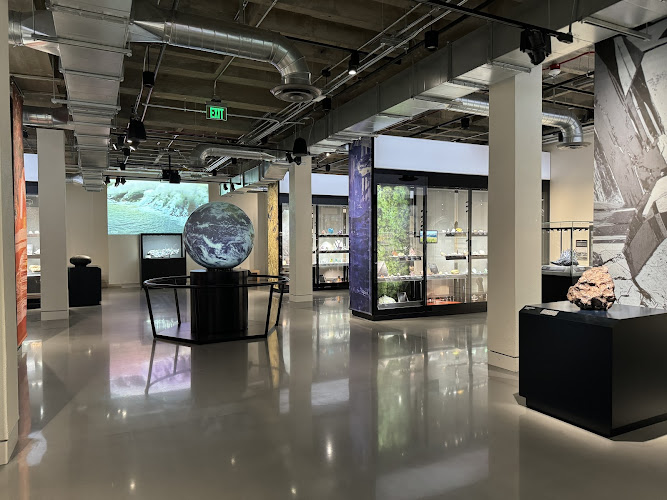
The University of Arizona Alfie Norville Gem & Mineral Museum is one of those places that manages to surprise even the most seasoned traveler. Tucked into the historic heart of Tucson, the museum blends science, art, and storytelling into an experience that feels both educational and oddly personal. It’s not just a sterile collection of rocks behind glass; it’s a living narrative of how minerals, gems, and meteorites shape the world around us. The exhibits stretch across thousands of square feet, with carefully lit displays that make even the tiniest crystal sparkle like it’s performing on stage.
What stands out most is the balance between global and local treasures. You’ll see rare specimens from far-off corners of the planet sitting right alongside gems pulled from Arizona’s rugged landscapes. There’s something grounding about realizing that the same desert you just drove through has produced stones as dazzling as anything found in Europe or Africa. And the meteorites—well, they’re showstoppers. To stand a few inches away from something that literally fell out of the sky is a humbling reminder of how small we are in the universe.
The museum does a great job of being approachable. It’s family-friendly without feeling watered down, and kids often get just as excited about the glowing minerals as adults do. The atmosphere is calm and well-organized, but not overly strict. You can take your time, linger at the exhibits that catch your eye, and skip the ones that don’t. It’s the sort of place where you could breeze through in an hour or spend half a day if you’re the type who likes to read every placard. While most visitors leave impressed, a few might find it smaller than expected or wish for even more interactive elements. Still, the overall vibe is overwhelmingly positive, with many people calling it a must-see while in Tucson.
Key Features
- A world-class collection of minerals, gems, and meteorites from Arizona and across the globe
- Exhibits that highlight the geology of the American Southwest alongside international specimens
- Wheelchair accessible entrance, restrooms, and parking
- On-site parking for convenience
- Guided tours available for deeper insight into the collection
- Discounts available for active military visitors
- Family-friendly environment that is also engaging for kids
- Modern displays that showcase the natural beauty of crystals and stones
Best Time to Visit
Tucson is famous for its annual gem and mineral shows, and if you time it right, visiting during that season (usually late January through early February) makes the museum experience even more special. The city buzzes with collectors, jewelers, and curious travelers, and the museum becomes a natural hub for those wanting to explore beyond the vendor tents. That said, if crowds aren’t your thing, visiting in the spring or fall can be ideal. The weather is pleasant, the desert landscapes are stunning, and you’ll have more breathing room to wander the exhibits at your own pace. Summers can be brutally hot, but the museum itself is air-conditioned and offers a cool escape from the desert sun—literally and figuratively.
How to Get There
Reaching the museum is straightforward, especially if you’re already exploring downtown Tucson. It’s located in the historic courthouse area, which means you can easily pair your visit with a stroll through nearby plazas, cafes, and shops. If you’re staying in central Tucson, a short drive or even a ride on the Sun Link streetcar will get you there without hassle. For those flying in, the Tucson International Airport is about a 20-minute drive away. Parking is available on-site, which removes the usual downtown headache of circling blocks in search of a spot. Public transportation is also a solid option, particularly if you’re planning to spend the whole day downtown and don’t want to worry about your car.
Tips for Visiting
Here’s the thing: it’s easy to underestimate this museum because you might think, “How exciting can a bunch of rocks really be?” But give yourself the chance to slow down and look closely. The colors, the shapes, the way light bounces off the crystals—it’s mesmerizing. If you’re traveling with kids, make it a game to spot the wildest-looking mineral or the strangest meteorite. And if you’re a photography buff, bring your camera. The lighting is designed to make the specimens pop, and you’ll walk away with some seriously Instagram-worthy shots.
Wear comfortable shoes because you’ll be on your feet longer than you expect. If you’re sensitive to crowds, aim for weekday mornings when it’s quieter. Guided tours are worth considering if you’re the type who loves insider stories and deeper science. And don’t rush through the meteorite section—it’s one of those rare opportunities to stand face-to-face with pieces of outer space. Also, keep in mind that while there isn’t a restaurant on-site, downtown Tucson has plenty of great food options within walking distance, from casual tacos to sit-down dining.
One last bit of advice: don’t skip the gift shop. It’s not the usual tourist-trap setup. You’ll find unique keepsakes, small mineral specimens, and books that make thoughtful souvenirs. I once picked up a small piece of polished quartz there, and every time I glance at it on my desk, it takes me right back to that day in Tucson. That’s the kind of memory you can carry home, and honestly, that’s what makes the visit worth it.
Key Features
- A world-class collection of minerals, gems, and meteorites from Arizona and across the globe
- Exhibits that highlight the geology of the American Southwest alongside international specimens
- Wheelchair accessible entrance, restrooms, and parking
- On-site parking for convenience
- Guided tours available for deeper insight into the collection
- Discounts available for active military visitors
- Family-friendly environment that is also engaging for kids
- Modern displays that showcase the natural beauty of crystals and stones
More Details
Updated September 24, 2025
Table of Contents
- Description
- Key Features
- Best Time to Visit
- How to Get There
- Tips for Visiting
- Key Highlights
- Location
- Places to Stay Near The University of Arizona Alfie Norville Gem & Mineral Museum
- Find and Book a Tour
- Explore More Travel Guides
- Nearby Places You Might Like
- Traveler Reviews for The University of Arizona Alfie Norville Gem & Mineral Museum
- Share Your Experience
Description
The University of Arizona Alfie Norville Gem & Mineral Museum is one of those places that manages to surprise even the most seasoned traveler. Tucked into the historic heart of Tucson, the museum blends science, art, and storytelling into an experience that feels both educational and oddly personal. It’s not just a sterile collection of rocks behind glass; it’s a living narrative of how minerals, gems, and meteorites shape the world around us. The exhibits stretch across thousands of square feet, with carefully lit displays that make even the tiniest crystal sparkle like it’s performing on stage.
What stands out most is the balance between global and local treasures. You’ll see rare specimens from far-off corners of the planet sitting right alongside gems pulled from Arizona’s rugged landscapes. There’s something grounding about realizing that the same desert you just drove through has produced stones as dazzling as anything found in Europe or Africa. And the meteorites—well, they’re showstoppers. To stand a few inches away from something that literally fell out of the sky is a humbling reminder of how small we are in the universe.
The museum does a great job of being approachable. It’s family-friendly without feeling watered down, and kids often get just as excited about the glowing minerals as adults do. The atmosphere is calm and well-organized, but not overly strict. You can take your time, linger at the exhibits that catch your eye, and skip the ones that don’t. It’s the sort of place where you could breeze through in an hour or spend half a day if you’re the type who likes to read every placard. While most visitors leave impressed, a few might find it smaller than expected or wish for even more interactive elements. Still, the overall vibe is overwhelmingly positive, with many people calling it a must-see while in Tucson.
Key Features
- A world-class collection of minerals, gems, and meteorites from Arizona and across the globe
- Exhibits that highlight the geology of the American Southwest alongside international specimens
- Wheelchair accessible entrance, restrooms, and parking
- On-site parking for convenience
- Guided tours available for deeper insight into the collection
- Discounts available for active military visitors
- Family-friendly environment that is also engaging for kids
- Modern displays that showcase the natural beauty of crystals and stones
Best Time to Visit
Tucson is famous for its annual gem and mineral shows, and if you time it right, visiting during that season (usually late January through early February) makes the museum experience even more special. The city buzzes with collectors, jewelers, and curious travelers, and the museum becomes a natural hub for those wanting to explore beyond the vendor tents. That said, if crowds aren’t your thing, visiting in the spring or fall can be ideal. The weather is pleasant, the desert landscapes are stunning, and you’ll have more breathing room to wander the exhibits at your own pace. Summers can be brutally hot, but the museum itself is air-conditioned and offers a cool escape from the desert sun—literally and figuratively.
How to Get There
Reaching the museum is straightforward, especially if you’re already exploring downtown Tucson. It’s located in the historic courthouse area, which means you can easily pair your visit with a stroll through nearby plazas, cafes, and shops. If you’re staying in central Tucson, a short drive or even a ride on the Sun Link streetcar will get you there without hassle. For those flying in, the Tucson International Airport is about a 20-minute drive away. Parking is available on-site, which removes the usual downtown headache of circling blocks in search of a spot. Public transportation is also a solid option, particularly if you’re planning to spend the whole day downtown and don’t want to worry about your car.
Tips for Visiting
Here’s the thing: it’s easy to underestimate this museum because you might think, “How exciting can a bunch of rocks really be?” But give yourself the chance to slow down and look closely. The colors, the shapes, the way light bounces off the crystals—it’s mesmerizing. If you’re traveling with kids, make it a game to spot the wildest-looking mineral or the strangest meteorite. And if you’re a photography buff, bring your camera. The lighting is designed to make the specimens pop, and you’ll walk away with some seriously Instagram-worthy shots.
Wear comfortable shoes because you’ll be on your feet longer than you expect. If you’re sensitive to crowds, aim for weekday mornings when it’s quieter. Guided tours are worth considering if you’re the type who loves insider stories and deeper science. And don’t rush through the meteorite section—it’s one of those rare opportunities to stand face-to-face with pieces of outer space. Also, keep in mind that while there isn’t a restaurant on-site, downtown Tucson has plenty of great food options within walking distance, from casual tacos to sit-down dining.
One last bit of advice: don’t skip the gift shop. It’s not the usual tourist-trap setup. You’ll find unique keepsakes, small mineral specimens, and books that make thoughtful souvenirs. I once picked up a small piece of polished quartz there, and every time I glance at it on my desk, it takes me right back to that day in Tucson. That’s the kind of memory you can carry home, and honestly, that’s what makes the visit worth it.
Key Highlights
- A world-class collection of minerals, gems, and meteorites from Arizona and across the globe
- Exhibits that highlight the geology of the American Southwest alongside international specimens
- Wheelchair accessible entrance, restrooms, and parking
- On-site parking for convenience
- Guided tours available for deeper insight into the collection
- Discounts available for active military visitors
- Family-friendly environment that is also engaging for kids
- Modern displays that showcase the natural beauty of crystals and stones
Location
Places to Stay Near The University of Arizona Alfie Norville Gem & Mineral Museum
Find and Book a Tour
Explore More Travel Guides
No reviews found! Be the first to review!
Traveler Reviews for The University of Arizona Alfie Norville Gem & Mineral Museum
There are no reviews yet. Be the first one to write one.
Have you visited The University of Arizona Alfie Norville Gem & Mineral Museum? Help other travelers by sharing your review.
You Might Also Like

Tucson Botanical Gardens

Arizona State Museum

Trail Dust Town
Find Accommodations Nearby
Recommended Tours & Activities
Visitor Reviews
There are no reviews yet. Be the first one to write one.
Share Your Experience
Have you visited The University of Arizona Alfie Norville Gem & Mineral Museum? Help other travelers by leaving a review.