The Royal Palace of Fez
About The Royal Palace of Fez
Description
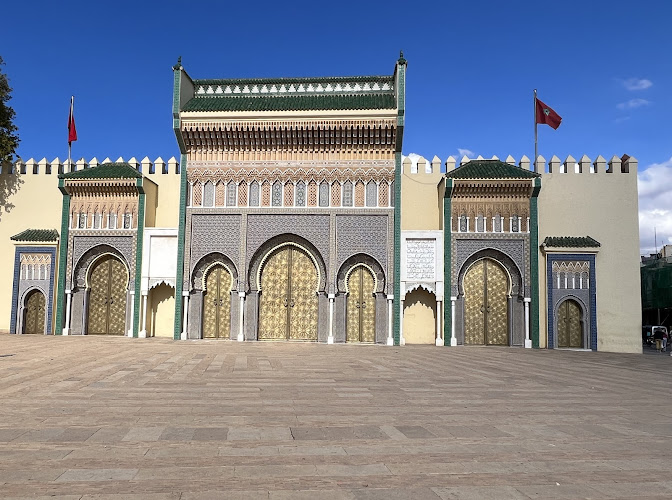
The Royal Palace of Fez, also known as Dar el-Makhzen, is one of Morocco’s most majestic and historically rich landmarks. Standing proud with its grand golden gates and intricate mosaic work, the palace is more than just a royal residence—it’s a living symbol of Morocco’s deep-rooted monarchy and artistry. The first time someone stands before those doors, there’s this quiet awe that washes over them. The scale, the detail, the shimmer of the brass doors under the Moroccan sun—it’s the kind of sight that sticks with you long after you’ve left Fez.
Although the palace itself is closed to the public (and that frustrates a few curious travelers), the exterior alone is worth the visit. The ornate gates, framed by zellige tilework and carved cedar, make it one of the most photographed spots in the city. And honestly, even if you can’t step inside, you can feel the weight of history just standing there. The palace dates back to the 13th century, during the Marinid dynasty when Fez was at its cultural and political height. Over time, successive rulers expanded and renovated it, adding layers of architectural brilliance that reflect Morocco’s evolving artistry—from Andalusian influences to modern Moroccan craftsmanship.
What I personally find fascinating about the Royal Palace of Fez is how it sits between two worlds: the old medina of Fes el-Bali and the newer Fes el-Jdid. It’s like a bridge between centuries, between the bustling markets and the quiet authority of royal power. There’s a sense of continuity here that you don’t often find in other historical sites. And yes, it’s heavily guarded, but that adds to the mystique. You can’t help but wonder what lies beyond those golden doors—lavish courtyards, secret gardens, and corridors that have witnessed centuries of Moroccan history.
Families often stop by for photos, kids darting around the open square while parents try to get the perfect shot. It’s accessible, too—wheelchair users can easily approach the main viewing area, and there’s space for everyone to take in the scene comfortably. The palace might not offer entry, but it gives something else instead: a sense of wonder, a tangible connection to Morocco’s royal legacy, and a stunning backdrop that feels almost cinematic.
Key Features
- Golden Gates: The palace’s most iconic feature—massive brass doors that gleam under the sunlight, framed by intricate zellige tile mosaics and carved cedar wood panels.
- Historic Significance: Originally built in the 13th century by the Marinid dynasty, the palace has been expanded and renovated by successive kings, reflecting centuries of Moroccan royal tradition.
- Architectural Detail: A blend of Islamic, Andalusian, and Moroccan design elements—arched doorways, geometric tilework, and calligraphic inscriptions that tell stories of faith and power.
- Photographic Appeal: One of the most photographed landmarks in Fez, especially at sunrise or late afternoon when the light enhances the gold tones of the doors.
- Strategic Location: Positioned between the old medina (Fes el-Bali) and the new city (Fes el-Jdid), symbolizing the connection between Morocco’s past and present.
- Accessibility: The palace’s surroundings are wheelchair accessible, with nearby parking and open spaces suitable for families and children.
Best Time to Visit
Fez can get quite hot during the summer, so the best time to visit the Royal Palace is in spring (March to May) or autumn (September to November). The weather is mild, and the light is perfect for photography—soft, golden, and flattering. Early morning visits are great if you want to avoid crowds and capture that peaceful moment when the city is just waking up. But if you’re after more energy and local color, late afternoon is ideal; you’ll find locals strolling around, children playing, and the palace glowing in that warm Moroccan sunset.
Winter has its charm too, especially if you prefer quieter travel. The air feels crisp, and the colors of the tiles and brass doors seem even more vivid against the cooler sky. I once visited in January, and though it was chilly, the calm atmosphere made it one of my favorite travel memories from Morocco. Just bring a light jacket and maybe a mint tea from a nearby café—you’ll thank yourself later.
How to Get There
The Royal Palace of Fez is located in the heart of Fes el-Jdid, which makes it easy to reach from most parts of the city. If you’re staying near the medina, you can actually walk there in about 20–30 minutes, depending on your pace. The walk itself is a treat—you’ll pass through lively streets filled with locals going about their day, small shops selling traditional crafts, and the occasional donkey cart making its way through narrow alleys.
For those who prefer convenience, taxis are plentiful and inexpensive in Fez. Just tell the driver “Dar el-Makhzen” or “Palais Royal,” and they’ll know exactly where to go. If you’re driving, there’s accessible parking nearby, though spaces can fill up quickly during peak hours. Some guided city tours also include a stop here, which can be a great option if you want a bit of historical context from a local guide. Even if you’re not part of a tour, it’s easy to include the palace in your own walking itinerary—it’s close to the Jewish Quarter (Mellah) and a short ride from the medina’s main gates.
Tips for Visiting
First things first—don’t expect to go inside. The Royal Palace of Fez is still an active royal residence, and public access is strictly prohibited. But that doesn’t mean you can’t enjoy it. The exterior alone is spectacular, and the surrounding plaza offers plenty of space to admire the craftsmanship up close. Bring a camera, because every angle reveals something new—the patterns, the symmetry, the play of light on the brass doors. It’s a photographer’s dream, honestly.
Try visiting early in the morning or just before sunset. The lighting is softer, and you’ll avoid the midday crowds. If you’re traveling with kids, it’s a nice open area for them to stretch their legs safely. And for those with mobility needs, the area is accessible with ramps and smooth pathways, which isn’t always the case in Fez’s older quarters.
One small but important tip: be respectful when taking photos. The palace is heavily guarded, and while photography of the gates is completely fine, avoid pointing your camera toward the guards or security areas—they’re strict about that. A friendly smile and a polite nod go a long way here.
Also, take a few minutes to explore the nearby Mellah (the old Jewish Quarter). It’s one of the oldest in Morocco and offers a fascinating glimpse into the city’s multicultural past. You’ll find narrow streets, historic synagogues, and a calmer atmosphere compared to the bustling medina. Plus, there are some great spots for grabbing a snack or mint tea after your palace visit.
And here’s a personal note—don’t rush it. The Royal Palace of Fez isn’t about ticking off a sightseeing list; it’s about soaking in the atmosphere. Stand there for a while, listen to the sounds of the city—the distant call to prayer, the chatter of locals, the hum of everyday life. It’s a moment that connects you to centuries of Moroccan history in a way no museum or guided tour ever could.
In short, the Royal Palace of Fez isn’t just a stop on your itinerary—it’s a reminder of Morocco’s enduring beauty, craftsmanship, and royal legacy. Even if you can’t step through those golden doors, you’ll walk away with something far more lasting: a sense of awe, a pocketful of photos, and maybe, just maybe, a deeper appreciation for the soul of Fez itself.

Key Features
- Key Features
- Best Time to Visit
- How to Get There
- Tips for Visiting
More Details
Updated October 10, 2025
Table of Contents
Description
The Royal Palace of Fez, also known as Dar el-Makhzen, is one of Morocco’s most majestic and historically rich landmarks. Standing proud with its grand golden gates and intricate mosaic work, the palace is more than just a royal residence—it’s a living symbol of Morocco’s deep-rooted monarchy and artistry. The first time someone stands before those doors, there’s this quiet awe that washes over them. The scale, the detail, the shimmer of the brass doors under the Moroccan sun—it’s the kind of sight that sticks with you long after you’ve left Fez.
Although the palace itself is closed to the public (and that frustrates a few curious travelers), the exterior alone is worth the visit. The ornate gates, framed by zellige tilework and carved cedar, make it one of the most photographed spots in the city. And honestly, even if you can’t step inside, you can feel the weight of history just standing there. The palace dates back to the 13th century, during the Marinid dynasty when Fez was at its cultural and political height. Over time, successive rulers expanded and renovated it, adding layers of architectural brilliance that reflect Morocco’s evolving artistry—from Andalusian influences to modern Moroccan craftsmanship.
What I personally find fascinating about the Royal Palace of Fez is how it sits between two worlds: the old medina of Fes el-Bali and the newer Fes el-Jdid. It’s like a bridge between centuries, between the bustling markets and the quiet authority of royal power. There’s a sense of continuity here that you don’t often find in other historical sites. And yes, it’s heavily guarded, but that adds to the mystique. You can’t help but wonder what lies beyond those golden doors—lavish courtyards, secret gardens, and corridors that have witnessed centuries of Moroccan history.
Families often stop by for photos, kids darting around the open square while parents try to get the perfect shot. It’s accessible, too—wheelchair users can easily approach the main viewing area, and there’s space for everyone to take in the scene comfortably. The palace might not offer entry, but it gives something else instead: a sense of wonder, a tangible connection to Morocco’s royal legacy, and a stunning backdrop that feels almost cinematic.
Key Features
- Golden Gates: The palace’s most iconic feature—massive brass doors that gleam under the sunlight, framed by intricate zellige tile mosaics and carved cedar wood panels.
- Historic Significance: Originally built in the 13th century by the Marinid dynasty, the palace has been expanded and renovated by successive kings, reflecting centuries of Moroccan royal tradition.
- Architectural Detail: A blend of Islamic, Andalusian, and Moroccan design elements—arched doorways, geometric tilework, and calligraphic inscriptions that tell stories of faith and power.
- Photographic Appeal: One of the most photographed landmarks in Fez, especially at sunrise or late afternoon when the light enhances the gold tones of the doors.
- Strategic Location: Positioned between the old medina (Fes el-Bali) and the new city (Fes el-Jdid), symbolizing the connection between Morocco’s past and present.
- Accessibility: The palace’s surroundings are wheelchair accessible, with nearby parking and open spaces suitable for families and children.
Best Time to Visit
Fez can get quite hot during the summer, so the best time to visit the Royal Palace is in spring (March to May) or autumn (September to November). The weather is mild, and the light is perfect for photography—soft, golden, and flattering. Early morning visits are great if you want to avoid crowds and capture that peaceful moment when the city is just waking up. But if you’re after more energy and local color, late afternoon is ideal; you’ll find locals strolling around, children playing, and the palace glowing in that warm Moroccan sunset.
Winter has its charm too, especially if you prefer quieter travel. The air feels crisp, and the colors of the tiles and brass doors seem even more vivid against the cooler sky. I once visited in January, and though it was chilly, the calm atmosphere made it one of my favorite travel memories from Morocco. Just bring a light jacket and maybe a mint tea from a nearby café—you’ll thank yourself later.
How to Get There
The Royal Palace of Fez is located in the heart of Fes el-Jdid, which makes it easy to reach from most parts of the city. If you’re staying near the medina, you can actually walk there in about 20–30 minutes, depending on your pace. The walk itself is a treat—you’ll pass through lively streets filled with locals going about their day, small shops selling traditional crafts, and the occasional donkey cart making its way through narrow alleys.
For those who prefer convenience, taxis are plentiful and inexpensive in Fez. Just tell the driver “Dar el-Makhzen” or “Palais Royal,” and they’ll know exactly where to go. If you’re driving, there’s accessible parking nearby, though spaces can fill up quickly during peak hours. Some guided city tours also include a stop here, which can be a great option if you want a bit of historical context from a local guide. Even if you’re not part of a tour, it’s easy to include the palace in your own walking itinerary—it’s close to the Jewish Quarter (Mellah) and a short ride from the medina’s main gates.
Tips for Visiting
First things first—don’t expect to go inside. The Royal Palace of Fez is still an active royal residence, and public access is strictly prohibited. But that doesn’t mean you can’t enjoy it. The exterior alone is spectacular, and the surrounding plaza offers plenty of space to admire the craftsmanship up close. Bring a camera, because every angle reveals something new—the patterns, the symmetry, the play of light on the brass doors. It’s a photographer’s dream, honestly.
Try visiting early in the morning or just before sunset. The lighting is softer, and you’ll avoid the midday crowds. If you’re traveling with kids, it’s a nice open area for them to stretch their legs safely. And for those with mobility needs, the area is accessible with ramps and smooth pathways, which isn’t always the case in Fez’s older quarters.
One small but important tip: be respectful when taking photos. The palace is heavily guarded, and while photography of the gates is completely fine, avoid pointing your camera toward the guards or security areas—they’re strict about that. A friendly smile and a polite nod go a long way here.
Also, take a few minutes to explore the nearby Mellah (the old Jewish Quarter). It’s one of the oldest in Morocco and offers a fascinating glimpse into the city’s multicultural past. You’ll find narrow streets, historic synagogues, and a calmer atmosphere compared to the bustling medina. Plus, there are some great spots for grabbing a snack or mint tea after your palace visit.
And here’s a personal note—don’t rush it. The Royal Palace of Fez isn’t about ticking off a sightseeing list; it’s about soaking in the atmosphere. Stand there for a while, listen to the sounds of the city—the distant call to prayer, the chatter of locals, the hum of everyday life. It’s a moment that connects you to centuries of Moroccan history in a way no museum or guided tour ever could.
In short, the Royal Palace of Fez isn’t just a stop on your itinerary—it’s a reminder of Morocco’s enduring beauty, craftsmanship, and royal legacy. Even if you can’t step through those golden doors, you’ll walk away with something far more lasting: a sense of awe, a pocketful of photos, and maybe, just maybe, a deeper appreciation for the soul of Fez itself.
Key Highlights
- Key Features
- Best Time to Visit
- How to Get There
- Tips for Visiting
Location
Places to Stay Near The Royal Palace of Fez
Find and Book a Tour
Explore More Travel Guides
No reviews found! Be the first to review!
Traveler Reviews for The Royal Palace of Fez
There are no reviews yet. Be the first one to write one.
Have you visited The Royal Palace of Fez? Help other travelers by sharing your review.
Find Accommodations Nearby
Recommended Tours & Activities
Visitor Reviews
There are no reviews yet. Be the first one to write one.
Share Your Experience
Have you visited The Royal Palace of Fez? Help other travelers by leaving a review.