
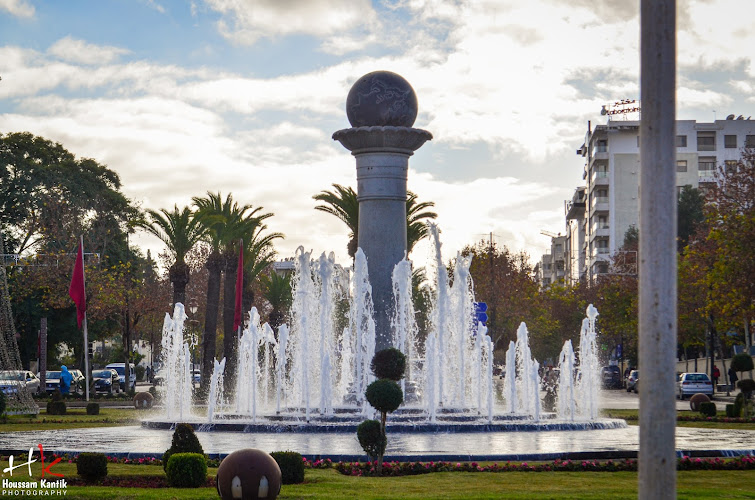
About Fes
Description
Fes, tucked away in the northeastern part of Morocco, feels like a city that time forgot—but in the best possible way. Walking its narrow lanes, you can almost hear the whispers of artisans, scholars, and traders who shaped its story centuries ago. It’s the kind of place where you lose track of time, not because your phone dies (though it might), but because every turn pulls you deeper into a maze of color, sound, and scent. The old medina, Fes El Bali, isn’t just old—it’s ancient, layered with history that’s still very much alive. You’ll see donkeys hauling leather goods through alleys barely wide enough for two people, locals bargaining in Arabic and French, and the faint smell of spices and tanned hides drifting through the air.
What really struck me the first time I visited was how real it all feels. There’s no polished façade trying to impress tourists; Fes just is. The Bou Inania and Al Attarine madrasas, both from the 14th century, are jaw-dropping examples of Moroccan craftsmanship. Their cedar carvings, zellij tilework, and intricate stucco details make you wonder how something so delicate could survive for so long. And yet, here they stand—timeless, proud, and still echoing with the footsteps of students who once studied there.
Of course, traveling through Fes can be overwhelming. The medina is a labyrinth that laughs at Google Maps, and you’ll probably get lost more than once. But that’s part of the magic. You stumble upon hidden courtyards, tiny cafés serving mint tea so sweet it’ll make your teeth ache, and shops selling everything from brass lamps to handwoven rugs. It’s chaotic, yes, but beautifully so. And if you’re patient enough to look past the noise, you’ll find a rhythm that’s uniquely Fassi—slow, deliberate, and deeply connected to tradition.
Key Features
- The UNESCO-listed Fes El Bali medina, one of the world’s largest car-free urban areas.
- Historic madrasas like Bou Inania and Al Attarine, showcasing exquisite Islamic art and architecture.
- The Chouara Tannery, where leather is dyed using centuries-old techniques—bring a scarf, the smell is unforgettable.
- Traditional souks selling spices, ceramics, metalwork, and textiles crafted by local artisans.
- Authentic Moroccan cuisine—try the pastilla, a savory-sweet pie that’s pure genius.
- Rich cultural heritage, blending Andalusian, Arab, and Berber influences.
- Warm, hospitable locals who are often eager to share stories (and tea).
Best Time to Visit
If you ask me, spring (March to May) and autumn (September to November) are the golden windows for visiting Fes. The weather is pleasant—warm days, cool nights, and just the right amount of sunshine to make wandering the medina enjoyable without melting into your shoes. Summer can be brutally hot, especially in July and August, when temperatures soar past 38°C (100°F). I once visited in late July and spent most afternoons hiding in shaded riads, sipping mint tea and pretending I wasn’t sweating buckets. Winter, on the other hand, brings a chill, especially in the evenings, but it’s also quieter and more atmospheric. If you like fewer crowds and don’t mind layering up, it’s a fantastic time to explore.
There’s also the Fes Festival of World Sacred Music, usually held in early summer. Even if you’re not particularly spiritual, the experience of hearing Sufi chants echo through ancient courtyards is something you won’t forget. It’s one of those rare events where the city’s history and soul come together in harmony.
How to Get There
Getting to Fes is easier than it used to be, though it still feels like a bit of an adventure. The city’s airport, Fès–Saïs International Airport, connects to several major European cities, including Paris, Madrid, and London, as well as domestic destinations like Casablanca and Marrakech. If you’re already in Morocco, trains are your best bet—comfortable, affordable, and surprisingly punctual. The journey from Casablanca takes around four hours, while from Marrakech it’s closer to seven.
Personally, I love the train ride. Watching the Moroccan landscape shift from arid plains to rolling hills dotted with olive trees is almost meditative. Once you arrive, taxis are easy to find, but here’s a tip: always agree on the fare before you hop in. The medina itself is pedestrian-only, so be prepared to walk (a lot). Porters with carts can help carry luggage through the narrow alleys—worth every dirham if your riad is deep inside the maze.
Tips for Visiting
Fes rewards curiosity and patience. It’s not a city you can rush through, and honestly, it’s better that way. Here are a few things I’ve learned—some the hard way—that might make your trip smoother:
- Get lost, intentionally. The medina’s alleys twist and turn like a living puzzle. Instead of fighting it, embrace it. Some of my best finds happened when I stopped trying to navigate and just wandered.
- Hire a local guide for your first day. It’s worth it. They’ll help you understand the layout, share stories you’d never hear otherwise, and make sure you don’t miss hidden gems like the Nejjarine Museum.
- Respect local customs. Fes is conservative compared to Marrakech or Casablanca. Dress modestly, especially when visiting religious sites, and always ask before taking photos of people.
- Stay in a riad. These traditional guesthouses, often restored from centuries-old homes, give you a glimpse into Moroccan architecture and hospitality. Plus, breakfast on a tiled courtyard surrounded by orange trees? Pure bliss.
- Bring small change. Whether tipping guides, buying snacks, or paying for a porter, having coins and small bills makes life easier.
- Be ready for sensory overload. The colors, smells, and sounds can be intense. If you need a breather, step into a quiet mosque courtyard or rooftop café for a mint tea break.
- Learn a few Arabic or French phrases. Even a simple “shukran” (thank you) goes a long way. Locals appreciate the effort, and it often leads to warmer interactions.
And here’s a small personal confession: the first time I visited Fes, I didn’t quite “get” it. I found it chaotic, confusing, even a bit intimidating. But on my second trip, something clicked. Maybe it was the way the morning light hit the rooftops, or the call to prayer echoing from a dozen minarets at once. Fes isn’t about ticking off sights—it’s about feeling its pulse, letting it challenge and charm you in equal measure. Once you do, you’ll understand why so many travelers fall under its spell and keep coming back.
So, whether you’re a history buff, a photographer, or just someone chasing that sense of wonder that travel sometimes gives you—Fes delivers. It’s not perfect, but that’s exactly what makes it unforgettable.
Key Features
- The UNESCO-listed Fes El Bali medina, one of the world’s largest car-free urban areas.
- Historic madrasas like Bou Inania and Al Attarine, showcasing exquisite Islamic art and architecture.
- The Chouara Tannery, where leather is dyed using centuries-old techniques—bring a scarf, the smell is unforgettable.
- Traditional souks selling spices, ceramics, metalwork, and textiles crafted by local artisans.
- Authentic Moroccan cuisine—try the pastilla, a savory-sweet pie that’s pure genius.
- Rich cultural heritage, blending Andalusian, Arab, and Berber influences.
- Warm, hospitable locals who are often eager to share stories (and tea).
More Details
Updated October 11, 2025
Table of Contents
Description
Fes, tucked away in the northeastern part of Morocco, feels like a city that time forgot—but in the best possible way. Walking its narrow lanes, you can almost hear the whispers of artisans, scholars, and traders who shaped its story centuries ago. It’s the kind of place where you lose track of time, not because your phone dies (though it might), but because every turn pulls you deeper into a maze of color, sound, and scent. The old medina, Fes El Bali, isn’t just old—it’s ancient, layered with history that’s still very much alive. You’ll see donkeys hauling leather goods through alleys barely wide enough for two people, locals bargaining in Arabic and French, and the faint smell of spices and tanned hides drifting through the air.
What really struck me the first time I visited was how real it all feels. There’s no polished façade trying to impress tourists; Fes just is. The Bou Inania and Al Attarine madrasas, both from the 14th century, are jaw-dropping examples of Moroccan craftsmanship. Their cedar carvings, zellij tilework, and intricate stucco details make you wonder how something so delicate could survive for so long. And yet, here they stand—timeless, proud, and still echoing with the footsteps of students who once studied there.
Of course, traveling through Fes can be overwhelming. The medina is a labyrinth that laughs at Google Maps, and you’ll probably get lost more than once. But that’s part of the magic. You stumble upon hidden courtyards, tiny cafés serving mint tea so sweet it’ll make your teeth ache, and shops selling everything from brass lamps to handwoven rugs. It’s chaotic, yes, but beautifully so. And if you’re patient enough to look past the noise, you’ll find a rhythm that’s uniquely Fassi—slow, deliberate, and deeply connected to tradition.
Key Features
- The UNESCO-listed Fes El Bali medina, one of the world’s largest car-free urban areas.
- Historic madrasas like Bou Inania and Al Attarine, showcasing exquisite Islamic art and architecture.
- The Chouara Tannery, where leather is dyed using centuries-old techniques—bring a scarf, the smell is unforgettable.
- Traditional souks selling spices, ceramics, metalwork, and textiles crafted by local artisans.
- Authentic Moroccan cuisine—try the pastilla, a savory-sweet pie that’s pure genius.
- Rich cultural heritage, blending Andalusian, Arab, and Berber influences.
- Warm, hospitable locals who are often eager to share stories (and tea).
Best Time to Visit
If you ask me, spring (March to May) and autumn (September to November) are the golden windows for visiting Fes. The weather is pleasant—warm days, cool nights, and just the right amount of sunshine to make wandering the medina enjoyable without melting into your shoes. Summer can be brutally hot, especially in July and August, when temperatures soar past 38°C (100°F). I once visited in late July and spent most afternoons hiding in shaded riads, sipping mint tea and pretending I wasn’t sweating buckets. Winter, on the other hand, brings a chill, especially in the evenings, but it’s also quieter and more atmospheric. If you like fewer crowds and don’t mind layering up, it’s a fantastic time to explore.
There’s also the Fes Festival of World Sacred Music, usually held in early summer. Even if you’re not particularly spiritual, the experience of hearing Sufi chants echo through ancient courtyards is something you won’t forget. It’s one of those rare events where the city’s history and soul come together in harmony.
How to Get There
Getting to Fes is easier than it used to be, though it still feels like a bit of an adventure. The city’s airport, Fès–Saïs International Airport, connects to several major European cities, including Paris, Madrid, and London, as well as domestic destinations like Casablanca and Marrakech. If you’re already in Morocco, trains are your best bet—comfortable, affordable, and surprisingly punctual. The journey from Casablanca takes around four hours, while from Marrakech it’s closer to seven.
Personally, I love the train ride. Watching the Moroccan landscape shift from arid plains to rolling hills dotted with olive trees is almost meditative. Once you arrive, taxis are easy to find, but here’s a tip: always agree on the fare before you hop in. The medina itself is pedestrian-only, so be prepared to walk (a lot). Porters with carts can help carry luggage through the narrow alleys—worth every dirham if your riad is deep inside the maze.
Tips for Visiting
Fes rewards curiosity and patience. It’s not a city you can rush through, and honestly, it’s better that way. Here are a few things I’ve learned—some the hard way—that might make your trip smoother:
- Get lost, intentionally. The medina’s alleys twist and turn like a living puzzle. Instead of fighting it, embrace it. Some of my best finds happened when I stopped trying to navigate and just wandered.
- Hire a local guide for your first day. It’s worth it. They’ll help you understand the layout, share stories you’d never hear otherwise, and make sure you don’t miss hidden gems like the Nejjarine Museum.
- Respect local customs. Fes is conservative compared to Marrakech or Casablanca. Dress modestly, especially when visiting religious sites, and always ask before taking photos of people.
- Stay in a riad. These traditional guesthouses, often restored from centuries-old homes, give you a glimpse into Moroccan architecture and hospitality. Plus, breakfast on a tiled courtyard surrounded by orange trees? Pure bliss.
- Bring small change. Whether tipping guides, buying snacks, or paying for a porter, having coins and small bills makes life easier.
- Be ready for sensory overload. The colors, smells, and sounds can be intense. If you need a breather, step into a quiet mosque courtyard or rooftop café for a mint tea break.
- Learn a few Arabic or French phrases. Even a simple “shukran” (thank you) goes a long way. Locals appreciate the effort, and it often leads to warmer interactions.
And here’s a small personal confession: the first time I visited Fes, I didn’t quite “get” it. I found it chaotic, confusing, even a bit intimidating. But on my second trip, something clicked. Maybe it was the way the morning light hit the rooftops, or the call to prayer echoing from a dozen minarets at once. Fes isn’t about ticking off sights—it’s about feeling its pulse, letting it challenge and charm you in equal measure. Once you do, you’ll understand why so many travelers fall under its spell and keep coming back.
So, whether you’re a history buff, a photographer, or just someone chasing that sense of wonder that travel sometimes gives you—Fes delivers. It’s not perfect, but that’s exactly what makes it unforgettable.
Key Highlights
- The UNESCO-listed Fes El Bali medina, one of the world’s largest car-free urban areas.
- Historic madrasas like Bou Inania and Al Attarine, showcasing exquisite Islamic art and architecture.
- The Chouara Tannery, where leather is dyed using centuries-old techniques—bring a scarf, the smell is unforgettable.
- Traditional souks selling spices, ceramics, metalwork, and textiles crafted by local artisans.
- Authentic Moroccan cuisine—try the pastilla, a savory-sweet pie that’s pure genius.
- Rich cultural heritage, blending Andalusian, Arab, and Berber influences.
- Warm, hospitable locals who are often eager to share stories (and tea).
Location
Places to Stay Near Fes
Find and Book a Tour
Explore More Travel Guides
No reviews found! Be the first to review!
Traveler Reviews for Fes
There are no reviews yet. Be the first one to write one.
Have you visited Fes? Help other travelers by sharing your review.
You Might Also Like
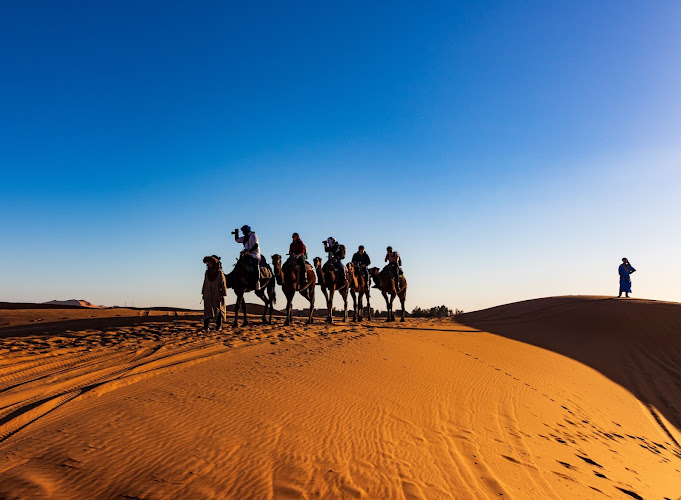
Sahara Desert Trips & Morocco Travels
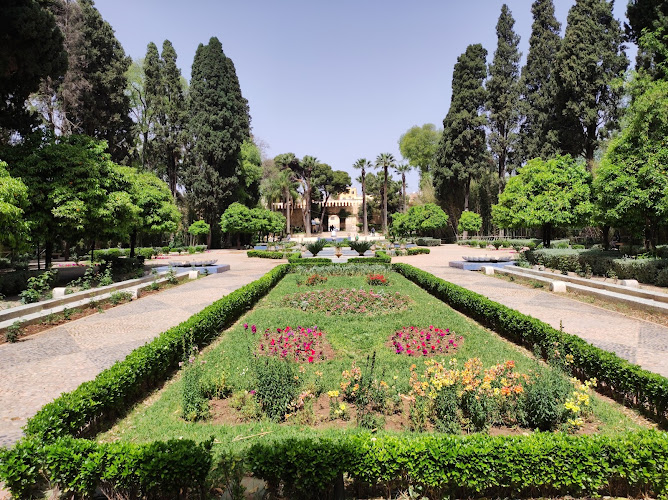
Jnan Sbil
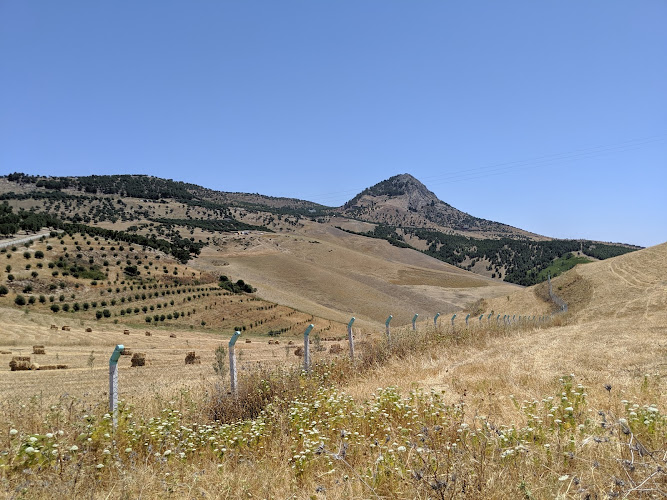
Trail to Hike Jbel (Mount) Zalagh
Find Accommodations Nearby
Recommended Tours & Activities
Visitor Reviews
There are no reviews yet. Be the first one to write one.
Share Your Experience
Have you visited Fes? Help other travelers by leaving a review.