
The Presbytère
About The Presbytère
Description
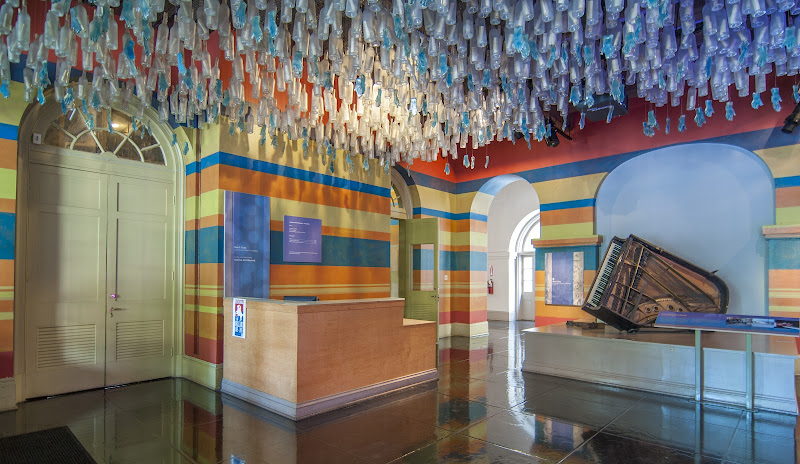
The Presbytère in New Orleans feels like one of those places that quietly hums with stories. Standing proudly beside St. Louis Cathedral in Jackson Square, this museum is more than just a beautiful building—it’s a living chronicle of Louisiana’s soul. Built in 1813, it was originally designed to mirror The Cabildo next door, giving the French Quarter a symmetrical charm that still stops people in their tracks. The architecture itself is a conversation between Spanish colonial elegance and early American ambition, with its tall arched windows and stone façade that has seen centuries of sun, storms, and celebration.
Inside, the Presbytère tells two very different—but deeply connected—stories. On one floor, the Mardi Gras: It’s Carnival Time in Louisiana exhibit bursts with color, costumes, and the kind of joyous chaos that defines New Orleans. You can almost hear the brass bands and smell the beignets as you wander through displays of intricate masks and glittering gowns. It’s fun, it’s loud, it’s unapologetically New Orleans. But then, the tone shifts. The second major exhibit, Living with Hurricanes: Katrina and Beyond, pulls you into the city’s most heartbreaking chapter. Through photographs, personal accounts, and haunting artifacts, it tells the story of the 2005 disaster and the resilience that followed. It’s heavy, yes, but also incredibly moving. You walk away with a deeper respect for the people who call this city home.
I remember the first time I visited—it was raining, which somehow felt fitting. The sound of the drops against the old windows added this quiet rhythm as I stood in front of a display showing the aftermath of Hurricane Katrina. It hit me how fragile and strong a city can be at the same time. And then, just a few rooms away, I found myself grinning at a wall of sequined suits from decades of Mardi Gras parades. That’s the magic of The Presbytère—it captures both grief and joy, side by side, the way life in New Orleans always seems to do.
Key Features
- Historic Architecture: Completed in 1813, the building is a masterpiece of Spanish Colonial design with neoclassical touches that reflect the city’s layered history.
- Mardi Gras Exhibit: A kaleidoscopic journey through Louisiana’s most famous celebration, featuring costumes, floats, music, and multimedia displays that bring the carnival spirit to life.
- Hurricane Katrina Exhibit: A deeply emotional and educational exploration of the 2005 storm, its impact, and the city’s ongoing recovery.
- Part of the Louisiana State Museum: The Presbytère is one of several museums preserving and sharing the state’s cultural heritage.
- Family-Friendly: Interactive displays and vivid visuals make it engaging for kids and adults alike.
- Accessibility: Wheelchair-accessible entrances and restrooms ensure everyone can enjoy the experience comfortably.
- Guided Tours: Knowledgeable guides offer deeper insight into the exhibits, helping visitors appreciate both the artistry and the history on display.
Best Time to Visit
If you’re planning a trip, timing can make all the difference. The Presbytère is open year-round, but visiting during spring or fall tends to be ideal. The weather in New Orleans is warm but not sweltering, and the French Quarter feels alive without being overwhelming. Personally, I love going in early spring—right after Mardi Gras—when the city is still buzzing with leftover energy, but the crowds have thinned out. You can take your time wandering through the exhibits without jostling for space.
That said, there’s also something special about visiting in the summer when the air is thick, and the streets shimmer with heat. The museum’s cool interior becomes a welcome refuge, and you get to enjoy the exhibits at a slower pace. Winter visits are underrated too—quiet, reflective, and a bit more intimate. And if you happen to be in town during hurricane season, well, it adds a strange poignancy to the Katrina exhibit. Just make sure to check the weather before you go, because Mother Nature can be unpredictable down here.
How to Get There
The Presbytère sits right in the heart of the French Quarter, so getting there is part of the adventure. If you’re staying nearby, walking is the best way to go. The streets are narrow, full of music, and every corner seems to tell a story. You’ll pass by street performers, artists, and maybe even a jazz band or two before you reach Jackson Square. It’s one of those walks where you can’t help but slow down and take it all in.
For those coming from farther out, the streetcar is a classic choice—it’s affordable, scenic, and gives you that old-school New Orleans vibe. Ride the St. Charles or Riverfront line and hop off near the French Market. Taxis and rideshares are plentiful, though parking in the Quarter can be tricky, so it’s best to avoid driving if you can. If you’re cycling, there are bike racks nearby, and the flat terrain makes it an easy ride even for casual riders.
And here’s a little tip from experience—plan your route so you can grab a coffee or a po’boy along the way. There’s something about arriving at a museum with a little powdered sugar from a beignet still on your fingers that just feels right in New Orleans.
Tips for Visiting
Visiting The Presbytère isn’t just about checking off another museum—it’s about feeling the heartbeat of New Orleans. To make the most of your visit, here are a few tips that might come in handy:
- Take Your Time: The exhibits deserve more than a quick glance. Give yourself at least an hour or two to really soak it all in.
- Start Upstairs: Many visitors begin with the Mardi Gras exhibit on the upper level—it’s bright, fun, and sets a lively tone before you move into the more serious Katrina exhibit downstairs.
- Bring a Light Jacket: The museum’s air conditioning can be strong, especially in summer, and those old stone walls hold the chill.
- Ask Questions: The staff are passionate locals who love sharing stories. Don’t be shy—they often have personal insights that make the experience richer.
- Photography: Cameras are usually allowed, but be respectful, especially in the Katrina section. Some of the images and artifacts are deeply personal.
- Combine It with Other Attractions: Since you’re already in Jackson Square, it’s easy to pair your visit with The Cabildo or a stroll along the Mississippi Riverfront.
- Travel Light: There’s no restaurant or café inside, so it’s best to eat beforehand or plan a meal after. Luckily, the French Quarter has no shortage of great options nearby.
One more thing—don’t rush out when you’re done. Step outside, find a bench in Jackson Square, and just sit for a bit. Watch the artists painting, the carriages passing, and the cathedral bells ringing. It’s one of those moments when the past and present of New Orleans blend together perfectly. The Presbytère isn’t just a museum; it’s a reminder of what this city has endured and celebrated, all within the same heartbeat.
Whether you’re a history buff, a lover of architecture, or just someone curious about what makes New Orleans tick, The Presbytère offers a window into the city’s soul. It’s beautiful, emotional, sometimes heartbreaking, and always worth your time. And honestly, you’ll probably walk out feeling a little more connected—not just to the city, but to the resilience of people everywhere who find ways to dance again after the storm.
Key Features
- Key Features
- Best Time to Visit
- How to Get There
- Tips for Visiting
More Details
Updated October 9, 2025
Table of Contents
Description
The Presbytère in New Orleans feels like one of those places that quietly hums with stories. Standing proudly beside St. Louis Cathedral in Jackson Square, this museum is more than just a beautiful building—it’s a living chronicle of Louisiana’s soul. Built in 1813, it was originally designed to mirror The Cabildo next door, giving the French Quarter a symmetrical charm that still stops people in their tracks. The architecture itself is a conversation between Spanish colonial elegance and early American ambition, with its tall arched windows and stone façade that has seen centuries of sun, storms, and celebration.
Inside, the Presbytère tells two very different—but deeply connected—stories. On one floor, the Mardi Gras: It’s Carnival Time in Louisiana exhibit bursts with color, costumes, and the kind of joyous chaos that defines New Orleans. You can almost hear the brass bands and smell the beignets as you wander through displays of intricate masks and glittering gowns. It’s fun, it’s loud, it’s unapologetically New Orleans. But then, the tone shifts. The second major exhibit, Living with Hurricanes: Katrina and Beyond, pulls you into the city’s most heartbreaking chapter. Through photographs, personal accounts, and haunting artifacts, it tells the story of the 2005 disaster and the resilience that followed. It’s heavy, yes, but also incredibly moving. You walk away with a deeper respect for the people who call this city home.
I remember the first time I visited—it was raining, which somehow felt fitting. The sound of the drops against the old windows added this quiet rhythm as I stood in front of a display showing the aftermath of Hurricane Katrina. It hit me how fragile and strong a city can be at the same time. And then, just a few rooms away, I found myself grinning at a wall of sequined suits from decades of Mardi Gras parades. That’s the magic of The Presbytère—it captures both grief and joy, side by side, the way life in New Orleans always seems to do.
Key Features
- Historic Architecture: Completed in 1813, the building is a masterpiece of Spanish Colonial design with neoclassical touches that reflect the city’s layered history.
- Mardi Gras Exhibit: A kaleidoscopic journey through Louisiana’s most famous celebration, featuring costumes, floats, music, and multimedia displays that bring the carnival spirit to life.
- Hurricane Katrina Exhibit: A deeply emotional and educational exploration of the 2005 storm, its impact, and the city’s ongoing recovery.
- Part of the Louisiana State Museum: The Presbytère is one of several museums preserving and sharing the state’s cultural heritage.
- Family-Friendly: Interactive displays and vivid visuals make it engaging for kids and adults alike.
- Accessibility: Wheelchair-accessible entrances and restrooms ensure everyone can enjoy the experience comfortably.
- Guided Tours: Knowledgeable guides offer deeper insight into the exhibits, helping visitors appreciate both the artistry and the history on display.
Best Time to Visit
If you’re planning a trip, timing can make all the difference. The Presbytère is open year-round, but visiting during spring or fall tends to be ideal. The weather in New Orleans is warm but not sweltering, and the French Quarter feels alive without being overwhelming. Personally, I love going in early spring—right after Mardi Gras—when the city is still buzzing with leftover energy, but the crowds have thinned out. You can take your time wandering through the exhibits without jostling for space.
That said, there’s also something special about visiting in the summer when the air is thick, and the streets shimmer with heat. The museum’s cool interior becomes a welcome refuge, and you get to enjoy the exhibits at a slower pace. Winter visits are underrated too—quiet, reflective, and a bit more intimate. And if you happen to be in town during hurricane season, well, it adds a strange poignancy to the Katrina exhibit. Just make sure to check the weather before you go, because Mother Nature can be unpredictable down here.
How to Get There
The Presbytère sits right in the heart of the French Quarter, so getting there is part of the adventure. If you’re staying nearby, walking is the best way to go. The streets are narrow, full of music, and every corner seems to tell a story. You’ll pass by street performers, artists, and maybe even a jazz band or two before you reach Jackson Square. It’s one of those walks where you can’t help but slow down and take it all in.
For those coming from farther out, the streetcar is a classic choice—it’s affordable, scenic, and gives you that old-school New Orleans vibe. Ride the St. Charles or Riverfront line and hop off near the French Market. Taxis and rideshares are plentiful, though parking in the Quarter can be tricky, so it’s best to avoid driving if you can. If you’re cycling, there are bike racks nearby, and the flat terrain makes it an easy ride even for casual riders.
And here’s a little tip from experience—plan your route so you can grab a coffee or a po’boy along the way. There’s something about arriving at a museum with a little powdered sugar from a beignet still on your fingers that just feels right in New Orleans.
Tips for Visiting
Visiting The Presbytère isn’t just about checking off another museum—it’s about feeling the heartbeat of New Orleans. To make the most of your visit, here are a few tips that might come in handy:
- Take Your Time: The exhibits deserve more than a quick glance. Give yourself at least an hour or two to really soak it all in.
- Start Upstairs: Many visitors begin with the Mardi Gras exhibit on the upper level—it’s bright, fun, and sets a lively tone before you move into the more serious Katrina exhibit downstairs.
- Bring a Light Jacket: The museum’s air conditioning can be strong, especially in summer, and those old stone walls hold the chill.
- Ask Questions: The staff are passionate locals who love sharing stories. Don’t be shy—they often have personal insights that make the experience richer.
- Photography: Cameras are usually allowed, but be respectful, especially in the Katrina section. Some of the images and artifacts are deeply personal.
- Combine It with Other Attractions: Since you’re already in Jackson Square, it’s easy to pair your visit with The Cabildo or a stroll along the Mississippi Riverfront.
- Travel Light: There’s no restaurant or café inside, so it’s best to eat beforehand or plan a meal after. Luckily, the French Quarter has no shortage of great options nearby.
One more thing—don’t rush out when you’re done. Step outside, find a bench in Jackson Square, and just sit for a bit. Watch the artists painting, the carriages passing, and the cathedral bells ringing. It’s one of those moments when the past and present of New Orleans blend together perfectly. The Presbytère isn’t just a museum; it’s a reminder of what this city has endured and celebrated, all within the same heartbeat.
Whether you’re a history buff, a lover of architecture, or just someone curious about what makes New Orleans tick, The Presbytère offers a window into the city’s soul. It’s beautiful, emotional, sometimes heartbreaking, and always worth your time. And honestly, you’ll probably walk out feeling a little more connected—not just to the city, but to the resilience of people everywhere who find ways to dance again after the storm.
Key Highlights
- Key Features
- Best Time to Visit
- How to Get There
- Tips for Visiting
Location
Places to Stay Near The Presbytère
Find and Book a Tour
Explore More Travel Guides
No reviews found! Be the first to review!
Traveler Reviews for The Presbytère
There are no reviews yet. Be the first one to write one.
Have you visited The Presbytère? Help other travelers by sharing your review.
You Might Also Like
Jackson Square

Mardi Gras Museum of Costumes & Culture
The Pitot House Museum
Find Accommodations Nearby
Recommended Tours & Activities
Visitor Reviews
There are no reviews yet. Be the first one to write one.
Share Your Experience
Have you visited The Presbytère? Help other travelers by leaving a review.