
The Open Air Museum
About The Open Air Museum
Description
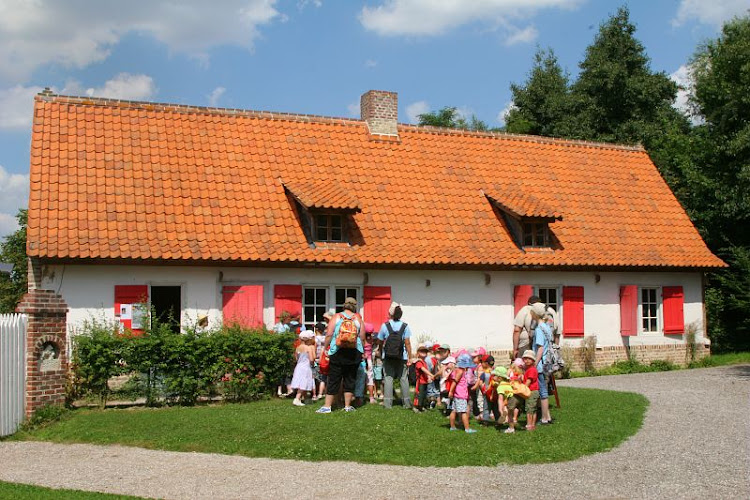
The Open Air Museum is one of those places that manages to feel both like a step back in time and a refreshing day outdoors. It’s not your typical museum with glass cases and quiet halls. Instead, you’ll find yourself wandering through a recreated village of 17th- to 19th-century buildings, each one alive with the spirit of artisans who once shaped everyday life. Blacksmiths hammering iron, bakers pulling bread from wood-fired ovens, and weavers at their looms—these aren’t just static displays, they’re performances that make history feel tangible.
What’s striking is how approachable it all feels. You don’t need to be a history buff to enjoy it. The museum has a way of pulling you in with its lived-in authenticity. Sure, a few visitors might find it a little crowded during peak hours or wish for more modern comforts, but most walk away impressed by the balance between education and entertainment. Families especially seem to enjoy it since kids can run around, interact with animals, and watch craftspeople at work without the usual “don’t touch” museum rules hanging over them.
Personally, I love how it feels like a living storybook. The smell of wood smoke, the chatter of costumed guides, and the occasional bleat of a goat grazing nearby—it all comes together in a way that feels genuine. It’s the kind of place where you might plan for a couple of hours but end up staying the whole day because every corner reveals something new.
Key Features
- Recreated 17th- to 19th-century village with authentic architecture
- Artisans demonstrating traditional crafts like blacksmithing, weaving, and baking
- Live performances that bring history and folklore to life
- Botanical gardens showcasing local plant life
- Small zoo area with farm animals and regional species
- On-site restaurant for hearty meals and snacks
- Wheelchair accessible entrances, restrooms, and parking
- Family-friendly environment with activities for children
Best Time to Visit
Timing can make a big difference here. Spring and early summer are particularly lovely—flowers in the botanical gardens are in bloom, and the weather is just right for strolling outdoors without breaking a sweat. Autumn also has its charm, with crisp air and golden leaves adding a whole new layer of atmosphere to the historic setting. Winter visits can be quieter, which is nice if you want fewer crowds, though some outdoor activities may be limited. Personally, I’d avoid the hottest midsummer days unless you’re a fan of walking around in the sun for hours.
Weekdays are generally calmer than weekends, so if you prefer a slower pace, plan accordingly. And if you’re into festivals or seasonal events, keep an eye out—this museum often hosts themed days that make the experience even richer.
How to Get There
Reaching the Open Air Museum is fairly straightforward. Most travelers come by car, as parking is available and designed with accessibility in mind. For those relying on public transport, buses and trains usually connect to nearby towns, followed by a short taxi or shuttle ride. I’ve found that arriving early in the day not only makes parking easier but also gives you the chance to explore before the larger tour groups arrive. If you’re traveling with kids or older relatives, planning your route ahead of time is worth the effort—it saves energy for the actual exploring.
Tips for Visiting
A few practical tips can make your visit smoother. First, wear comfortable shoes. You’ll be walking on cobblestones, dirt paths, and grassy areas, so leave the fancy footwear at home. Bringing a water bottle is smart too, especially in warmer months, though the on-site restaurant is handy when hunger strikes.
If you’re traveling with children, set aside extra time for the animal enclosures and craft demonstrations—they’re always a hit. And don’t be shy about chatting with the artisans; they’re usually passionate about their work and love answering questions. I once asked a blacksmith about his tools, and he ended up giving me a mini-lesson on forging techniques. It was one of those unexpected highlights that stuck with me long after the visit.
Plan for at least half a day, though a full day lets you take things at a more relaxed pace. And if accessibility is a concern, rest assured that the museum has made thoughtful accommodations, from wheelchair-friendly entrances to accessible restrooms. Finally, bring a bit of curiosity with you. The more you engage—whether it’s tasting bread fresh from the oven or watching a weaver at her loom—the more rewarding the experience becomes.
Key Features
- Recreated 17th- to 19th-century village with authentic architecture
- Artisans demonstrating traditional crafts like blacksmithing, weaving, and baking
- Live performances that bring history and folklore to life
- Botanical gardens showcasing local plant life
- Small zoo area with farm animals and regional species
- On-site restaurant for hearty meals and snacks
- Wheelchair accessible entrances, restrooms, and parking
- Family-friendly environment with activities for children
More Details
Updated September 10, 2025
Table of Contents
Description
The Open Air Museum is one of those places that manages to feel both like a step back in time and a refreshing day outdoors. It’s not your typical museum with glass cases and quiet halls. Instead, you’ll find yourself wandering through a recreated village of 17th- to 19th-century buildings, each one alive with the spirit of artisans who once shaped everyday life. Blacksmiths hammering iron, bakers pulling bread from wood-fired ovens, and weavers at their looms—these aren’t just static displays, they’re performances that make history feel tangible.
What’s striking is how approachable it all feels. You don’t need to be a history buff to enjoy it. The museum has a way of pulling you in with its lived-in authenticity. Sure, a few visitors might find it a little crowded during peak hours or wish for more modern comforts, but most walk away impressed by the balance between education and entertainment. Families especially seem to enjoy it since kids can run around, interact with animals, and watch craftspeople at work without the usual “don’t touch” museum rules hanging over them.
Personally, I love how it feels like a living storybook. The smell of wood smoke, the chatter of costumed guides, and the occasional bleat of a goat grazing nearby—it all comes together in a way that feels genuine. It’s the kind of place where you might plan for a couple of hours but end up staying the whole day because every corner reveals something new.
Key Features
- Recreated 17th- to 19th-century village with authentic architecture
- Artisans demonstrating traditional crafts like blacksmithing, weaving, and baking
- Live performances that bring history and folklore to life
- Botanical gardens showcasing local plant life
- Small zoo area with farm animals and regional species
- On-site restaurant for hearty meals and snacks
- Wheelchair accessible entrances, restrooms, and parking
- Family-friendly environment with activities for children
Best Time to Visit
Timing can make a big difference here. Spring and early summer are particularly lovely—flowers in the botanical gardens are in bloom, and the weather is just right for strolling outdoors without breaking a sweat. Autumn also has its charm, with crisp air and golden leaves adding a whole new layer of atmosphere to the historic setting. Winter visits can be quieter, which is nice if you want fewer crowds, though some outdoor activities may be limited. Personally, I’d avoid the hottest midsummer days unless you’re a fan of walking around in the sun for hours.
Weekdays are generally calmer than weekends, so if you prefer a slower pace, plan accordingly. And if you’re into festivals or seasonal events, keep an eye out—this museum often hosts themed days that make the experience even richer.
How to Get There
Reaching the Open Air Museum is fairly straightforward. Most travelers come by car, as parking is available and designed with accessibility in mind. For those relying on public transport, buses and trains usually connect to nearby towns, followed by a short taxi or shuttle ride. I’ve found that arriving early in the day not only makes parking easier but also gives you the chance to explore before the larger tour groups arrive. If you’re traveling with kids or older relatives, planning your route ahead of time is worth the effort—it saves energy for the actual exploring.
Tips for Visiting
A few practical tips can make your visit smoother. First, wear comfortable shoes. You’ll be walking on cobblestones, dirt paths, and grassy areas, so leave the fancy footwear at home. Bringing a water bottle is smart too, especially in warmer months, though the on-site restaurant is handy when hunger strikes.
If you’re traveling with children, set aside extra time for the animal enclosures and craft demonstrations—they’re always a hit. And don’t be shy about chatting with the artisans; they’re usually passionate about their work and love answering questions. I once asked a blacksmith about his tools, and he ended up giving me a mini-lesson on forging techniques. It was one of those unexpected highlights that stuck with me long after the visit.
Plan for at least half a day, though a full day lets you take things at a more relaxed pace. And if accessibility is a concern, rest assured that the museum has made thoughtful accommodations, from wheelchair-friendly entrances to accessible restrooms. Finally, bring a bit of curiosity with you. The more you engage—whether it’s tasting bread fresh from the oven or watching a weaver at her loom—the more rewarding the experience becomes.
Key Highlights
- Recreated 17th- to 19th-century village with authentic architecture
- Artisans demonstrating traditional crafts like blacksmithing, weaving, and baking
- Live performances that bring history and folklore to life
- Botanical gardens showcasing local plant life
- Small zoo area with farm animals and regional species
- On-site restaurant for hearty meals and snacks
- Wheelchair accessible entrances, restrooms, and parking
- Family-friendly environment with activities for children
Location
Places to Stay Near The Open Air Museum
Find and Book a Tour
Explore More Travel Guides
No reviews found! Be the first to review!
Traveler Reviews for The Open Air Museum
There are no reviews yet. Be the first one to write one.
Have you visited The Open Air Museum? Help other travelers by sharing your review.
You Might Also Like
Find Accommodations Nearby
Recommended Tours & Activities
Visitor Reviews
There are no reviews yet. Be the first one to write one.
Share Your Experience
Have you visited The Open Air Museum? Help other travelers by leaving a review.