

The Norwegian Museum of Cultural History
About The Norwegian Museum of Cultural History
Description
The Norwegian Museum of Cultural History is one of those places that quietly sneaks up on you. It’s not just a museum—it’s a living, breathing storybook of Norway’s past. Spread across a wide open-air space, it feels more like wandering through a small village than strolling through a museum. Wooden farmhouses with turf roofs, a medieval stave church that looks like it’s been plucked straight out of a Viking saga, and cozy cottages that smell faintly of pine and history—it’s all there. And somehow, it doesn’t feel staged or artificial. It feels real. Maybe that’s because it is.
Inside the museum’s indoor exhibits, you’ll find everything from traditional folk costumes and Sami artifacts to displays that show how Norwegians lived, worked, and celebrated through the centuries. There’s something grounding about seeing how people used to live with so little but still managed to create beauty in everyday life. The curators have done a wonderful job blending storytelling with scholarship, so you don’t just see objects—you understand the lives behind them.
What I love most about this place is how it doesn’t rush you. You can spend hours just wandering the grounds, hearing the crunch of gravel under your feet, and imagining what life must have been like centuries ago. On some days, you’ll catch live performances—folk dances, traditional crafts, or even baking demonstrations that make the whole experience come alive. It’s one of those rare museums where you can feel the past breathing next to you.
Key Features
- Expansive open-air collection of historic buildings, including the famous Gol Stave Church from the 1200s
- Indoor exhibitions showcasing Norwegian folk art, traditional clothing, and everyday artifacts
- Live performances and demonstrations that bring history to life through music, dance, and crafts
- Family-friendly environment with stroller access, changing tables, and activities for kids
- Wheelchair-accessible entrances, restrooms, and parking for inclusive visiting
- Onsite restaurant serving traditional Norwegian dishes and snacks
- Peaceful walking paths surrounded by nature, perfect for slow exploration
Best Time to Visit
If you ask me, the best time to visit depends on what kind of traveler you are. Summer is when the museum truly shines—the open-air exhibits buzz with activity, the staff dress in period costumes, and the air smells faintly of freshly baked lefse. The long daylight hours give you plenty of time to explore every corner without feeling rushed. You’ll see families picnicking on the grass, kids chasing each other between old farmhouses, and artists sketching the stave church from different angles.
But if you prefer a quieter, more reflective experience, autumn is magical. The leaves turn fiery shades of orange and gold, and the whole place feels like a painting. It’s cooler, yes, but that crisp air adds a certain charm. Winter visits are less common, but they’re special in their own way. There’s something hauntingly beautiful about snow blanketing the old wooden roofs—it’s like stepping into a Nordic fairy tale. Just be sure to dress warmly and check which outdoor sections are open during the colder months.
How to Get There
Getting to the museum is fairly straightforward, even if you’re new to Oslo. You can take public transport—buses and ferries connect easily from the city center. The ferry ride, by the way, is an experience in itself. On a sunny day, the view of the fjord is breathtaking, and it sets the perfect tone for what’s waiting on the other side. If you’re driving, there’s convenient parking nearby, and the museum grounds are well signposted once you arrive.
Personally, I like to make the journey part of the day’s adventure. It’s worth taking a slow morning, grabbing a coffee from one of Oslo’s cozy cafés, and then heading over mid-morning. That way, you can spend a few hours exploring, have lunch at the museum’s restaurant, and still have time to linger in the afternoon light. The museum is also wheelchair-friendly, so accessibility isn’t something you need to worry about.
Tips for Visiting
Here’s where I’ll share a few things I’ve learned from my own visits (and a few small mistakes I made along the way):
- Plan at least half a day. The museum is huge, and there’s so much to see. Rushing through would be a shame.
- Wear comfortable shoes. You’ll be walking a lot, often on uneven paths or grassy areas. Trust me, your feet will thank you.
- Check the schedule for live events. The performances and craft demonstrations add so much depth to the experience. They’re not every day, so it’s worth timing your visit.
- Bring a jacket. Even in summer, the weather can change quickly in Oslo. Layers are your friend.
- Try the local food. The onsite restaurant serves hearty, traditional dishes. Their waffles with jam and sour cream are a small slice of heaven.
- Take your time in the indoor exhibits. They’re easy to overlook after the excitement of the outdoor village, but they’re full of fascinating details about Norwegian culture and craftsmanship.
- Photography is welcome, but remember to be respectful—especially inside the stave church and other historic structures.
One more thing—don’t be afraid to just wander. Some of the best moments here come when you’re not following a map or a plan. I remember once stumbling upon a small group of musicians playing folk tunes near one of the old farmhouses. It wasn’t on any schedule, just a spontaneous moment. That’s the kind of magic this museum offers—you never quite know what you’ll find around the next corner.
For families, this is a fantastic outing. Kids can run around safely, pet the occasional farm animal, and actually learn something without realizing it’s “educational.” And for history buffs or photographers, it’s pure gold. Every angle, every doorway, every weathered piece of wood tells a story.
In essence, The Norwegian Museum of Cultural History isn’t just about looking at old things—it’s about feeling connected to the people who came before us. It’s about understanding how culture evolves, how traditions survive, and how the past quietly shapes the present. Whether you’re a first-time visitor to Oslo or a returning traveler looking for something deeper than the usual tourist stops, this museum deserves a spot on your list. It’s not flashy, but it’s deeply authentic—and that’s what makes it unforgettable.
Key Features
- Expansive open-air collection of historic buildings, including the famous Gol Stave Church from the 1200s
- Indoor exhibitions showcasing Norwegian folk art, traditional clothing, and everyday artifacts
- Live performances and demonstrations that bring history to life through music, dance, and crafts
- Family-friendly environment with stroller access, changing tables, and activities for kids
- Wheelchair-accessible entrances, restrooms, and parking for inclusive visiting
- Onsite restaurant serving traditional Norwegian dishes and snacks
- Peaceful walking paths surrounded by nature, perfect for slow exploration
More Details
Updated October 8, 2025
Table of Contents
- Description
- Key Features
- Best Time to Visit
- How to Get There
- Tips for Visiting
- Key Highlights
- Location
- Places to Stay Near The Norwegian Museum of Cultural History
- Find and Book a Tour
- Explore More Travel Guides
- Nearby Places You Might Like
- Traveler Reviews for The Norwegian Museum of Cultural History
- Share Your Experience
Description
The Norwegian Museum of Cultural History is one of those places that quietly sneaks up on you. It’s not just a museum—it’s a living, breathing storybook of Norway’s past. Spread across a wide open-air space, it feels more like wandering through a small village than strolling through a museum. Wooden farmhouses with turf roofs, a medieval stave church that looks like it’s been plucked straight out of a Viking saga, and cozy cottages that smell faintly of pine and history—it’s all there. And somehow, it doesn’t feel staged or artificial. It feels real. Maybe that’s because it is.
Inside the museum’s indoor exhibits, you’ll find everything from traditional folk costumes and Sami artifacts to displays that show how Norwegians lived, worked, and celebrated through the centuries. There’s something grounding about seeing how people used to live with so little but still managed to create beauty in everyday life. The curators have done a wonderful job blending storytelling with scholarship, so you don’t just see objects—you understand the lives behind them.
What I love most about this place is how it doesn’t rush you. You can spend hours just wandering the grounds, hearing the crunch of gravel under your feet, and imagining what life must have been like centuries ago. On some days, you’ll catch live performances—folk dances, traditional crafts, or even baking demonstrations that make the whole experience come alive. It’s one of those rare museums where you can feel the past breathing next to you.
Key Features
- Expansive open-air collection of historic buildings, including the famous Gol Stave Church from the 1200s
- Indoor exhibitions showcasing Norwegian folk art, traditional clothing, and everyday artifacts
- Live performances and demonstrations that bring history to life through music, dance, and crafts
- Family-friendly environment with stroller access, changing tables, and activities for kids
- Wheelchair-accessible entrances, restrooms, and parking for inclusive visiting
- Onsite restaurant serving traditional Norwegian dishes and snacks
- Peaceful walking paths surrounded by nature, perfect for slow exploration
Best Time to Visit
If you ask me, the best time to visit depends on what kind of traveler you are. Summer is when the museum truly shines—the open-air exhibits buzz with activity, the staff dress in period costumes, and the air smells faintly of freshly baked lefse. The long daylight hours give you plenty of time to explore every corner without feeling rushed. You’ll see families picnicking on the grass, kids chasing each other between old farmhouses, and artists sketching the stave church from different angles.
But if you prefer a quieter, more reflective experience, autumn is magical. The leaves turn fiery shades of orange and gold, and the whole place feels like a painting. It’s cooler, yes, but that crisp air adds a certain charm. Winter visits are less common, but they’re special in their own way. There’s something hauntingly beautiful about snow blanketing the old wooden roofs—it’s like stepping into a Nordic fairy tale. Just be sure to dress warmly and check which outdoor sections are open during the colder months.
How to Get There
Getting to the museum is fairly straightforward, even if you’re new to Oslo. You can take public transport—buses and ferries connect easily from the city center. The ferry ride, by the way, is an experience in itself. On a sunny day, the view of the fjord is breathtaking, and it sets the perfect tone for what’s waiting on the other side. If you’re driving, there’s convenient parking nearby, and the museum grounds are well signposted once you arrive.
Personally, I like to make the journey part of the day’s adventure. It’s worth taking a slow morning, grabbing a coffee from one of Oslo’s cozy cafés, and then heading over mid-morning. That way, you can spend a few hours exploring, have lunch at the museum’s restaurant, and still have time to linger in the afternoon light. The museum is also wheelchair-friendly, so accessibility isn’t something you need to worry about.
Tips for Visiting
Here’s where I’ll share a few things I’ve learned from my own visits (and a few small mistakes I made along the way):
- Plan at least half a day. The museum is huge, and there’s so much to see. Rushing through would be a shame.
- Wear comfortable shoes. You’ll be walking a lot, often on uneven paths or grassy areas. Trust me, your feet will thank you.
- Check the schedule for live events. The performances and craft demonstrations add so much depth to the experience. They’re not every day, so it’s worth timing your visit.
- Bring a jacket. Even in summer, the weather can change quickly in Oslo. Layers are your friend.
- Try the local food. The onsite restaurant serves hearty, traditional dishes. Their waffles with jam and sour cream are a small slice of heaven.
- Take your time in the indoor exhibits. They’re easy to overlook after the excitement of the outdoor village, but they’re full of fascinating details about Norwegian culture and craftsmanship.
- Photography is welcome, but remember to be respectful—especially inside the stave church and other historic structures.
One more thing—don’t be afraid to just wander. Some of the best moments here come when you’re not following a map or a plan. I remember once stumbling upon a small group of musicians playing folk tunes near one of the old farmhouses. It wasn’t on any schedule, just a spontaneous moment. That’s the kind of magic this museum offers—you never quite know what you’ll find around the next corner.
For families, this is a fantastic outing. Kids can run around safely, pet the occasional farm animal, and actually learn something without realizing it’s “educational.” And for history buffs or photographers, it’s pure gold. Every angle, every doorway, every weathered piece of wood tells a story.
In essence, The Norwegian Museum of Cultural History isn’t just about looking at old things—it’s about feeling connected to the people who came before us. It’s about understanding how culture evolves, how traditions survive, and how the past quietly shapes the present. Whether you’re a first-time visitor to Oslo or a returning traveler looking for something deeper than the usual tourist stops, this museum deserves a spot on your list. It’s not flashy, but it’s deeply authentic—and that’s what makes it unforgettable.
Key Highlights
- Expansive open-air collection of historic buildings, including the famous Gol Stave Church from the 1200s
- Indoor exhibitions showcasing Norwegian folk art, traditional clothing, and everyday artifacts
- Live performances and demonstrations that bring history to life through music, dance, and crafts
- Family-friendly environment with stroller access, changing tables, and activities for kids
- Wheelchair-accessible entrances, restrooms, and parking for inclusive visiting
- Onsite restaurant serving traditional Norwegian dishes and snacks
- Peaceful walking paths surrounded by nature, perfect for slow exploration
Location
Places to Stay Near The Norwegian Museum of Cultural History
Find and Book a Tour
Explore More Travel Guides
No reviews found! Be the first to review!
Traveler Reviews for The Norwegian Museum of Cultural History
There are no reviews yet. Be the first one to write one.
Have you visited The Norwegian Museum of Cultural History? Help other travelers by sharing your review.
You Might Also Like
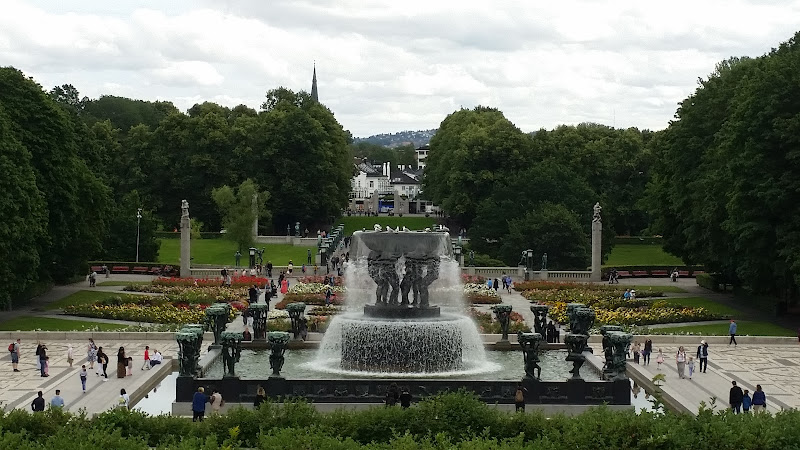
Frognerparken

Kanonhallen

Polar Ship Museum
Find Accommodations Nearby
Recommended Tours & Activities
Visitor Reviews
There are no reviews yet. Be the first one to write one.
Share Your Experience
Have you visited The Norwegian Museum of Cultural History? Help other travelers by leaving a review.