
The Museum Of Curiosities
About The Museum Of Curiosities
Description
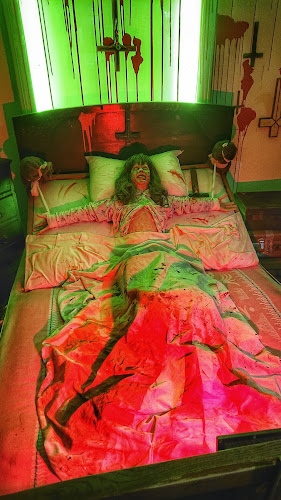
The Museum Of Curiosities in Nottingham is a museum of oddities and the paranormal that leans into the uncanny with an almost theatrical wink. It presents a carefully curated, sometimes unsettling, collection of objects that have legible histories and murky reputations alike. Visitors will see shrunken heads, Voodoo skulls, alleged cursed Dybbuk boxes, the so-called Devils toy box, and dozens more artifacts that spark arguments between skeptics and believers. The tone inside the rooms is equal parts historical cabinet and late-night ghost story, and that mix is the place's greatest charm. It feels like walking into someone else’s attic, only that attic keeps the power to make people raise an eyebrow, gasp, or quietly tell a friend I felt something.
The museum is located in Nottingham and has become one of the city’s more talked-about attractions among those who like a dash of the macabre with their cultural trips. It leans heavily into storytelling: each object comes with provenance notes, eyewitness accounts when available, and a bit of theatrical context that helps the visitor frame what they are seeing. This is not a dry catalogue; the staff often act as guides, sharing local lore and, if asked politely, pointing out the oddities that have generated the most local fuss. And yes, there are video snippets and in-house demonstrations that show some of the stranger phenomena, most famously the last remaining Victorian hearse whose handle has reportedly moved on its own. The museum keeps that footage on venue screens for visitors to watch, which tends to spur debate in the dimly lit galleries.
It is worth saying out loud that reactions are split. Many people leave delighted and a little thrilled, telling friends they had chills in front of a particular display. Others find the tone theatrical or the subject matter too intense. That balance—part earnest archive, part haunted attraction—means the museum draws a mixed but passionate crowd. Families, paranormal enthusiasts, students of anthropology, and curious tourists all cross the threshold, often for different reasons. Some come for the historical context behind Voodoo artifacts; others arrive excited to test their nerve in front of the reputedly restless Dybbuk box.
Practical reality: the Museum Of Curiosities is a compact space that rewards close attention. It is not a sprawling institution; instead, it concentrates a lot of oddness into a small footprint, so visitors should plan to move slowly and read the labels. Because exhibits are close together, the atmosphere can feel intimate—and occasionally claustrophobic for those who prefer wide open museum galleries. Lighting is intentionally low in many sections to emphasize the mood, so those with light sensitivity or mobility concerns should note that the building does not have an accessible entrance or fully wheelchair-accessible facilities. The venue does offer onsite services and has a gender-neutral restroom and a small restaurant area where visitors can decompress and compare notes—often a favorite after a tour, because people love to talk about what unsettled them most.
There is also a deliberate approach to presentation that separates this museum from a generic oddities shop. Objects are framed by research where possible; provenance, collectors’ notes, and historical context are displayed alongside the more sensational claims. This helps ground the strange in a believable narrative. For instance, a supposedly cursed object will be accompanied by the recorded accounts of previous owners and any documented events associated with it. The museum does not usually endorse supernatural explanations officially, instead inviting visitors to weigh the evidence themselves. That stance—skeptical curiosity, if you will—makes discussions livelier. The staff encourage questions, and they keep the tone playful but respectful.
One feature that tends to stick in peoples’ minds is the Victorian hearse. It is described as the last remaining example of its kind, displayed under soft lighting so the carved wood and ironwork shine like something from an old photograph. Tales persist about the hearse’s handle moving on its own; the museum has collected video evidence shown to visitors inside the venue. Some guests watch the footage and leave convinced, others remain unconvinced, and a few swear they felt a draft or a presence near the display. The writer remembers standing in that tiny gallery corner while someone from the group whispered that the smell of old wax had changed suddenly, though that might have been imagination—still, moments like that are precisely what keeps people talking outside the building.
Beyond the headline objects, the museum also holds lesser-known curiosities that reward a slow walk-through: ritual artifacts from multiple continents, Victorian mourning pieces, and odd personal effects with unusual backstories. Each piece is tagged with origin details and, where applicable, any recorded cultural sensitivity or provenance issues. The curators have been conscientious about contextualizing items that could be misunderstood. They aim to present these artifacts with respect to the cultures they come from, while still being upfront about the more sensational legends attached to them. That careful handling makes the visit feel less exploitative and more like a serious, if eccentric, study of human belief systems.
For families, the museum tends to be a mixed bag. It is considered family-friendly and children are welcome, but some exhibits are intense and may frighten younger kids. Parents often appreciate the educational angle—discussing folklore, colonial collecting practices, or the history behind certain ritual items can turn a spook-fest into a lesson in cultural history. The venue markets itself as a safe, transgender-inclusive space, and many visitors report feeling it is welcoming. It’s also a good stop for students of anthropology, religious studies, and local history, given the depth of anecdotal archives and the emphasis on storytelling.
Photography is allowed in many parts of the museum but visitors should expect restrictions around particularly delicate or controversial objects. The staff typically ask that flash not be used and that large tripods be left at the door. Souvenir options are modest but thoughtful: prints of provenance pages, small pamphlets with deeper reading suggestions, and a selection of books on folklore and material culture. And for those who enjoy a good ghost-hunting story, the museum occasionally hosts after-hours events or small group tours led by local investigators; these sell out fast and tend to be popular with the more committed paranormal crowd.
Logistically, parking is available nearby but mainly paid, and street parking can fill up on busy weekends. The museum’s compact footprint and central location make it an easy add-on to a day of exploring Nottingham, especially for travelers who want a uniquely themed stop that isn’t the same as the typical tourist circuit. The museum’s narrative is strong enough that even a short visit often yields interesting anecdotes to share back home: that friend who left their hair standing on end in the Dybbuk room, the sight of the Victorian hearse that everyone stops to photograph, or the hushed debate after viewing the Voodoo skulls. Those little moments are the museum’s currency.
Visitors should also know that experiences vary. Many rave and recommend booking ahead for weekend slots, while a small minority have criticized the venue for being too theatrical or too small for long stays. That mix just means expectations matter. If someone wants a scholarly, long-form museum experience comparable to a large national institution, this is not it. But if someone is intrigued by material culture, folklore, or the theatrical side of the paranormal, the Museum Of Curiosities in Nottingham offers a distinct, memorable experience that often sparks vivid conversation well after the visit.
Finally, the museum rewards curiosity. A patient visitor who reads labels, asks staff questions, and sits down in the small restaurant to watch the exhibit footage will leave with a deeper appreciation for the strange ways people explain the unexplained. The Museum Of Curiosities does not promise that every object is genuinely haunted, nor does it hide the messiness behind many artifacts. What it does offer is an immersive, well-researched, and occasionally eerie exploration of the paranormal and the cultural stories that cling to objects. For those who like their travel with a side of the uncanny, this place will likely be one of those stops that people mention years later in conversation, smiling, and saying, remember that handle that moved by itself?
Key Features
More Details
Updated August 29, 2025
Table of Contents
Description
The Museum Of Curiosities in Nottingham is a museum of oddities and the paranormal that leans into the uncanny with an almost theatrical wink. It presents a carefully curated, sometimes unsettling, collection of objects that have legible histories and murky reputations alike. Visitors will see shrunken heads, Voodoo skulls, alleged cursed Dybbuk boxes, the so-called Devils toy box, and dozens more artifacts that spark arguments between skeptics and believers. The tone inside the rooms is equal parts historical cabinet and late-night ghost story, and that mix is the place’s greatest charm. It feels like walking into someone else’s attic, only that attic keeps the power to make people raise an eyebrow, gasp, or quietly tell a friend I felt something.
The museum is located in Nottingham and has become one of the city’s more talked-about attractions among those who like a dash of the macabre with their cultural trips. It leans heavily into storytelling: each object comes with provenance notes, eyewitness accounts when available, and a bit of theatrical context that helps the visitor frame what they are seeing. This is not a dry catalogue; the staff often act as guides, sharing local lore and, if asked politely, pointing out the oddities that have generated the most local fuss. And yes, there are video snippets and in-house demonstrations that show some of the stranger phenomena, most famously the last remaining Victorian hearse whose handle has reportedly moved on its own. The museum keeps that footage on venue screens for visitors to watch, which tends to spur debate in the dimly lit galleries.
It is worth saying out loud that reactions are split. Many people leave delighted and a little thrilled, telling friends they had chills in front of a particular display. Others find the tone theatrical or the subject matter too intense. That balance—part earnest archive, part haunted attraction—means the museum draws a mixed but passionate crowd. Families, paranormal enthusiasts, students of anthropology, and curious tourists all cross the threshold, often for different reasons. Some come for the historical context behind Voodoo artifacts; others arrive excited to test their nerve in front of the reputedly restless Dybbuk box.
Practical reality: the Museum Of Curiosities is a compact space that rewards close attention. It is not a sprawling institution; instead, it concentrates a lot of oddness into a small footprint, so visitors should plan to move slowly and read the labels. Because exhibits are close together, the atmosphere can feel intimate—and occasionally claustrophobic for those who prefer wide open museum galleries. Lighting is intentionally low in many sections to emphasize the mood, so those with light sensitivity or mobility concerns should note that the building does not have an accessible entrance or fully wheelchair-accessible facilities. The venue does offer onsite services and has a gender-neutral restroom and a small restaurant area where visitors can decompress and compare notes—often a favorite after a tour, because people love to talk about what unsettled them most.
There is also a deliberate approach to presentation that separates this museum from a generic oddities shop. Objects are framed by research where possible; provenance, collectors’ notes, and historical context are displayed alongside the more sensational claims. This helps ground the strange in a believable narrative. For instance, a supposedly cursed object will be accompanied by the recorded accounts of previous owners and any documented events associated with it. The museum does not usually endorse supernatural explanations officially, instead inviting visitors to weigh the evidence themselves. That stance—skeptical curiosity, if you will—makes discussions livelier. The staff encourage questions, and they keep the tone playful but respectful.
One feature that tends to stick in peoples’ minds is the Victorian hearse. It is described as the last remaining example of its kind, displayed under soft lighting so the carved wood and ironwork shine like something from an old photograph. Tales persist about the hearse’s handle moving on its own; the museum has collected video evidence shown to visitors inside the venue. Some guests watch the footage and leave convinced, others remain unconvinced, and a few swear they felt a draft or a presence near the display. The writer remembers standing in that tiny gallery corner while someone from the group whispered that the smell of old wax had changed suddenly, though that might have been imagination—still, moments like that are precisely what keeps people talking outside the building.
Beyond the headline objects, the museum also holds lesser-known curiosities that reward a slow walk-through: ritual artifacts from multiple continents, Victorian mourning pieces, and odd personal effects with unusual backstories. Each piece is tagged with origin details and, where applicable, any recorded cultural sensitivity or provenance issues. The curators have been conscientious about contextualizing items that could be misunderstood. They aim to present these artifacts with respect to the cultures they come from, while still being upfront about the more sensational legends attached to them. That careful handling makes the visit feel less exploitative and more like a serious, if eccentric, study of human belief systems.
For families, the museum tends to be a mixed bag. It is considered family-friendly and children are welcome, but some exhibits are intense and may frighten younger kids. Parents often appreciate the educational angle—discussing folklore, colonial collecting practices, or the history behind certain ritual items can turn a spook-fest into a lesson in cultural history. The venue markets itself as a safe, transgender-inclusive space, and many visitors report feeling it is welcoming. It’s also a good stop for students of anthropology, religious studies, and local history, given the depth of anecdotal archives and the emphasis on storytelling.
Photography is allowed in many parts of the museum but visitors should expect restrictions around particularly delicate or controversial objects. The staff typically ask that flash not be used and that large tripods be left at the door. Souvenir options are modest but thoughtful: prints of provenance pages, small pamphlets with deeper reading suggestions, and a selection of books on folklore and material culture. And for those who enjoy a good ghost-hunting story, the museum occasionally hosts after-hours events or small group tours led by local investigators; these sell out fast and tend to be popular with the more committed paranormal crowd.
Logistically, parking is available nearby but mainly paid, and street parking can fill up on busy weekends. The museum’s compact footprint and central location make it an easy add-on to a day of exploring Nottingham, especially for travelers who want a uniquely themed stop that isn’t the same as the typical tourist circuit. The museum’s narrative is strong enough that even a short visit often yields interesting anecdotes to share back home: that friend who left their hair standing on end in the Dybbuk room, the sight of the Victorian hearse that everyone stops to photograph, or the hushed debate after viewing the Voodoo skulls. Those little moments are the museum’s currency.
Visitors should also know that experiences vary. Many rave and recommend booking ahead for weekend slots, while a small minority have criticized the venue for being too theatrical or too small for long stays. That mix just means expectations matter. If someone wants a scholarly, long-form museum experience comparable to a large national institution, this is not it. But if someone is intrigued by material culture, folklore, or the theatrical side of the paranormal, the Museum Of Curiosities in Nottingham offers a distinct, memorable experience that often sparks vivid conversation well after the visit.
Finally, the museum rewards curiosity. A patient visitor who reads labels, asks staff questions, and sits down in the small restaurant to watch the exhibit footage will leave with a deeper appreciation for the strange ways people explain the unexplained. The Museum Of Curiosities does not promise that every object is genuinely haunted, nor does it hide the messiness behind many artifacts. What it does offer is an immersive, well-researched, and occasionally eerie exploration of the paranormal and the cultural stories that cling to objects. For those who like their travel with a side of the uncanny, this place will likely be one of those stops that people mention years later in conversation, smiling, and saying, remember that handle that moved by itself?
Key Highlights
The Museum Of Curiosities
Location
Places to Stay Near The Museum Of Curiosities
Find and Book a Tour
Explore More Travel Guides
No reviews found! Be the first to review!
Traveler Reviews for The Museum Of Curiosities
There are no reviews yet. Be the first one to write one.
Have you visited The Museum Of Curiosities? Help other travelers by sharing your review.
You Might Also Like
Cave Escape Nottingham
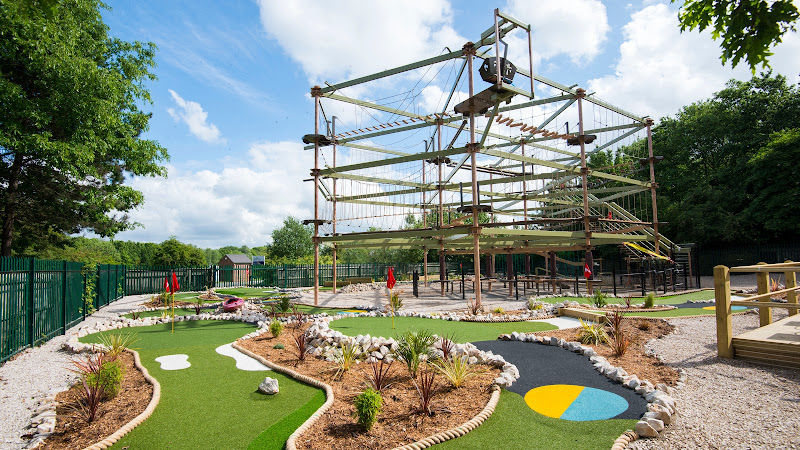
Holme Pierrepont Country Park, home of The National Water Sports Centre
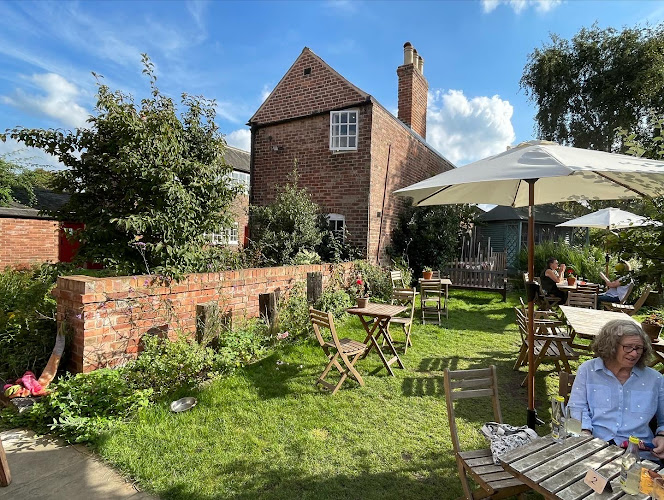
Framework Knitters Museum
Find Accommodations Nearby
Recommended Tours & Activities
Visitor Reviews
There are no reviews yet. Be the first one to write one.
Share Your Experience
Have you visited The Museum Of Curiosities? Help other travelers by leaving a review.