
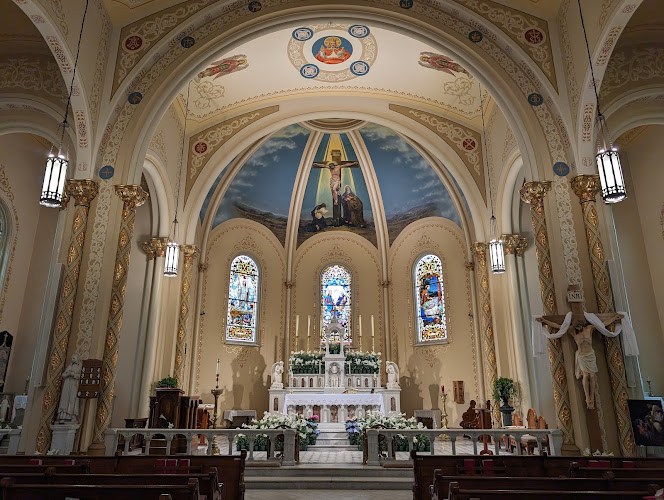
The Most Holy Trinity Catholic Church
About The Most Holy Trinity Catholic Church
Description
The Most Holy Trinity Catholic Church stands as one of those places that quietly leaves a mark on you, whether you arrive as a pilgrim, a curious traveler, or someone who just wandered in because the doors were open and the bells were ringing. It is, first and foremost, an active Catholic parish, which matters. This isn’t a museum pretending to be holy. It breathes, prays, sings, and sometimes gets a bit chaotic in the most human ways. And that’s honestly part of its charm.
From the outside, the church presents itself as a historical landmark, the kind that hints at stories layered over decades. Walk closer and you start noticing the details people often rush past: the worn stone steps, the subtle marks where generations of hands have touched the doors, the faint echo that spills out whenever Mass is in session. Inside, the atmosphere shifts. It’s calmer, heavier in a good way. Even if you’re not religious, you feel it. I remember stepping in once during a quiet weekday afternoon, thinking I’d stay five minutes. I stayed nearly an hour, just sitting there, listening to the low hum of the building.
The interior reflects traditional Catholic architecture, but without feeling stiff or overly formal. Light filters through stained glass in a way that changes depending on the time of day, and if you’re lucky enough to be there during late morning, you’ll see colors spill across the pews like a slow-moving painting. There’s a strong sense of continuity here, like the past and present are sharing the same space without arguing about it.
Travelers often appreciate that the church is not trying too hard to impress. It simply is what it is: a sacred place that welcomes visitors while still prioritizing its role as a house of worship. And yes, you’ll notice that most people leave with positive impressions. But it’s not perfect. Some visitors mention that it can feel crowded during peak Mass times, or that the schedule might be confusing at first. Fair points. Still, the overall experience leans heavily toward meaningful and memorable, especially if you give it a bit of patience.
Accessibility is also clearly a priority. Wheelchair-friendly entrances, parking, and restrooms make it easier for everyone to visit without stress. That matters more than people realize, especially when traveling with family or elderly companions. And as a tourist attraction, it manages to balance openness with reverence, which isn’t always easy to pull off.
Key Features
- Active Catholic parish with regular Mass services open to visitors
- Historically significant architecture that reflects traditional Catholic design
- Stained glass windows that change the mood of the interior throughout the day
- Wheelchair accessible entrance, parking lot, and restrooms
- Quiet spaces suitable for personal reflection or prayer
- On-site restrooms, which travelers always appreciate more than they admit
- A welcoming environment that doesn’t pressure visitors to participate
- Strong sense of community visible during services and events
Best Time to Visit
Timing your visit can make a big difference, depending on what you’re looking for. If you want to experience the church at its most alive, attending a weekend Mass is the way to go. Expect more people, more music, and a stronger sense of communal energy. But be prepared to stand or arrive early, because it does fill up. I once showed up ten minutes late and ended up leaning against a pillar for the entire service. Not ideal, but still oddly moving.
If you prefer quiet, aim for a weekday morning or early afternoon. These hours are calmer and give you space to explore the interior without feeling like you’re in anyone’s way. Photographers, take note: mid-morning light tends to be the most flattering, especially when it hits the stained glass. Late afternoon can be beautiful too, but it depends on the season.
Religious holidays bring their own atmosphere. Christmas, Easter, and other major feast days transform the church with additional decorations, music, and a buzz of anticipation. It’s special, no doubt, but also busier and sometimes overwhelming if you’re sensitive to crowds. So ask yourself what kind of experience you want: intimate and quiet, or full and festive.
And one small tip from experience: check the Mass schedule before you go. There’s nothing wrong with walking in during a service, but if you’re hoping to wander freely and take your time, it’s better to avoid those hours.
How to Get There
Getting to The Most Holy Trinity Catholic Church is generally straightforward, especially if you’re already exploring nearby attractions. Most travelers reach it by car, and the availability of wheelchair accessible parking makes arrival smoother for those who need it. Public transportation options typically run nearby as well, depending on where you’re coming from, and local taxi or rideshare services are familiar with the location.
If you enjoy walking, the church often fits nicely into a broader sightseeing route. I’ve always liked approaching it on foot, because you notice the transition from the surrounding streets into the quieter space around the church. It’s like your pace naturally slows down as you get closer. Cyclists can usually find spots to secure their bikes, though it’s best to be respectful and not block entrances or pathways.
One thing to keep in mind: traffic patterns can change during major services or events. If you’re driving, allow a bit of extra time, especially on weekends. It’s one of those places where rushing feels out of place anyway.
Tips for Visiting
First and foremost, remember that this is an active place of worship. Dress modestly, keep your voice down, and be mindful of what’s happening around you. You don’t need to be Catholic to visit, but a little respect goes a long way. I’ve seen tourists whisper, take photos discreetly, and sit quietly without issue. I’ve also seen the opposite. Guess which ones blend in better.
Photography is usually allowed when services are not in progress, but avoid flash and be aware of signage. If in doubt, ask. People here are generally friendly and happy to help, especially if you approach with curiosity instead of entitlement.
If you plan to attend Mass, you’re welcome to participate as much or as little as you feel comfortable. No one is watching you, despite what your nerves might tell you. Sit, stand, kneel when others do if you want, or simply observe. I’ve done both on different visits, depending on my mood and headspace.
Accessibility features are well thought out, but it’s still a good idea to arrive a bit early if you need assistance. That extra time can make the difference between a relaxed visit and a stressful one.
And finally, give yourself permission to linger. Sit in a pew. Look up at the ceiling. Read the small plaques or details you might otherwise ignore. Places like this aren’t meant to be rushed. They reward patience. Even if you walk out thinking, well, that wasn’t life-changing, you might notice later that it stuck with you. That’s usually how it works.
For travelers seeking more than just another photo stop, The Most Holy Trinity Catholic Church offers an experience rooted in history, faith, and everyday humanity. It’s not flashy. It’s not perfect. But it’s real. And sometimes, that’s exactly what you’re looking for when you’re far from home.
Key Features
- Active Catholic parish with regular Mass services open to visitors
- Historically significant architecture that reflects traditional Catholic design
- Stained glass windows that change the mood of the interior throughout the day
- Wheelchair accessible entrance, parking lot, and restrooms
- Quiet spaces suitable for personal reflection or prayer
- On-site restrooms, which travelers always appreciate more than they admit
- A welcoming environment that doesn’t pressure visitors to participate
- Strong sense of community visible during services and events
More Details
Updated December 31, 2025
Table of Contents
- Description
- Key Features
- Best Time to Visit
- How to Get There
- Tips for Visiting
- Key Highlights
- Location
- Places to Stay Near The Most Holy Trinity Catholic Church
- Find and Book a Tour
- Explore More Travel Guides
- Nearby Places You Might Like
- Traveler Reviews for The Most Holy Trinity Catholic Church
- Share Your Experience
Description
The Most Holy Trinity Catholic Church stands as one of those places that quietly leaves a mark on you, whether you arrive as a pilgrim, a curious traveler, or someone who just wandered in because the doors were open and the bells were ringing. It is, first and foremost, an active Catholic parish, which matters. This isn’t a museum pretending to be holy. It breathes, prays, sings, and sometimes gets a bit chaotic in the most human ways. And that’s honestly part of its charm.
From the outside, the church presents itself as a historical landmark, the kind that hints at stories layered over decades. Walk closer and you start noticing the details people often rush past: the worn stone steps, the subtle marks where generations of hands have touched the doors, the faint echo that spills out whenever Mass is in session. Inside, the atmosphere shifts. It’s calmer, heavier in a good way. Even if you’re not religious, you feel it. I remember stepping in once during a quiet weekday afternoon, thinking I’d stay five minutes. I stayed nearly an hour, just sitting there, listening to the low hum of the building.
The interior reflects traditional Catholic architecture, but without feeling stiff or overly formal. Light filters through stained glass in a way that changes depending on the time of day, and if you’re lucky enough to be there during late morning, you’ll see colors spill across the pews like a slow-moving painting. There’s a strong sense of continuity here, like the past and present are sharing the same space without arguing about it.
Travelers often appreciate that the church is not trying too hard to impress. It simply is what it is: a sacred place that welcomes visitors while still prioritizing its role as a house of worship. And yes, you’ll notice that most people leave with positive impressions. But it’s not perfect. Some visitors mention that it can feel crowded during peak Mass times, or that the schedule might be confusing at first. Fair points. Still, the overall experience leans heavily toward meaningful and memorable, especially if you give it a bit of patience.
Accessibility is also clearly a priority. Wheelchair-friendly entrances, parking, and restrooms make it easier for everyone to visit without stress. That matters more than people realize, especially when traveling with family or elderly companions. And as a tourist attraction, it manages to balance openness with reverence, which isn’t always easy to pull off.
Key Features
- Active Catholic parish with regular Mass services open to visitors
- Historically significant architecture that reflects traditional Catholic design
- Stained glass windows that change the mood of the interior throughout the day
- Wheelchair accessible entrance, parking lot, and restrooms
- Quiet spaces suitable for personal reflection or prayer
- On-site restrooms, which travelers always appreciate more than they admit
- A welcoming environment that doesn’t pressure visitors to participate
- Strong sense of community visible during services and events
Best Time to Visit
Timing your visit can make a big difference, depending on what you’re looking for. If you want to experience the church at its most alive, attending a weekend Mass is the way to go. Expect more people, more music, and a stronger sense of communal energy. But be prepared to stand or arrive early, because it does fill up. I once showed up ten minutes late and ended up leaning against a pillar for the entire service. Not ideal, but still oddly moving.
If you prefer quiet, aim for a weekday morning or early afternoon. These hours are calmer and give you space to explore the interior without feeling like you’re in anyone’s way. Photographers, take note: mid-morning light tends to be the most flattering, especially when it hits the stained glass. Late afternoon can be beautiful too, but it depends on the season.
Religious holidays bring their own atmosphere. Christmas, Easter, and other major feast days transform the church with additional decorations, music, and a buzz of anticipation. It’s special, no doubt, but also busier and sometimes overwhelming if you’re sensitive to crowds. So ask yourself what kind of experience you want: intimate and quiet, or full and festive.
And one small tip from experience: check the Mass schedule before you go. There’s nothing wrong with walking in during a service, but if you’re hoping to wander freely and take your time, it’s better to avoid those hours.
How to Get There
Getting to The Most Holy Trinity Catholic Church is generally straightforward, especially if you’re already exploring nearby attractions. Most travelers reach it by car, and the availability of wheelchair accessible parking makes arrival smoother for those who need it. Public transportation options typically run nearby as well, depending on where you’re coming from, and local taxi or rideshare services are familiar with the location.
If you enjoy walking, the church often fits nicely into a broader sightseeing route. I’ve always liked approaching it on foot, because you notice the transition from the surrounding streets into the quieter space around the church. It’s like your pace naturally slows down as you get closer. Cyclists can usually find spots to secure their bikes, though it’s best to be respectful and not block entrances or pathways.
One thing to keep in mind: traffic patterns can change during major services or events. If you’re driving, allow a bit of extra time, especially on weekends. It’s one of those places where rushing feels out of place anyway.
Tips for Visiting
First and foremost, remember that this is an active place of worship. Dress modestly, keep your voice down, and be mindful of what’s happening around you. You don’t need to be Catholic to visit, but a little respect goes a long way. I’ve seen tourists whisper, take photos discreetly, and sit quietly without issue. I’ve also seen the opposite. Guess which ones blend in better.
Photography is usually allowed when services are not in progress, but avoid flash and be aware of signage. If in doubt, ask. People here are generally friendly and happy to help, especially if you approach with curiosity instead of entitlement.
If you plan to attend Mass, you’re welcome to participate as much or as little as you feel comfortable. No one is watching you, despite what your nerves might tell you. Sit, stand, kneel when others do if you want, or simply observe. I’ve done both on different visits, depending on my mood and headspace.
Accessibility features are well thought out, but it’s still a good idea to arrive a bit early if you need assistance. That extra time can make the difference between a relaxed visit and a stressful one.
And finally, give yourself permission to linger. Sit in a pew. Look up at the ceiling. Read the small plaques or details you might otherwise ignore. Places like this aren’t meant to be rushed. They reward patience. Even if you walk out thinking, well, that wasn’t life-changing, you might notice later that it stuck with you. That’s usually how it works.
For travelers seeking more than just another photo stop, The Most Holy Trinity Catholic Church offers an experience rooted in history, faith, and everyday humanity. It’s not flashy. It’s not perfect. But it’s real. And sometimes, that’s exactly what you’re looking for when you’re far from home.
Key Highlights
- Active Catholic parish with regular Mass services open to visitors
- Historically significant architecture that reflects traditional Catholic design
- Stained glass windows that change the mood of the interior throughout the day
- Wheelchair accessible entrance, parking lot, and restrooms
- Quiet spaces suitable for personal reflection or prayer
- On-site restrooms, which travelers always appreciate more than they admit
- A welcoming environment that doesn’t pressure visitors to participate
- Strong sense of community visible during services and events
Location
Places to Stay Near The Most Holy Trinity Catholic Church
Find and Book a Tour
Explore More Travel Guides
No reviews found! Be the first to review!
Traveler Reviews for The Most Holy Trinity Catholic Church
There are no reviews yet. Be the first one to write one.
Have you visited The Most Holy Trinity Catholic Church? Help other travelers by sharing your review.
You Might Also Like
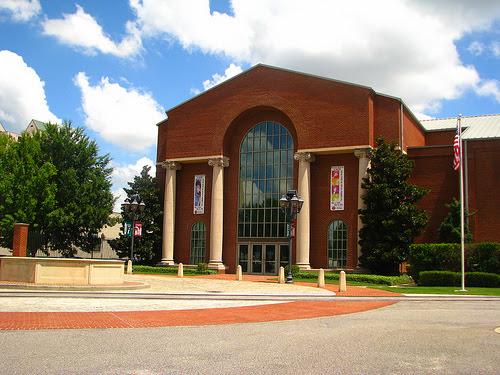
Augusta Museum of History
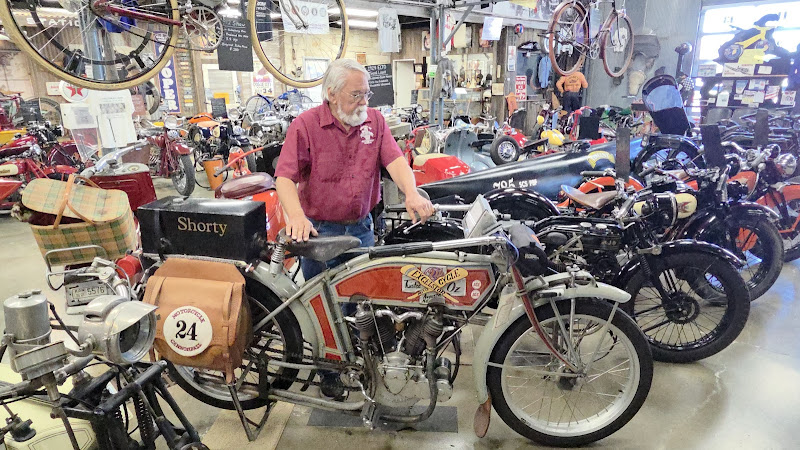
Twisted Oz Motorcycle Museum

Phinizy Swamp Nature Park
Find Accommodations Nearby
Recommended Tours & Activities
Visitor Reviews
There are no reviews yet. Be the first one to write one.
Share Your Experience
Have you visited The Most Holy Trinity Catholic Church? Help other travelers by leaving a review.