
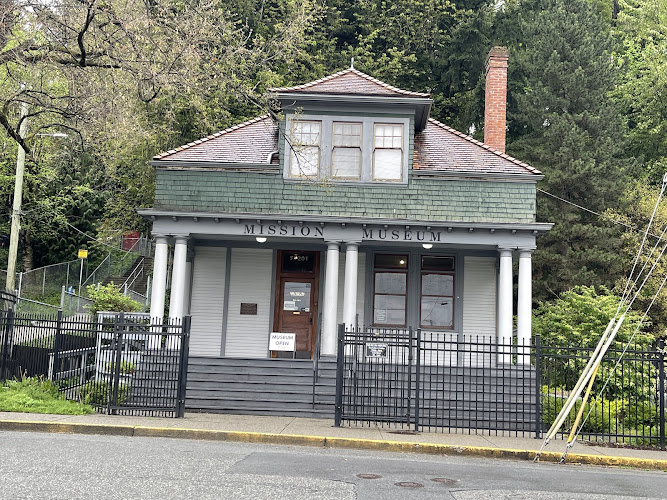
The Mission Museum
About The Mission Museum
Description
The Mission Museum isn’t the kind of place you rush through with one eye on your watch. It asks you to slow down. And honestly, that’s part of the charm. This heritage museum focuses on mission-era history, faith, and daily life, but it doesn’t feel like a dusty academic exercise. It feels lived-in. Like someone left the lights on and expects you to sit a while.
Walking through the museum, visitors are taken back to a time when missions were centers of community, labor, belief, and conflict. Exhibits cover religious artifacts, handcrafted tools, period clothing, and old documents that quietly tell complicated stories. And yeah, complicated is the right word. The museum doesn’t shy away from showing the good intentions, the cultural blending, and also the hard truths tied to mission history. That balance matters, especially if you’re traveling with kids or teens who ask good questions. Trust me, they will.
One thing that stands out is how personal the space feels. This isn’t a massive, echoing museum where you feel lost after five minutes. It’s more intimate, more thoughtful. On my last visit (and I say this as someone who usually skims museum labels), I found myself actually reading the plaques. Some displays include handwritten letters and restored religious items that carry visible wear. That wear tells its own story, more powerful than any polished replica.
The Mission Museum is also notably welcoming. Families, solo travelers, LGBTQ+ visitors, and history buffs all seem equally at ease here. There’s a respectful tone throughout, like the place understands it holds sacred and sensitive material. And that respect extends to visitors too. Nobody rushes you. Nobody makes you feel out of place if you’re not a history expert.
For travelers looking to understand the roots of the region rather than just snapping photos, this museum delivers. It’s not flashy. It doesn’t try to entertain you with gimmicks. Instead, it offers something quieter and, in a weird way, more memorable. You leave with context. And context makes every other stop on your trip feel richer.
Key Features
- Authentic mission-era artifacts, including religious objects, tools, and everyday items used by early settlers and Indigenous communities
- Interpretive exhibits that explore both spiritual life and daily routines within the mission system
- Family-friendly layout that allows kids to explore without feeling like they’re breaking museum rules every two seconds
- A welcoming environment for LGBTQ+ travelers and inclusive storytelling that avoids a single, narrow perspective
- Smaller, intimate exhibition rooms that encourage close-up viewing and reflection
- Free street parking nearby, which, let’s be honest, is a travel win these days
- Rotating displays and seasonal interpretive elements that give repeat visitors something new to notice
Best Time to Visit
If you’re planning your visit, timing can shape your experience more than you’d expect. The Mission Museum tends to be calm and unhurried, but mornings are especially peaceful. Early in the day, the light inside the galleries feels softer, and there’s more space to linger without interruption. If you’re the kind of traveler who likes to take notes, sketch, or just think quietly, aim for opening hours.
Weekdays are usually less busy than weekends. That said, weekends bring a slightly warmer, more social atmosphere, especially with families. I’ve overheard some genuinely thoughtful conversations between parents and kids, which is refreshing. No one’s just dragging children through for educational points. They’re actually engaged.
Seasonally, cooler months are ideal. Not because the museum is uncomfortable at other times, but because you’re likely pairing this visit with outdoor exploration nearby. When the weather’s mild, the museum feels like a natural pause in a longer day of sightseeing. During peak travel seasons, especially school holidays, expect a bit more foot traffic, though it never feels overwhelming.
And one personal note: avoid rushing in right before closing. I did that once, thinking a museum is a museum, how long could it take? Big mistake. You’ll want at least an hour, maybe more if you read deeply. Give it the time it deserves.
How to Get There
Getting to The Mission Museum is refreshingly straightforward, especially for travelers who don’t want logistical headaches. It’s accessible by car, with free street parking available nearby. That alone makes it appealing if you’re road-tripping or renting a car. Just be mindful of local signage and time limits, because nothing ruins a reflective museum visit like a parking ticket waiting outside.
If you’re using public transportation, the museum is reachable with a short walk from nearby transit stops. The walk itself is part of the experience. You get a sense of the surrounding neighborhood, which adds context to what you’re about to see inside. I always recommend looking around before you enter. Architecture, street layout, even the sounds of the area—all of it frames the museum experience.
For those staying close by, walking or cycling can be a pleasant option, depending on the season. Just note that the building isn’t fully accessible for wheelchair users, which is something travelers should factor into their planning. It’s an area where the museum still has room to grow, and being aware ahead of time helps avoid frustration.
Tips for Visiting
First tip, and I say this from experience: read more than you think you need to. The real stories are often in the smaller text panels, the ones people skim. Give yourself permission to slow down. Nobody’s judging.
If you’re visiting with kids, talk through what you’re seeing. Ask them what they notice. The museum doesn’t overwhelm young visitors with noise or screens, so conversation fills that space naturally. And honestly, kids often pick up on details adults miss.
There’s no restaurant or restroom on-site, so plan accordingly. Grab a coffee or use facilities before you arrive. It’s a small thing, but it makes the visit more comfortable. I learned that one the hard way.
Photography rules can vary by exhibit, so pay attention to signage. Even when photos are allowed, I’d argue this is a place where being present matters more than getting the perfect shot. Some moments are better kept in your head.
Because the museum is family-friendly and welcoming, it’s a good stop if you’re traveling with a mixed group. History lovers, casual tourists, and people who usually say “I’m not really into museums” tend to find common ground here. That’s rare.
Lastly, take a moment after your visit to reflect. Sit somewhere nearby, flip through your notes, or just think. The Mission Museum doesn’t shout its importance. It whispers. And those whispers stick with you longer than you expect.
Key Features
- Authentic mission-era artifacts, including religious objects, tools, and everyday items used by early settlers and Indigenous communities
- Interpretive exhibits that explore both spiritual life and daily routines within the mission system
- Family-friendly layout that allows kids to explore without feeling like they’re breaking museum rules every two seconds
- A welcoming environment for LGBTQ+ travelers and inclusive storytelling that avoids a single, narrow perspective
- Smaller, intimate exhibition rooms that encourage close-up viewing and reflection
- Free street parking nearby, which, let’s be honest, is a travel win these days
- Rotating displays and seasonal interpretive elements that give repeat visitors something new to notice
More Details
Updated January 1, 2026
Table of Contents
Description
The Mission Museum isn’t the kind of place you rush through with one eye on your watch. It asks you to slow down. And honestly, that’s part of the charm. This heritage museum focuses on mission-era history, faith, and daily life, but it doesn’t feel like a dusty academic exercise. It feels lived-in. Like someone left the lights on and expects you to sit a while.
Walking through the museum, visitors are taken back to a time when missions were centers of community, labor, belief, and conflict. Exhibits cover religious artifacts, handcrafted tools, period clothing, and old documents that quietly tell complicated stories. And yeah, complicated is the right word. The museum doesn’t shy away from showing the good intentions, the cultural blending, and also the hard truths tied to mission history. That balance matters, especially if you’re traveling with kids or teens who ask good questions. Trust me, they will.
One thing that stands out is how personal the space feels. This isn’t a massive, echoing museum where you feel lost after five minutes. It’s more intimate, more thoughtful. On my last visit (and I say this as someone who usually skims museum labels), I found myself actually reading the plaques. Some displays include handwritten letters and restored religious items that carry visible wear. That wear tells its own story, more powerful than any polished replica.
The Mission Museum is also notably welcoming. Families, solo travelers, LGBTQ+ visitors, and history buffs all seem equally at ease here. There’s a respectful tone throughout, like the place understands it holds sacred and sensitive material. And that respect extends to visitors too. Nobody rushes you. Nobody makes you feel out of place if you’re not a history expert.
For travelers looking to understand the roots of the region rather than just snapping photos, this museum delivers. It’s not flashy. It doesn’t try to entertain you with gimmicks. Instead, it offers something quieter and, in a weird way, more memorable. You leave with context. And context makes every other stop on your trip feel richer.
Key Features
- Authentic mission-era artifacts, including religious objects, tools, and everyday items used by early settlers and Indigenous communities
- Interpretive exhibits that explore both spiritual life and daily routines within the mission system
- Family-friendly layout that allows kids to explore without feeling like they’re breaking museum rules every two seconds
- A welcoming environment for LGBTQ+ travelers and inclusive storytelling that avoids a single, narrow perspective
- Smaller, intimate exhibition rooms that encourage close-up viewing and reflection
- Free street parking nearby, which, let’s be honest, is a travel win these days
- Rotating displays and seasonal interpretive elements that give repeat visitors something new to notice
Best Time to Visit
If you’re planning your visit, timing can shape your experience more than you’d expect. The Mission Museum tends to be calm and unhurried, but mornings are especially peaceful. Early in the day, the light inside the galleries feels softer, and there’s more space to linger without interruption. If you’re the kind of traveler who likes to take notes, sketch, or just think quietly, aim for opening hours.
Weekdays are usually less busy than weekends. That said, weekends bring a slightly warmer, more social atmosphere, especially with families. I’ve overheard some genuinely thoughtful conversations between parents and kids, which is refreshing. No one’s just dragging children through for educational points. They’re actually engaged.
Seasonally, cooler months are ideal. Not because the museum is uncomfortable at other times, but because you’re likely pairing this visit with outdoor exploration nearby. When the weather’s mild, the museum feels like a natural pause in a longer day of sightseeing. During peak travel seasons, especially school holidays, expect a bit more foot traffic, though it never feels overwhelming.
And one personal note: avoid rushing in right before closing. I did that once, thinking a museum is a museum, how long could it take? Big mistake. You’ll want at least an hour, maybe more if you read deeply. Give it the time it deserves.
How to Get There
Getting to The Mission Museum is refreshingly straightforward, especially for travelers who don’t want logistical headaches. It’s accessible by car, with free street parking available nearby. That alone makes it appealing if you’re road-tripping or renting a car. Just be mindful of local signage and time limits, because nothing ruins a reflective museum visit like a parking ticket waiting outside.
If you’re using public transportation, the museum is reachable with a short walk from nearby transit stops. The walk itself is part of the experience. You get a sense of the surrounding neighborhood, which adds context to what you’re about to see inside. I always recommend looking around before you enter. Architecture, street layout, even the sounds of the area—all of it frames the museum experience.
For those staying close by, walking or cycling can be a pleasant option, depending on the season. Just note that the building isn’t fully accessible for wheelchair users, which is something travelers should factor into their planning. It’s an area where the museum still has room to grow, and being aware ahead of time helps avoid frustration.
Tips for Visiting
First tip, and I say this from experience: read more than you think you need to. The real stories are often in the smaller text panels, the ones people skim. Give yourself permission to slow down. Nobody’s judging.
If you’re visiting with kids, talk through what you’re seeing. Ask them what they notice. The museum doesn’t overwhelm young visitors with noise or screens, so conversation fills that space naturally. And honestly, kids often pick up on details adults miss.
There’s no restaurant or restroom on-site, so plan accordingly. Grab a coffee or use facilities before you arrive. It’s a small thing, but it makes the visit more comfortable. I learned that one the hard way.
Photography rules can vary by exhibit, so pay attention to signage. Even when photos are allowed, I’d argue this is a place where being present matters more than getting the perfect shot. Some moments are better kept in your head.
Because the museum is family-friendly and welcoming, it’s a good stop if you’re traveling with a mixed group. History lovers, casual tourists, and people who usually say “I’m not really into museums” tend to find common ground here. That’s rare.
Lastly, take a moment after your visit to reflect. Sit somewhere nearby, flip through your notes, or just think. The Mission Museum doesn’t shout its importance. It whispers. And those whispers stick with you longer than you expect.
Key Highlights
- Authentic mission-era artifacts, including religious objects, tools, and everyday items used by early settlers and Indigenous communities
- Interpretive exhibits that explore both spiritual life and daily routines within the mission system
- Family-friendly layout that allows kids to explore without feeling like they’re breaking museum rules every two seconds
- A welcoming environment for LGBTQ+ travelers and inclusive storytelling that avoids a single, narrow perspective
- Smaller, intimate exhibition rooms that encourage close-up viewing and reflection
- Free street parking nearby, which, let’s be honest, is a travel win these days
- Rotating displays and seasonal interpretive elements that give repeat visitors something new to notice
Location
Places to Stay Near The Mission Museum
Find and Book a Tour
Explore More Travel Guides
No reviews found! Be the first to review!
Traveler Reviews for The Mission Museum
There are no reviews yet. Be the first one to write one.
Have you visited The Mission Museum? Help other travelers by sharing your review.
You Might Also Like
The Powerhouse at Stave Falls Visitor Centre
Bentsen-Rio Grande Valley State Park
Broadmoor Park
Find Accommodations Nearby
Recommended Tours & Activities
Visitor Reviews
There are no reviews yet. Be the first one to write one.
Share Your Experience
Have you visited The Mission Museum? Help other travelers by leaving a review.