

The Kelpies
About The Kelpies
Description
The Kelpies are one of those places that stop you mid-step. Literally. The first time this writer saw them, it was on a drizzly Scottish afternoon, the kind where the sky can’t quite decide what it’s doing. And there they were: two enormous horse heads, 30 meters high, rising out of a landscape of water and grass like something ancient and futuristic at the same time. You don’t just look at The Kelpies. You feel them. In your chest. In your sense of scale. They make you feel small, and oddly proud, all at once.
These steel sculptures sit beside a canal in a modern park, and that contrast is part of the magic. Horses, after all, are tied deeply into Scotland’s industrial and mythological past. The name comes from kelpies, shape-shifting water spirits from Scottish folklore, often appearing as powerful horses. But these sculptures aren’t spooky in a cheap way. They’re strong, precise, and quietly emotional. Designed by sculptor Andy Scott, they were completed in 2013 and quickly became one of the most photographed attractions in the country. And yes, they look incredible on Instagram. But they’re better in person. Trust me.
The park around The Kelpies is wide open, with paths, water features, and grassy expanses where kids run around and adults pretend they don’t want to sit down (they do). It feels intentionally spacious, like the sculptures need room to breathe. And you’ll notice how the light changes everything. Morning sun gives them a soft glow, while overcast skies make them dramatic and almost brooding. At night, they’re illuminated, and that’s a whole different mood. I once stayed longer than planned just to watch the lights shift. Lost track of time. No regrets.
Now, are The Kelpies perfect? No. Some travelers expect more shops, more cafés, more stuff to do. Others think the walk from the parking area is longer than they imagined. And yes, on busy days it can feel crowded. But the sheer presence of these sculptures tends to win people over. Even skeptics. Especially skeptics. They’re not trying to entertain you. They’re just there, unapologetically massive and beautifully made.
Key Features
There’s more going on here than two big horse heads. Look closer, linger longer, and you’ll notice details that make the visit worthwhile.
- 30-meter-high steel horse heads crafted from thousands of individual steel plates, layered to create texture and movement.
- Canal-side setting that connects the sculptures to Scotland’s industrial heritage and working waterways.
- Interior tours available at certain times, letting visitors step inside one of the sculptures and see the engineering up close (surprisingly moving, in a nerdy way).
- Night-time illumination that transforms the sculptures with shifting colors and shadows.
- Accessible pathways throughout the park, including wheelchair-accessible entrances, parking, and restrooms.
- Modern parkland design with water features, open lawns, and long walking paths for stretching your legs.
- Family-friendly atmosphere without feeling like a theme park or tourist trap.
One detail people often miss: the way the steel plates catch the wind and light. Up close, you see lines, curves, and shadows that make the horses feel almost alive. I’ve watched visitors run their hands along the metal, as if expecting warmth. It’s that kind of place.
Best Time to Visit
The Kelpies are open year-round, and honestly, each season brings its own personality. Summer offers longer days and better odds of clear weather, which is great if you want bright photos and leisurely walks. But summer also brings more people. Families, tour groups, the whole lot. If you don’t mind sharing space, it’s lively and pleasant.
Spring and autumn are personal favorites. The light is softer, the crowds thin out a bit, and the surrounding landscape changes color in a way that complements the steel beautifully. Autumn, especially, adds a golden-brown backdrop that makes the sculptures pop. I once visited in late October with leaves skittering across the path, and it felt quietly cinematic.
Winter is colder, yes. Sometimes wet. But winter visits have a moody charm. Fewer visitors, more space to think. And when the sculptures are lit up against a dark sky, it’s unforgettable. Just dress properly. Scotland doesn’t reward optimism when it comes to weather.
Time of day matters too. Early morning is calm and reflective, ideal if you want photos without crowds. Late afternoon into evening gives you that transition from daylight to illumination. If you can, aim for that window. Bring a hot drink. You’ll thank yourself.
How to Get There
Getting to The Kelpies is refreshingly straightforward, which is a blessing when you’re juggling maps, weather, and hunger. They’re well connected by road, and there’s a paid parking lot on site. The walk from parking to the sculptures is flat and manageable, though it feels longer when the wind picks up. That’s just Scotland saying hello.
Public transport is also an option, especially if you’re coming from nearby cities. Trains and buses run regularly to the area, followed by a walk through the park. The walk itself is part of the experience, easing you into the scale of the place. You’ll see the horse heads rising gradually in the distance, and that slow reveal is oddly satisfying.
Cyclists are welcome too, with paths connecting the park to surrounding routes. I’ve chatted with a couple who cycled in on a whim and ended up staying for hours. Sometimes the best visits are the unplanned ones.
For those with mobility needs, the site is thoughtfully designed. Paths are smooth, entrances are accessible, and facilities accommodate wheelchairs. It’s clear that accessibility wasn’t an afterthought here, and that matters.
Tips for Visiting
If you want to get the most out of your visit to The Kelpies, a little planning goes a long way. Not overplanning. Just enough.
Dress for the weather. This sounds obvious, but it’s worth repeating. Wind can cut across the open park, and rain has a habit of appearing uninvited. Layers are your friend. So is a hood.
Give yourself time. Many people think this is a quick stop. It can be, but it shouldn’t be. Walk around. Sit on a bench. Watch how other people react. There’s something oddly enjoyable about seeing first-time visitors look up and just laugh in disbelief.
Visit at night if you can. The lighting adds drama and changes the entire feel of the place. It’s not just a photo opportunity; it’s a different experience.
Consider an interior tour. If available during your visit, it’s worth it. Standing inside the structure gives you a whole new appreciation for the craftsmanship and scale. Plus, it’s one of those things you’ll mention later and sound slightly smug about.
Bring snacks or plan food elsewhere. Onsite options can be limited, especially outside peak season. I’ve learned this the hard way. A granola bar can save your mood.
Respect the space. It’s tempting to climb, touch everything, or wander off paths. But the site works best when everyone treats it with a bit of care. And honestly, it deserves that.
One last personal note: The Kelpies grow on you. Even if your first reaction is a shrug, give them time. Walk a full circle around each head. Look from different angles. Let the scale sink in. This isn’t just a tourist attraction; it’s a statement about history, labor, myth, and modern Scotland. And it doesn’t shout. It just stands there, massive and calm, waiting for you to notice.
By the time you leave, you might find yourself glancing back over your shoulder. I always do. Just to make sure they’re still there. They always are.
Key Features
- Key Features
- Best Time to Visit
- How to Get There
- Tips for Visiting
More Details
Updated December 31, 2025
Table of Contents
Description
The Kelpies are one of those places that stop you mid-step. Literally. The first time this writer saw them, it was on a drizzly Scottish afternoon, the kind where the sky can’t quite decide what it’s doing. And there they were: two enormous horse heads, 30 meters high, rising out of a landscape of water and grass like something ancient and futuristic at the same time. You don’t just look at The Kelpies. You feel them. In your chest. In your sense of scale. They make you feel small, and oddly proud, all at once.
These steel sculptures sit beside a canal in a modern park, and that contrast is part of the magic. Horses, after all, are tied deeply into Scotland’s industrial and mythological past. The name comes from kelpies, shape-shifting water spirits from Scottish folklore, often appearing as powerful horses. But these sculptures aren’t spooky in a cheap way. They’re strong, precise, and quietly emotional. Designed by sculptor Andy Scott, they were completed in 2013 and quickly became one of the most photographed attractions in the country. And yes, they look incredible on Instagram. But they’re better in person. Trust me.
The park around The Kelpies is wide open, with paths, water features, and grassy expanses where kids run around and adults pretend they don’t want to sit down (they do). It feels intentionally spacious, like the sculptures need room to breathe. And you’ll notice how the light changes everything. Morning sun gives them a soft glow, while overcast skies make them dramatic and almost brooding. At night, they’re illuminated, and that’s a whole different mood. I once stayed longer than planned just to watch the lights shift. Lost track of time. No regrets.
Now, are The Kelpies perfect? No. Some travelers expect more shops, more cafés, more stuff to do. Others think the walk from the parking area is longer than they imagined. And yes, on busy days it can feel crowded. But the sheer presence of these sculptures tends to win people over. Even skeptics. Especially skeptics. They’re not trying to entertain you. They’re just there, unapologetically massive and beautifully made.
Key Features
There’s more going on here than two big horse heads. Look closer, linger longer, and you’ll notice details that make the visit worthwhile.
- 30-meter-high steel horse heads crafted from thousands of individual steel plates, layered to create texture and movement.
- Canal-side setting that connects the sculptures to Scotland’s industrial heritage and working waterways.
- Interior tours available at certain times, letting visitors step inside one of the sculptures and see the engineering up close (surprisingly moving, in a nerdy way).
- Night-time illumination that transforms the sculptures with shifting colors and shadows.
- Accessible pathways throughout the park, including wheelchair-accessible entrances, parking, and restrooms.
- Modern parkland design with water features, open lawns, and long walking paths for stretching your legs.
- Family-friendly atmosphere without feeling like a theme park or tourist trap.
One detail people often miss: the way the steel plates catch the wind and light. Up close, you see lines, curves, and shadows that make the horses feel almost alive. I’ve watched visitors run their hands along the metal, as if expecting warmth. It’s that kind of place.
Best Time to Visit
The Kelpies are open year-round, and honestly, each season brings its own personality. Summer offers longer days and better odds of clear weather, which is great if you want bright photos and leisurely walks. But summer also brings more people. Families, tour groups, the whole lot. If you don’t mind sharing space, it’s lively and pleasant.
Spring and autumn are personal favorites. The light is softer, the crowds thin out a bit, and the surrounding landscape changes color in a way that complements the steel beautifully. Autumn, especially, adds a golden-brown backdrop that makes the sculptures pop. I once visited in late October with leaves skittering across the path, and it felt quietly cinematic.
Winter is colder, yes. Sometimes wet. But winter visits have a moody charm. Fewer visitors, more space to think. And when the sculptures are lit up against a dark sky, it’s unforgettable. Just dress properly. Scotland doesn’t reward optimism when it comes to weather.
Time of day matters too. Early morning is calm and reflective, ideal if you want photos without crowds. Late afternoon into evening gives you that transition from daylight to illumination. If you can, aim for that window. Bring a hot drink. You’ll thank yourself.
How to Get There
Getting to The Kelpies is refreshingly straightforward, which is a blessing when you’re juggling maps, weather, and hunger. They’re well connected by road, and there’s a paid parking lot on site. The walk from parking to the sculptures is flat and manageable, though it feels longer when the wind picks up. That’s just Scotland saying hello.
Public transport is also an option, especially if you’re coming from nearby cities. Trains and buses run regularly to the area, followed by a walk through the park. The walk itself is part of the experience, easing you into the scale of the place. You’ll see the horse heads rising gradually in the distance, and that slow reveal is oddly satisfying.
Cyclists are welcome too, with paths connecting the park to surrounding routes. I’ve chatted with a couple who cycled in on a whim and ended up staying for hours. Sometimes the best visits are the unplanned ones.
For those with mobility needs, the site is thoughtfully designed. Paths are smooth, entrances are accessible, and facilities accommodate wheelchairs. It’s clear that accessibility wasn’t an afterthought here, and that matters.
Tips for Visiting
If you want to get the most out of your visit to The Kelpies, a little planning goes a long way. Not overplanning. Just enough.
Dress for the weather. This sounds obvious, but it’s worth repeating. Wind can cut across the open park, and rain has a habit of appearing uninvited. Layers are your friend. So is a hood.
Give yourself time. Many people think this is a quick stop. It can be, but it shouldn’t be. Walk around. Sit on a bench. Watch how other people react. There’s something oddly enjoyable about seeing first-time visitors look up and just laugh in disbelief.
Visit at night if you can. The lighting adds drama and changes the entire feel of the place. It’s not just a photo opportunity; it’s a different experience.
Consider an interior tour. If available during your visit, it’s worth it. Standing inside the structure gives you a whole new appreciation for the craftsmanship and scale. Plus, it’s one of those things you’ll mention later and sound slightly smug about.
Bring snacks or plan food elsewhere. Onsite options can be limited, especially outside peak season. I’ve learned this the hard way. A granola bar can save your mood.
Respect the space. It’s tempting to climb, touch everything, or wander off paths. But the site works best when everyone treats it with a bit of care. And honestly, it deserves that.
One last personal note: The Kelpies grow on you. Even if your first reaction is a shrug, give them time. Walk a full circle around each head. Look from different angles. Let the scale sink in. This isn’t just a tourist attraction; it’s a statement about history, labor, myth, and modern Scotland. And it doesn’t shout. It just stands there, massive and calm, waiting for you to notice.
By the time you leave, you might find yourself glancing back over your shoulder. I always do. Just to make sure they’re still there. They always are.
Key Highlights
- Key Features
- Best Time to Visit
- How to Get There
- Tips for Visiting
Location
Places to Stay Near The Kelpies
Find and Book a Tour
Explore More Travel Guides
No reviews found! Be the first to review!
Traveler Reviews for The Kelpies
There are no reviews yet. Be the first one to write one.
Have you visited The Kelpies? Help other travelers by sharing your review.
You Might Also Like
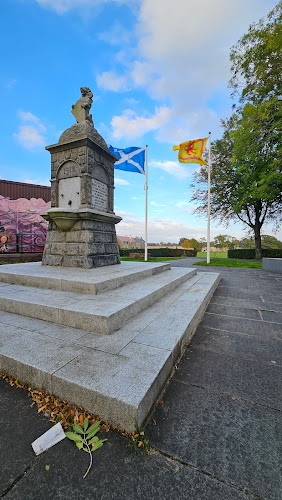
Sir John de Graeme Memorial Fountain
FK1 4RS
Find Accommodations Nearby
Recommended Tours & Activities
Visitor Reviews
There are no reviews yet. Be the first one to write one.
Share Your Experience
Have you visited The Kelpies? Help other travelers by leaving a review.