
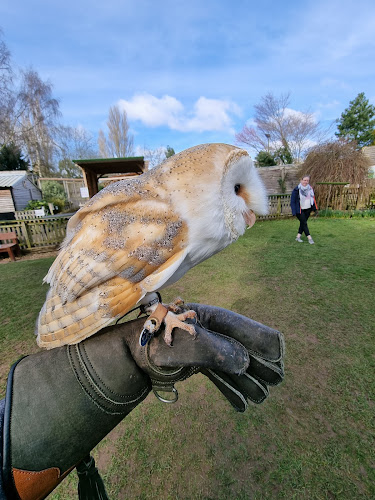
The Falconry Centre
About The Falconry Centre
Description
The Falconry Centre is one of those places that quietly surprises you. It’s not flashy or overly commercial—it’s genuine, full of heart, and entirely about the birds and the people who care for them. Tucked away in the countryside near Stourbridge, this attraction offers an up-close look at some of the most majestic creatures on earth. You can sense the passion of the handlers the moment you step inside. There’s something grounding about hearing the rustle of feathers and the soft whistle of wings cutting through the air. It’s not just about watching birds fly—it’s about understanding their world, their instincts, and their relationship with humans.
Visitors often find themselves completely absorbed in the flying displays. You might see hawks slicing through the sky or an owl gliding silently just inches above your head. It’s both thrilling and oddly peaceful. The handlers explain each bird’s story—where it came from, how it hunts, and what makes it unique. You can tell these people love what they do. Their enthusiasm is contagious, and by the end of the day, even those who came just for a quick visit end up staying longer than planned.
What makes this place stand out is its authenticity. It’s not a massive zoo or a theme park; it’s intimate, educational, and personal. You can actually feel the connection between the staff and the birds. And while it’s very family-friendly, it doesn’t feel overly “for kids” either—adults get just as much out of it. The centre’s setup is simple but well-maintained, with easy walking paths and plenty of space to sit and watch. Accessibility is thoughtfully planned too, which is always appreciated. The staff go out of their way to make sure everyone feels welcome, whether you’re visiting with small children, grandparents, or someone with mobility needs.
Now, not every visit is picture-perfect. Some people expect a large-scale attraction and are surprised by its smaller size. But honestly, that’s part of its charm. It’s personal. You can hear the trainers chatting with guests between shows, and if you’re curious, they’ll happily answer every question you throw at them. The birds are clearly well cared for—healthy, alert, and beautifully kept. And there’s something very special about seeing creatures like eagles, falcons, and owls up close, not behind glass but right there in the open air.
It’s a place that leaves an impression. You walk away not just entertained but a little more connected to nature. Whether you’re a bird enthusiast or just someone looking for a peaceful day out, The Falconry Centre offers an experience that feels refreshingly real and heartfelt.
Key Features
- Daily Flying Displays: Watch expertly trained birds of prey soar, dive, and perform in engaging demonstrations that highlight their natural skills.
- Interactive Experiences: Visitors can often get hands-on opportunities to handle certain birds under supervision, adding a personal touch to the visit.
- Educational Talks: Friendly staff share fascinating insights into the biology, behavior, and conservation of various bird species.
- Family-Friendly Environment: Safe and enjoyable for children, with plenty of learning opportunities that don’t feel like lessons.
- Accessibility: Wheelchair-friendly paths, accessible parking, and considerate facilities for all visitors.
- Payment Options: Accepts credit cards, debit cards, and contactless payments for convenience.
- Special Events: Ideal for birthdays and small group visits, offering unique experiences that are memorable for kids and adults alike.
- Onsite Services: Staff available throughout the day to assist, guide, and answer questions about the birds or the centre’s programs.
Best Time to Visit
Honestly, there isn’t a bad time to visit The Falconry Centre—but some seasons do have a little extra magic. Spring and early summer are particularly lovely because the birds are at their most active and the countryside around the centre is bursting with life. The air feels fresh, the grass is that deep, lush green, and the displays seem even more dynamic under the bright sky. If you go in autumn, you’ll get that crisp air and golden light that makes the flying shows look cinematic. And in winter, while it’s quieter, it can feel almost serene—fewer crowds, a slower pace, and a chance to soak in the atmosphere without distraction.
Weekdays tend to be calmer than weekends, which might suit those who prefer a more relaxed experience. But if you’re bringing kids, the weekends often have extra demonstrations and activities that make it worth the buzz. My personal tip? Go in the morning. The birds are lively, and you’ll have more time to linger afterward, maybe grab a snack or chat with the handlers. Plus, the lighting for photos is just perfect then.
How to Get There
Getting to The Falconry Centre is pretty straightforward, especially if you’re driving. It’s located just off a main road that connects easily to nearby towns and major routes. There’s parking available on-site, and it’s well-marked, so you won’t be circling endlessly trying to find a spot. For those relying on public transport, local bus routes stop within walking distance, though it’s worth checking the schedule ahead of time since rural services can be a bit irregular. If you’re coming from a nearby city, consider taking the train to Stourbridge and then a short taxi ride—super easy and convenient.
Once you arrive, the entrance is clearly signposted, and the staff at the gate are friendly and helpful. It’s one of those places where you instantly feel at ease, even if you’re not familiar with the area. And because it’s surrounded by countryside, the drive there is pretty scenic too. I’ve done it a few times, and every time I find myself slowing down just to enjoy the views—rolling fields, hedgerows, a few curious sheep along the way. It sets the tone perfectly for what’s to come.
Tips for Visiting
Here’s the thing about visiting The Falconry Centre—you’ll get the most out of it if you come prepared to slow down and really watch. Don’t rush from one display to the next. Instead, take your time between shows to wander around, read the info boards, and chat with the handlers. They’ve got some great stories up their sleeves, and they’re more than happy to share them. If you’re lucky, they might even let you hold one of the birds (under supervision, of course). It’s a moment you won’t forget.
Wear comfortable shoes—most of the paths are level, but you’ll be on your feet quite a bit. Bring a jacket too; the British weather can be unpredictable, and you don’t want a sudden drizzle to catch you off guard. If you’re into photography, bring a good zoom lens. The birds move fast, and capturing them mid-flight is a real thrill. But even if you’re just snapping with your phone, you’ll still come away with some great shots.
For families, plan your visit around the showtimes. The flying displays are the highlight, and missing one would be a shame. The schedule is usually posted at the entrance, so check it first thing. And if you’re celebrating a birthday or special occasion, mention it when you book or arrive—they sometimes add a little extra magic to the experience for special guests.
One last thing—don’t forget to stop by the small gift area before you leave. It’s not your typical tourist shop; you’ll find thoughtful souvenirs, books about birds, and sometimes even handmade crafts. Buying something there helps support the centre and its conservation work, which feels good knowing your visit contributes to something meaningful.
All in all, The Falconry Centre is one of those rare attractions that manages to be both educational and genuinely enjoyable. It’s not about glitz or gimmicks—it’s about real experiences, real animals, and real people who care deeply about what they do. Whether you’re a local looking for a peaceful day out or a traveler exploring the English countryside, this place is worth your time. And who knows—you might just leave with a newfound appreciation for the ancient art of falconry and the incredible birds that make it possible.
Key Features
- Key Features
- Best Time to Visit
- How to Get There
- Tips for Visiting
More Details
Updated November 7, 2025
Table of Contents
- Description
- Key Features
- Best Time to Visit
- How to Get There
- Tips for Visiting
- Key Highlights
- Location
- Places to Stay Near The Falconry Centre
- Find and Book a Tour
- Explore More Travel Guides
- African Bird of Prey Sanctuary (Now African Raptor Centre): What to Know Before You Go
- Where it is now (2024–2025 update)
- Why this centre matters
- What you’ll experience (and how to plan it)
- 1) Walk-through enclosures and species diversity
- 2) Flight demonstrations (weather dependent)
- 3) Small-group interpretation
- Practicalities: getting in, booking, and timing
- Responsible-travel notes that actually help
- Background: why the move happened
- How to verify details before you go (and avoid stale info)
- Bottom line
- Nearby Places You Might Like
- Traveler Reviews for The Falconry Centre
- Share Your Experience
Description
The Falconry Centre is one of those places that quietly surprises you. It’s not flashy or overly commercial—it’s genuine, full of heart, and entirely about the birds and the people who care for them. Tucked away in the countryside near Stourbridge, this attraction offers an up-close look at some of the most majestic creatures on earth. You can sense the passion of the handlers the moment you step inside. There’s something grounding about hearing the rustle of feathers and the soft whistle of wings cutting through the air. It’s not just about watching birds fly—it’s about understanding their world, their instincts, and their relationship with humans.
Visitors often find themselves completely absorbed in the flying displays. You might see hawks slicing through the sky or an owl gliding silently just inches above your head. It’s both thrilling and oddly peaceful. The handlers explain each bird’s story—where it came from, how it hunts, and what makes it unique. You can tell these people love what they do. Their enthusiasm is contagious, and by the end of the day, even those who came just for a quick visit end up staying longer than planned.
What makes this place stand out is its authenticity. It’s not a massive zoo or a theme park; it’s intimate, educational, and personal. You can actually feel the connection between the staff and the birds. And while it’s very family-friendly, it doesn’t feel overly “for kids” either—adults get just as much out of it. The centre’s setup is simple but well-maintained, with easy walking paths and plenty of space to sit and watch. Accessibility is thoughtfully planned too, which is always appreciated. The staff go out of their way to make sure everyone feels welcome, whether you’re visiting with small children, grandparents, or someone with mobility needs.
Now, not every visit is picture-perfect. Some people expect a large-scale attraction and are surprised by its smaller size. But honestly, that’s part of its charm. It’s personal. You can hear the trainers chatting with guests between shows, and if you’re curious, they’ll happily answer every question you throw at them. The birds are clearly well cared for—healthy, alert, and beautifully kept. And there’s something very special about seeing creatures like eagles, falcons, and owls up close, not behind glass but right there in the open air.
It’s a place that leaves an impression. You walk away not just entertained but a little more connected to nature. Whether you’re a bird enthusiast or just someone looking for a peaceful day out, The Falconry Centre offers an experience that feels refreshingly real and heartfelt.
Key Features
- Daily Flying Displays: Watch expertly trained birds of prey soar, dive, and perform in engaging demonstrations that highlight their natural skills.
- Interactive Experiences: Visitors can often get hands-on opportunities to handle certain birds under supervision, adding a personal touch to the visit.
- Educational Talks: Friendly staff share fascinating insights into the biology, behavior, and conservation of various bird species.
- Family-Friendly Environment: Safe and enjoyable for children, with plenty of learning opportunities that don’t feel like lessons.
- Accessibility: Wheelchair-friendly paths, accessible parking, and considerate facilities for all visitors.
- Payment Options: Accepts credit cards, debit cards, and contactless payments for convenience.
- Special Events: Ideal for birthdays and small group visits, offering unique experiences that are memorable for kids and adults alike.
- Onsite Services: Staff available throughout the day to assist, guide, and answer questions about the birds or the centre’s programs.
Best Time to Visit
Honestly, there isn’t a bad time to visit The Falconry Centre—but some seasons do have a little extra magic. Spring and early summer are particularly lovely because the birds are at their most active and the countryside around the centre is bursting with life. The air feels fresh, the grass is that deep, lush green, and the displays seem even more dynamic under the bright sky. If you go in autumn, you’ll get that crisp air and golden light that makes the flying shows look cinematic. And in winter, while it’s quieter, it can feel almost serene—fewer crowds, a slower pace, and a chance to soak in the atmosphere without distraction.
Weekdays tend to be calmer than weekends, which might suit those who prefer a more relaxed experience. But if you’re bringing kids, the weekends often have extra demonstrations and activities that make it worth the buzz. My personal tip? Go in the morning. The birds are lively, and you’ll have more time to linger afterward, maybe grab a snack or chat with the handlers. Plus, the lighting for photos is just perfect then.
How to Get There
Getting to The Falconry Centre is pretty straightforward, especially if you’re driving. It’s located just off a main road that connects easily to nearby towns and major routes. There’s parking available on-site, and it’s well-marked, so you won’t be circling endlessly trying to find a spot. For those relying on public transport, local bus routes stop within walking distance, though it’s worth checking the schedule ahead of time since rural services can be a bit irregular. If you’re coming from a nearby city, consider taking the train to Stourbridge and then a short taxi ride—super easy and convenient.
Once you arrive, the entrance is clearly signposted, and the staff at the gate are friendly and helpful. It’s one of those places where you instantly feel at ease, even if you’re not familiar with the area. And because it’s surrounded by countryside, the drive there is pretty scenic too. I’ve done it a few times, and every time I find myself slowing down just to enjoy the views—rolling fields, hedgerows, a few curious sheep along the way. It sets the tone perfectly for what’s to come.
Tips for Visiting
Here’s the thing about visiting The Falconry Centre—you’ll get the most out of it if you come prepared to slow down and really watch. Don’t rush from one display to the next. Instead, take your time between shows to wander around, read the info boards, and chat with the handlers. They’ve got some great stories up their sleeves, and they’re more than happy to share them. If you’re lucky, they might even let you hold one of the birds (under supervision, of course). It’s a moment you won’t forget.
Wear comfortable shoes—most of the paths are level, but you’ll be on your feet quite a bit. Bring a jacket too; the British weather can be unpredictable, and you don’t want a sudden drizzle to catch you off guard. If you’re into photography, bring a good zoom lens. The birds move fast, and capturing them mid-flight is a real thrill. But even if you’re just snapping with your phone, you’ll still come away with some great shots.
For families, plan your visit around the showtimes. The flying displays are the highlight, and missing one would be a shame. The schedule is usually posted at the entrance, so check it first thing. And if you’re celebrating a birthday or special occasion, mention it when you book or arrive—they sometimes add a little extra magic to the experience for special guests.
One last thing—don’t forget to stop by the small gift area before you leave. It’s not your typical tourist shop; you’ll find thoughtful souvenirs, books about birds, and sometimes even handmade crafts. Buying something there helps support the centre and its conservation work, which feels good knowing your visit contributes to something meaningful.
All in all, The Falconry Centre is one of those rare attractions that manages to be both educational and genuinely enjoyable. It’s not about glitz or gimmicks—it’s about real experiences, real animals, and real people who care deeply about what they do. Whether you’re a local looking for a peaceful day out or a traveler exploring the English countryside, this place is worth your time. And who knows—you might just leave with a newfound appreciation for the ancient art of falconry and the incredible birds that make it possible.
Key Highlights
- Key Features
- Best Time to Visit
- How to Get There
- Tips for Visiting
Location
Places to Stay Near The Falconry Centre
Find and Book a Tour
Explore More Travel Guides
No reviews found! Be the first to review!
African Bird of Prey Sanctuary (Now African Raptor Centre): What to Know Before You Go
Quick truth first: Listings still show the African Bird of Prey Sanctuary on Lion Park Road, Pietermaritzburg. That site closed to the public in December 2023 after land invasions made operations unsafe. The team has relocated and is open to visitors as the African Raptor Centre (ARC) inside Tala Collection Game Reserve near Camperdown/Pietermaritzburg. If you plug the old address into Maps, you’ll end up at a shuttered gate. oai_citation:0‡Atlas Obscura
Where it is now (2024–2025 update)
- Current venue: African Raptor Centre, Tala Collection Game Reserve (Figtree Lodge area), R603 Umbumbulu Road, Camperdown. oai_citation:1‡Facebook
- Status: Open to visitors; ARC runs education-focused enclosures and flight demonstrations (weather and bird-conditioning dependent). oai_citation:2‡Atlas Obscura
- Operating window commonly shown: 9:00–15:00 (check before you go; hours can shift for programs, weather, or events). oai_citation:3‡Wanderlog
- Booking note: ARC and Tala have signposted “booking essential” in recent updates; use the published Tala Reservation contacts (phone/email) linked from ARC’s pages. oai_citation:4‡Facebook
Outdated data to flag: The Lion Park Road address (and older coordinates near -29.6770935, 30.5143756) still appear across travel directories; those point to the former Sanctuary site and are no longer valid for visits. oai_citation:5‡cascadeslifestylecentre.com
Why this centre matters
ARC is a working raptor conservation facility—not a theme park. The team rehabilitates injured birds of prey, runs research, and flies ambassador birds so the public can see raptors up close and understand their threats and ecology. Demonstrations are used for education, not entertainment, and many projects run out of public view to improve release outcomes. oai_citation:6‡Atlas Obscura
A signature effort tied to the ARC lineage is Bred4theWild, focused on the Critically Endangered Bearded Vulture of the Maloti–Drakensberg. That project has moved to Underberg (cooler climate, breeding-focused facilities); the founder breeding group’s vultures were transferred there, and field partners continue controlled second-egg harvesting to build a viable captive population for future releases. oai_citation:7‡The Witness
What you’ll experience (and how to plan it)
1) Walk-through enclosures and species diversity
Expect species-specific aviaries housing non-releasable or captive-bred raptors—owls, eagles, kestrels, buzzards, and sometimes vultures—curated for close viewing and interpretation. The emphasis is on indigenous southern African raptors and the everyday realities of rescue and rehabilitation. oai_citation:8‡Atlas Obscura
Planning tip: The grounds are inside a Big-Five-free game reserve famous for antelope, giraffe, and birdlife. Pair your ARC visit with a Tala game drive or lunch stop to make a full day. (ARC presence within Tala is confirmed in 2024–2025 updates.) oai_citation:9‡The Witness
2) Flight demonstrations (weather dependent)
ARC flies a trained cohort of raptors as ambassadors during scheduled displays. These demos are weather-dependent; if heat, wind, or rain spikes, the team will not fly for the birds’ welfare. Plan flexibility into your day and confirm on the morning of your visit. oai_citation:10‡Atlas Obscura
3) Small-group interpretation
Recent visitor reports highlight guided explanations and construction of new enclosures as the centre beds into its Tala site. If you’re focused on photography or bird behavior, arrive early, bring a long lens, and ask about vantage points that respect animal welfare and flight paths. oai_citation:11‡Wanderlog
Practicalities: getting in, booking, and timing
- Advance contact: ARC and Tala comms emphasize pre-booking. Use the Tala switchboard/booking email referenced in ARC’s social posts to secure your slot, especially over weekends and holidays. oai_citation:12‡Facebook
- Hours: Social listings commonly show 09:00–15:00; ARC programming can alter start times (e.g., flight demo windows). Verify the day before. oai_citation:13‡Wanderlog
- Pricing: Third-party aggregators sometimes surface ballpark figures; treat these as indicative only—confirm direct at booking to avoid surprises. (Aggregator snapshots exist but are not official.) oai_citation:14‡Wanderlog
- Wayfinding: Navigate to Tala Collection Game Reserve (R603) and follow on-reserve signage to the African Raptor Centre / Figtree Lodge precinct. oai_citation:15‡Facebook
- Accessibility: Paths are generally level but outdoors; ask in advance about mobility access and seating near the flight area so staff can position you appropriately. (Programme details vary; call ahead.) oai_citation:16‡Atlas Obscura
Responsible-travel notes that actually help
- Weather & heat: KZN heat can clip flying windows. Morning slots often give you better light, cooler air, and more predictable bird conditioning. (ARC explicitly notes weather-dependence for flights.) oai_citation:17‡Atlas Obscura
- Noise discipline: Raptors cue off subtle signals. Keep voices low, devices on silent, and avoid flash during flights to protect the birds’ training and welfare. oai_citation:18‡Atlas Obscura
- Donations & adoptions: If you care about impact, ask about donation channels or program support—especially for bearded vulture conservation via Bred4theWild. oai_citation:19‡Bred 4 The Wild
- Photography ethics: Long lenses over close approaches; never lean on aviaries or push for “reaction shots.” The goal is education and conservation, not content at any cost. oai_citation:20‡Atlas Obscura
Background: why the move happened
- Closure of the old Sanctuary site (Lion Park Road): After nearly two decades, the former Sanctuary closed to the public in December 2023 due to escalating illegal land invasions near the property that compromised safety and operations. oai_citation:21‡Atlas Obscura
- Relocation to Tala (2024): ARC accepted space within Tala Collection Game Reserve, citing the security and stability needed to continue its work. Local media covered the move and the centre’s “new chapter” through 2024–2025. oai_citation:22‡The Witness
- Bred4theWild to Underberg: The bearded vulture breeding programme shifted to Underberg, where climate and isolation better support chicks and breeding pairs. oai_citation:23‡The Witness
How to verify details before you go (and avoid stale info)
- Check ARC’s social channels for same-day hours/flight windows and any weather cancellations. Look for posts referencing Tala Collection Game Reserve. oai_citation:24‡Facebook
- Call or email the Tala bookings team flagged on ARC posts to lock in a slot and get current pricing. oai_citation:25‡Facebook
- Ignore third-party maps still pinning Lion Park Road; those are archival. Navigate to Tala (R603) instead. oai_citation:26‡cascadeslifestylecentre.com
Bottom line
If you’re planning a KwaZulu-Natal itinerary and want a high-signal, conservation-first experience, put the African Raptor Centre at Tala on your list. You’ll get expert interpretation, the chance to watch raptors fly when conditions allow, and a direct way to support southern Africa’s most at-risk birds—from owls and eagles to the Critically Endangered bearded vulture through the ARC-linked breeding programme in Underberg. Book ahead, arrive early, and treat aggregator hours/prices as unverified until confirmed directly. oai_citation:27‡Atlas Obscura
Factual accuracy & recency note: This guide reflects post-relocation operations (2024–2025) and the closure of the former Lion Park Road site in December 2023. If you encounter any listing that still references the old Sanctuary address or claims “open” there, regard it as outdated and verify with ARC/Tala directly. oai_citation:28‡Atlas Obscura
Traveler Reviews for The Falconry Centre
There are no reviews yet. Be the first one to write one.
Have you visited The Falconry Centre? Help other travelers by sharing your review.
You Might Also Like
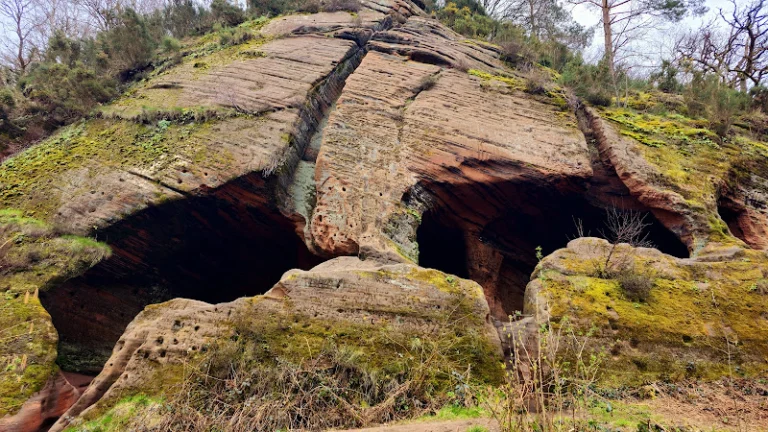
Nanny
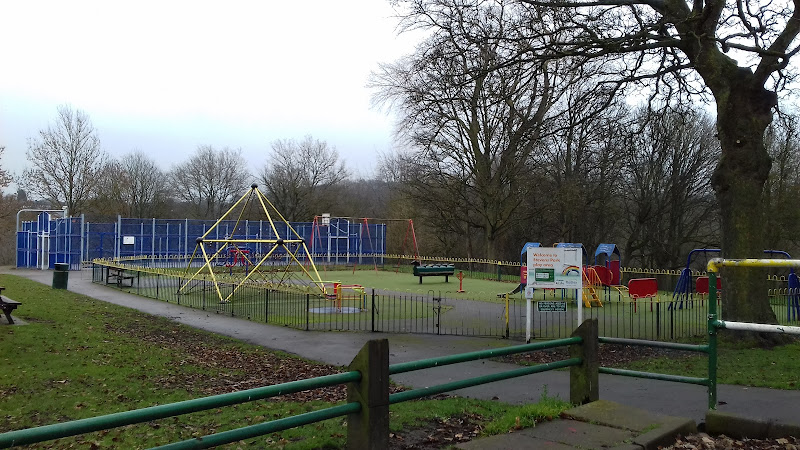
Stevens Park
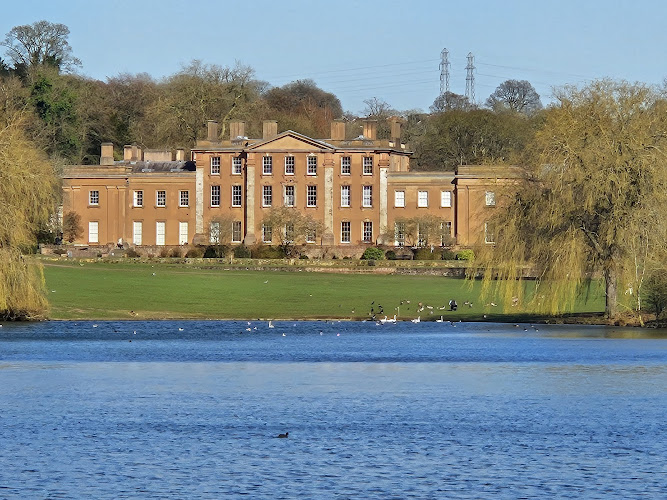
Himley Hall and Park
Find Accommodations Nearby
Recommended Tours & Activities
Visitor Reviews
There are no reviews yet. Be the first one to write one.
Share Your Experience
Have you visited The Falconry Centre? Help other travelers by leaving a review.