
The Discovery
About The Discovery
Description
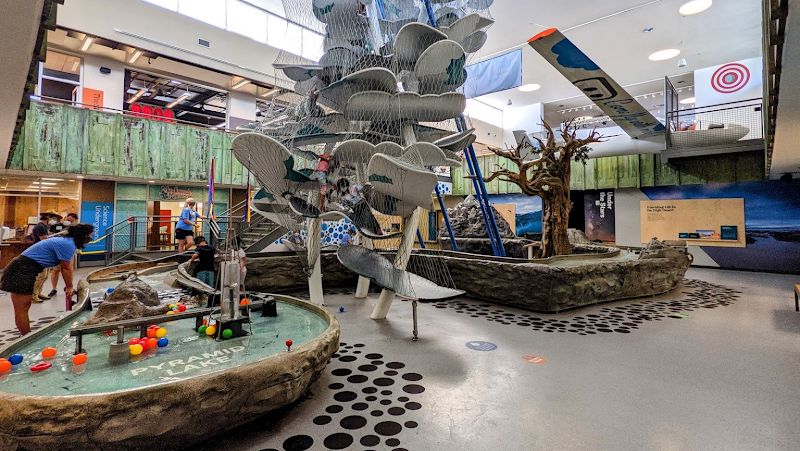
The Discovery stands as one of those places where science stops being something you memorized for tests and starts becoming something you actually want to touch, poke, and play with. This science and technology museum has built its reputation on making learning feel less like work and more like the kind of afternoon where you forget to check your phone because you're too busy figuring out how electricity works or watching a chemical reaction unfold right in front of your eyes. Walking through the museum feels different than your typical tourist attraction. There's a certain energy here that comes from watching kids (and let's be honest, plenty of adults) get genuinely excited about physics demonstrations. I've always thought the best museums are the ones where you can hear laughter echoing through the halls, and The Discovery delivers on that front. The interactive exhibits aren't just educational props sitting behind glass – they're designed for hands-on exploration, which means you'll probably leave with a better understanding of concepts that confused you back in school. What makes this place particularly interesting is how it balances being a serious educational institution with being genuinely fun. The temporary exhibitions keep things fresh, so even if you've visited before, there's usually something new to explore. And the live performances add an element of excitement that static displays simply can't match. There's something about watching a science demonstration happen in real-time that makes the concepts stick in your brain in a way that reading about them never quite does. The museum operates as a non-profit organization, which you can kind of feel in the way everything's set up. The focus is clearly on education and community engagement rather than just pushing gift shop merchandise at you, though they do have one if you want to grab a souvenir that's actually related to what you learned.Key Features
• Completely hands-on interactive exhibits where touching is not only allowed but encouraged – finally, a museum where you won't get scolded for being curious • Regular live science performances and demonstrations that turn abstract concepts into memorable experiences you'll actually talk about later • Rotating temporary exhibitions that give you a reason to visit multiple times throughout the year without seeing the same displays • Full wheelchair accessibility including entrance, parking areas, and restrooms, making it genuinely accessible for all visitors • Active military discounts because they actually appreciate service members and their families • Free parking lot available, which is honestly a godsend when you're traveling with kids and don't want to deal with hunting for street parking • Gender-neutral restroom facilities showing a commitment to inclusive spaces for all guests • Gift shop stocked with educational toys and science-related items that aren't just cheap plastic junk • Onsite services that keep everything you need right there without having to leave the facility • LGBTQ+ friendly environment where everyone can feel comfortable exploring and learningBest Time to Visit
Timing your visit to The Discovery can really make or break your experience, and I've learned this the hard way at similar venues. Weekday mornings, especially during the school year, tend to be your sweet spot for a more relaxed visit. You'll avoid the massive school field trip crowds that descend around mid-morning to early afternoon on weekdays. But here's the thing – if you're traveling with kids and want them to experience the social aspect of exploring alongside other children, those busier times might actually work in your favor. Summer months bring their own challenges and benefits. Yes, it gets crowded because kids are out of school and families are looking for educational activities that also entertain. However, summer often coincides with special programming and extended hours that can make the crowds worth dealing with. Plus, the energy level during summer tends to be higher, which can add to the overall experience if you don't mind sharing space with other curious minds. Weather doesn't really factor into your planning much since everything's indoors, which makes The Discovery an excellent backup plan when outdoor activities get rained out. I'd actually recommend keeping it as your ace in the hole for those unpredictable weather days that every trip seems to have. Early weekends, particularly Saturday mornings right when they open, offer a nice middle ground. You get the weekend vibe without the peak afternoon crowds. Sunday afternoons can be surprisingly quiet as families head home to prepare for the week ahead. If you're someone who gets overstimulated by noise and crowds, definitely avoid school break periods – spring break, winter holidays, and those random teacher in-service days when schools are closed but parents still need to entertain their kids.How to Get There
Getting to The Discovery is refreshingly straightforward compared to some tourist attractions that seem to hide themselves in the most inconvenient locations possible. The museum provides free parking onsite, which immediately puts it ahead of probably half the museums in the country. Nothing kills the pre-visit excitement quite like circling for parking and then paying twenty bucks for the privilege. If you're staying in the downtown area of the city, you're within reasonable walking distance depending on your tolerance for urban strolls. The sidewalks are generally well-maintained and the route is fairly safe, though you'll want to check current conditions if you're visiting during winter months when ice might be a factor. For those relying on public transportation, several bus routes service the area around the museum. It's worth downloading the local transit app or checking schedules beforehand because routes can vary significantly depending on the day of the week. Weekends sometimes have reduced service, which could affect your return trip timing. Ride-sharing services like Uber and Lyft work well for getting to The Discovery, and drivers are familiar with the location since it's a known attraction. The drop-off area is clearly marked, making the whole process smooth even if it's your driver's first time there. If you're coming from out of town and flying in, the museum is typically a 15-25 minute drive from the airport depending on traffic patterns. Renting a car gives you the most flexibility, but honestly isn't necessary if you're planning to stay relatively central during your visit. The paid street parking around the area serves as a backup option if the free lot somehow fills up, though based on the facility's size, this seems to be a rare occurrence except during major events.Tips for Visiting
Plan to spend at least three hours here, possibly four if you've got kids who really get into the exhibits. I know that sounds like a lot, but the time goes faster than you'd think when you're actually engaged with interactive displays. Rushing through defeats the whole purpose – this isn't a museum where you glance at things behind glass and move on. Bring a water bottle because staying hydrated matters, especially if you're doing a lot of walking and engaging with active exhibits. There's no restaurant onsite, which is honestly the biggest drawback, so eat a solid meal before you arrive or plan to leave for lunch and come back if your schedule allows. The gift shop deserves more time than you might initially allocate. Unlike typical tourist trap shops, this one actually has quality educational materials and toys that might inspire continued learning after your visit. I'd budget some money for this because the kids will definitely ask, and unlike most souvenir requests, these items might actually get used at home. Take advantage of those live performances and demonstrations by checking the schedule when you arrive. These are often the highlights that people remember most, and missing them because you didn't plan around the timing would be a real shame. Build your exploration around the show times rather than treating them as something you'll catch if you happen to be nearby. Comfortable shoes are non-negotiable. You'll be standing and walking on hard floors for extended periods, and sore feet can turn an enjoyable educational experience into something you're just trying to survive. Don't be afraid to ask the staff questions – they're generally knowledgeable and genuinely enthusiastic about the exhibits. Some of the best insights come from these conversations rather than just reading the display plaques. If you're visiting with very young children, scope out the restroom locations early. The gender-neutral options are there, and knowing where everything is saves stress later when a bathroom emergency inevitably strikes. The military discount is substantial enough that active service members should definitely bring their ID. Every bit helps when you're traveling on a budget, and it's nice to see organizations that actually appreciate military families rather than just giving lip service to it. Consider visiting during off-peak hours if anyone in your group is on the autism spectrum or sensitive to sensory overload. The interactive nature means things can get loud and crowded during busy times, which might be overwhelming for some visitors. Take photos throughout your visit, but actually put the phone down and engage with the exhibits too. The best memories come from doing rather than just documenting. And honestly, some of the most interesting discoveries happen when you're fully present rather than viewing everything through a screen. Finally, check if there are any special temporary exhibitions running during your visit. These rotating displays often require separate planning or have specific viewing times, and missing out on something unique because you didn't do your homework beforehand would be frustrating.Key Features
- Interactive STEAM galleries for hands-on learning
- Rotating special exhibitions that change year-round
- Maker space and engineering challenge areas
- Exhibits designed for a wide range of ages (kids to teens)
- On-site programs and school group offerings
More Details
Updated January 17, 2026
Table of Contents
Description
The Discovery stands as one of those places where science stops being something you memorized for tests and starts becoming something you actually want to touch, poke, and play with. This science and technology museum has built its reputation on making learning feel less like work and more like the kind of afternoon where you forget to check your phone because you’re too busy figuring out how electricity works or watching a chemical reaction unfold right in front of your eyes.
Walking through the museum feels different than your typical tourist attraction. There’s a certain energy here that comes from watching kids (and let’s be honest, plenty of adults) get genuinely excited about physics demonstrations. I’ve always thought the best museums are the ones where you can hear laughter echoing through the halls, and The Discovery delivers on that front. The interactive exhibits aren’t just educational props sitting behind glass – they’re designed for hands-on exploration, which means you’ll probably leave with a better understanding of concepts that confused you back in school.
What makes this place particularly interesting is how it balances being a serious educational institution with being genuinely fun. The temporary exhibitions keep things fresh, so even if you’ve visited before, there’s usually something new to explore. And the live performances add an element of excitement that static displays simply can’t match. There’s something about watching a science demonstration happen in real-time that makes the concepts stick in your brain in a way that reading about them never quite does.
The museum operates as a non-profit organization, which you can kind of feel in the way everything’s set up. The focus is clearly on education and community engagement rather than just pushing gift shop merchandise at you, though they do have one if you want to grab a souvenir that’s actually related to what you learned.
Key Features
• Completely hands-on interactive exhibits where touching is not only allowed but encouraged – finally, a museum where you won’t get scolded for being curious
• Regular live science performances and demonstrations that turn abstract concepts into memorable experiences you’ll actually talk about later
• Rotating temporary exhibitions that give you a reason to visit multiple times throughout the year without seeing the same displays
• Full wheelchair accessibility including entrance, parking areas, and restrooms, making it genuinely accessible for all visitors
• Active military discounts because they actually appreciate service members and their families
• Free parking lot available, which is honestly a godsend when you’re traveling with kids and don’t want to deal with hunting for street parking
• Gender-neutral restroom facilities showing a commitment to inclusive spaces for all guests
• Gift shop stocked with educational toys and science-related items that aren’t just cheap plastic junk
• Onsite services that keep everything you need right there without having to leave the facility
• LGBTQ+ friendly environment where everyone can feel comfortable exploring and learning
Best Time to Visit
Timing your visit to The Discovery can really make or break your experience, and I’ve learned this the hard way at similar venues. Weekday mornings, especially during the school year, tend to be your sweet spot for a more relaxed visit. You’ll avoid the massive school field trip crowds that descend around mid-morning to early afternoon on weekdays. But here’s the thing – if you’re traveling with kids and want them to experience the social aspect of exploring alongside other children, those busier times might actually work in your favor.
Summer months bring their own challenges and benefits. Yes, it gets crowded because kids are out of school and families are looking for educational activities that also entertain. However, summer often coincides with special programming and extended hours that can make the crowds worth dealing with. Plus, the energy level during summer tends to be higher, which can add to the overall experience if you don’t mind sharing space with other curious minds.
Weather doesn’t really factor into your planning much since everything’s indoors, which makes The Discovery an excellent backup plan when outdoor activities get rained out. I’d actually recommend keeping it as your ace in the hole for those unpredictable weather days that every trip seems to have.
Early weekends, particularly Saturday mornings right when they open, offer a nice middle ground. You get the weekend vibe without the peak afternoon crowds. Sunday afternoons can be surprisingly quiet as families head home to prepare for the week ahead.
If you’re someone who gets overstimulated by noise and crowds, definitely avoid school break periods – spring break, winter holidays, and those random teacher in-service days when schools are closed but parents still need to entertain their kids.
How to Get There
Getting to The Discovery is refreshingly straightforward compared to some tourist attractions that seem to hide themselves in the most inconvenient locations possible. The museum provides free parking onsite, which immediately puts it ahead of probably half the museums in the country. Nothing kills the pre-visit excitement quite like circling for parking and then paying twenty bucks for the privilege.
If you’re staying in the downtown area of the city, you’re within reasonable walking distance depending on your tolerance for urban strolls. The sidewalks are generally well-maintained and the route is fairly safe, though you’ll want to check current conditions if you’re visiting during winter months when ice might be a factor.
For those relying on public transportation, several bus routes service the area around the museum. It’s worth downloading the local transit app or checking schedules beforehand because routes can vary significantly depending on the day of the week. Weekends sometimes have reduced service, which could affect your return trip timing.
Ride-sharing services like Uber and Lyft work well for getting to The Discovery, and drivers are familiar with the location since it’s a known attraction. The drop-off area is clearly marked, making the whole process smooth even if it’s your driver’s first time there.
If you’re coming from out of town and flying in, the museum is typically a 15-25 minute drive from the airport depending on traffic patterns. Renting a car gives you the most flexibility, but honestly isn’t necessary if you’re planning to stay relatively central during your visit.
The paid street parking around the area serves as a backup option if the free lot somehow fills up, though based on the facility’s size, this seems to be a rare occurrence except during major events.
Tips for Visiting
Plan to spend at least three hours here, possibly four if you’ve got kids who really get into the exhibits. I know that sounds like a lot, but the time goes faster than you’d think when you’re actually engaged with interactive displays. Rushing through defeats the whole purpose – this isn’t a museum where you glance at things behind glass and move on.
Bring a water bottle because staying hydrated matters, especially if you’re doing a lot of walking and engaging with active exhibits. There’s no restaurant onsite, which is honestly the biggest drawback, so eat a solid meal before you arrive or plan to leave for lunch and come back if your schedule allows.
The gift shop deserves more time than you might initially allocate. Unlike typical tourist trap shops, this one actually has quality educational materials and toys that might inspire continued learning after your visit. I’d budget some money for this because the kids will definitely ask, and unlike most souvenir requests, these items might actually get used at home.
Take advantage of those live performances and demonstrations by checking the schedule when you arrive. These are often the highlights that people remember most, and missing them because you didn’t plan around the timing would be a real shame. Build your exploration around the show times rather than treating them as something you’ll catch if you happen to be nearby.
Comfortable shoes are non-negotiable. You’ll be standing and walking on hard floors for extended periods, and sore feet can turn an enjoyable educational experience into something you’re just trying to survive.
Don’t be afraid to ask the staff questions – they’re generally knowledgeable and genuinely enthusiastic about the exhibits. Some of the best insights come from these conversations rather than just reading the display plaques.
If you’re visiting with very young children, scope out the restroom locations early. The gender-neutral options are there, and knowing where everything is saves stress later when a bathroom emergency inevitably strikes.
The military discount is substantial enough that active service members should definitely bring their ID. Every bit helps when you’re traveling on a budget, and it’s nice to see organizations that actually appreciate military families rather than just giving lip service to it.
Consider visiting during off-peak hours if anyone in your group is on the autism spectrum or sensitive to sensory overload. The interactive nature means things can get loud and crowded during busy times, which might be overwhelming for some visitors.
Take photos throughout your visit, but actually put the phone down and engage with the exhibits too. The best memories come from doing rather than just documenting. And honestly, some of the most interesting discoveries happen when you’re fully present rather than viewing everything through a screen.
Finally, check if there are any special temporary exhibitions running during your visit. These rotating displays often require separate planning or have specific viewing times, and missing out on something unique because you didn’t do your homework beforehand would be frustrating.
Key Highlights
- Interactive STEAM galleries for hands-on learning
- Rotating special exhibitions that change year-round
- Maker space and engineering challenge areas
- Exhibits designed for a wide range of ages (kids to teens)
- On-site programs and school group offerings
Location
Places to Stay Near The Discovery
Find and Book a Tour
Explore More Travel Guides
No reviews found! Be the first to review!
Traveler Reviews for The Discovery
There are no reviews yet. Be the first one to write one.
Have you visited The Discovery? Help other travelers by sharing your review.
Nearby Attractions
You Might Also Like

Wilbur D. May Center

Artown

Animal Ark
Find Accommodations Nearby
Recommended Tours & Activities
Visitor Reviews
There are no reviews yet. Be the first one to write one.
Share Your Experience
Have you visited The Discovery? Help other travelers by leaving a review.