
The Art Museum
About The Art Museum
Description
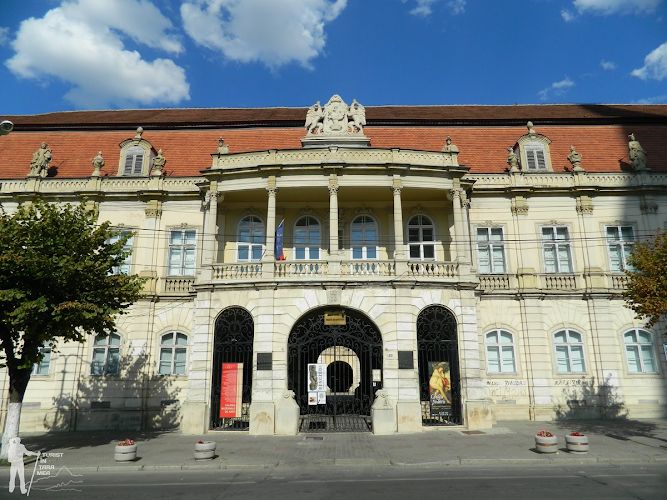
The Art Museum in Cluj-Napoca is one of those places that quietly takes your breath away before you even realize what’s happening. Housed in a grand baroque building that whispers stories from centuries past, it’s more than just a collection of paintings—it’s a living conversation between Romania’s artistic soul and the curious traveler. Inside, the walls seem to hum with history. You can almost feel the brushstrokes of Romanian and Hungarian masters lingering in the air, each one telling a story of identity, struggle, and beauty.
I remember the first time I walked through its ornate entrance—there was this faint scent of old varnish and polished wood, the kind that instantly makes you slow down and breathe. The rooms are spacious, yet intimate enough to make you feel part of the art itself. Some galleries are so still that you can hear your own footsteps echoing softly on the marble floors. Others are filled with the quiet murmur of visitors, each reacting in their own way to the colors and textures in front of them.
What makes this museum truly special isn’t just its collection (though it’s impressive, with works spanning centuries and styles), but the way it captures the essence of Transylvanian culture. The curators have done a remarkable job balancing the classical with the modern, giving visitors a sense of how art here evolved alongside the region’s complex history. And there’s something deeply personal about seeing how local artists interpreted the same landscapes and emotions that still shape life in Cluj today.
Sure, not every exhibit hits the same emotional chord—some rooms feel a bit sparse or dated—but that’s part of its charm. It’s imperfect in the best way, like a favorite old book with worn pages. The museum has a rhythm that invites you to take your time, to pause in front of a painting longer than you planned. And when you step back outside into the bustling square, you carry a piece of that quiet reflection with you.
Key Features
- Home to an extensive collection of Romanian and Hungarian fine art, showcasing both classical and contemporary works.
- Located within a beautifully preserved baroque palace, offering an immersive historical atmosphere.
- Occasional live performances that blend visual and performing arts for a richer cultural experience.
- Wheelchair accessibility is limited, as the building’s historic structure poses some challenges.
- Facilities include restrooms but no on-site restaurant, encouraging visitors to explore nearby cafés after their visit.
- Family-friendly environment, welcoming children and offering a gentle introduction to art appreciation.
- Rotating exhibitions that highlight local artists and thematic collections throughout the year.
Best Time to Visit
If you ask me, the best time to visit The Art Museum is during spring or early autumn. The weather in Cluj-Napoca is mild, and the old city square outside the museum feels alive but not overcrowded. Morning hours are ideal—you’ll have more space to wander quietly, and the natural light streaming through those tall windows makes the paintings glow differently, almost like they’re waking up with you.
Winter visits have their own charm, though. There’s something almost cinematic about stepping in from the cold, snowflakes still clinging to your coat, and finding yourself surrounded by warm tones and centuries-old portraits. Just be prepared for shorter opening hours and a bit of chill inside the older galleries. Summer afternoons, on the other hand, can get a bit warm indoors, but that’s easily forgiven when you step out afterward into the lively cafés nearby for a cold lemonade or local wine.
How to Get There
The museum sits right in the heart of Cluj-Napoca’s historic center, making it easy to reach whether you’re exploring on foot or using public transport. From most central hotels, it’s a pleasant walk through cobblestone streets lined with pastel buildings and tiny shops selling handmade crafts. If you’re staying farther out, several bus routes stop nearby, and taxis or ride-sharing apps are readily available and affordable.
For those who enjoy a bit of spontaneity, I recommend simply wandering your way there. The city’s old town is compact, and every turn seems to reveal another charming square or hidden courtyard. By the time you arrive, you’ll already feel like you’ve stepped into a painting yourself. Parking can be tricky, especially on weekends, so it’s best to leave the car behind and enjoy the stroll.
Tips for Visiting
First things first—don’t rush. This isn’t a museum you “do” in an hour. Give yourself time to wander, to sit on one of those creaky wooden benches and just let the art sink in. I’ve found that the more you slow down, the more the details start to reveal themselves—the texture of a brushstroke, the delicate play of light in a portrait’s background, the emotion tucked into a sculptor’s curve of marble.
If you’re traveling with kids, you’ll be happy to know it’s a friendly environment for families. The staff are patient, and there’s enough visual variety to keep younger visitors engaged. Just remember that some sections require a bit of quiet, so maybe plan a snack break outside before heading in.
Photography rules vary depending on the exhibit, so check at the entrance before snapping away. And bring a small notebook if you’re the reflective type—there’s something about this museum that makes you want to jot down thoughts or sketch a quick outline of a favorite painting.
For accessibility, keep in mind that while the main entrance and some galleries are manageable, the historic architecture can make navigation tricky for those with mobility challenges. It’s worth calling ahead if you need specific accommodations.
Lastly, don’t skip the live performances if your timing aligns. They’re rare but memorable—music echoing through centuries-old halls adds a whole new layer of meaning to the artworks around you. And after your visit, take a few minutes to sit outside in the square. Watch the world go by, maybe grab a coffee from a nearby café, and let the experience settle in. That’s when you realize The Art Museum isn’t just a place to see art—it’s a place to feel it.
In the end, The Art Museum stands as both a guardian of history and a quiet companion to those who seek meaning in color and form. Whether you’re an art lover, a curious traveler, or just someone looking for a peaceful hour in the middle of a busy day, this museum offers something rare: an honest connection to the creative spirit that defines this corner of Romania. And that, in my opinion, is worth every minute.
Key Features
- Home to an extensive collection of Romanian and Hungarian fine art, showcasing both classical and contemporary works.
- Located within a beautifully preserved baroque palace, offering an immersive historical atmosphere.
- Occasional live performances that blend visual and performing arts for a richer cultural experience.
- Wheelchair accessibility is limited, as the building’s historic structure poses some challenges.
- Facilities include restrooms but no on-site restaurant, encouraging visitors to explore nearby cafés after their visit.
- Family-friendly environment, welcoming children and offering a gentle introduction to art appreciation.
- Rotating exhibitions that highlight local artists and thematic collections throughout the year.
More Details
Updated December 1, 2025
Table of Contents
Description
The Art Museum in Cluj-Napoca is one of those places that quietly takes your breath away before you even realize what’s happening. Housed in a grand baroque building that whispers stories from centuries past, it’s more than just a collection of paintings—it’s a living conversation between Romania’s artistic soul and the curious traveler. Inside, the walls seem to hum with history. You can almost feel the brushstrokes of Romanian and Hungarian masters lingering in the air, each one telling a story of identity, struggle, and beauty.
I remember the first time I walked through its ornate entrance—there was this faint scent of old varnish and polished wood, the kind that instantly makes you slow down and breathe. The rooms are spacious, yet intimate enough to make you feel part of the art itself. Some galleries are so still that you can hear your own footsteps echoing softly on the marble floors. Others are filled with the quiet murmur of visitors, each reacting in their own way to the colors and textures in front of them.
What makes this museum truly special isn’t just its collection (though it’s impressive, with works spanning centuries and styles), but the way it captures the essence of Transylvanian culture. The curators have done a remarkable job balancing the classical with the modern, giving visitors a sense of how art here evolved alongside the region’s complex history. And there’s something deeply personal about seeing how local artists interpreted the same landscapes and emotions that still shape life in Cluj today.
Sure, not every exhibit hits the same emotional chord—some rooms feel a bit sparse or dated—but that’s part of its charm. It’s imperfect in the best way, like a favorite old book with worn pages. The museum has a rhythm that invites you to take your time, to pause in front of a painting longer than you planned. And when you step back outside into the bustling square, you carry a piece of that quiet reflection with you.
Key Features
- Home to an extensive collection of Romanian and Hungarian fine art, showcasing both classical and contemporary works.
- Located within a beautifully preserved baroque palace, offering an immersive historical atmosphere.
- Occasional live performances that blend visual and performing arts for a richer cultural experience.
- Wheelchair accessibility is limited, as the building’s historic structure poses some challenges.
- Facilities include restrooms but no on-site restaurant, encouraging visitors to explore nearby cafés after their visit.
- Family-friendly environment, welcoming children and offering a gentle introduction to art appreciation.
- Rotating exhibitions that highlight local artists and thematic collections throughout the year.
Best Time to Visit
If you ask me, the best time to visit The Art Museum is during spring or early autumn. The weather in Cluj-Napoca is mild, and the old city square outside the museum feels alive but not overcrowded. Morning hours are ideal—you’ll have more space to wander quietly, and the natural light streaming through those tall windows makes the paintings glow differently, almost like they’re waking up with you.
Winter visits have their own charm, though. There’s something almost cinematic about stepping in from the cold, snowflakes still clinging to your coat, and finding yourself surrounded by warm tones and centuries-old portraits. Just be prepared for shorter opening hours and a bit of chill inside the older galleries. Summer afternoons, on the other hand, can get a bit warm indoors, but that’s easily forgiven when you step out afterward into the lively cafés nearby for a cold lemonade or local wine.
How to Get There
The museum sits right in the heart of Cluj-Napoca’s historic center, making it easy to reach whether you’re exploring on foot or using public transport. From most central hotels, it’s a pleasant walk through cobblestone streets lined with pastel buildings and tiny shops selling handmade crafts. If you’re staying farther out, several bus routes stop nearby, and taxis or ride-sharing apps are readily available and affordable.
For those who enjoy a bit of spontaneity, I recommend simply wandering your way there. The city’s old town is compact, and every turn seems to reveal another charming square or hidden courtyard. By the time you arrive, you’ll already feel like you’ve stepped into a painting yourself. Parking can be tricky, especially on weekends, so it’s best to leave the car behind and enjoy the stroll.
Tips for Visiting
First things first—don’t rush. This isn’t a museum you “do” in an hour. Give yourself time to wander, to sit on one of those creaky wooden benches and just let the art sink in. I’ve found that the more you slow down, the more the details start to reveal themselves—the texture of a brushstroke, the delicate play of light in a portrait’s background, the emotion tucked into a sculptor’s curve of marble.
If you’re traveling with kids, you’ll be happy to know it’s a friendly environment for families. The staff are patient, and there’s enough visual variety to keep younger visitors engaged. Just remember that some sections require a bit of quiet, so maybe plan a snack break outside before heading in.
Photography rules vary depending on the exhibit, so check at the entrance before snapping away. And bring a small notebook if you’re the reflective type—there’s something about this museum that makes you want to jot down thoughts or sketch a quick outline of a favorite painting.
For accessibility, keep in mind that while the main entrance and some galleries are manageable, the historic architecture can make navigation tricky for those with mobility challenges. It’s worth calling ahead if you need specific accommodations.
Lastly, don’t skip the live performances if your timing aligns. They’re rare but memorable—music echoing through centuries-old halls adds a whole new layer of meaning to the artworks around you. And after your visit, take a few minutes to sit outside in the square. Watch the world go by, maybe grab a coffee from a nearby café, and let the experience settle in. That’s when you realize The Art Museum isn’t just a place to see art—it’s a place to feel it.
In the end, The Art Museum stands as both a guardian of history and a quiet companion to those who seek meaning in color and form. Whether you’re an art lover, a curious traveler, or just someone looking for a peaceful hour in the middle of a busy day, this museum offers something rare: an honest connection to the creative spirit that defines this corner of Romania. And that, in my opinion, is worth every minute.
Key Highlights
- Home to an extensive collection of Romanian and Hungarian fine art, showcasing both classical and contemporary works.
- Located within a beautifully preserved baroque palace, offering an immersive historical atmosphere.
- Occasional live performances that blend visual and performing arts for a richer cultural experience.
- Wheelchair accessibility is limited, as the building’s historic structure poses some challenges.
- Facilities include restrooms but no on-site restaurant, encouraging visitors to explore nearby cafés after their visit.
- Family-friendly environment, welcoming children and offering a gentle introduction to art appreciation.
- Rotating exhibitions that highlight local artists and thematic collections throughout the year.
Location
Places to Stay Near The Art Museum
Find and Book a Tour
Explore More Travel Guides
No reviews found! Be the first to review!
Traveler Reviews for The Art Museum
There are no reviews yet. Be the first one to write one.
Have you visited The Art Museum? Help other travelers by sharing your review.
You Might Also Like

Sebestyen Palace

Zoological Museum
Bulevardul Eroilor 23
Find Accommodations Nearby
Recommended Tours & Activities
Visitor Reviews
There are no reviews yet. Be the first one to write one.
Share Your Experience
Have you visited The Art Museum? Help other travelers by leaving a review.