

Sebestyen Palace
About Sebestyen Palace
Description
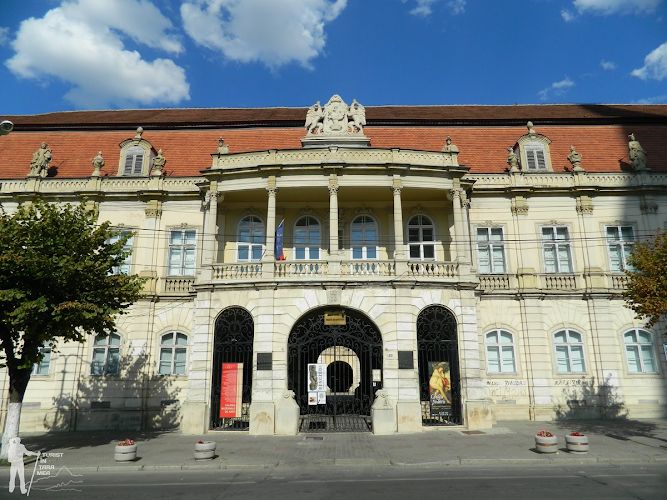
Standing proudly in the heart of Cluj-Napoca, Sebestyen Palace is one of those places that quietly commands your attention. It’s not the kind of landmark that shouts for it—rather, it draws you in with its subtle elegance, its Art Nouveau curves, and the way sunlight seems to dance across the façade in the late afternoon. Built between 1912 and 1913 by the entrepreneur David Sebestyen, this four-story palace is a striking example of early 20th-century secession-style architecture. And honestly, it’s one of those buildings that makes you stop mid-walk, tilt your head back, and just take it all in for a minute.
What makes Sebestyen Palace so fascinating is that it’s not just a relic of Cluj’s past—it’s a living, breathing part of the city’s creative pulse. The palace once housed the first insurance company in Cluj, and today it’s home to the editorial offices of “Tribuna” magazine, as well as the Fine Artists Union and the Writers’ Union. So, even after more than a century, it’s still a hub for ideas and artistry, just as it was back when it first opened its doors.
Walking past, you can almost imagine the early 1900s bustle—horse-drawn carriages, locals in elegant coats, the hum of a city on the rise. The building’s façade, with its flowing lines and ornate details, reflects the optimism and sophistication of that era. It’s one of those rare spots where architecture doesn’t just decorate the city—it tells its story.
And while it’s not a massive tourist attraction with ticket booths or guided tours, that’s actually part of its charm. Sebestyen Palace feels authentic, woven into the daily rhythm of Cluj life. You’ll see locals passing by on their way to work, students snapping photos for architecture projects, and travelers pausing for a quick selfie before wandering off to a nearby café.
For anyone who loves architecture, history, or just discovering the quieter corners of a city, this place is pure gold. It’s elegant without being pretentious, historical without feeling dusty. And while it may not be as famous as some of Cluj’s other landmarks, it absolutely deserves a spot on your must-see list.
Key Features
- Architectural Style: A stunning example of early 20th-century secession (Art Nouveau) design, combining decorative curves with strong structural lines.
- Historic Legacy: Built by businessman David Sebestyen between 1912 and 1913, originally housing Cluj’s first insurance company.
- Cultural Significance: Currently home to the editorial offices of “Tribuna” magazine and the Fine Artists and Writers’ Unions—making it a living center for the arts.
- Exterior Details: Intricate stonework, wrought-iron balconies, and a beautifully symmetrical façade that reflects both Baroque and modernist influences.
- Photogenic Appeal: A favorite spot for photographers and architecture lovers, especially during golden hour when the façade glows warmly.
- Accessibility: Located in the city center, easily reachable on foot from other major attractions.
Best Time to Visit
Cluj-Napoca has a way of changing moods with the seasons, and Sebestyen Palace fits right into that rhythm. Personally, spring and autumn are the best times to see it. In spring, the city feels fresh and alive—flowers blooming, people lingering in the squares, and the soft light making the palace’s details pop. Autumn, on the other hand, brings a quiet charm. The golden leaves against the cream-colored façade? Absolutely stunning.
Summer can get a bit busy, especially around the nearby Piața Unirii, but if you go early in the morning or just before sunset, you’ll get that peaceful moment to yourself. Winter has its own magic too—there’s something poetic about seeing the palace dusted in snow, the lights from nearby shops reflecting off the windows. It’s like stepping into a vintage postcard.
So really, there’s no bad time to visit. It’s one of those places that always looks good, no matter the weather. But if you want the perfect balance of pleasant temperatures and fewer crowds, late April to early June or September to October would be ideal.
How to Get There
Getting to Sebestyen Palace is refreshingly easy. It’s located right in the city center of Cluj-Napoca, so if you’re exploring on foot, you’ll likely stumble upon it without even trying. Most visitors find it while wandering around the main square, Piața Unirii, which is surrounded by cafés, shops, and other landmarks.
If you’re staying further out, the local public transport system is reliable and straightforward. Buses and trams run frequently through the city center, and there’s usually a stop just a short walk away. Taxis and rideshares are also affordable and convenient, though I’d recommend walking if you can—it’s the best way to soak in the city’s atmosphere.
And here’s a little tip from personal experience: take the long way around. Start from the main square and wander down the side streets before looping back toward the palace. You’ll pass some gorgeous old buildings and maybe even stumble upon a hidden café or two. Cluj has a way of rewarding those who take their time.
Tips for Visiting
Visiting Sebestyen Palace doesn’t require much planning, but a few small things can make your experience even better. Here are some tips that might come in handy:
- Take your time: Don’t just snap a photo and move on. Walk around the building and notice the details—the carvings, the ironwork, even the way the windows are framed. It’s all part of the story.
- Bring a camera: The lighting changes beautifully throughout the day. Early morning light gives it a soft, romantic glow, while late afternoon brings out the warm tones of the stonework.
- Combine it with other stops: Since the palace is close to other attractions, it’s easy to include it in a walking tour of Cluj’s historic center. You can grab a coffee nearby and just people-watch for a bit—it’s a great way to feel the city’s rhythm.
- Respect the space: Remember, it’s not just a tourist site—it’s a working building with offices inside. Be mindful when taking photos or lingering near entrances.
- Learn a little history beforehand: Knowing who David Sebestyen was and what the secession movement represented adds a whole new layer of appreciation. It’s like seeing the building through the eyes of the era that created it.
- Bring kids along: It’s a good place for families—kids often enjoy spotting the decorative details on the façade and exploring the nearby square afterward.
And maybe this is just me, but I always think the best way to experience a city’s architecture is with a coffee in hand and nowhere to rush off to. Sit on a nearby bench, take a breath, and just watch the world go by. You’ll see locals greeting each other, students chatting, tourists pausing for photos—all under the watchful gaze of Sebestyen Palace. It’s one of those simple moments that remind you why travel matters.
In the end, Sebestyen Palace isn’t just an architectural gem—it’s a piece of Cluj’s soul. It tells a story of ambition, artistry, and endurance. And even after more than a century, it still manages to capture hearts, one passerby at a time.
Key Features
- Key Features
- Best Time to Visit
- How to Get There
- Tips for Visiting
More Details
Updated December 1, 2025
Table of Contents
Description
Standing proudly in the heart of Cluj-Napoca, Sebestyen Palace is one of those places that quietly commands your attention. It’s not the kind of landmark that shouts for it—rather, it draws you in with its subtle elegance, its Art Nouveau curves, and the way sunlight seems to dance across the façade in the late afternoon. Built between 1912 and 1913 by the entrepreneur David Sebestyen, this four-story palace is a striking example of early 20th-century secession-style architecture. And honestly, it’s one of those buildings that makes you stop mid-walk, tilt your head back, and just take it all in for a minute.
What makes Sebestyen Palace so fascinating is that it’s not just a relic of Cluj’s past—it’s a living, breathing part of the city’s creative pulse. The palace once housed the first insurance company in Cluj, and today it’s home to the editorial offices of “Tribuna” magazine, as well as the Fine Artists Union and the Writers’ Union. So, even after more than a century, it’s still a hub for ideas and artistry, just as it was back when it first opened its doors.
Walking past, you can almost imagine the early 1900s bustle—horse-drawn carriages, locals in elegant coats, the hum of a city on the rise. The building’s façade, with its flowing lines and ornate details, reflects the optimism and sophistication of that era. It’s one of those rare spots where architecture doesn’t just decorate the city—it tells its story.
And while it’s not a massive tourist attraction with ticket booths or guided tours, that’s actually part of its charm. Sebestyen Palace feels authentic, woven into the daily rhythm of Cluj life. You’ll see locals passing by on their way to work, students snapping photos for architecture projects, and travelers pausing for a quick selfie before wandering off to a nearby café.
For anyone who loves architecture, history, or just discovering the quieter corners of a city, this place is pure gold. It’s elegant without being pretentious, historical without feeling dusty. And while it may not be as famous as some of Cluj’s other landmarks, it absolutely deserves a spot on your must-see list.
Key Features
- Architectural Style: A stunning example of early 20th-century secession (Art Nouveau) design, combining decorative curves with strong structural lines.
- Historic Legacy: Built by businessman David Sebestyen between 1912 and 1913, originally housing Cluj’s first insurance company.
- Cultural Significance: Currently home to the editorial offices of “Tribuna” magazine and the Fine Artists and Writers’ Unions—making it a living center for the arts.
- Exterior Details: Intricate stonework, wrought-iron balconies, and a beautifully symmetrical façade that reflects both Baroque and modernist influences.
- Photogenic Appeal: A favorite spot for photographers and architecture lovers, especially during golden hour when the façade glows warmly.
- Accessibility: Located in the city center, easily reachable on foot from other major attractions.
Best Time to Visit
Cluj-Napoca has a way of changing moods with the seasons, and Sebestyen Palace fits right into that rhythm. Personally, spring and autumn are the best times to see it. In spring, the city feels fresh and alive—flowers blooming, people lingering in the squares, and the soft light making the palace’s details pop. Autumn, on the other hand, brings a quiet charm. The golden leaves against the cream-colored façade? Absolutely stunning.
Summer can get a bit busy, especially around the nearby Piața Unirii, but if you go early in the morning or just before sunset, you’ll get that peaceful moment to yourself. Winter has its own magic too—there’s something poetic about seeing the palace dusted in snow, the lights from nearby shops reflecting off the windows. It’s like stepping into a vintage postcard.
So really, there’s no bad time to visit. It’s one of those places that always looks good, no matter the weather. But if you want the perfect balance of pleasant temperatures and fewer crowds, late April to early June or September to October would be ideal.
How to Get There
Getting to Sebestyen Palace is refreshingly easy. It’s located right in the city center of Cluj-Napoca, so if you’re exploring on foot, you’ll likely stumble upon it without even trying. Most visitors find it while wandering around the main square, Piața Unirii, which is surrounded by cafés, shops, and other landmarks.
If you’re staying further out, the local public transport system is reliable and straightforward. Buses and trams run frequently through the city center, and there’s usually a stop just a short walk away. Taxis and rideshares are also affordable and convenient, though I’d recommend walking if you can—it’s the best way to soak in the city’s atmosphere.
And here’s a little tip from personal experience: take the long way around. Start from the main square and wander down the side streets before looping back toward the palace. You’ll pass some gorgeous old buildings and maybe even stumble upon a hidden café or two. Cluj has a way of rewarding those who take their time.
Tips for Visiting
Visiting Sebestyen Palace doesn’t require much planning, but a few small things can make your experience even better. Here are some tips that might come in handy:
- Take your time: Don’t just snap a photo and move on. Walk around the building and notice the details—the carvings, the ironwork, even the way the windows are framed. It’s all part of the story.
- Bring a camera: The lighting changes beautifully throughout the day. Early morning light gives it a soft, romantic glow, while late afternoon brings out the warm tones of the stonework.
- Combine it with other stops: Since the palace is close to other attractions, it’s easy to include it in a walking tour of Cluj’s historic center. You can grab a coffee nearby and just people-watch for a bit—it’s a great way to feel the city’s rhythm.
- Respect the space: Remember, it’s not just a tourist site—it’s a working building with offices inside. Be mindful when taking photos or lingering near entrances.
- Learn a little history beforehand: Knowing who David Sebestyen was and what the secession movement represented adds a whole new layer of appreciation. It’s like seeing the building through the eyes of the era that created it.
- Bring kids along: It’s a good place for families—kids often enjoy spotting the decorative details on the façade and exploring the nearby square afterward.
And maybe this is just me, but I always think the best way to experience a city’s architecture is with a coffee in hand and nowhere to rush off to. Sit on a nearby bench, take a breath, and just watch the world go by. You’ll see locals greeting each other, students chatting, tourists pausing for photos—all under the watchful gaze of Sebestyen Palace. It’s one of those simple moments that remind you why travel matters.
In the end, Sebestyen Palace isn’t just an architectural gem—it’s a piece of Cluj’s soul. It tells a story of ambition, artistry, and endurance. And even after more than a century, it still manages to capture hearts, one passerby at a time.
Key Highlights
- Key Features
- Best Time to Visit
- How to Get There
- Tips for Visiting
Location
Places to Stay Near Sebestyen Palace
Find and Book a Tour
Explore More Travel Guides
No reviews found! Be the first to review!
Traveler Reviews for Sebestyen Palace
There are no reviews yet. Be the first one to write one.
Have you visited Sebestyen Palace? Help other travelers by sharing your review.
You Might Also Like
The Art Museum

Matthias Rex Monument

Dormition of the Mother of God Metropolitan Cathedral
Find Accommodations Nearby
Recommended Tours & Activities
Visitor Reviews
There are no reviews yet. Be the first one to write one.
Share Your Experience
Have you visited Sebestyen Palace? Help other travelers by leaving a review.