
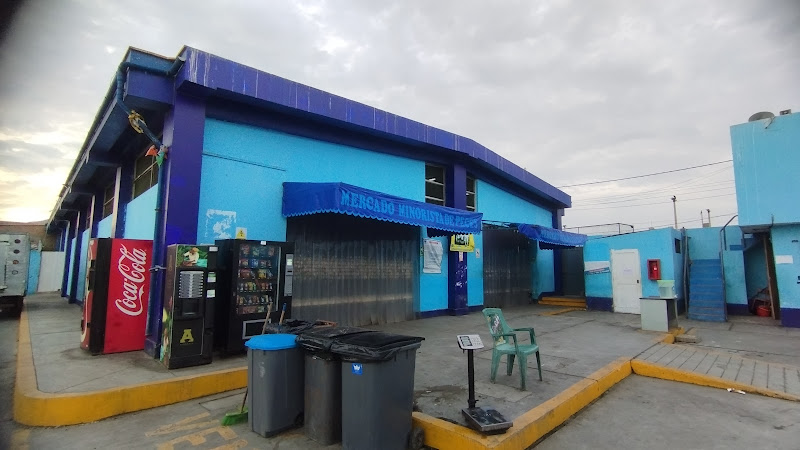
TerminalPesqueroLaCaleta
About TerminalPesqueroLaCaleta
Description
Terminal Pesquero La Caleta stands as a testament to coastal heritage and maritime tradition that continues to pulse through the daily rhythms of local life. This historical fishing terminal represents more than just a place where boats dock and fishermen unload their daily catch—it's a living archive of seafaring culture that has shaped communities for generations. Walking through this terminal feels like stepping into a different era, though the place remains thoroughly functional and active. The smell of salt air mixed with fresh fish, the sounds of fishermen calling to each other in their familiar shorthand, and the sight of weathered boats bobbing in the harbor create an atmosphere that no museum could ever replicate. And honestly, that's what makes it special. This isn't some sanitized tourist attraction trying to recreate authenticity; it's the real deal, still operating as it has for decades. The terminal serves as both a working fish market and a historical landmark, which gives it this dual character that I find fascinating. You'll see modern coolers sitting next to traditional wooden crates, and while technology has crept in here and there, the fundamental operations haven't changed much. Fishermen still head out before dawn, return with their catches, and sell directly to buyers who've been coming to this same spot for years. There's something grounding about watching commerce happen in such a timeless way. What struck me most during my time observing places like this is how they manage to preserve tradition while adapting to contemporary needs. The Terminal Pesquero La Caleta hasn't become a relic—it's adapted, survived, and continues to thrive as both a functional space and a point of cultural significance.Key Features
The Terminal Pesquero La Caleta offers several distinctive characteristics that make it worth exploring: • Active fishing operations that provide an authentic glimpse into maritime livelihoods and traditional fishing practices that have sustained coastal communities • Architectural elements reflecting historical building styles used in coastal terminals, with practical designs meant to withstand salt air and humid conditions • Direct access to incredibly fresh seafood, often sold within hours of being caught, giving visitors opportunity to purchase fish that hasn't been frozen or transported long distances • Kid-friendly environment that makes it suitable for families wanting to show children where their food actually comes from and how coastal economies function • Photographic opportunities capturing working boats, fishing equipment, and the interplay of light on water that changes throughout the day • Local fishermen who often share stories and knowledge about their craft, marine conditions, and the challenges facing traditional fishing communities • Authentic cultural experience away from commercialized tourist zones, offering insight into genuine daily life in coastal regions • Proximity to the water that provides cooling breezes and the particular quality of light that photographers and artists seek out • Seasonal variations in catches that reflect ocean cycles and migration patterns, creating different experiences depending on when you visit • Community gathering space where locals congregate, creating opportunities for cultural observation and sometimes spontaneous conversationsBest Time to Visit
Timing your visit to Terminal Pesquero La Caleta can dramatically affect what you experience there. Early morning—and I mean really early, like 5:00 or 6:00 AM—offers the most action. That's when fishing boats return with their overnight catches, and the terminal comes alive with activity. You'll witness the unloading process, the sorting of different species, and the immediate transactions between fishermen and buyers. But here's the thing: not everyone wants to wake up before sunrise on vacation. I get that. If you're more of a mid-morning person, arriving around 8:00 or 9:00 AM still provides plenty to see, though the frantic energy will have settled somewhat. You'll catch the tail end of the morning market, and honestly, the fishermen are usually more relaxed and willing to chat once the rush has passed. Weekdays typically see more commercial activity than weekends, when operations might scale back. Some fishing communities take Sundays off or operate on reduced schedules, so checking locally about specific patterns makes sense. Season-wise, different times of year bring different catches. Spring and summer often mean calmer seas and more consistent fishing schedules, while autumn can bring migrations of certain species that create particularly busy market days. Winter weather sometimes disrupts operations, though that varies considerably based on specific geographic location and weather patterns. Avoid visiting during the hottest part of the day, usually between noon and 3:00 PM, when the sun beats down mercilessly and activity slows to almost nothing. The fish that haven't sold are packed away, boats are secured, and many vendors take their midday break. If you're bringing kids—and this place is genuinely good for children—morning visits work best. They'll see the most activity, and before temperatures climb too high, little ones tend to be more comfortable and engaged.How to Get There
Getting to Terminal Pesquero La Caleta requires some planning since historical fishing terminals aren't usually located in the most tourist-accessible areas. They're built where geography favors fishing operations, not visitor convenience. Most travelers will need to arrange local transportation, whether that's a taxi, rideshare service, or rental car. Public transportation might serve the area, but routes and schedules vary tremendously depending on the specific region. Asking at your hotel or accommodation about the best transportation method often yields the most reliable information since locals know which options actually work versus which ones theoretically exist but practically don't. If you're driving, expect roads near the terminal to be narrow and designed for commercial vehicles rather than tourist traffic. Parking can be tricky—these places weren't built with visitor parking lots in mind. You might need to park a short walk away and approach on foot. And honestly? Walking in gives you a better sense of the neighborhood anyway. The terminal sits in a coastal location (obviously, given its function), so following directions toward the waterfront or fishing district generally points you in the right direction. GPS coordinates work better than street addresses in some cases, particularly if you're using mapping apps that sometimes struggle with older commercial districts that predate digital mapping conventions. Many visitors combine the terminal visit with other coastal activities or nearby attractions, making it part of a larger day of exploration rather than a standalone destination. This approach makes logistical sense since you're already traveling to that area. Consider hiring a local guide for your first visit, especially if language barriers exist. Guides familiar with the terminal can introduce you to fishermen, explain what you're seeing, and navigate the informal social codes that govern these working spaces.Tips for Visiting
Approaching Terminal Pesquero La Caleta requires a different mindset than visiting typical tourist sites. You're entering a working environment where people are conducting their livelihoods, not performing for visitors. Dress practically. Wear closed-toe shoes with good grip because docks get wet and slippery. The combination of water, fish scales, and smooth surfaces creates surprisingly hazardous conditions. Flip-flops or sandals might seem appropriate for a coastal location, but they're actually a bad choice here. And bring layers—mornings start cool, but temperatures rise quickly once the sun climbs higher. Bring cash if you're planning to purchase fish or seafood. These markets operate on cash transactions, and expecting credit card payment options will leave you disappointed. Small bills make exchanges easier since fishermen may not have change for large denominations. Photography etiquette matters more than you might think. While the terminal offers fantastic photo opportunities, always ask before photographing people, their boats, or their catches. Some fishermen don't mind; others find it intrusive. Respect those boundaries. I've found that showing genuine interest in their work—asking questions, listening to responses—often leads to permission for photos that wouldn't be granted if you just started snapping away. Watch where you walk and stay aware of your surroundings. Forklifts move catches, boats maneuver in tight spaces, and workers carry heavy loads. Getting in the way creates problems for people trying to work. Keep children close and supervised since docks pose genuine safety risks. Don't touch equipment, nets, or catches unless explicitly invited to do so. Fishing gear is expensive, and catches represent someone's income. What seems like harmless curiosity can actually damage property or contaminate products meant for sale. If you purchase fish, know that you're responsible for keeping it fresh afterward. Unless you have access to proper refrigeration quickly, buying large quantities doesn't make practical sense for most travelers. Some visitors arrange with restaurants to prepare fish purchased at the terminal—a creative solution that supports local businesses twice over. Learn a few basic phrases in the local language. Even simple greetings or expressions of appreciation go surprisingly far in these environments where visitors don't always show respect for local culture and work. Don't expect amenities like public restrooms, cafes, or gift shops. This is a working terminal, not a developed tourist attraction. Plan accordingly. Visit with an open mind and flexible expectations. What you encounter might differ from what you imagined, and that's often where the most memorable experiences happen. The beauty of places like Terminal Pesquero La Caleta lies in their authenticity—they haven't been altered to meet tourist expectations, which means they offer something increasingly rare in our heavily commercialized travel landscape.Key Features
- Active working port with artisanal and commercial fishing vessels
- Lively fish market and on-site seafood vendors
- Photogenic maritime scenes at dawn and early morning
- Strong historical ties to Chimbote’s 20th-century fishing boom
- Opportunities to meet local fishermen and learn about coastal traditions
More Details
Updated March 30, 2026
Table of Contents
Description
Terminal Pesquero La Caleta stands as a testament to coastal heritage and maritime tradition that continues to pulse through the daily rhythms of local life. This historical fishing terminal represents more than just a place where boats dock and fishermen unload their daily catch—it’s a living archive of seafaring culture that has shaped communities for generations.
Walking through this terminal feels like stepping into a different era, though the place remains thoroughly functional and active. The smell of salt air mixed with fresh fish, the sounds of fishermen calling to each other in their familiar shorthand, and the sight of weathered boats bobbing in the harbor create an atmosphere that no museum could ever replicate. And honestly, that’s what makes it special. This isn’t some sanitized tourist attraction trying to recreate authenticity; it’s the real deal, still operating as it has for decades.
The terminal serves as both a working fish market and a historical landmark, which gives it this dual character that I find fascinating. You’ll see modern coolers sitting next to traditional wooden crates, and while technology has crept in here and there, the fundamental operations haven’t changed much. Fishermen still head out before dawn, return with their catches, and sell directly to buyers who’ve been coming to this same spot for years. There’s something grounding about watching commerce happen in such a timeless way.
What struck me most during my time observing places like this is how they manage to preserve tradition while adapting to contemporary needs. The Terminal Pesquero La Caleta hasn’t become a relic—it’s adapted, survived, and continues to thrive as both a functional space and a point of cultural significance.
Key Features
The Terminal Pesquero La Caleta offers several distinctive characteristics that make it worth exploring:
• Active fishing operations that provide an authentic glimpse into maritime livelihoods and traditional fishing practices that have sustained coastal communities
• Architectural elements reflecting historical building styles used in coastal terminals, with practical designs meant to withstand salt air and humid conditions
• Direct access to incredibly fresh seafood, often sold within hours of being caught, giving visitors opportunity to purchase fish that hasn’t been frozen or transported long distances
• Kid-friendly environment that makes it suitable for families wanting to show children where their food actually comes from and how coastal economies function
• Photographic opportunities capturing working boats, fishing equipment, and the interplay of light on water that changes throughout the day
• Local fishermen who often share stories and knowledge about their craft, marine conditions, and the challenges facing traditional fishing communities
• Authentic cultural experience away from commercialized tourist zones, offering insight into genuine daily life in coastal regions
• Proximity to the water that provides cooling breezes and the particular quality of light that photographers and artists seek out
• Seasonal variations in catches that reflect ocean cycles and migration patterns, creating different experiences depending on when you visit
• Community gathering space where locals congregate, creating opportunities for cultural observation and sometimes spontaneous conversations
Best Time to Visit
Timing your visit to Terminal Pesquero La Caleta can dramatically affect what you experience there. Early morning—and I mean really early, like 5:00 or 6:00 AM—offers the most action. That’s when fishing boats return with their overnight catches, and the terminal comes alive with activity. You’ll witness the unloading process, the sorting of different species, and the immediate transactions between fishermen and buyers.
But here’s the thing: not everyone wants to wake up before sunrise on vacation. I get that. If you’re more of a mid-morning person, arriving around 8:00 or 9:00 AM still provides plenty to see, though the frantic energy will have settled somewhat. You’ll catch the tail end of the morning market, and honestly, the fishermen are usually more relaxed and willing to chat once the rush has passed.
Weekdays typically see more commercial activity than weekends, when operations might scale back. Some fishing communities take Sundays off or operate on reduced schedules, so checking locally about specific patterns makes sense.
Season-wise, different times of year bring different catches. Spring and summer often mean calmer seas and more consistent fishing schedules, while autumn can bring migrations of certain species that create particularly busy market days. Winter weather sometimes disrupts operations, though that varies considerably based on specific geographic location and weather patterns.
Avoid visiting during the hottest part of the day, usually between noon and 3:00 PM, when the sun beats down mercilessly and activity slows to almost nothing. The fish that haven’t sold are packed away, boats are secured, and many vendors take their midday break.
If you’re bringing kids—and this place is genuinely good for children—morning visits work best. They’ll see the most activity, and before temperatures climb too high, little ones tend to be more comfortable and engaged.
How to Get There
Getting to Terminal Pesquero La Caleta requires some planning since historical fishing terminals aren’t usually located in the most tourist-accessible areas. They’re built where geography favors fishing operations, not visitor convenience.
Most travelers will need to arrange local transportation, whether that’s a taxi, rideshare service, or rental car. Public transportation might serve the area, but routes and schedules vary tremendously depending on the specific region. Asking at your hotel or accommodation about the best transportation method often yields the most reliable information since locals know which options actually work versus which ones theoretically exist but practically don’t.
If you’re driving, expect roads near the terminal to be narrow and designed for commercial vehicles rather than tourist traffic. Parking can be tricky—these places weren’t built with visitor parking lots in mind. You might need to park a short walk away and approach on foot. And honestly? Walking in gives you a better sense of the neighborhood anyway.
The terminal sits in a coastal location (obviously, given its function), so following directions toward the waterfront or fishing district generally points you in the right direction. GPS coordinates work better than street addresses in some cases, particularly if you’re using mapping apps that sometimes struggle with older commercial districts that predate digital mapping conventions.
Many visitors combine the terminal visit with other coastal activities or nearby attractions, making it part of a larger day of exploration rather than a standalone destination. This approach makes logistical sense since you’re already traveling to that area.
Consider hiring a local guide for your first visit, especially if language barriers exist. Guides familiar with the terminal can introduce you to fishermen, explain what you’re seeing, and navigate the informal social codes that govern these working spaces.
Tips for Visiting
Approaching Terminal Pesquero La Caleta requires a different mindset than visiting typical tourist sites. You’re entering a working environment where people are conducting their livelihoods, not performing for visitors.
Dress practically. Wear closed-toe shoes with good grip because docks get wet and slippery. The combination of water, fish scales, and smooth surfaces creates surprisingly hazardous conditions. Flip-flops or sandals might seem appropriate for a coastal location, but they’re actually a bad choice here. And bring layers—mornings start cool, but temperatures rise quickly once the sun climbs higher.
Bring cash if you’re planning to purchase fish or seafood. These markets operate on cash transactions, and expecting credit card payment options will leave you disappointed. Small bills make exchanges easier since fishermen may not have change for large denominations.
Photography etiquette matters more than you might think. While the terminal offers fantastic photo opportunities, always ask before photographing people, their boats, or their catches. Some fishermen don’t mind; others find it intrusive. Respect those boundaries. I’ve found that showing genuine interest in their work—asking questions, listening to responses—often leads to permission for photos that wouldn’t be granted if you just started snapping away.
Watch where you walk and stay aware of your surroundings. Forklifts move catches, boats maneuver in tight spaces, and workers carry heavy loads. Getting in the way creates problems for people trying to work. Keep children close and supervised since docks pose genuine safety risks.
Don’t touch equipment, nets, or catches unless explicitly invited to do so. Fishing gear is expensive, and catches represent someone’s income. What seems like harmless curiosity can actually damage property or contaminate products meant for sale.
If you purchase fish, know that you’re responsible for keeping it fresh afterward. Unless you have access to proper refrigeration quickly, buying large quantities doesn’t make practical sense for most travelers. Some visitors arrange with restaurants to prepare fish purchased at the terminal—a creative solution that supports local businesses twice over.
Learn a few basic phrases in the local language. Even simple greetings or expressions of appreciation go surprisingly far in these environments where visitors don’t always show respect for local culture and work.
Don’t expect amenities like public restrooms, cafes, or gift shops. This is a working terminal, not a developed tourist attraction. Plan accordingly.
Visit with an open mind and flexible expectations. What you encounter might differ from what you imagined, and that’s often where the most memorable experiences happen. The beauty of places like Terminal Pesquero La Caleta lies in their authenticity—they haven’t been altered to meet tourist expectations, which means they offer something increasingly rare in our heavily commercialized travel landscape.
Key Highlights
- Active working port with artisanal and commercial fishing vessels
- Lively fish market and on-site seafood vendors
- Photogenic maritime scenes at dawn and early morning
- Strong historical ties to Chimbote’s 20th-century fishing boom
- Opportunities to meet local fishermen and learn about coastal traditions
Location
Places to Stay Near TerminalPesqueroLaCaleta
Find and Book a Tour
Explore More Travel Guides
No reviews found! Be the first to review!
TerminalPesqueroLaCaleta is a prominent Lugar de interés histórico located in Chimbote.
Visit us at: W9FX+GF7, Av. Francisco Bolognesi, Chimbote 02803, Peru.
Traveler Reviews for TerminalPesqueroLaCaleta
There are no reviews yet. Be the first one to write one.
Have you visited TerminalPesqueroLaCaleta? Help other travelers by sharing your review.
Nearby Attractions
You Might Also Like
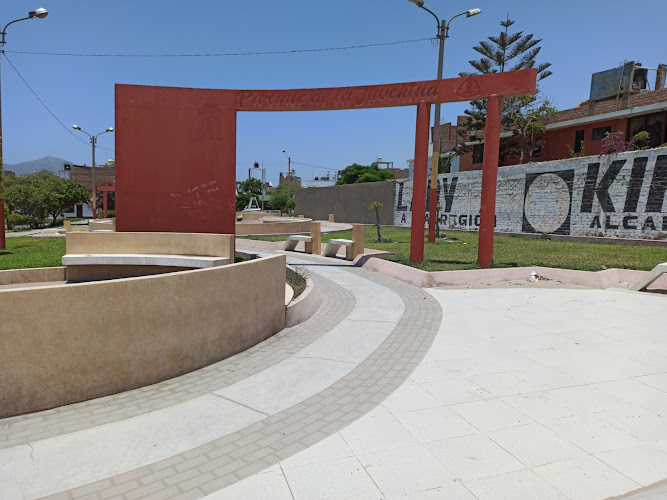
Juventud Park
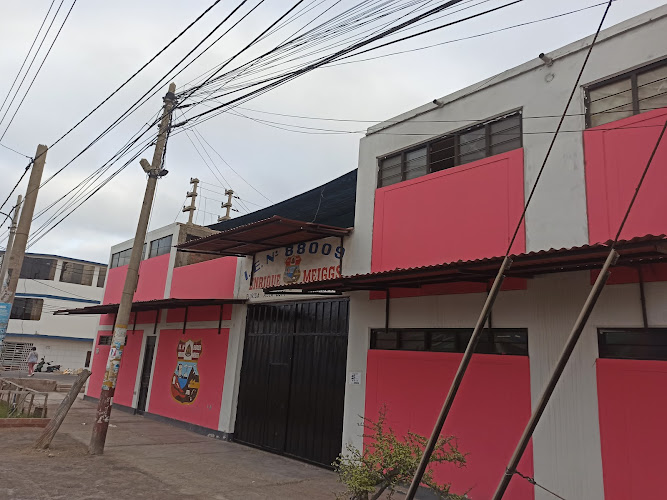
I.E. 88009 Enrique Meiggs
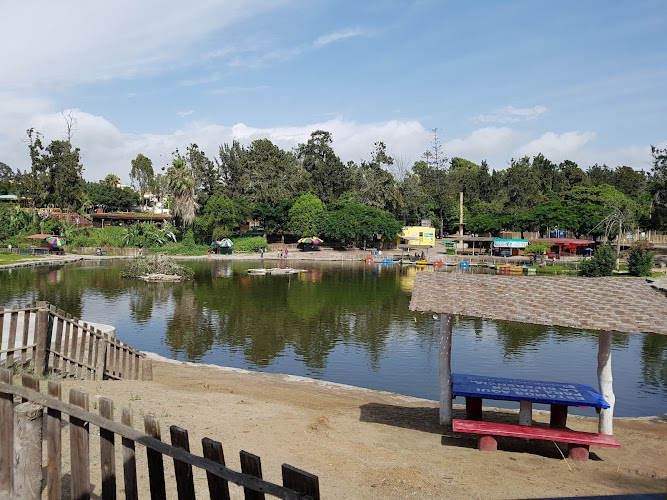
Tree Nursery
Find Accommodations Nearby
Recommended Tours & Activities
Visitor Reviews
There are no reviews yet. Be the first one to write one.
Share Your Experience
Have you visited TerminalPesqueroLaCaleta? Help other travelers by leaving a review.