About Tengku Ampuan Jemaah Masjid

Description

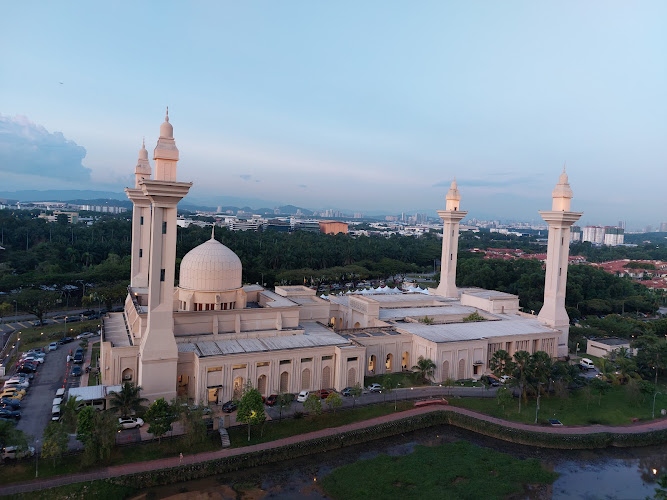
The Tengku Ampuan Jemaah Masjid stands as one of Malaysia's most striking contemporary mosques, and honestly, it's the kind of place that makes you stop and stare even if you've seen a hundred mosques before. Built with modern architectural sensibilities while respecting traditional Islamic design principles, this mosque serves both as an active place of worship and a tourist destination that welcomes visitors from around the world. What makes this mosque particularly special is how it manages to be both grand and approachable at the same time. The building's design incorporates sleek lines and impressive scale without feeling intimidating or cold. During my conversations with travelers who've been there, many mentioned feeling an unexpected sense of peace wash over them the moment they stepped onto the grounds – and that's not just the usual travel blogger hyperbole, it's a genuine reaction people have to this space. The mosque accommodates thousands of worshippers and has become an important religious center for the local Muslim community. But beyond its religious function, it's also emerged as a significant cultural landmark that helps visitors understand Islamic architecture and Malaysian religious practices. The building represents a bridge between tradition and modernity, which you'll notice in everything from the prayer halls to the ablution facilities. For travelers, this isn't just another stop on a sightseeing tour. It's a chance to experience living Islamic culture in a setting that's designed to welcome outsiders with genuine hospitality. The atmosphere during prayer times is particularly moving, even if you're just observing respectfully from designated areas.

Key Features

The Tengku Ampuan Jemaah Masjid offers several distinctive features that make it worth including in your Malaysia itinerary:
  • Contemporary Architectural Design: The mosque showcases modern Islamic architecture that breaks away from traditional dome-and-minaret templates while maintaining spiritual authenticity. The clean geometric lines and innovative use of space create an aesthetic that's both photogenic and spiritually meaningful.
  • Full Accessibility Features: This is something that doesn't get talked about enough in travel guides, but the mosque is genuinely accessible with wheelchair-friendly entrances, parking areas, and restrooms throughout. It's refreshing to see a major religious site that takes inclusivity seriously.
  • Spacious Prayer Halls: The main prayer hall can accommodate large congregations and features beautiful interior design elements that enhance the worship experience. The acoustics are particularly impressive during prayer times.
  • Well-Maintained Facilities: Clean restrooms and proper amenities are available onsite, which honestly matters more than people think when you're traveling and visiting multiple locations in a day.
  • Educational Opportunities: The mosque provides chances to learn about Islamic practices and Malaysian Muslim culture. Some visitors have found staff members willing to answer questions and explain various aspects of the faith.
  • Peaceful Grounds: The surrounding areas offer quiet spaces for reflection and photography, with landscaping that complements the building's architectural vision.
  • Active Community Center: Unlike some mosques that function primarily as tourist attractions, this remains a working religious facility where you can observe authentic worship practices.

Best Time to Visit

Timing your visit to the Tengku Ampuan Jemaah Masjid can make a significant difference in your experience, and I've learned this the hard way through trial and error at various religious sites. The ideal time for tourists is typically during mid-morning hours, roughly between 10 AM and 11:30 AM on weekdays. During these windows, you'll find the mosque relatively quiet with fewer worshippers, making it easier to explore and take photographs without feeling like you're intruding on someone's spiritual practice. And let's be real – nobody wants to be that tourist who's clicking away with their camera right when people are trying to pray. Friday afternoons are the busiest time at any mosque since that's when the main congregational prayers happen. If you want to experience the mosque at its most active and see Islamic worship in practice, Friday around midday offers that opportunity. But be prepared for crowds and remember that as a non-Muslim visitor, you'll need to stay in designated observation areas and be extra respectful during this sacred time. Early mornings right after dawn prayer (Fajr) can be magical if you're an early riser. The light is gorgeous for photography, and there's something special about seeing a place of worship in those quiet hours. However, you'll want to verify the mosque is open to visitors at that time. Regarding seasons, Malaysia's tropical climate means you're dealing with heat and humidity year-round. The drier months from May through September generally offer more comfortable conditions for outdoor exploration, though afternoon rain showers can pop up any time of year. I'd suggest visiting earlier in the day before the tropical heat becomes overwhelming – trust me on this one. Ramadan presents a unique situation. The mosque becomes particularly active during this holy month, with special prayers and community activities. Some travelers find this fascinating, others feel it's better to visit when things are calmer and you can explore more freely. It really depends on what kind of experience you're looking for.

How to Get There

Getting to the Tengku Ampuan Jemaah Masjid requires a bit of planning, but it's definitely manageable even if you're not familiar with the area. For most international travelers, you'll be starting from Kuala Lumpur or another major city in Malaysia. The mosque is located in Selangor, and depending on traffic conditions, the journey can take anywhere from 45 minutes to over an hour from central KL. Malaysian traffic can be unpredictable, so always build in extra time. Driving yourself via rental car is probably the most flexible option if you're comfortable navigating Malaysian roads. The parking facilities are accessible and can accommodate visitors, which is a relief when you're in an unfamiliar area. GPS navigation works well in this region, though I'd recommend downloading offline maps just in case your data connection gets spotty. Ride-sharing services like Grab work excellently in Malaysia and are often more affordable than you'd expect. The drivers are usually familiar with major mosques and landmarks. Just make sure your driver knows exactly which mosque you're visiting since there are many in the region. Having the address saved in Malay can help avoid confusion. Public transportation is possible but requires more effort. You'd likely need to combine train or bus travel with a taxi or Grab ride for the final leg. This option works if you're on a tight budget, but it'll take longer and require more patience. If you're staying at a hotel in the area, ask the concierge about arranged transportation. Some hotels offer tour services that include mosque visits as part of broader cultural tours, which can be convenient if you want a guided experience. The surrounding area has decent road signage, though not everything is in English. Having a translation app handy can help if you need to ask for directions.

Tips for Visiting

Visiting any religious site requires cultural sensitivity, and the Tengku Ampuan Jemaah Masjid is no exception. Here's what you need to know to have a respectful and enjoyable experience. Dress modestly – this isn't negotiable. Women should cover their hair with a scarf, wear long sleeves, and ensure their clothing covers their legs completely. Men need long pants and shirts that cover their shoulders. Some mosques provide robes for visitors who arrive underdressed, but don't count on it. Pack appropriate clothing in your day bag just in case. Remove your shoes before entering any carpeted prayer areas. There will be designated spots for shoe storage, and yes, your shoes will still be there when you come back. I was nervous about this the first time too, but it's completely safe. Photography policies vary depending on what's happening at the mosque. Generally, you can take photos of the architecture and grounds, but avoid photographing people who are praying without explicit permission. It's just common courtesy. The building itself is photogenic enough that you won't struggle for interesting shots. Bring a small bottle of water with you, especially if you're visiting during warmer parts of the day. The mosque has amenities, but having your own water is always smart in tropical climates. But remember to be mindful about drinking in public areas during Ramadan if you visit during that period. Learn a few basic Malay phrases before you go. "Terima kasih" (thank you) and "Maaf" (excuse me/sorry) go a long way in showing respect. People appreciate when visitors make even small efforts to engage with local language and customs. Visit outside of prayer times if you want to explore more freely. Prayer times shift throughout the year based on sunrise and sunset, so check the daily prayer schedule before you go. Most mosques post these times prominently. Be prepared for security checks. Like many religious sites worldwide, mosques may have security measures in place. Just cooperate with any requests from staff or security personnel. Don't rush your visit. This isn't the kind of place where you snap three photos and move on. Give yourself at least an hour to properly appreciate the architecture, soak in the atmosphere, and maybe sit quietly for a bit. Some of my best travel memories come from moments when I wasn't rushing to the next attraction. If you're visiting as a non-Muslim and have genuine questions about Islam or the mosque, most people are happy to share information. Just approach conversations with respect and openness rather than judgment or preconceived notions. The accessible facilities mean that travelers with mobility challenges can fully experience the mosque, which is fantastic. Don't hesitate to use the accessible entrances and restrooms – they're there for anyone who needs them. Finally, remember that this is first and foremost a place of worship. Your experience as a tourist is secondary to the religious activities of the community. Approach your visit with humility and respect, and you'll leave with a deeper appreciation for Islamic culture and Malaysian hospitality.

Key Features

  • Key Features
  • Best Time to Visit
  • How to Get There
  • Tips for Visiting

More Details

Updated March 30, 2026

Description

The Tengku Ampuan Jemaah Masjid stands as one of Malaysia’s most striking contemporary mosques, and honestly, it’s the kind of place that makes you stop and stare even if you’ve seen a hundred mosques before. Built with modern architectural sensibilities while respecting traditional Islamic design principles, this mosque serves both as an active place of worship and a tourist destination that welcomes visitors from around the world.

What makes this mosque particularly special is how it manages to be both grand and approachable at the same time. The building’s design incorporates sleek lines and impressive scale without feeling intimidating or cold. During my conversations with travelers who’ve been there, many mentioned feeling an unexpected sense of peace wash over them the moment they stepped onto the grounds – and that’s not just the usual travel blogger hyperbole, it’s a genuine reaction people have to this space.

The mosque accommodates thousands of worshippers and has become an important religious center for the local Muslim community. But beyond its religious function, it’s also emerged as a significant cultural landmark that helps visitors understand Islamic architecture and Malaysian religious practices. The building represents a bridge between tradition and modernity, which you’ll notice in everything from the prayer halls to the ablution facilities.

For travelers, this isn’t just another stop on a sightseeing tour. It’s a chance to experience living Islamic culture in a setting that’s designed to welcome outsiders with genuine hospitality. The atmosphere during prayer times is particularly moving, even if you’re just observing respectfully from designated areas.

Key Features

The Tengku Ampuan Jemaah Masjid offers several distinctive features that make it worth including in your Malaysia itinerary:

  • Contemporary Architectural Design: The mosque showcases modern Islamic architecture that breaks away from traditional dome-and-minaret templates while maintaining spiritual authenticity. The clean geometric lines and innovative use of space create an aesthetic that’s both photogenic and spiritually meaningful.
  • Full Accessibility Features: This is something that doesn’t get talked about enough in travel guides, but the mosque is genuinely accessible with wheelchair-friendly entrances, parking areas, and restrooms throughout. It’s refreshing to see a major religious site that takes inclusivity seriously.
  • Spacious Prayer Halls: The main prayer hall can accommodate large congregations and features beautiful interior design elements that enhance the worship experience. The acoustics are particularly impressive during prayer times.
  • Well-Maintained Facilities: Clean restrooms and proper amenities are available onsite, which honestly matters more than people think when you’re traveling and visiting multiple locations in a day.
  • Educational Opportunities: The mosque provides chances to learn about Islamic practices and Malaysian Muslim culture. Some visitors have found staff members willing to answer questions and explain various aspects of the faith.
  • Peaceful Grounds: The surrounding areas offer quiet spaces for reflection and photography, with landscaping that complements the building’s architectural vision.
  • Active Community Center: Unlike some mosques that function primarily as tourist attractions, this remains a working religious facility where you can observe authentic worship practices.

Best Time to Visit

Timing your visit to the Tengku Ampuan Jemaah Masjid can make a significant difference in your experience, and I’ve learned this the hard way through trial and error at various religious sites.

The ideal time for tourists is typically during mid-morning hours, roughly between 10 AM and 11:30 AM on weekdays. During these windows, you’ll find the mosque relatively quiet with fewer worshippers, making it easier to explore and take photographs without feeling like you’re intruding on someone’s spiritual practice. And let’s be real – nobody wants to be that tourist who’s clicking away with their camera right when people are trying to pray.

Friday afternoons are the busiest time at any mosque since that’s when the main congregational prayers happen. If you want to experience the mosque at its most active and see Islamic worship in practice, Friday around midday offers that opportunity. But be prepared for crowds and remember that as a non-Muslim visitor, you’ll need to stay in designated observation areas and be extra respectful during this sacred time.

Early mornings right after dawn prayer (Fajr) can be magical if you’re an early riser. The light is gorgeous for photography, and there’s something special about seeing a place of worship in those quiet hours. However, you’ll want to verify the mosque is open to visitors at that time.

Regarding seasons, Malaysia’s tropical climate means you’re dealing with heat and humidity year-round. The drier months from May through September generally offer more comfortable conditions for outdoor exploration, though afternoon rain showers can pop up any time of year. I’d suggest visiting earlier in the day before the tropical heat becomes overwhelming – trust me on this one.

Ramadan presents a unique situation. The mosque becomes particularly active during this holy month, with special prayers and community activities. Some travelers find this fascinating, others feel it’s better to visit when things are calmer and you can explore more freely. It really depends on what kind of experience you’re looking for.

How to Get There

Getting to the Tengku Ampuan Jemaah Masjid requires a bit of planning, but it’s definitely manageable even if you’re not familiar with the area.

For most international travelers, you’ll be starting from Kuala Lumpur or another major city in Malaysia. The mosque is located in Selangor, and depending on traffic conditions, the journey can take anywhere from 45 minutes to over an hour from central KL. Malaysian traffic can be unpredictable, so always build in extra time.

Driving yourself via rental car is probably the most flexible option if you’re comfortable navigating Malaysian roads. The parking facilities are accessible and can accommodate visitors, which is a relief when you’re in an unfamiliar area. GPS navigation works well in this region, though I’d recommend downloading offline maps just in case your data connection gets spotty.

Ride-sharing services like Grab work excellently in Malaysia and are often more affordable than you’d expect. The drivers are usually familiar with major mosques and landmarks. Just make sure your driver knows exactly which mosque you’re visiting since there are many in the region. Having the address saved in Malay can help avoid confusion.

Public transportation is possible but requires more effort. You’d likely need to combine train or bus travel with a taxi or Grab ride for the final leg. This option works if you’re on a tight budget, but it’ll take longer and require more patience.

If you’re staying at a hotel in the area, ask the concierge about arranged transportation. Some hotels offer tour services that include mosque visits as part of broader cultural tours, which can be convenient if you want a guided experience.

The surrounding area has decent road signage, though not everything is in English. Having a translation app handy can help if you need to ask for directions.

Tips for Visiting

Visiting any religious site requires cultural sensitivity, and the Tengku Ampuan Jemaah Masjid is no exception. Here’s what you need to know to have a respectful and enjoyable experience.

Dress modestly – this isn’t negotiable. Women should cover their hair with a scarf, wear long sleeves, and ensure their clothing covers their legs completely. Men need long pants and shirts that cover their shoulders. Some mosques provide robes for visitors who arrive underdressed, but don’t count on it. Pack appropriate clothing in your day bag just in case.

Remove your shoes before entering any carpeted prayer areas. There will be designated spots for shoe storage, and yes, your shoes will still be there when you come back. I was nervous about this the first time too, but it’s completely safe.

Photography policies vary depending on what’s happening at the mosque. Generally, you can take photos of the architecture and grounds, but avoid photographing people who are praying without explicit permission. It’s just common courtesy. The building itself is photogenic enough that you won’t struggle for interesting shots.

Bring a small bottle of water with you, especially if you’re visiting during warmer parts of the day. The mosque has amenities, but having your own water is always smart in tropical climates. But remember to be mindful about drinking in public areas during Ramadan if you visit during that period.

Learn a few basic Malay phrases before you go. “Terima kasih” (thank you) and “Maaf” (excuse me/sorry) go a long way in showing respect. People appreciate when visitors make even small efforts to engage with local language and customs.

Visit outside of prayer times if you want to explore more freely. Prayer times shift throughout the year based on sunrise and sunset, so check the daily prayer schedule before you go. Most mosques post these times prominently.

Be prepared for security checks. Like many religious sites worldwide, mosques may have security measures in place. Just cooperate with any requests from staff or security personnel.

Don’t rush your visit. This isn’t the kind of place where you snap three photos and move on. Give yourself at least an hour to properly appreciate the architecture, soak in the atmosphere, and maybe sit quietly for a bit. Some of my best travel memories come from moments when I wasn’t rushing to the next attraction.

If you’re visiting as a non-Muslim and have genuine questions about Islam or the mosque, most people are happy to share information. Just approach conversations with respect and openness rather than judgment or preconceived notions.

The accessible facilities mean that travelers with mobility challenges can fully experience the mosque, which is fantastic. Don’t hesitate to use the accessible entrances and restrooms – they’re there for anyone who needs them.

Finally, remember that this is first and foremost a place of worship. Your experience as a tourist is secondary to the religious activities of the community. Approach your visit with humility and respect, and you’ll leave with a deeper appreciation for Islamic culture and Malaysian hospitality.

Key Highlights

  • Key Features
  • Best Time to Visit
  • How to Get There
  • Tips for Visiting

Location

Places to Stay Near Tengku Ampuan Jemaah Masjid

Find and Book a Tour

Explore More Travel Guides

No reviews found! Be the first to review!

Tengku Ampuan Jemaah Masjid is a prominent attractions located in Shah Alam.

Visit us at: Lot Masjid, Jalan Bazar U8/98, Seksyen U8, Bukit Jelutong, 40150 Shah Alam, Selangor, Malaysia.

Traveler Reviews for Tengku Ampuan Jemaah Masjid

There are no reviews yet. Be the first one to write one.

Share Your Experience

Have you visited Tengku Ampuan Jemaah Masjid? Help other travelers by sharing your review.

Find Accommodations Nearby

Recommended Tours & Activities

Visitor Reviews

There are no reviews yet. Be the first one to write one.

Share Your Experience

Have you visited Tengku Ampuan Jemaah Masjid? Help other travelers by leaving a review.