
Temple Protestant Papeete
About Temple Protestant Papeete
Description
The Temple Protestant Papeete is one of those places that quietly surprises you. It’s not the kind of landmark that shouts for attention, but rather one that draws you in with calm dignity. Located in the heart of Papeete, this temple reflects a deep part of Tahiti’s colonial and spiritual history, a reminder of when European missionaries first brought Protestantism to the islands. The building itself, modest but elegant, has a kind of understated charm that feels both old-world and distinctly Polynesian. You can almost feel the mixture of cultures in the air—the European architectural influence blended with the warmth and friendliness that Tahiti is known for.
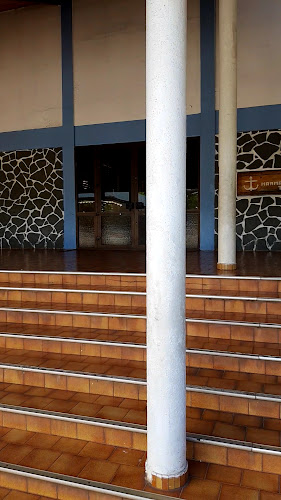
Walking up to the temple, the first thing that caught my eye was its clean, simple façade. It’s not dripping in ornamentation like some cathedrals you might find in Europe, but that’s part of its beauty. The whitewashed walls and tall windows let in an abundance of light, giving the interior this peaceful glow that feels almost sacred. The wooden pews creak softly underfoot, and if you happen to visit during a service, you’ll hear hymns sung in both French and Tahitian—a moving experience even if you don’t understand every word. The acoustics inside are surprisingly good, and the sound seems to linger in the air a bit longer than you’d expect, as if the building itself is humming along.
What I personally love about the Temple Protestant Papeete is how it manages to feel both historical and alive. It isn’t a museum piece; it’s a living place of worship that still plays an important role in the local community. You might see families arriving together on Sunday mornings, dressed in crisp white clothes or colorful pareos, greeting each other with genuine warmth. It’s that sense of connection that makes this temple more than just another stop on a sightseeing itinerary. There’s a gentle rhythm to life here that you start to notice if you linger long enough.
Outside, the grounds are tidy and well-kept, with tropical plants adding a splash of green around the perimeter. There’s a certain serenity to the space that makes it a good spot to pause for a few minutes, especially if you’ve been exploring the busy streets of downtown Papeete. The temple’s proximity to the waterfront and local markets makes it easy to include in a day of wandering around the city. And if accessibility is a concern, it’s worth noting that the temple offers wheelchair-accessible parking, which is a thoughtful touch that not every historic site in the region can claim.
Some travelers might overlook the Temple Protestant Papeete in favor of flashier attractions, but those who take the time to stop by often come away touched by its quiet grace. It’s not about grandeur here—it’s about authenticity, history, and the enduring spirit of faith that continues to shape the island’s identity. There’s something special about standing in a place where generations have gathered to sing, pray, and celebrate life, all under the same roof. It’s humbling, really.
Key Features
- Historical significance: One of the earliest Protestant churches established in Tahiti, representing the influence of 19th-century missionary efforts.
- Architectural simplicity: A clean, white exterior with wooden interior elements that reflect both European and Polynesian design sensibilities.
- Active congregation: Still serves as a functioning place of worship for the local community, offering services in French and Tahitian.
- Peaceful atmosphere: Ideal for travelers seeking a quiet moment of reflection away from the bustle of Papeete’s markets and harbor.
- Accessibility: Wheelchair-accessible parking and easy entry make it welcoming to visitors of all mobility levels.
- Central location: Conveniently situated near downtown attractions, making it easy to include in a walking tour of the city.
- Cultural connection: Offers insight into the spiritual and social fabric of Tahiti, connecting travelers to the island’s living traditions.
Best Time to Visit
Honestly, there’s no bad time to visit the Temple Protestant Papeete, but the experience can vary depending on what you’re hoping to get out of it. If you’re keen to attend a service and really immerse yourself in the local culture, Sunday mornings are the best. The congregation gathers early, and you’ll likely hear the melodic blend of voices singing hymns that echo beautifully through the open windows. Even if you’re not particularly religious, it’s worth attending just for the cultural experience—it’s heartfelt, communal, and deeply rooted in Tahitian life.
If you prefer a quieter visit, weekdays are ideal. The temple is usually open for visitors, and you can wander around at your own pace, taking in the architecture and the tranquil surroundings. The morning light tends to be especially lovely, casting soft shadows across the pews and illuminating the stained glass. Late afternoons can be warm, but there’s something peaceful about watching the sunlight fade through the windows as the city outside starts to wind down. I once stopped by after a long walk along the waterfront, and the cool stillness inside the temple felt like a gentle reset button for the day.
Weather-wise, Tahiti’s tropical climate means it’s warm year-round, but the dry season—from May to October—is the most comfortable for sightseeing. The humidity drops a bit, and there’s less chance of those sudden, dramatic rain showers that can catch you off guard. That said, even during the wetter months, the temple’s calm interior offers a welcome shelter from the rain. There’s something oddly poetic about listening to the rain tapping on the roof while you sit quietly inside.
How to Get There
Getting to the Temple Protestant Papeete is pretty straightforward, especially if you’re staying in or near downtown Papeete. Most of the city’s main attractions are within walking distance of each other, and the temple is no exception. If you’re already exploring the nearby market or waterfront, you can easily stroll over in ten or fifteen minutes. Along the way, you’ll pass local shops, cafés, and maybe even a few street musicians adding their own soundtrack to your walk.
For those coming from a bit farther out, taxis and local buses are reliable options. The local bus system—called “le truck” by some—has routes that pass near the temple, and drivers are usually friendly and helpful if you ask for directions. Renting a car gives you more flexibility, especially if you plan to explore beyond Papeete after your visit. Parking is available nearby, including wheelchair-accessible spots, which makes it convenient for all types of travelers. Personally, I prefer walking whenever possible; it’s the best way to absorb the atmosphere of the city and stumble upon those little details you’d miss from behind a windshield.
If you’re arriving by cruise ship, you’re in luck—the port is quite close. Many passengers take a short walk from the dock to see the temple as part of their day ashore. It’s a great way to get a sense of local life beyond the main tourist spots. Just remember to bring water and sunscreen; the tropical sun can be relentless, even on a short walk.
Tips for Visiting
Visiting the Temple Protestant Papeete is pretty straightforward, but a few small details can make your experience even more enjoyable. First off, dress modestly. While Tahiti is generally relaxed about attire, this is still a place of worship. Light, breathable clothing that covers shoulders and knees is a good choice, especially if you’re planning to attend a service. I once forgot to bring a shawl and ended up feeling a bit underdressed—lesson learned.
Photography is usually allowed, but it’s polite to ask first, especially if there’s a service or event happening. Locals are friendly and welcoming, but showing respect goes a long way. If you’re there during a ceremony, take a moment to just listen. The music and spoken prayers carry a sincerity that’s deeply moving, even if you’re just an observer. And if you’re lucky enough to chat with a member of the congregation afterward, you might learn fascinating tidbits about the temple’s history or the role it plays in community life.
Another thing to keep in mind is timing. Services can fill up quickly, and seating is limited, so arriving early is smart. On non-service days, check the opening hours in advance since they can vary slightly. Bring a bottle of water and maybe a small fan if you’re visiting during the hotter months—though the thick stone walls do a decent job of keeping the interior cool. And if you’re someone who likes journaling or sketching while you travel, this is the perfect spot for it. The quiet ambiance practically invites reflection.
Lastly, don’t rush your visit. It’s tempting to hop from one attraction to another, but the Temple Protestant Papeete rewards those who slow down. Sit for a while. Let the sounds, the light, the subtle scent of old wood and sea air sink in. That’s when you really start to feel the soul of the place. And when you step back outside into the bright Tahitian sunshine, you’ll carry a little bit of that calm with you for the rest of your day.
Key Features
- Key Features
- Best Time to Visit
- How to Get There
- Tips for Visiting
More Details
Updated October 8, 2025
Table of Contents
Description
The Temple Protestant Papeete is one of those places that quietly surprises you. It’s not the kind of landmark that shouts for attention, but rather one that draws you in with calm dignity. Located in the heart of Papeete, this temple reflects a deep part of Tahiti’s colonial and spiritual history, a reminder of when European missionaries first brought Protestantism to the islands. The building itself, modest but elegant, has a kind of understated charm that feels both old-world and distinctly Polynesian. You can almost feel the mixture of cultures in the air—the European architectural influence blended with the warmth and friendliness that Tahiti is known for.
Walking up to the temple, the first thing that caught my eye was its clean, simple façade. It’s not dripping in ornamentation like some cathedrals you might find in Europe, but that’s part of its beauty. The whitewashed walls and tall windows let in an abundance of light, giving the interior this peaceful glow that feels almost sacred. The wooden pews creak softly underfoot, and if you happen to visit during a service, you’ll hear hymns sung in both French and Tahitian—a moving experience even if you don’t understand every word. The acoustics inside are surprisingly good, and the sound seems to linger in the air a bit longer than you’d expect, as if the building itself is humming along.
What I personally love about the Temple Protestant Papeete is how it manages to feel both historical and alive. It isn’t a museum piece; it’s a living place of worship that still plays an important role in the local community. You might see families arriving together on Sunday mornings, dressed in crisp white clothes or colorful pareos, greeting each other with genuine warmth. It’s that sense of connection that makes this temple more than just another stop on a sightseeing itinerary. There’s a gentle rhythm to life here that you start to notice if you linger long enough.
Outside, the grounds are tidy and well-kept, with tropical plants adding a splash of green around the perimeter. There’s a certain serenity to the space that makes it a good spot to pause for a few minutes, especially if you’ve been exploring the busy streets of downtown Papeete. The temple’s proximity to the waterfront and local markets makes it easy to include in a day of wandering around the city. And if accessibility is a concern, it’s worth noting that the temple offers wheelchair-accessible parking, which is a thoughtful touch that not every historic site in the region can claim.
Some travelers might overlook the Temple Protestant Papeete in favor of flashier attractions, but those who take the time to stop by often come away touched by its quiet grace. It’s not about grandeur here—it’s about authenticity, history, and the enduring spirit of faith that continues to shape the island’s identity. There’s something special about standing in a place where generations have gathered to sing, pray, and celebrate life, all under the same roof. It’s humbling, really.
Key Features
- Historical significance: One of the earliest Protestant churches established in Tahiti, representing the influence of 19th-century missionary efforts.
- Architectural simplicity: A clean, white exterior with wooden interior elements that reflect both European and Polynesian design sensibilities.
- Active congregation: Still serves as a functioning place of worship for the local community, offering services in French and Tahitian.
- Peaceful atmosphere: Ideal for travelers seeking a quiet moment of reflection away from the bustle of Papeete’s markets and harbor.
- Accessibility: Wheelchair-accessible parking and easy entry make it welcoming to visitors of all mobility levels.
- Central location: Conveniently situated near downtown attractions, making it easy to include in a walking tour of the city.
- Cultural connection: Offers insight into the spiritual and social fabric of Tahiti, connecting travelers to the island’s living traditions.
Best Time to Visit
Honestly, there’s no bad time to visit the Temple Protestant Papeete, but the experience can vary depending on what you’re hoping to get out of it. If you’re keen to attend a service and really immerse yourself in the local culture, Sunday mornings are the best. The congregation gathers early, and you’ll likely hear the melodic blend of voices singing hymns that echo beautifully through the open windows. Even if you’re not particularly religious, it’s worth attending just for the cultural experience—it’s heartfelt, communal, and deeply rooted in Tahitian life.
If you prefer a quieter visit, weekdays are ideal. The temple is usually open for visitors, and you can wander around at your own pace, taking in the architecture and the tranquil surroundings. The morning light tends to be especially lovely, casting soft shadows across the pews and illuminating the stained glass. Late afternoons can be warm, but there’s something peaceful about watching the sunlight fade through the windows as the city outside starts to wind down. I once stopped by after a long walk along the waterfront, and the cool stillness inside the temple felt like a gentle reset button for the day.
Weather-wise, Tahiti’s tropical climate means it’s warm year-round, but the dry season—from May to October—is the most comfortable for sightseeing. The humidity drops a bit, and there’s less chance of those sudden, dramatic rain showers that can catch you off guard. That said, even during the wetter months, the temple’s calm interior offers a welcome shelter from the rain. There’s something oddly poetic about listening to the rain tapping on the roof while you sit quietly inside.
How to Get There
Getting to the Temple Protestant Papeete is pretty straightforward, especially if you’re staying in or near downtown Papeete. Most of the city’s main attractions are within walking distance of each other, and the temple is no exception. If you’re already exploring the nearby market or waterfront, you can easily stroll over in ten or fifteen minutes. Along the way, you’ll pass local shops, cafés, and maybe even a few street musicians adding their own soundtrack to your walk.
For those coming from a bit farther out, taxis and local buses are reliable options. The local bus system—called “le truck” by some—has routes that pass near the temple, and drivers are usually friendly and helpful if you ask for directions. Renting a car gives you more flexibility, especially if you plan to explore beyond Papeete after your visit. Parking is available nearby, including wheelchair-accessible spots, which makes it convenient for all types of travelers. Personally, I prefer walking whenever possible; it’s the best way to absorb the atmosphere of the city and stumble upon those little details you’d miss from behind a windshield.
If you’re arriving by cruise ship, you’re in luck—the port is quite close. Many passengers take a short walk from the dock to see the temple as part of their day ashore. It’s a great way to get a sense of local life beyond the main tourist spots. Just remember to bring water and sunscreen; the tropical sun can be relentless, even on a short walk.
Tips for Visiting
Visiting the Temple Protestant Papeete is pretty straightforward, but a few small details can make your experience even more enjoyable. First off, dress modestly. While Tahiti is generally relaxed about attire, this is still a place of worship. Light, breathable clothing that covers shoulders and knees is a good choice, especially if you’re planning to attend a service. I once forgot to bring a shawl and ended up feeling a bit underdressed—lesson learned.
Photography is usually allowed, but it’s polite to ask first, especially if there’s a service or event happening. Locals are friendly and welcoming, but showing respect goes a long way. If you’re there during a ceremony, take a moment to just listen. The music and spoken prayers carry a sincerity that’s deeply moving, even if you’re just an observer. And if you’re lucky enough to chat with a member of the congregation afterward, you might learn fascinating tidbits about the temple’s history or the role it plays in community life.
Another thing to keep in mind is timing. Services can fill up quickly, and seating is limited, so arriving early is smart. On non-service days, check the opening hours in advance since they can vary slightly. Bring a bottle of water and maybe a small fan if you’re visiting during the hotter months—though the thick stone walls do a decent job of keeping the interior cool. And if you’re someone who likes journaling or sketching while you travel, this is the perfect spot for it. The quiet ambiance practically invites reflection.
Lastly, don’t rush your visit. It’s tempting to hop from one attraction to another, but the Temple Protestant Papeete rewards those who slow down. Sit for a while. Let the sounds, the light, the subtle scent of old wood and sea air sink in. That’s when you really start to feel the soul of the place. And when you step back outside into the bright Tahitian sunshine, you’ll carry a little bit of that calm with you for the rest of your day.
Key Highlights
- Key Features
- Best Time to Visit
- How to Get There
- Tips for Visiting
Location
Places to Stay Near Temple Protestant Papeete
Find and Book a Tour
Explore More Travel Guides
No reviews found! Be the first to review!
Traveler Reviews for Temple Protestant Papeete
There are no reviews yet. Be the first one to write one.
Have you visited Temple Protestant Papeete? Help other travelers by sharing your review.
You Might Also Like

MANUA Exquisite Tahitian Art
Tahiti Night Guide

Maison De La Culture
Find Accommodations Nearby
Recommended Tours & Activities
Visitor Reviews
There are no reviews yet. Be the first one to write one.
Share Your Experience
Have you visited Temple Protestant Papeete? Help other travelers by leaving a review.