Papeete Tahiti Temple
About Papeete Tahiti Temple
Description
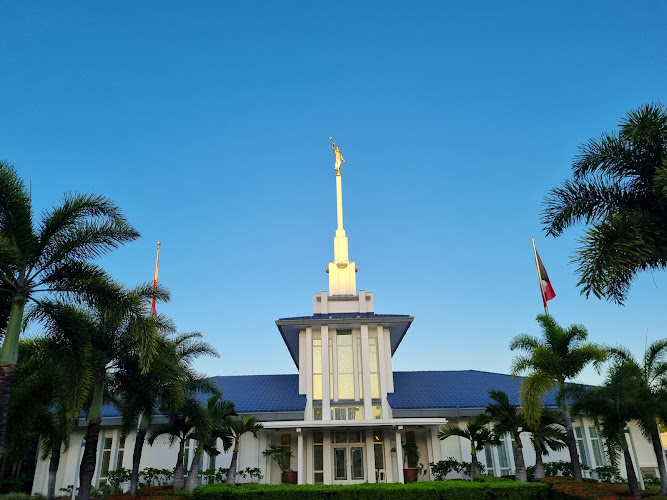
The Papeete Tahiti Temple stands quietly against the lush green backdrop of Tahiti’s hills, its single spire pointing gracefully toward the sky. It’s not just another landmark—it’s a place that carries an almost tangible sense of peace. Built by the Church of Jesus Christ of Latter-day Saints, this temple is one of those rare places where architecture, culture, and spirituality blend so naturally that even non-members find themselves pausing to take in the serenity. I remember the first time I saw it—late afternoon, golden light bouncing off the temple’s white stone walls, the ocean breeze soft but steady. It felt like time slowed down for a moment.
The temple’s design is simple yet deeply symbolic. There’s a touch of Polynesian artistry in the details—patterns and textures that echo the local culture, balanced with the clean lines typical of modern LDS temples. It’s not ostentatious, but it has a quiet elegance that fits perfectly with the Tahitian landscape. The grounds are immaculate, with tropical flowers blooming year-round and palm trees swaying like they’re part of a slow, sacred rhythm. Visitors often mention how calm it feels here, even if they’ve just come from the bustling streets of downtown Papeete.
Inside, the temple is reserved for members of the faith, but the exterior grounds are open to everyone. Many travelers come just to walk around the gardens, take photos, or sit by the fountains. There’s an unmistakable sense of welcome, even if you’re just passing through. And while it’s primarily a religious site, the temple has become a quiet favorite among travelers looking to experience a different side of Tahiti—something beyond beaches and resorts.
Key Features
- Beautifully maintained temple grounds with tropical gardens and fountains
- Distinctive single-spire design with Polynesian and French architectural influences
- Peaceful atmosphere ideal for reflection and photography
- Wheelchair-accessible entrances, restrooms, and parking
- Public visitors’ area and gardens open to all, regardless of faith
- Located just a short drive from central Papeete, making it easy to visit
- Occasional open house events where visitors can tour the interior before rededications
One of the things I really appreciate about this temple is how it manages to be both sacred and accessible. It’s not hidden behind walls or gates—it’s part of the community. Locals often bring their families here for evening walks or quiet conversations. You might even see newlyweds taking photos in front of the temple after their ceremony, surrounded by family and friends dressed in bright island prints. It’s a reminder that faith and culture coexist beautifully here.
Best Time to Visit
Tahiti’s weather is pretty consistent year-round, but if you want to experience the temple at its most photogenic, aim for the dry season—May through October. The skies are clearer, the humidity drops a little, and the gardens look especially lush after a light morning rain. I personally love visiting around sunset. The light turns everything golden, and the temple almost glows against the backdrop of the mountains. Early mornings are great too, especially if you prefer a quieter atmosphere. You’ll often find locals doing light gardening or maintenance, and they’re usually happy to chat if you’re curious about the temple’s history.
During the rainy season (November to April), you’ll still get warm weather, but expect short bursts of heavy rain. Don’t let that scare you off, though—there’s something magical about seeing the temple after a tropical downpour, when the air feels fresh and the gardens shimmer with raindrops. Just bring a light rain jacket or umbrella, and you’ll be fine.
How to Get There
Getting to the Papeete Tahiti Temple is straightforward. If you’re staying in or near downtown Papeete, it’s only a short drive away—about ten minutes or so, depending on traffic. Taxis are easy to find, but if you prefer exploring on your own, renting a scooter or small car is a fun option. The roads are well-paved, and the drive itself offers some lovely glimpses of local neighborhoods and greenery along the way.
If you’re coming from the cruise port, it’s an easy half-day excursion. Many visitors pair their temple stop with a visit to the nearby waterfalls or local markets. Public transportation options are limited, so it’s best to plan your trip with a bit of flexibility. For those who enjoy walking, it’s possible to reach the temple on foot from certain parts of Papeete, though the uphill sections can be a workout—especially under the midday sun.
Parking is available and conveniently located, with accessible spaces for visitors with mobility needs. And if you’re traveling with family or a group, the grounds offer plenty of shaded areas to rest or enjoy a quiet picnic before heading back into town.
Tips for Visiting
Visiting the Papeete Tahiti Temple isn’t complicated, but a few small tips can make your experience even better. First, dress modestly. Even though the gardens are open to the public, it’s still a sacred site, so respectful clothing is appreciated. Think light, breathable fabrics—Tahiti’s heat can be no joke, but you’ll be more comfortable if you’re dressed appropriately.
Photography is welcome on the temple grounds, but remember that the interior is reserved for members. The best photo spots, in my opinion, are near the front gates where you can capture the temple framed by palm trees, or near the reflecting pool that mirrors the spire perfectly on a calm day. Bring a wide-angle lens if you can—it helps capture the full scene without losing the sense of scale.
If you’re visiting with kids, they’ll probably enjoy exploring the gardens. The pathways are wide and stroller-friendly, and there’s plenty of room to wander without feeling crowded. For those who use wheelchairs or have limited mobility, the temple’s accessibility features make it easy to move around comfortably.
And here’s a small personal tip: bring a bottle of cold water and maybe a snack. There aren’t food vendors nearby, and you’ll likely want to linger longer than you expect. The peacefulness of the place has a way of slowing you down—in a good way. I once spent nearly an hour just sitting under a tree, listening to the faint sounds of the city in the distance and the soft rustling of leaves overhead. It’s one of those moments that sticks with you, long after you’ve left.
If you’re lucky enough to visit during one of the temple’s open house events—which happen before rededications—you’ll get the rare chance to see inside. Even if you’re not a member of the faith, it’s an incredible experience. The interior is beautifully designed, with artwork and details that reflect both Polynesian heritage and spiritual symbolism. The sense of reverence inside is palpable, yet warm and welcoming.
For travelers who love learning about local culture, the temple is an excellent way to understand how faith shapes daily life in Tahiti. It’s not just a building—it’s a living part of the community. The people you’ll meet here, whether groundskeepers, missionaries, or local families, often share stories about how the temple has been part of their lives for generations. Listening to them adds depth to your visit and helps you see Tahiti beyond its postcard-perfect beaches.
Before you go, check the temple’s hours, as they can vary depending on the day or special events. And if you’re hoping for a quiet visit, go early in the morning or later in the afternoon when the light is soft and the air cooler.
In the end, the Papeete Tahiti Temple is more than just a stop on your itinerary—it’s a place that invites reflection, calm, and connection. Whether you’re drawn by faith, architecture, or simple curiosity, you’ll walk away with a sense of peace that’s hard to find elsewhere. It’s one of those rare spots that manages to be both deeply spiritual and universally welcoming, reminding you that beauty and meaning often exist quietly, waiting for you to slow down and notice.
Key Features
- Beautifully maintained temple grounds with tropical gardens and fountains
- Distinctive single-spire design with Polynesian and French architectural influences
- Peaceful atmosphere ideal for reflection and photography
- Wheelchair-accessible entrances, restrooms, and parking
- Public visitors’ area and gardens open to all, regardless of faith
- Located just a short drive from central Papeete, making it easy to visit
- Occasional open house events where visitors can tour the interior before rededications
More Details
Updated October 8, 2025
Table of Contents
Description
The Papeete Tahiti Temple stands quietly against the lush green backdrop of Tahiti’s hills, its single spire pointing gracefully toward the sky. It’s not just another landmark—it’s a place that carries an almost tangible sense of peace. Built by the Church of Jesus Christ of Latter-day Saints, this temple is one of those rare places where architecture, culture, and spirituality blend so naturally that even non-members find themselves pausing to take in the serenity. I remember the first time I saw it—late afternoon, golden light bouncing off the temple’s white stone walls, the ocean breeze soft but steady. It felt like time slowed down for a moment.
The temple’s design is simple yet deeply symbolic. There’s a touch of Polynesian artistry in the details—patterns and textures that echo the local culture, balanced with the clean lines typical of modern LDS temples. It’s not ostentatious, but it has a quiet elegance that fits perfectly with the Tahitian landscape. The grounds are immaculate, with tropical flowers blooming year-round and palm trees swaying like they’re part of a slow, sacred rhythm. Visitors often mention how calm it feels here, even if they’ve just come from the bustling streets of downtown Papeete.
Inside, the temple is reserved for members of the faith, but the exterior grounds are open to everyone. Many travelers come just to walk around the gardens, take photos, or sit by the fountains. There’s an unmistakable sense of welcome, even if you’re just passing through. And while it’s primarily a religious site, the temple has become a quiet favorite among travelers looking to experience a different side of Tahiti—something beyond beaches and resorts.
Key Features
- Beautifully maintained temple grounds with tropical gardens and fountains
- Distinctive single-spire design with Polynesian and French architectural influences
- Peaceful atmosphere ideal for reflection and photography
- Wheelchair-accessible entrances, restrooms, and parking
- Public visitors’ area and gardens open to all, regardless of faith
- Located just a short drive from central Papeete, making it easy to visit
- Occasional open house events where visitors can tour the interior before rededications
One of the things I really appreciate about this temple is how it manages to be both sacred and accessible. It’s not hidden behind walls or gates—it’s part of the community. Locals often bring their families here for evening walks or quiet conversations. You might even see newlyweds taking photos in front of the temple after their ceremony, surrounded by family and friends dressed in bright island prints. It’s a reminder that faith and culture coexist beautifully here.
Best Time to Visit
Tahiti’s weather is pretty consistent year-round, but if you want to experience the temple at its most photogenic, aim for the dry season—May through October. The skies are clearer, the humidity drops a little, and the gardens look especially lush after a light morning rain. I personally love visiting around sunset. The light turns everything golden, and the temple almost glows against the backdrop of the mountains. Early mornings are great too, especially if you prefer a quieter atmosphere. You’ll often find locals doing light gardening or maintenance, and they’re usually happy to chat if you’re curious about the temple’s history.
During the rainy season (November to April), you’ll still get warm weather, but expect short bursts of heavy rain. Don’t let that scare you off, though—there’s something magical about seeing the temple after a tropical downpour, when the air feels fresh and the gardens shimmer with raindrops. Just bring a light rain jacket or umbrella, and you’ll be fine.
How to Get There
Getting to the Papeete Tahiti Temple is straightforward. If you’re staying in or near downtown Papeete, it’s only a short drive away—about ten minutes or so, depending on traffic. Taxis are easy to find, but if you prefer exploring on your own, renting a scooter or small car is a fun option. The roads are well-paved, and the drive itself offers some lovely glimpses of local neighborhoods and greenery along the way.
If you’re coming from the cruise port, it’s an easy half-day excursion. Many visitors pair their temple stop with a visit to the nearby waterfalls or local markets. Public transportation options are limited, so it’s best to plan your trip with a bit of flexibility. For those who enjoy walking, it’s possible to reach the temple on foot from certain parts of Papeete, though the uphill sections can be a workout—especially under the midday sun.
Parking is available and conveniently located, with accessible spaces for visitors with mobility needs. And if you’re traveling with family or a group, the grounds offer plenty of shaded areas to rest or enjoy a quiet picnic before heading back into town.
Tips for Visiting
Visiting the Papeete Tahiti Temple isn’t complicated, but a few small tips can make your experience even better. First, dress modestly. Even though the gardens are open to the public, it’s still a sacred site, so respectful clothing is appreciated. Think light, breathable fabrics—Tahiti’s heat can be no joke, but you’ll be more comfortable if you’re dressed appropriately.
Photography is welcome on the temple grounds, but remember that the interior is reserved for members. The best photo spots, in my opinion, are near the front gates where you can capture the temple framed by palm trees, or near the reflecting pool that mirrors the spire perfectly on a calm day. Bring a wide-angle lens if you can—it helps capture the full scene without losing the sense of scale.
If you’re visiting with kids, they’ll probably enjoy exploring the gardens. The pathways are wide and stroller-friendly, and there’s plenty of room to wander without feeling crowded. For those who use wheelchairs or have limited mobility, the temple’s accessibility features make it easy to move around comfortably.
And here’s a small personal tip: bring a bottle of cold water and maybe a snack. There aren’t food vendors nearby, and you’ll likely want to linger longer than you expect. The peacefulness of the place has a way of slowing you down—in a good way. I once spent nearly an hour just sitting under a tree, listening to the faint sounds of the city in the distance and the soft rustling of leaves overhead. It’s one of those moments that sticks with you, long after you’ve left.
If you’re lucky enough to visit during one of the temple’s open house events—which happen before rededications—you’ll get the rare chance to see inside. Even if you’re not a member of the faith, it’s an incredible experience. The interior is beautifully designed, with artwork and details that reflect both Polynesian heritage and spiritual symbolism. The sense of reverence inside is palpable, yet warm and welcoming.
For travelers who love learning about local culture, the temple is an excellent way to understand how faith shapes daily life in Tahiti. It’s not just a building—it’s a living part of the community. The people you’ll meet here, whether groundskeepers, missionaries, or local families, often share stories about how the temple has been part of their lives for generations. Listening to them adds depth to your visit and helps you see Tahiti beyond its postcard-perfect beaches.
Before you go, check the temple’s hours, as they can vary depending on the day or special events. And if you’re hoping for a quiet visit, go early in the morning or later in the afternoon when the light is soft and the air cooler.
In the end, the Papeete Tahiti Temple is more than just a stop on your itinerary—it’s a place that invites reflection, calm, and connection. Whether you’re drawn by faith, architecture, or simple curiosity, you’ll walk away with a sense of peace that’s hard to find elsewhere. It’s one of those rare spots that manages to be both deeply spiritual and universally welcoming, reminding you that beauty and meaning often exist quietly, waiting for you to slow down and notice.

Key Highlights
- Beautifully maintained temple grounds with tropical gardens and fountains
- Distinctive single-spire design with Polynesian and French architectural influences
- Peaceful atmosphere ideal for reflection and photography
- Wheelchair-accessible entrances, restrooms, and parking
- Public visitors’ area and gardens open to all, regardless of faith
- Located just a short drive from central Papeete, making it easy to visit
- Occasional open house events where visitors can tour the interior before rededications
Location
Places to Stay Near Papeete Tahiti Temple
Find and Book a Tour
Explore More Travel Guides
No reviews found! Be the first to review!
Traveler Reviews for Papeete Tahiti Temple
There are no reviews yet. Be the first one to write one.
Have you visited Papeete Tahiti Temple? Help other travelers by sharing your review.
Find Accommodations Nearby
Recommended Tours & Activities
Visitor Reviews
There are no reviews yet. Be the first one to write one.
Share Your Experience
Have you visited Papeete Tahiti Temple? Help other travelers by leaving a review.