

Temple of Zeus
About Temple of Zeus
Description
The Temple of Zeus stands as one of those monuments that makes you stop and really think about how much effort ancient civilizations put into honoring their gods. When I first walked through the scattered columns, I couldn't help but imagine what this place looked like in its prime – and honestly, it must have been absolutely breathtaking. This massive temple, dedicated to Zeus himself, once stood as the largest temple in Greece, and even in its current ruined state, it commands respect and wonder from everyone who visits. Located in the heart of Athens, this ancient sanctuary took nearly 700 years to complete, which is mind-boggling when you think about it. Construction started way back in the 6th century BCE under the tyrant Peisistratos, but the project kept getting abandoned and restarted until Roman Emperor Hadrian finally finished it in 131 CE. And you know what? That long construction period actually adds to its character. The temple represents different eras, different rulers, and different architectural styles all wrapped into one incredible historical monument. Today, only 15 of the original 104 Corinthian columns remain standing, but they're enough to give visitors a genuine sense of the temple's former grandeur. Each column towers at about 17 meters high, and standing next to them really puts human achievement into perspective. The site isn't just about the temple itself though – you'll find yourself wandering through an archaeological area that includes remnants of Roman baths, ancient houses, and other structures that paint a picture of life in ancient Athens. What strikes most travelers is how this place manages to feel both imposing and peaceful at the same time. You're literally standing in the middle of a modern city, yet the temple grounds offer this unexpected tranquility that's hard to find elsewhere in Athens. It's a spot where history doesn't just feel like something you read about in textbooks – it becomes real and tangible.Key Features
Visitors to the Temple of Zeus will discover several remarkable elements that make this historical landmark worth every minute spent exploring:- The towering Corinthian columns that showcase ancient Greek architectural mastery at its finest, with intricate capitals that survived millennia of weathering and conflict
- A fallen column that was toppled during a storm in 1852, now lying on the ground in a way that lets you examine up-close the construction techniques used by ancient builders
- Spectacular views of the Acropolis from multiple angles throughout the site, creating perfect photo opportunities that capture two iconic landmarks in one frame
- The remains of Roman additions including a triumphal arch and various structures that demonstrate how different civilizations built upon and modified the original Greek sanctuary
- An archaeological site that's genuinely kid-friendly, with plenty of open space for younger visitors to explore while learning about ancient history in an engaging outdoor setting
- Information plaques scattered throughout that help visitors understand the temple's significance without needing to hire a guide, though guides certainly add depth to the experience
- The surrounding gardens and pathways that make the site accessible and pleasant to navigate, even during warmer months when Athens can get quite hot
- A scale and grandeur that becomes more impressive the longer you spend there, revealing new details and perspectives as you walk around the remaining structures
Best Time to Visit
Timing your visit to the Temple of Zeus can genuinely make or break your experience, and I learned this the hard way. The site is open year-round, but when you choose to go matters more than you might initially think. Early morning visits are absolutely magical – we're talking around 8 AM when the gates first open. The light hits the columns in this gorgeous way, and you'll avoid both the crowds and the brutal afternoon heat that Athens is famous for. Plus, morning visits mean you're exploring when your energy levels are high, which matters when you're walking around examining ruins and taking photos. Late afternoon, particularly in the two hours before closing, offers another sweet spot for visitors. The tour groups have mostly cleared out by then, and the setting sun creates this warm glow on the marble that photographers absolutely love. But be warned – you won't have as much time to leisurely explore if you arrive too late. Season-wise, spring (April through May) and fall (September through October) are ideal. The weather's comfortable, the tourist crowds are more manageable than summer, and you can actually enjoy being outside without melting. I visited during July once and honestly, the heat was so intense it was hard to appreciate the site properly. Summer temperatures in Athens regularly exceed 35°C, and there's not much shade at the temple grounds. Winter visits have their own charm though. From November through March, you'll encounter far fewer tourists, and while it might be cooler, Athens winters are generally mild compared to northern Europe. Just bring a light jacket and you'll be fine. The reduced crowds mean better photos without random strangers photobombing your shots of ancient columns. Weekdays beat weekends hands down, especially if you're visiting during peak tourist season. Tuesday through Thursday typically see the lightest crowds, giving you more space to roam and contemplate without being surrounded by large tour groups.How to Get There
Getting to the Temple of Zeus is refreshingly straightforward, which isn't always the case with ancient sites. The temple sits right in central Athens, making it accessible through multiple transportation options that suit different travel styles and budgets. The Athens Metro system is probably your best bet for convenience and reliability. Take Line 2 (the red line) to Akropoli station, and you'll find yourself just a short 5-minute walk from the temple entrance. The metro in Athens is clean, efficient, and air-conditioned – a real blessing during those hot Mediterranean summers. From Syntagma Square, which is where many hotels cluster, it's genuinely walkable. The 15-minute stroll takes you through some interesting neighborhoods and gives you a feel for modern Athens alongside its ancient counterparts. Buses serve the area too, with several routes stopping near the temple. Routes 040, 209, and 550 all have stops within easy walking distance. The Athens public transportation system uses a unified ticketing system, so one ticket works across buses, metro, and trams for 90 minutes from validation. Taxis and ride-sharing services work well if you're traveling with kids or prefer door-to-door service. Just tell the driver "Olympieion" (the Greek name for the Temple of Zeus) and they'll know exactly where you mean. Most Athens taxi drivers have at least basic English, though having the destination written in Greek on your phone never hurts. For those staying in the Plaka or Monastiraki neighborhoods, walking is honestly the most enjoyable option. You'll pass by other archaeological sites, charming streets, and local cafes that give you a fuller picture of Athens beyond just its ancient monuments. The route from Syntagma Square along Amalias Avenue is particularly pleasant, with wide sidewalks and good signage. If you've purchased a combined ticket for Athens archaeological sites (which is recommended if you're planning to visit multiple locations), the Temple of Zeus is included. This makes it easy to incorporate into a larger sightseeing route that might include the Acropolis, Ancient Agora, and other significant historical landmarks.Tips for Visiting
Making the most of your Temple of Zeus experience requires some practical knowledge that guidebooks don't always emphasize. These tips come from actual experience and from observing what works (and what doesn't) for different types of travelers. Wear comfortable walking shoes – this cannot be stressed enough. The pathways are mostly flat but include uneven ancient paving stones and gravel areas. Those cute sandals might look great in photos, but your feet will hate you after an hour of exploration. Sneakers or proper walking shoes make the experience so much better. Bring water with you, particularly during warmer months. There are vendors near the entrance, but they charge tourist prices. A reusable water bottle saves money and keeps you hydrated while wandering around in the sun. There aren't many water fountains inside the archaeological site. The combined ticket for Athens archaeological sites costs about €30 and includes admission to the Acropolis, Ancient Agora, Roman Agora, Hadrian's Library, Kerameikos, and the Temple of Zeus. If you're planning to visit even three of these sites, the combined ticket saves money and lets you skip individual ticket lines. It's valid for five days, giving you flexibility in your sightseeing schedule. Photography is allowed and encouraged, so definitely bring your camera or ensure your phone is charged. The columns photograph beautifully from different angles, and the Acropolis views from the temple grounds are worth capturing. Early morning and late afternoon light creates the most dramatic images. Kids genuinely enjoy this site more than you might expect. The open spaces let them move around freely, and the sheer size of the columns captures their imagination. Consider turning it into a learning game – have them count columns, spot architectural details, or imagine what the complete temple looked like. The site is stroller-accessible, though the terrain is easier to navigate with a baby carrier for very young children. Don't rush through your visit. While you could technically see everything in 30 minutes, spending an hour or more lets you appreciate the details and atmosphere. Find a spot to sit (there are some benches and low walls) and just observe. Ancient sites reveal more when you take time to absorb them rather than just ticking them off a list. Consider visiting the nearby Arch of Hadrian, which sits just outside the temple grounds and requires no separate ticket. It's a quick stop that adds context to the Roman influence on this area of ancient Athens. Check the opening hours before you go, as they vary by season. The site typically opens at 8 AM but closing times shift between 3 PM in winter and 8 PM in summer. Greek public holidays can also affect hours, so a quick check of the official schedule prevents disappointment. Sun protection is essential – hat, sunglasses, and sunscreen. The archaeological site offers minimal shade, and the Greek sun is stronger than many northern European or North American visitors anticipate. Heat exhaustion isn't how you want to remember your visit to an ancient temple. Audio guides and printed materials are available at the entrance in multiple languages. While the site is somewhat self-explanatory, these resources add historical context and stories that enhance the experience. For history enthusiasts, they're definitely worth the small additional cost. The site is generally accessible for visitors with mobility limitations, with paved pathways connecting the main areas. However, some sections include steps or uneven ground, so individuals using wheelchairs or mobility aids should stick to the main paths where the surface is more predictable.Key Features
- Terraced two-level complex with stairways connecting upper and lower sanctuaries
- Commanding hilltop views over the Oval Plaza and Southern Theater
- Remaining Doric/Corinthian columns and carved capitals
- Integration of the temple's rear wall into Jerash's fortifications
- Archaeological reconstructions and museum models nearby illustrating original layout
More Details
Updated March 30, 2026
Table of Contents
Description
The Temple of Zeus stands as one of those monuments that makes you stop and really think about how much effort ancient civilizations put into honoring their gods. When I first walked through the scattered columns, I couldn’t help but imagine what this place looked like in its prime – and honestly, it must have been absolutely breathtaking. This massive temple, dedicated to Zeus himself, once stood as the largest temple in Greece, and even in its current ruined state, it commands respect and wonder from everyone who visits.
Located in the heart of Athens, this ancient sanctuary took nearly 700 years to complete, which is mind-boggling when you think about it. Construction started way back in the 6th century BCE under the tyrant Peisistratos, but the project kept getting abandoned and restarted until Roman Emperor Hadrian finally finished it in 131 CE. And you know what? That long construction period actually adds to its character. The temple represents different eras, different rulers, and different architectural styles all wrapped into one incredible historical monument.
Today, only 15 of the original 104 Corinthian columns remain standing, but they’re enough to give visitors a genuine sense of the temple’s former grandeur. Each column towers at about 17 meters high, and standing next to them really puts human achievement into perspective. The site isn’t just about the temple itself though – you’ll find yourself wandering through an archaeological area that includes remnants of Roman baths, ancient houses, and other structures that paint a picture of life in ancient Athens.
What strikes most travelers is how this place manages to feel both imposing and peaceful at the same time. You’re literally standing in the middle of a modern city, yet the temple grounds offer this unexpected tranquility that’s hard to find elsewhere in Athens. It’s a spot where history doesn’t just feel like something you read about in textbooks – it becomes real and tangible.
Key Features
Visitors to the Temple of Zeus will discover several remarkable elements that make this historical landmark worth every minute spent exploring:
- The towering Corinthian columns that showcase ancient Greek architectural mastery at its finest, with intricate capitals that survived millennia of weathering and conflict
- A fallen column that was toppled during a storm in 1852, now lying on the ground in a way that lets you examine up-close the construction techniques used by ancient builders
- Spectacular views of the Acropolis from multiple angles throughout the site, creating perfect photo opportunities that capture two iconic landmarks in one frame
- The remains of Roman additions including a triumphal arch and various structures that demonstrate how different civilizations built upon and modified the original Greek sanctuary
- An archaeological site that’s genuinely kid-friendly, with plenty of open space for younger visitors to explore while learning about ancient history in an engaging outdoor setting
- Information plaques scattered throughout that help visitors understand the temple’s significance without needing to hire a guide, though guides certainly add depth to the experience
- The surrounding gardens and pathways that make the site accessible and pleasant to navigate, even during warmer months when Athens can get quite hot
- A scale and grandeur that becomes more impressive the longer you spend there, revealing new details and perspectives as you walk around the remaining structures
Best Time to Visit
Timing your visit to the Temple of Zeus can genuinely make or break your experience, and I learned this the hard way. The site is open year-round, but when you choose to go matters more than you might initially think.
Early morning visits are absolutely magical – we’re talking around 8 AM when the gates first open. The light hits the columns in this gorgeous way, and you’ll avoid both the crowds and the brutal afternoon heat that Athens is famous for. Plus, morning visits mean you’re exploring when your energy levels are high, which matters when you’re walking around examining ruins and taking photos.
Late afternoon, particularly in the two hours before closing, offers another sweet spot for visitors. The tour groups have mostly cleared out by then, and the setting sun creates this warm glow on the marble that photographers absolutely love. But be warned – you won’t have as much time to leisurely explore if you arrive too late.
Season-wise, spring (April through May) and fall (September through October) are ideal. The weather’s comfortable, the tourist crowds are more manageable than summer, and you can actually enjoy being outside without melting. I visited during July once and honestly, the heat was so intense it was hard to appreciate the site properly. Summer temperatures in Athens regularly exceed 35°C, and there’s not much shade at the temple grounds.
Winter visits have their own charm though. From November through March, you’ll encounter far fewer tourists, and while it might be cooler, Athens winters are generally mild compared to northern Europe. Just bring a light jacket and you’ll be fine. The reduced crowds mean better photos without random strangers photobombing your shots of ancient columns.
Weekdays beat weekends hands down, especially if you’re visiting during peak tourist season. Tuesday through Thursday typically see the lightest crowds, giving you more space to roam and contemplate without being surrounded by large tour groups.
How to Get There
Getting to the Temple of Zeus is refreshingly straightforward, which isn’t always the case with ancient sites. The temple sits right in central Athens, making it accessible through multiple transportation options that suit different travel styles and budgets.
The Athens Metro system is probably your best bet for convenience and reliability. Take Line 2 (the red line) to Akropoli station, and you’ll find yourself just a short 5-minute walk from the temple entrance. The metro in Athens is clean, efficient, and air-conditioned – a real blessing during those hot Mediterranean summers. From Syntagma Square, which is where many hotels cluster, it’s genuinely walkable. The 15-minute stroll takes you through some interesting neighborhoods and gives you a feel for modern Athens alongside its ancient counterparts.
Buses serve the area too, with several routes stopping near the temple. Routes 040, 209, and 550 all have stops within easy walking distance. The Athens public transportation system uses a unified ticketing system, so one ticket works across buses, metro, and trams for 90 minutes from validation.
Taxis and ride-sharing services work well if you’re traveling with kids or prefer door-to-door service. Just tell the driver “Olympieion” (the Greek name for the Temple of Zeus) and they’ll know exactly where you mean. Most Athens taxi drivers have at least basic English, though having the destination written in Greek on your phone never hurts.
For those staying in the Plaka or Monastiraki neighborhoods, walking is honestly the most enjoyable option. You’ll pass by other archaeological sites, charming streets, and local cafes that give you a fuller picture of Athens beyond just its ancient monuments. The route from Syntagma Square along Amalias Avenue is particularly pleasant, with wide sidewalks and good signage.
If you’ve purchased a combined ticket for Athens archaeological sites (which is recommended if you’re planning to visit multiple locations), the Temple of Zeus is included. This makes it easy to incorporate into a larger sightseeing route that might include the Acropolis, Ancient Agora, and other significant historical landmarks.
Tips for Visiting
Making the most of your Temple of Zeus experience requires some practical knowledge that guidebooks don’t always emphasize. These tips come from actual experience and from observing what works (and what doesn’t) for different types of travelers.
Wear comfortable walking shoes – this cannot be stressed enough. The pathways are mostly flat but include uneven ancient paving stones and gravel areas. Those cute sandals might look great in photos, but your feet will hate you after an hour of exploration. Sneakers or proper walking shoes make the experience so much better.
Bring water with you, particularly during warmer months. There are vendors near the entrance, but they charge tourist prices. A reusable water bottle saves money and keeps you hydrated while wandering around in the sun. There aren’t many water fountains inside the archaeological site.
The combined ticket for Athens archaeological sites costs about €30 and includes admission to the Acropolis, Ancient Agora, Roman Agora, Hadrian’s Library, Kerameikos, and the Temple of Zeus. If you’re planning to visit even three of these sites, the combined ticket saves money and lets you skip individual ticket lines. It’s valid for five days, giving you flexibility in your sightseeing schedule.
Photography is allowed and encouraged, so definitely bring your camera or ensure your phone is charged. The columns photograph beautifully from different angles, and the Acropolis views from the temple grounds are worth capturing. Early morning and late afternoon light creates the most dramatic images.
Kids genuinely enjoy this site more than you might expect. The open spaces let them move around freely, and the sheer size of the columns captures their imagination. Consider turning it into a learning game – have them count columns, spot architectural details, or imagine what the complete temple looked like. The site is stroller-accessible, though the terrain is easier to navigate with a baby carrier for very young children.
Don’t rush through your visit. While you could technically see everything in 30 minutes, spending an hour or more lets you appreciate the details and atmosphere. Find a spot to sit (there are some benches and low walls) and just observe. Ancient sites reveal more when you take time to absorb them rather than just ticking them off a list.
Consider visiting the nearby Arch of Hadrian, which sits just outside the temple grounds and requires no separate ticket. It’s a quick stop that adds context to the Roman influence on this area of ancient Athens.
Check the opening hours before you go, as they vary by season. The site typically opens at 8 AM but closing times shift between 3 PM in winter and 8 PM in summer. Greek public holidays can also affect hours, so a quick check of the official schedule prevents disappointment.
Sun protection is essential – hat, sunglasses, and sunscreen. The archaeological site offers minimal shade, and the Greek sun is stronger than many northern European or North American visitors anticipate. Heat exhaustion isn’t how you want to remember your visit to an ancient temple.
Audio guides and printed materials are available at the entrance in multiple languages. While the site is somewhat self-explanatory, these resources add historical context and stories that enhance the experience. For history enthusiasts, they’re definitely worth the small additional cost.
The site is generally accessible for visitors with mobility limitations, with paved pathways connecting the main areas. However, some sections include steps or uneven ground, so individuals using wheelchairs or mobility aids should stick to the main paths where the surface is more predictable.
Key Highlights
- Terraced two-level complex with stairways connecting upper and lower sanctuaries
- Commanding hilltop views over the Oval Plaza and Southern Theater
- Remaining Doric/Corinthian columns and carved capitals
- Integration of the temple’s rear wall into Jerash’s fortifications
- Archaeological reconstructions and museum models nearby illustrating original layout
Location
Places to Stay Near Temple of Zeus
Find and Book a Tour
Explore More Travel Guides
No reviews found! Be the first to review!
Temple of Zeus is a prominent attractions located in Jerash.
Visit us at: 20 67, Jerash, Jordan.
Traveler Reviews for Temple of Zeus
There are no reviews yet. Be the first one to write one.
Have you visited Temple of Zeus? Help other travelers by sharing your review.
Nearby Attractions
You Might Also Like
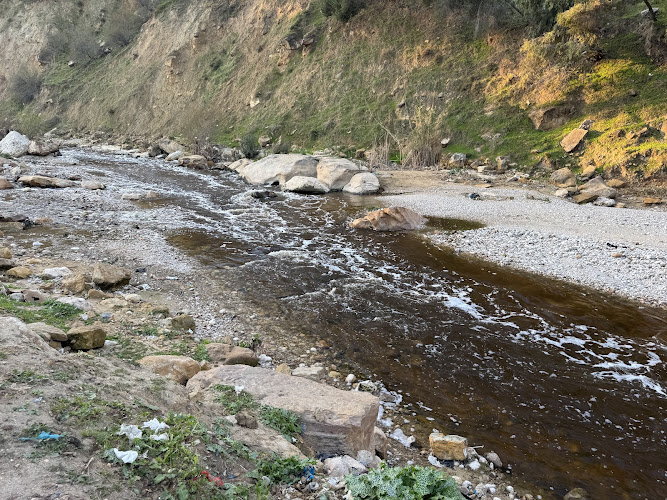
Zarqa River View point
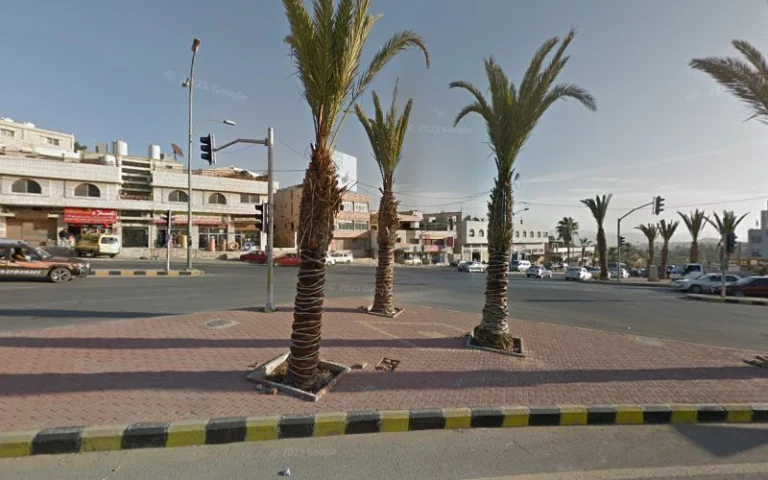
#HeartJerash Sign
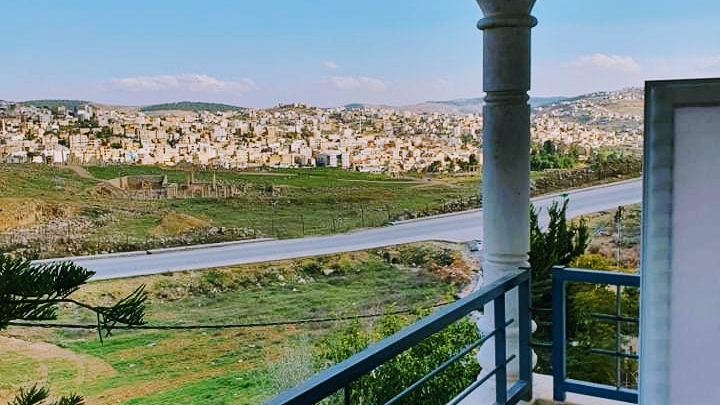
Full panorama archaeological site
Find Accommodations Nearby
Recommended Tours & Activities
Visitor Reviews
There are no reviews yet. Be the first one to write one.
Share Your Experience
Have you visited Temple of Zeus? Help other travelers by leaving a review.