
Tanuf Castle Ruins | أطلال حصن تنوف
About Tanuf Castle Ruins | أطلال حصن تنوف
Description
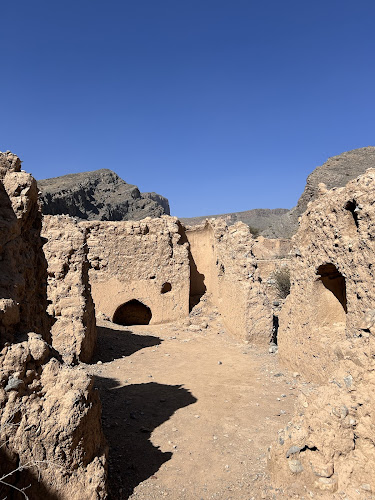
Standing as a testament to Oman's rich history, the Tanuf Castle Ruins paint a fascinating picture of a once-thriving settlement. I remember my first visit - the way the morning light hit those weathered stone walls left me absolutely speechless. These ancient ruins tell the story of the region's turbulent past, particularly the conflicts of the 1950s Jebel Akhdar War, when British forces bombarded the fortress. The site sprawls across a dramatic landscape, with crumbling walls and partially intact structures creating an almost ethereal atmosphere against the backdrop of rugged mountains. What really gets me every time I visit is how the ruins seem to emerge organically from the rocky terrain - it's like they've always been there, y'know?Key Features
• Ancient defense walls that showcase traditional Omani military architecture • Original mud-brick construction techniques still visible in surviving structures • Historic watchtower remains offering panoramic views of the surrounding wadis • Traditional falaj irrigation system ruins • Archaeological remnants dating back several centuries • Spectacular photo opportunities, especially during golden hour • Natural springs nearby that still provide water to the modern village • Preserved grain storage areas showing historical agricultural practices • Original doorways and arches displaying classic Omani architectural elements • Historic living quarters revealing insights into past daily lifeBest Time to Visit
Look, I've been here during different seasons, and I gotta tell ya - timing is everything. Winter months between November and March are absolutely perfect for exploring these ruins. The temperature stays comfortable, usually between 20-25°C (68-77°F), making it ideal for scrambling around the site without melting into a puddle. Avoid summer visits if you can help it - trust me on this one! The heat can be brutal from June to August, often soaring above 40°C (104°F). Early morning or late afternoon visits work best for photography enthusiasts. The soft light during these hours creates stunning shadows across the ancient walls, and you'll get those Instagram-worthy shots without harsh shadows ruining your pictures.How to Get There
Getting to Tanuf Castle Ruins is part of the adventure! From Nizwa, you'll need to head toward the modern village of Tanuf. The drive takes about 40 minutes, and honestly, it's pretty straightforward - just follow the signs. I'd strongly recommend renting a 4x4 vehicle though, as the final stretch can be a bit rough. The ruins are visible from the main road, but you'll want to park near the site entrance and explore on foot. And hey, don't worry too much about getting lost - the local community is incredibly friendly and always happy to point visitors in the right direction. Just remember to download your maps beforehand cause mobile reception can be a bit spotty in this area.Tips for Visiting
After multiple visits, I've learned a thing or two about making the most of your time here. Wear sturdy shoes - I learned this the hard way when I tried exploring in flip-flops once (big mistake!). The terrain is uneven and sometimes sharp, so proper footwear is essential. Bring plenty of water - there aren't any shops nearby, and the desert climate can be deceptively dehydrating. I always pack at least 2 liters per person. A wide-brimmed hat and sunscreen are absolute must-haves, even during winter months. Photography enthusiasts should bring their wide-angle lenses - the sprawling ruins against the mountain backdrop make for epic shots. And if you're into history like me, consider hiring a local guide. They share fascinating stories about the fortress that you won't find in any guidebook. Keep an eye out for the local wildlife - especially the native birds that often nest in the ruins. I've spotted some amazing desert species during my visits. Oh, and don't forget to check out the nearby springs if you have time - they're a refreshing surprise in this arid landscape. Respect the site's historical significance by not climbing on fragile structures or removing any artifacts. The ruins are not just a tourist spot but a crucial piece of Omani heritage. And yes, the bathroom situation is pretty basic here, so plan accordingly! The whole experience usually takes about 2-3 hours if you want to explore thoroughly. I'd suggest starting your visit either early morning or late afternoon to catch the best light and avoid the intense midday heat. Sometimes I bring a small picnic and find a shaded spot to rest while soaking in the incredible atmosphere of this historical site.Key Features
- Key Features
- Best Time to Visit
- How to Get There
- Tips for Visiting
More Details
Updated June 26, 2025
Table of Contents
- Description
- Key Features
- Best Time to Visit
- How to Get There
- Tips for Visiting
- Key Highlights
- Location
- Places to Stay Near Tanuf Castle Ruins | أطلال حصن تنوف
- Find and Book a Tour
- Explore More Travel Guides
- Nearby Places You Might Like
- Traveler Reviews for Tanuf Castle Ruins | أطلال حصن تنوف
- Share Your Experience
Description
Standing as a testament to Oman’s rich history, the Tanuf Castle Ruins paint a fascinating picture of a once-thriving settlement. I remember my first visit – the way the morning light hit those weathered stone walls left me absolutely speechless. These ancient ruins tell the story of the region’s turbulent past, particularly the conflicts of the 1950s Jebel Akhdar War, when British forces bombarded the fortress.
The site sprawls across a dramatic landscape, with crumbling walls and partially intact structures creating an almost ethereal atmosphere against the backdrop of rugged mountains. What really gets me every time I visit is how the ruins seem to emerge organically from the rocky terrain – it’s like they’ve always been there, y’know?
Key Features
• Ancient defense walls that showcase traditional Omani military architecture
• Original mud-brick construction techniques still visible in surviving structures
• Historic watchtower remains offering panoramic views of the surrounding wadis
• Traditional falaj irrigation system ruins
• Archaeological remnants dating back several centuries
• Spectacular photo opportunities, especially during golden hour
• Natural springs nearby that still provide water to the modern village
• Preserved grain storage areas showing historical agricultural practices
• Original doorways and arches displaying classic Omani architectural elements
• Historic living quarters revealing insights into past daily life
Best Time to Visit
Look, I’ve been here during different seasons, and I gotta tell ya – timing is everything. Winter months between November and March are absolutely perfect for exploring these ruins. The temperature stays comfortable, usually between 20-25°C (68-77°F), making it ideal for scrambling around the site without melting into a puddle.
Avoid summer visits if you can help it – trust me on this one! The heat can be brutal from June to August, often soaring above 40°C (104°F). Early morning or late afternoon visits work best for photography enthusiasts. The soft light during these hours creates stunning shadows across the ancient walls, and you’ll get those Instagram-worthy shots without harsh shadows ruining your pictures.
How to Get There
Getting to Tanuf Castle Ruins is part of the adventure! From Nizwa, you’ll need to head toward the modern village of Tanuf. The drive takes about 40 minutes, and honestly, it’s pretty straightforward – just follow the signs. I’d strongly recommend renting a 4×4 vehicle though, as the final stretch can be a bit rough.
The ruins are visible from the main road, but you’ll want to park near the site entrance and explore on foot. And hey, don’t worry too much about getting lost – the local community is incredibly friendly and always happy to point visitors in the right direction. Just remember to download your maps beforehand cause mobile reception can be a bit spotty in this area.
Tips for Visiting
After multiple visits, I’ve learned a thing or two about making the most of your time here. Wear sturdy shoes – I learned this the hard way when I tried exploring in flip-flops once (big mistake!). The terrain is uneven and sometimes sharp, so proper footwear is essential.
Bring plenty of water – there aren’t any shops nearby, and the desert climate can be deceptively dehydrating. I always pack at least 2 liters per person. A wide-brimmed hat and sunscreen are absolute must-haves, even during winter months.
Photography enthusiasts should bring their wide-angle lenses – the sprawling ruins against the mountain backdrop make for epic shots. And if you’re into history like me, consider hiring a local guide. They share fascinating stories about the fortress that you won’t find in any guidebook.
Keep an eye out for the local wildlife – especially the native birds that often nest in the ruins. I’ve spotted some amazing desert species during my visits. Oh, and don’t forget to check out the nearby springs if you have time – they’re a refreshing surprise in this arid landscape.
Respect the site’s historical significance by not climbing on fragile structures or removing any artifacts. The ruins are not just a tourist spot but a crucial piece of Omani heritage. And yes, the bathroom situation is pretty basic here, so plan accordingly!
The whole experience usually takes about 2-3 hours if you want to explore thoroughly. I’d suggest starting your visit either early morning or late afternoon to catch the best light and avoid the intense midday heat. Sometimes I bring a small picnic and find a shaded spot to rest while soaking in the incredible atmosphere of this historical site.
Key Highlights
- Key Features
- Best Time to Visit
- How to Get There
- Tips for Visiting
Location
Places to Stay Near Tanuf Castle Ruins | أطلال حصن تنوف
Find and Book a Tour
Explore More Travel Guides
No reviews found! Be the first to review!
Traveler Reviews for Tanuf Castle Ruins | أطلال حصن تنوف
There are no reviews yet. Be the first one to write one.
Have you visited Tanuf Castle Ruins | أطلال حصن تنوف? Help other travelers by sharing your review.
You Might Also Like
Find Accommodations Nearby
Recommended Tours & Activities
Visitor Reviews
There are no reviews yet. Be the first one to write one.
Share Your Experience
Have you visited Tanuf Castle Ruins | أطلال حصن تنوف? Help other travelers by leaving a review.