

Tamura sake brewery
About Tamura sake brewery
Description
If you love sake—or even if you just like a good story—the Tamura Sake Brewery is one of those spots that, honestly, sticks with you long after you’ve left. I remember the first time I wandered through their gates, kind of on a whim, and caught that whiff of fermenting rice in the air. It’s oddly comforting. There’s this strong sense of history, like you just stepped sideways through time for a second. The Tamura family kicked things off all the way back in 1822, which is more than just impressive. It’s generational grit.
One thing I appreciate (and let’s be real: you will too) is how this place manages to keep things simple but also, somehow, really soulful. They’ve got this core family mantra—making and selling sake with care—which honestly isn’t just a pretty phrase for marketing. It’s in everything they do, from the way staff talk about rice varietals, to the quiet respect you feel for the water source that flows through here. Okay, there’s not a ton of flashiness, but there is this real, attentive hospitality that feels almost old-fashioned—it’s refreshing in a world obsessed with speed and spectacle.
I’d be lying if I said every single second is perfect. Like, don’t expect the shiniest, most modern facilities. Some of the areas feel a bit worn in that “well-used” way, not neglected but aged with purpose. That being said, the tour is fascinating and the tasting at the end is genuinely delightful—especially if you’re new to sake and want to see the nuance of flavors from sweet to citrusy to something almost savory. You’ll leave with a much richer understanding, whether you’re a sake nerd or just dipping your toes in. Oh, and pro-tip: listening in on their stories and family quirks makes the sake taste even better.
Key Features
- Rich Heritage: Founded in 1822, the brewery remains steadfast in its traditional brewing and selling methods—over 200 years of expertise, and you can taste it.
- Family-Owned Operation: Multi-generational Tamura family involvement means you’ll likely chat with someone who knows intimate, quirky details of the brewery’s history.
- Artisanal Sake Tasting: Experience a range of house-brewed sake varieties, each with its distinct flavor profile, and gain insight into the brewing process from skilled staff.
- Exclusive Seasonal Variations: Limited-edition sake is produced seasonally, so each visit offers a new blend—this “don’t-miss-it” vibe is honestly exciting for returns.
- Authentic Atmosphere: The blend of ancient architecture and rural-industrial vibes offers a tangible sense of old Japan rarely found in Tokyo’s more polished districts.
- Informative Brewery Tours: Guided tours (usually run by staff with generational ties) take you behind-the-scenes—ask questions, they’re happy to nerd out with you.
- Local Ingredient Focus: From carefully sourced rice to pure, underground spring water—there’s a real emphasis on regional, natural flavors you’ll notice in every sip.
Best Time to Visit
Alright, so here’s where things get interesting. Technically, the brewery opens its doors year-round, but if you’re aiming for the full experience, I can vouch for early spring or late autumn. Here’s why: in spring (think late March to April), the weather is just perfect for wandering the brewery grounds, and you might catch the staff prepping for their limited-edition seasonal sake. Plus, the cherry blossoms nearby are—well, you can probably imagine the photo ops.
Autumn (late October through November) is another sweet spot. The air’s cool, and you can sometimes sneak a peek at the brewing process kicking off for the new batch—it just smells… alive. Summer, well, Tokyo humidity isn’t for everyone, but the colder tasting room vibes are a pleasant reprieve. The winter months have their own charm, especially if you’re craving something warm with umami notes, but I’d argue you miss out on some of the outdoor charm. If you can, avoid days with heavy rain, because some of the loveliest sights are outside the main building.
How to Get There
Getting to Tamura Sake Brewery isn’t like hopping into a cab from Shibuya and napping until you're there (though hey, I won’t judge if you try). The brewery sits a little off the beaten Tokyo path, so you’ve got to plan ahead. If you’re coming from central Tokyo, it’s most practical to hop on a train—typically, you’ll want the JR Ome Line which runs pretty reliably. Hop off at a local station nearby (you’ll know it by the uptick in scenery and the mountain-y hints in the air).
From the station, it’s either a brisk walk or a quick bus—sort of depends on your mood and energy level. Honestly, I find the walk forces you to switch gears; Tokyo’s intensity melts away, replaced by little glimpses of local life—grandmas on bikes, tidy gardens, a friendly neighborhood dog. Just remember that signage in English might be minimal, so keeping an offline map on your phone is super handy. Not impossible to find, but it isn’t screaming for your attention. That’s part of its low-key magic.
Tips for Visiting
Oh man—here’s where I wish someone had let me in on a few details before my first trip. First off, you’ll want to wear comfy shoes. Seriously, this is not the place for those flashy, new sneakers you’re afraid to get a little dusty. Some parts of the tour might have older flooring, and there’s a good bit of walking—worth every step, though.
If you have any accessibility requirements, plan accordingly. Facilities aren’t made with wheelchairs in mind, and seating for those with mobility needs is limited. It’s a bummer for some, but at least you know ahead of time. Also, bring a notepad or jot notes on your phone during the tour if you’re a sake enthusiast; there are little nuggets of wisdom staff drop that you’ll want to remember when you’re hunting for sake to bring home.
Don’t be shy about chatting with the staff. Sometimes the best recommendations—like which seasonal brew is quietly the local favorite—come from casual conversation. And if you’re a collector or love quirky souvenirs, definitely check the brewery shop at the end. They’ll often have bottles you simply won’t find elsewhere, not even online. A friend of mine swears by their bonus “brewmaster’s select” bottle—an unfiltered, slightly cloudy gem that almost never makes it out of Fussa.
If you’re traveling with kids, know that the vibe is respectfully quiet—little ones might be bored, but older kids who love science or stories will find it fascinating. And yes, you can take pictures in most spots, but always double-check. I once got politely scolded for snapping away where I shouldn’t—but it’s all part of the learning curve, right?
Finally, plan to linger. Everyone’s in a hurry these days, but you get the most out of Tamura Brewery if you let yourself soak in the details, listen to the creak of the wooden beams, and taste the difference patience makes. You might spot a few imperfections here or there, but that’s honestly what gives it heart. Come curious, stay open, and I promise, you’ll walk away with more than just a bottle of sake—you get a little taste of old Japan, honest and unfiltered.
Key Features
- Key Features
- Best Time to Visit
- How to Get There
- Tips for Visiting
More Details
Updated June 6, 2025
Table of Contents
Description
If you love sake—or even if you just like a good story—the Tamura Sake Brewery is one of those spots that, honestly, sticks with you long after you’ve left. I remember the first time I wandered through their gates, kind of on a whim, and caught that whiff of fermenting rice in the air. It’s oddly comforting. There’s this strong sense of history, like you just stepped sideways through time for a second. The Tamura family kicked things off all the way back in 1822, which is more than just impressive. It’s generational grit.
One thing I appreciate (and let’s be real: you will too) is how this place manages to keep things simple but also, somehow, really soulful. They’ve got this core family mantra—making and selling sake with care—which honestly isn’t just a pretty phrase for marketing. It’s in everything they do, from the way staff talk about rice varietals, to the quiet respect you feel for the water source that flows through here. Okay, there’s not a ton of flashiness, but there is this real, attentive hospitality that feels almost old-fashioned—it’s refreshing in a world obsessed with speed and spectacle.
I’d be lying if I said every single second is perfect. Like, don’t expect the shiniest, most modern facilities. Some of the areas feel a bit worn in that “well-used” way, not neglected but aged with purpose. That being said, the tour is fascinating and the tasting at the end is genuinely delightful—especially if you’re new to sake and want to see the nuance of flavors from sweet to citrusy to something almost savory. You’ll leave with a much richer understanding, whether you’re a sake nerd or just dipping your toes in. Oh, and pro-tip: listening in on their stories and family quirks makes the sake taste even better.
Key Features
- Rich Heritage: Founded in 1822, the brewery remains steadfast in its traditional brewing and selling methods—over 200 years of expertise, and you can taste it.
- Family-Owned Operation: Multi-generational Tamura family involvement means you’ll likely chat with someone who knows intimate, quirky details of the brewery’s history.
- Artisanal Sake Tasting: Experience a range of house-brewed sake varieties, each with its distinct flavor profile, and gain insight into the brewing process from skilled staff.
- Exclusive Seasonal Variations: Limited-edition sake is produced seasonally, so each visit offers a new blend—this “don’t-miss-it” vibe is honestly exciting for returns.
- Authentic Atmosphere: The blend of ancient architecture and rural-industrial vibes offers a tangible sense of old Japan rarely found in Tokyo’s more polished districts.
- Informative Brewery Tours: Guided tours (usually run by staff with generational ties) take you behind-the-scenes—ask questions, they’re happy to nerd out with you.
- Local Ingredient Focus: From carefully sourced rice to pure, underground spring water—there’s a real emphasis on regional, natural flavors you’ll notice in every sip.
Best Time to Visit
Alright, so here’s where things get interesting. Technically, the brewery opens its doors year-round, but if you’re aiming for the full experience, I can vouch for early spring or late autumn. Here’s why: in spring (think late March to April), the weather is just perfect for wandering the brewery grounds, and you might catch the staff prepping for their limited-edition seasonal sake. Plus, the cherry blossoms nearby are—well, you can probably imagine the photo ops.
Autumn (late October through November) is another sweet spot. The air’s cool, and you can sometimes sneak a peek at the brewing process kicking off for the new batch—it just smells… alive. Summer, well, Tokyo humidity isn’t for everyone, but the colder tasting room vibes are a pleasant reprieve. The winter months have their own charm, especially if you’re craving something warm with umami notes, but I’d argue you miss out on some of the outdoor charm. If you can, avoid days with heavy rain, because some of the loveliest sights are outside the main building.
How to Get There
Getting to Tamura Sake Brewery isn’t like hopping into a cab from Shibuya and napping until you’re there (though hey, I won’t judge if you try). The brewery sits a little off the beaten Tokyo path, so you’ve got to plan ahead. If you’re coming from central Tokyo, it’s most practical to hop on a train—typically, you’ll want the JR Ome Line which runs pretty reliably. Hop off at a local station nearby (you’ll know it by the uptick in scenery and the mountain-y hints in the air).
From the station, it’s either a brisk walk or a quick bus—sort of depends on your mood and energy level. Honestly, I find the walk forces you to switch gears; Tokyo’s intensity melts away, replaced by little glimpses of local life—grandmas on bikes, tidy gardens, a friendly neighborhood dog. Just remember that signage in English might be minimal, so keeping an offline map on your phone is super handy. Not impossible to find, but it isn’t screaming for your attention. That’s part of its low-key magic.
Tips for Visiting
Oh man—here’s where I wish someone had let me in on a few details before my first trip. First off, you’ll want to wear comfy shoes. Seriously, this is not the place for those flashy, new sneakers you’re afraid to get a little dusty. Some parts of the tour might have older flooring, and there’s a good bit of walking—worth every step, though.
If you have any accessibility requirements, plan accordingly. Facilities aren’t made with wheelchairs in mind, and seating for those with mobility needs is limited. It’s a bummer for some, but at least you know ahead of time. Also, bring a notepad or jot notes on your phone during the tour if you’re a sake enthusiast; there are little nuggets of wisdom staff drop that you’ll want to remember when you’re hunting for sake to bring home.
Don’t be shy about chatting with the staff. Sometimes the best recommendations—like which seasonal brew is quietly the local favorite—come from casual conversation. And if you’re a collector or love quirky souvenirs, definitely check the brewery shop at the end. They’ll often have bottles you simply won’t find elsewhere, not even online. A friend of mine swears by their bonus “brewmaster’s select” bottle—an unfiltered, slightly cloudy gem that almost never makes it out of Fussa.
If you’re traveling with kids, know that the vibe is respectfully quiet—little ones might be bored, but older kids who love science or stories will find it fascinating. And yes, you can take pictures in most spots, but always double-check. I once got politely scolded for snapping away where I shouldn’t—but it’s all part of the learning curve, right?
Finally, plan to linger. Everyone’s in a hurry these days, but you get the most out of Tamura Brewery if you let yourself soak in the details, listen to the creak of the wooden beams, and taste the difference patience makes. You might spot a few imperfections here or there, but that’s honestly what gives it heart. Come curious, stay open, and I promise, you’ll walk away with more than just a bottle of sake—you get a little taste of old Japan, honest and unfiltered.
Key Highlights
- Key Features
- Best Time to Visit
- How to Get There
- Tips for Visiting
Location
Places to Stay Near Tamura sake brewery
Find and Book a Tour
Explore More Travel Guides
No reviews found! Be the first to review!
Traveler Reviews for Tamura sake brewery
There are no reviews yet. Be the first one to write one.
Have you visited Tamura sake brewery? Help other travelers by sharing your review.
You Might Also Like
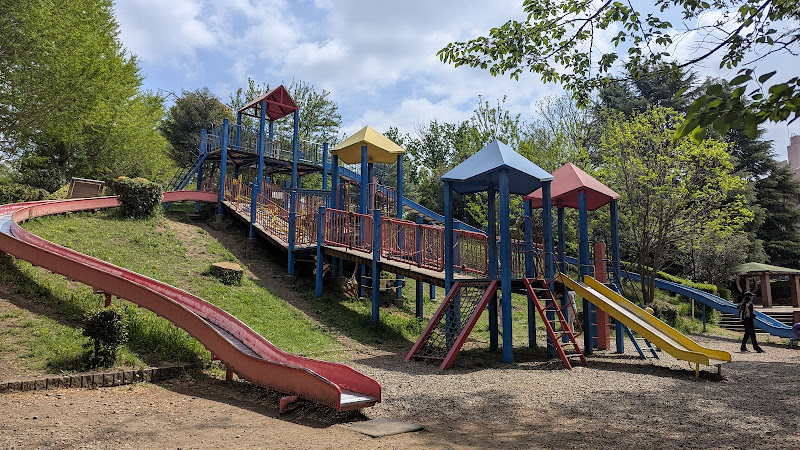
Fussa Park

Kumagawa Shrine

Chōtoku-ji
Find Accommodations Nearby
Recommended Tours & Activities
Visitor Reviews
There are no reviews yet. Be the first one to write one.
Share Your Experience
Have you visited Tamura sake brewery? Help other travelers by leaving a review.