
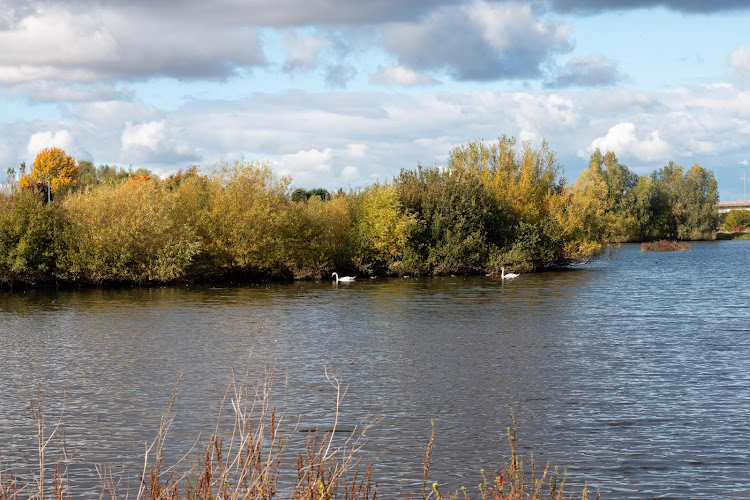
Tameside Local Nature Reserve
About Tameside Local Nature Reserve
Description
Tameside Local Nature Reserve is a pocket of nature that hugs the edges of Tamworth, and honestly, it’s one of Staffordshire’s underrated gems if you ask me. This is the kind of place where you remember what it feels like to walk in the woods as a child—mud on your boots, birdsong echoing through the trees, and the occasional surprise rustle in the underbrush (fox or blackbird? who knows!). And yes, it really is that sort of local reserve where you’ll see dog walkers, families, and the occasional twitcher juggling binoculars and a thermos.
What I’ve always found remarkable is just how many varieties of wildlife you stumble across within a morning’s stroll. The reserve traces the River Tame, and you’d swear you were miles from any town the moment you step onto the winding, well-maintained paths. The open wildflower meadows burst with colour in late spring and hover with the delicate buzz of bees, while dense pockets of woodland hold a quiet, mysterious air. Dragonflies skim the river’s surface. Robins and great tits dart by, and if you’re patient, you might even spot a kingfisher’s electric blur along the banks. It’s wild England and yet only moments from the heart of town.
Accessibility is a highlight: the walks aren’t strenuous unless, like me, you count a toddler on your shoulders as half a workout. Kids love it, maybe because, unlike manicured parks, the reserve feels just a dash untamed—full of logs to hop, mud to squish, and bridges to clamber across. You don't need to be a nature buff to appreciate the area; it’s just as good for a peaceful dog walk as it is for day-long bug hunts with young ones. Ah! And for dog owners—this place is genuinely dog-friendly. You’ll see people of all ages, some with pups bounding by their sides. Tip from experience: always carry some wipes for muddy paws and shoes.
The atmosphere? It’s relaxed and welcoming, never crowded even at busy times. There’s a sense of local pride, too—people look after the land, and you’ll notice how well maintained the paths and signage are. Sure, if you come expecting sweeping mountain vistas, you might not find that, but if reconnecting to the small, essential wildness that’s part of English countryside is your aim, Tameside ticks all the boxes. It’s a reminder that fantastic nature doesn’t have to come with a hefty admission fee or an arduous journey. You just need a spare afternoon and a splash of curiosity.
Key Features
- Diverse habitats: Wander through meadows bursting with wildflowers, riverside woodland, wetlands, and reed beds—all in one reserve.
- Abundant wildlife: The site is home to dozens of bird species (kingfisher spotting is a real treat), curious mammals, frogs, butterflies, and countless insects—making it ideal for wildlife watching and nature photography.
- Family and dog friendly: Flat, accessible trails cater to buggies, little legs, and paws alike. You’ll spot happy families, solo walkers, and regulars chatting along the river.
- Hiking and walking: Several interlinked paths, including well maintained circular walks, wooden footbridges, and river crossings offer up to a couple of miles to explore.
- Educational value: Waymarkers and signs introduce local flora, fauna, and even some history about the Tame Valley. Every outing can be a mini learning adventure.
- Proximity to town: Just minutes from Tamworth’s centre, combining the peace of nature with convenience.
- Free to access: No entrance fees, open all year round—so you’re always welcome to drop in, rain or shine.
- River Tame views: Follow the riverbank for tranquil scenes, kingfisher territory, and spots perfect for quiet reflection.
- Open wild spaces: Let kids let off steam, dogs roam, and your mind wander in the open fields and wooded glades.
Best Time to Visit
If you’re after that classic English wildflower experience, late April through June is hands-down the best stretch—meadows ripple in colour, and birdlife is at its busiest. You’ll hear blackcaps singing, spot butterflies flitting along hedgerows, and maybe (if you time it perfectly) even catch a glimpse of a fox cub near sunset.
Having visited at all times of year, though, I can tell you the reserve never really goes ‘grey’—in autumn, crunchy leaves and shifting mists bring a subtle magic, and winter’s bare branches make spotting birdlife a bit of a game. There’s a quiet beauty after rain, too—rivers run faster, and scents sharpen. The only caveat? After a solid downpour, some low-lying spots get muddy, so wellies become your best mates.
Most locals know that early morning or late afternoon are especially peaceful—wildlife is at its boldest, and you’ll find more solitude. But honestly, if you’re in Tamworth and the sun appears, there’s no bad day for a wander here. And don’t skip those overcast days; the reserve feels extra hushed, just you and the rush of the river.
How to Get There
One of the great perks is just how close Tameside Local Nature Reserve is to town. If you’re coming by car, there’s parking available nearby—not sprawling tarmac lots, mind, but enough for the steady stream of visitors. Free street parking is usually within five minutes’ walk, but it might fill up quickly during term breaks or weekends.
By public transport, Tamworth’s train station is within a brisk stroll—maybe 15 minutes, tops. That’s less time than it takes to finish a cuppa. There are several buses running along main roads; pick any that stops near the Fazeley Road area, and you’ll be close. The reserve is also totally doable by bike or on foot from the town centre; the walk crosses suburban neighbourhoods and suddenly, there you are—in the green.
Disabled access is generally very good. Most of the main paths are well maintained and flat, though some riverside bits can get a touch squelchy after wet weather. If in doubt, stick to the wider main routes.
Tips for Visiting
- Bring the right shoes: Even in summer, sections near the River Tame hold onto their mud, especially after rain. Wellies or old trainers are a safe bet (learned this the hard way after a memorable slip near a reedbed!).
- Stay dog-friendly: Local dog walkers cherish this area, so bring leads and bags. There are bins, but not on every corner, so plan ahead. Friendly pups are greeted with smiles.
- Keep kids curious: The reserve isn’t manicured, so encourage children to look out for bugs, feathers, and natural ‘treasures’. Remember—you can absolutely build the odd den here with fallen branches (just don’t damage living trees).
- Pack a lightweight picnic: Benches and logs provide informal picnic spots. There’s no on-site café, so bring your own snacks and drinks.
- Camera or binoculars: Wildlife photography opportunities are surprisingly excellent, especially for birds. Early morning is prime time if you enjoy a challenge.
- Be weather-wise: The area is open; bring sunblock in summer and hats or rain gear in winter. The weather changes quick—classic England.
- Watch for seasonal events: Occasionally, there are community wildlife events, cleanups, or guided walks. Notices often go up at entrances or spread via local word-of-mouth.
- Respect the reserve: Stick to paths to avoid spooking wildlife, and leave wildflowers growing for other visitors, two and four-legged alike.
- Combine with town adventures: Got extra time? Pair your walk with a hop to Tamworth Castle or venture into the historical centre. The nature reserve is close enough to add a wild twist to a half-day in town.
On your next outing, let yourself tune in to the slow, subtle magic of the local countryside. There’s richness here for anyone willing to slow down and notice. Tameside Local Nature Reserve offers a glimpse into England as it quietly persists—untamed, welcoming, and always changing, season by season.
Key Features
- Key Features
- Best Time to Visit
- How to Get There
- Tips for Visiting
More Details
Updated July 12, 2025
Table of Contents
Description
Tameside Local Nature Reserve is a pocket of nature that hugs the edges of Tamworth, and honestly, it’s one of Staffordshire’s underrated gems if you ask me. This is the kind of place where you remember what it feels like to walk in the woods as a child—mud on your boots, birdsong echoing through the trees, and the occasional surprise rustle in the underbrush (fox or blackbird? who knows!). And yes, it really is that sort of local reserve where you’ll see dog walkers, families, and the occasional twitcher juggling binoculars and a thermos.
What I’ve always found remarkable is just how many varieties of wildlife you stumble across within a morning’s stroll. The reserve traces the River Tame, and you’d swear you were miles from any town the moment you step onto the winding, well-maintained paths. The open wildflower meadows burst with colour in late spring and hover with the delicate buzz of bees, while dense pockets of woodland hold a quiet, mysterious air. Dragonflies skim the river’s surface. Robins and great tits dart by, and if you’re patient, you might even spot a kingfisher’s electric blur along the banks. It’s wild England and yet only moments from the heart of town.
Accessibility is a highlight: the walks aren’t strenuous unless, like me, you count a toddler on your shoulders as half a workout. Kids love it, maybe because, unlike manicured parks, the reserve feels just a dash untamed—full of logs to hop, mud to squish, and bridges to clamber across. You don’t need to be a nature buff to appreciate the area; it’s just as good for a peaceful dog walk as it is for day-long bug hunts with young ones. Ah! And for dog owners—this place is genuinely dog-friendly. You’ll see people of all ages, some with pups bounding by their sides. Tip from experience: always carry some wipes for muddy paws and shoes.
The atmosphere? It’s relaxed and welcoming, never crowded even at busy times. There’s a sense of local pride, too—people look after the land, and you’ll notice how well maintained the paths and signage are. Sure, if you come expecting sweeping mountain vistas, you might not find that, but if reconnecting to the small, essential wildness that’s part of English countryside is your aim, Tameside ticks all the boxes. It’s a reminder that fantastic nature doesn’t have to come with a hefty admission fee or an arduous journey. You just need a spare afternoon and a splash of curiosity.
Key Features
- Diverse habitats: Wander through meadows bursting with wildflowers, riverside woodland, wetlands, and reed beds—all in one reserve.
- Abundant wildlife: The site is home to dozens of bird species (kingfisher spotting is a real treat), curious mammals, frogs, butterflies, and countless insects—making it ideal for wildlife watching and nature photography.
- Family and dog friendly: Flat, accessible trails cater to buggies, little legs, and paws alike. You’ll spot happy families, solo walkers, and regulars chatting along the river.
- Hiking and walking: Several interlinked paths, including well maintained circular walks, wooden footbridges, and river crossings offer up to a couple of miles to explore.
- Educational value: Waymarkers and signs introduce local flora, fauna, and even some history about the Tame Valley. Every outing can be a mini learning adventure.
- Proximity to town: Just minutes from Tamworth’s centre, combining the peace of nature with convenience.
- Free to access: No entrance fees, open all year round—so you’re always welcome to drop in, rain or shine.
- River Tame views: Follow the riverbank for tranquil scenes, kingfisher territory, and spots perfect for quiet reflection.
- Open wild spaces: Let kids let off steam, dogs roam, and your mind wander in the open fields and wooded glades.
Best Time to Visit
If you’re after that classic English wildflower experience, late April through June is hands-down the best stretch—meadows ripple in colour, and birdlife is at its busiest. You’ll hear blackcaps singing, spot butterflies flitting along hedgerows, and maybe (if you time it perfectly) even catch a glimpse of a fox cub near sunset.
Having visited at all times of year, though, I can tell you the reserve never really goes ‘grey’—in autumn, crunchy leaves and shifting mists bring a subtle magic, and winter’s bare branches make spotting birdlife a bit of a game. There’s a quiet beauty after rain, too—rivers run faster, and scents sharpen. The only caveat? After a solid downpour, some low-lying spots get muddy, so wellies become your best mates.
Most locals know that early morning or late afternoon are especially peaceful—wildlife is at its boldest, and you’ll find more solitude. But honestly, if you’re in Tamworth and the sun appears, there’s no bad day for a wander here. And don’t skip those overcast days; the reserve feels extra hushed, just you and the rush of the river.
How to Get There
One of the great perks is just how close Tameside Local Nature Reserve is to town. If you’re coming by car, there’s parking available nearby—not sprawling tarmac lots, mind, but enough for the steady stream of visitors. Free street parking is usually within five minutes’ walk, but it might fill up quickly during term breaks or weekends.
By public transport, Tamworth’s train station is within a brisk stroll—maybe 15 minutes, tops. That’s less time than it takes to finish a cuppa. There are several buses running along main roads; pick any that stops near the Fazeley Road area, and you’ll be close. The reserve is also totally doable by bike or on foot from the town centre; the walk crosses suburban neighbourhoods and suddenly, there you are—in the green.
Disabled access is generally very good. Most of the main paths are well maintained and flat, though some riverside bits can get a touch squelchy after wet weather. If in doubt, stick to the wider main routes.
Tips for Visiting
- Bring the right shoes: Even in summer, sections near the River Tame hold onto their mud, especially after rain. Wellies or old trainers are a safe bet (learned this the hard way after a memorable slip near a reedbed!).
- Stay dog-friendly: Local dog walkers cherish this area, so bring leads and bags. There are bins, but not on every corner, so plan ahead. Friendly pups are greeted with smiles.
- Keep kids curious: The reserve isn’t manicured, so encourage children to look out for bugs, feathers, and natural ‘treasures’. Remember—you can absolutely build the odd den here with fallen branches (just don’t damage living trees).
- Pack a lightweight picnic: Benches and logs provide informal picnic spots. There’s no on-site café, so bring your own snacks and drinks.
- Camera or binoculars: Wildlife photography opportunities are surprisingly excellent, especially for birds. Early morning is prime time if you enjoy a challenge.
- Be weather-wise: The area is open; bring sunblock in summer and hats or rain gear in winter. The weather changes quick—classic England.
- Watch for seasonal events: Occasionally, there are community wildlife events, cleanups, or guided walks. Notices often go up at entrances or spread via local word-of-mouth.
- Respect the reserve: Stick to paths to avoid spooking wildlife, and leave wildflowers growing for other visitors, two and four-legged alike.
- Combine with town adventures: Got extra time? Pair your walk with a hop to Tamworth Castle or venture into the historical centre. The nature reserve is close enough to add a wild twist to a half-day in town.
On your next outing, let yourself tune in to the slow, subtle magic of the local countryside. There’s richness here for anyone willing to slow down and notice. Tameside Local Nature Reserve offers a glimpse into England as it quietly persists—untamed, welcoming, and always changing, season by season.
Key Highlights
- Key Features
- Best Time to Visit
- How to Get There
- Tips for Visiting
Location
Places to Stay Near Tameside Local Nature Reserve
Find and Book a Tour
Explore More Travel Guides
No reviews found! Be the first to review!
Traveler Reviews for Tameside Local Nature Reserve
There are no reviews yet. Be the first one to write one.
Have you visited Tameside Local Nature Reserve? Help other travelers by sharing your review.
You Might Also Like
Ash End House Children

Jump Xtreme Trampoline Park & That Fun Place Tamworth

Monty's Indoor Adventure
Find Accommodations Nearby
Recommended Tours & Activities
Visitor Reviews
There are no reviews yet. Be the first one to write one.
Share Your Experience
Have you visited Tameside Local Nature Reserve? Help other travelers by leaving a review.