

Tallinna Linnahall
About Tallinna Linnahall
Tallinna Linnahall is one of those places that makes you pause for a moment, not just because of its sheer size but because of the story it tells. This massive concrete amphitheater, built during the late Soviet era, was originally constructed for the sailing events of the 1980 Moscow Summer Olympics. It’s not your typical postcard-perfect attraction—far from it, actually. But that’s part of its strange charm. The building sits quietly by the sea, its brutalist architecture weathered by time and salty winds, and yet it still somehow commands attention. Some people see it as a crumbling relic, others as an architectural masterpiece frozen in time. Personally, I think it’s both.
Walking up the wide, tiered steps feels a bit like stepping into a Cold War movie set. You can almost imagine the crowds that once filled its 5,000 seats, the echo of announcements bouncing off the concrete walls, the anticipation of something grand. Today, it’s quieter—often eerily so—but that silence gives it a kind of poetic dignity. Local skaters, photographers, and curious travelers wander through, drawn by the panoramic views of Tallinn’s harbor and the sense of nostalgia that hangs in the air.
It’s not a place that’s been polished up for tourists, and that’s exactly why it’s worth visiting. The Linnahall tells a story of ambition, politics, and the passage of time. It’s a physical reminder of how cities evolve and how history leaves its fingerprints on architecture. Sure, it’s a bit rough around the edges now, with patches of graffiti and concrete cracks that speak of decades gone by, but that imperfection gives it soul. And when the sun starts to dip below the Baltic horizon, painting the sky in shades of orange and pink, the structure takes on a whole new personality—quiet, reflective, and oddly beautiful.
Key Features
- Historical significance: Originally built for the 1980 Moscow Olympics, the Linnahall stands as a rare example of Soviet modernist architecture in Estonia.
- Architectural style: A striking example of brutalism, featuring vast concrete terraces that slope gently toward the sea.
- Amphitheater capacity: Designed to hold around 5,000 spectators, making it one of the largest venues of its kind in the region at the time.
- Scenic views: Offers sweeping views of the Tallinn harbor and the Gulf of Finland—especially stunning during sunset.
- Local culture hub: Though no longer hosting large-scale concerts or events, it remains a favorite hangout for locals, artists, and photographers.
- Accessibility: The structure isn’t fully wheelchair accessible, so visitors with mobility challenges may find parts of it difficult to explore.
- Family-friendly: Kids often enjoy climbing the wide steps and exploring the open spaces, though adult supervision is recommended due to uneven surfaces.
What’s fascinating is how the Linnahall has transitioned from being a proud Olympic venue to a quiet, almost meditative public space. You can feel the layers of history here—each crack and faded sign telling a piece of Tallinn’s story. And while some locals see it as an eyesore, others defend it fiercely as a cultural landmark worth preserving. I tend to agree with the latter; there’s something profoundly human about places that age honestly.
Best Time to Visit
If you’re planning a visit, timing can really shape your experience. The best moments, hands down, are during late afternoon or early evening when the sun begins to set over the Baltic Sea. The light softens, the air cools, and the concrete seems to glow with warmth it doesn’t usually have. It’s also when locals come out for a walk, couples sit by the edge chatting quietly, and photographers set up tripods to capture that golden hour magic.
Summer is the most comfortable season weather-wise, with long daylight hours and a gentle sea breeze. But winter has its own appeal too. The structure takes on a haunting beauty under a dusting of snow, and you might even have the entire place to yourself. Just dress warmly—those coastal winds can be fierce. Spring and autumn are quieter, offering a nice balance between solitude and mild weather.
Avoid visiting during heavy rain or icy conditions, though. The concrete steps can get slippery, and it’s not exactly the kind of place with handrails everywhere. But if you catch it on a clear day, especially around sunset, you’ll understand why so many people—locals and travelers alike—keep coming back here.
How to Get There
Getting to Tallinna Linnahall is pretty straightforward once you’re in Tallinn’s city center. It’s located near the harbor area, just a short walk from the Old Town. You can easily reach it on foot in about 10–15 minutes from many popular hotels and attractions. The walk itself is pleasant, with views of the sea and glimpses of Tallinn’s modern skyline blending with its medieval charm.
For those who prefer public transport, several bus and tram lines stop nearby. Taxis and ride-sharing services are also convenient options, especially if you’re coming from further away or traveling with family. If you’re driving, there’s limited parking in the area, so it’s best to plan ahead. Personally, I’d recommend walking—it gives you time to soak in the surroundings and makes the arrival at the Linnahall feel more like an experience than just another stop on your itinerary.
And here’s a small tip from experience: approach it from the seaside if you can. The view of the massive structure rising from the waterfront is quite something. It’s one of those moments that makes you appreciate how architecture can both dominate and blend with its environment.
Tips for Visiting
A visit to Tallinna Linnahall can be as quick or as lingering as you want it to be. Some people come just for the views, others for the history, and a few simply to sit and think. Whatever your reason, a few small tips can make your visit smoother and more memorable.
- Wear comfortable shoes: The steps and terraces are wide but uneven in places, so good footwear is a must.
- Bring a camera: The contrast of concrete and sea, especially during sunset, makes for stunning photos. Even a smartphone shot looks cinematic here.
- Mind the weather: The open design means there’s little shelter from the wind or rain. Check the forecast before heading out.
- Be cautious: Some areas are worn down, and there are no safety barriers in certain spots. Keep an eye on kids if you’re traveling with them.
- Respect the space: While it might look abandoned, it’s still a piece of history. Avoid climbing on restricted areas or leaving litter behind.
- Stay for the sunset: Honestly, this is the moment when the Linnahall reveals its best self. The view across the water is worth every step.
One thing I’ve always loved about this place is how it invites reflection. Maybe it’s the stillness, or the way the sea breeze moves through the empty corridors, but it’s the kind of spot that makes you think about time—how it passes, how it changes things, and how some places just endure. You might not find flashy entertainment or polished exhibits here, but you’ll find something rarer: authenticity.
So, if you’re the kind of traveler who likes to go beyond the usual tourist checklist, Tallinna Linnahall is worth your time. It’s a little rough, a little melancholic, but deeply fascinating. And when you stand there watching the sun dip below the horizon, you’ll understand why this concrete giant still captures hearts, decades after its glory days.
You Might Also Like
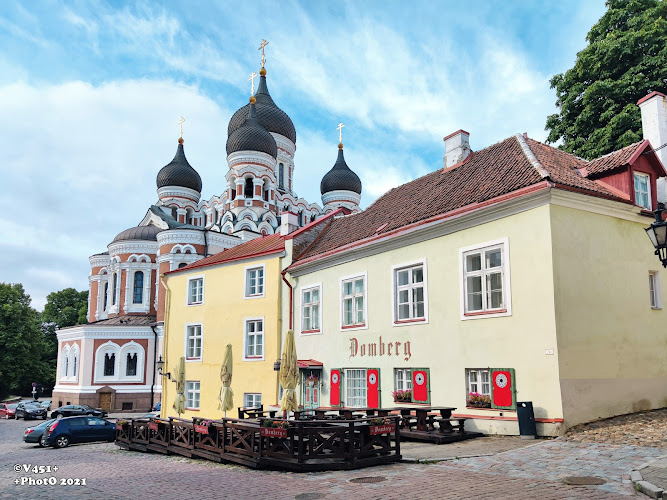
Alexander Nevsky Cathedral
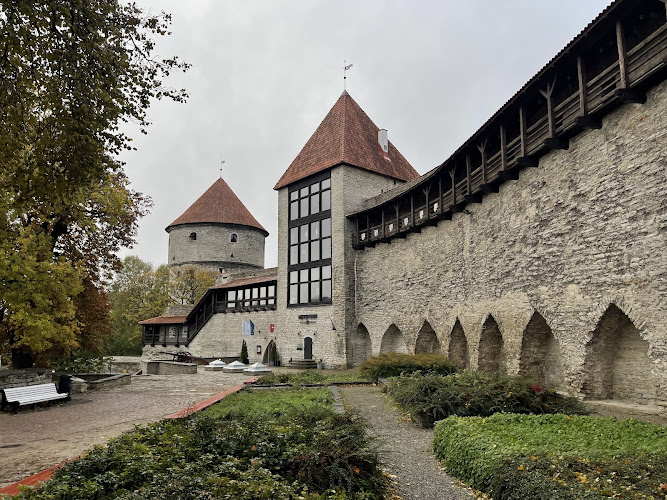
Danish King's Garden
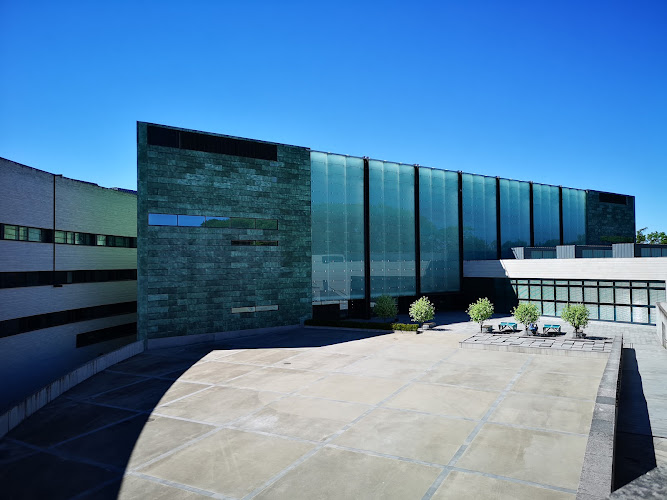
Estonian Art Museum (KUMU)
Tours & Activities
GetYourGuide provides this tour inventory. We may earn a commission if you book through it; verify current availability, prices, and terms with the provider.
Visitor Reviews
There are no reviews yet. Be the first one to write one.
Share Your Experience
Have you visited Tallinna Linnahall? Help other travelers by leaving a review.