

Taiko-bashi
About Taiko-bashi
Description
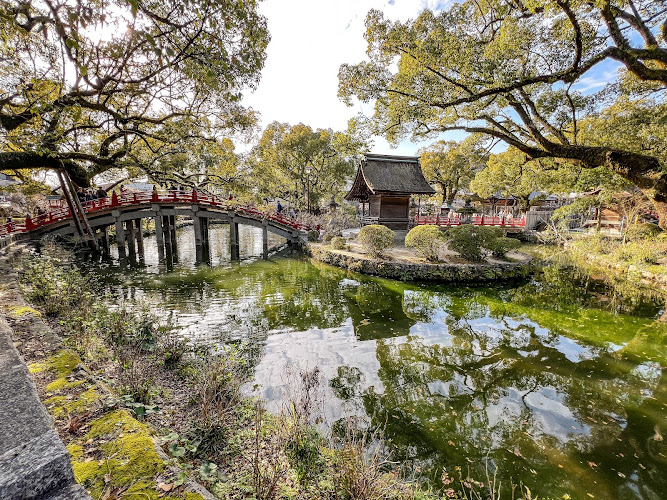
The Taiko-bashi stands as one of Japan's most photographed drum bridges, arching gracefully over a serene pond in a way that creates perfect circular reflections in the still water below. Y'know what's really cool about this bridge? When you look at it with its reflection, it forms this complete circle that locals often call the 'eye of the dragon'. The steep arch of this vermillion-painted wooden bridge isn't just for show - it actually served a practical purpose back in the day, allowing boats to pass underneath while letting people cross above.Key Features
• Distinctive red-orange vermillion paint that pops against the surrounding greenery • Traditional Japanese architectural design featuring steep, semi-circular arch • Creates a perfect circle reflection in the pond's surface when conditions are right • Hand-crafted wooden construction using traditional building techniques • Scenic photo spot especially popular during cherry blossom and autumn seasons • Historical significance dating back to Japan's Edo period • Surrounded by carefully manicured Japanese gardens • Peaceful atmosphere perfect for contemplation and appreciationBest Time to Visit
If you ask me, early morning is absolutely magical here - that's when you'll catch the best reflections in the pond before the wind picks up. Spring brings spectacular cherry blossoms that frame the bridge beautifully, while autumn treats visitors to a stunning display of red and gold maple leaves. The light tends to be particularly gorgeous during golden hour, just before sunset, when the bridge's vermillion color practically glows. Summer can get pretty humid, but the surrounding gardens provide nice shade. Winter offers a unique charm too, especially on those rare snowy days when the bridge stands out dramatically against the white landscape.How to Get There
Getting to Taiko-bashi isn't too tricky, but you'll wanna plan ahead. The closest train station is a 15-minute walk away, and the path is well-marked with signs in both Japanese and English. If you're coming by taxi, just show the driver "太鼓橋" on your phone - they'll know exactly where to go. For those driving themselves, there's parking nearby, though spaces can fill up quick during peak season and weekends. And honestly, I'd recommend walking if you can - the approach to the bridge through the gardens is part of the whole experience.Tips for Visiting
Okay, here's the real scoop from someone who's been there more times than I can count. The bridge can be pretty steep, so wear shoes with good grip - those wooden steps can get slippery, especially after rain. Bringing a camera is an absolute must, but try visiting during off-peak hours if you want those picture-perfect shots without other visitors in the frame. Early morning or late afternoon typically works best for photography due to the lighting. The bridge isn't wheelchair accessible (trust me, I learned this the hard way when bringing my aunt), so keep that in mind when planning. Pack light because you'll be doing some walking, and maybe bring a small towel - Japanese summer humidity is no joke! Oh, and here's a pro tip: check the weather forecast before going. Still water makes for the best reflections, so a calm, windless day is ideal for those iconic circular reflection photos. I'd recommend allowing at least an hour to fully appreciate the bridge and surrounding gardens. There's usually a small entrance fee, but it's totally worth it. And if you're into photography like me, you might want to visit multiple times throughout the day - the way the light plays on the vermillion wood creates completely different moods from morning to sunset. Visiting during festivals can be especially rewarding, but expect larger crowds. Some weekends feature traditional performances near the bridge, adding an extra layer of cultural experience to your visit. Just remember to be respectful - this isn't just a tourist spot, but a piece of living Japanese heritage that locals take pride in maintaining. Last thing - don't forget to take a moment to just stand there and soak it all in. Sometimes visitors get so caught up in taking photos that they forget to actually experience the place. Trust me on this one - the real magic of Taiko-bashi isn't just in its appearance, but in the peaceful atmosphere and the way it connects you to centuries of Japanese cultural history.Key Features
- Key Features
- Best Time to Visit
- How to Get There
- Tips for Visiting
More Details
Updated June 22, 2025
Table of Contents
Description
The Taiko-bashi stands as one of Japan’s most photographed drum bridges, arching gracefully over a serene pond in a way that creates perfect circular reflections in the still water below. Y’know what’s really cool about this bridge? When you look at it with its reflection, it forms this complete circle that locals often call the ‘eye of the dragon’. The steep arch of this vermillion-painted wooden bridge isn’t just for show – it actually served a practical purpose back in the day, allowing boats to pass underneath while letting people cross above.
Key Features
• Distinctive red-orange vermillion paint that pops against the surrounding greenery
• Traditional Japanese architectural design featuring steep, semi-circular arch
• Creates a perfect circle reflection in the pond’s surface when conditions are right
• Hand-crafted wooden construction using traditional building techniques
• Scenic photo spot especially popular during cherry blossom and autumn seasons
• Historical significance dating back to Japan’s Edo period
• Surrounded by carefully manicured Japanese gardens
• Peaceful atmosphere perfect for contemplation and appreciation
Best Time to Visit
If you ask me, early morning is absolutely magical here – that’s when you’ll catch the best reflections in the pond before the wind picks up. Spring brings spectacular cherry blossoms that frame the bridge beautifully, while autumn treats visitors to a stunning display of red and gold maple leaves. The light tends to be particularly gorgeous during golden hour, just before sunset, when the bridge’s vermillion color practically glows. Summer can get pretty humid, but the surrounding gardens provide nice shade. Winter offers a unique charm too, especially on those rare snowy days when the bridge stands out dramatically against the white landscape.
How to Get There
Getting to Taiko-bashi isn’t too tricky, but you’ll wanna plan ahead. The closest train station is a 15-minute walk away, and the path is well-marked with signs in both Japanese and English. If you’re coming by taxi, just show the driver “太鼓橋” on your phone – they’ll know exactly where to go. For those driving themselves, there’s parking nearby, though spaces can fill up quick during peak season and weekends. And honestly, I’d recommend walking if you can – the approach to the bridge through the gardens is part of the whole experience.
Tips for Visiting
Okay, here’s the real scoop from someone who’s been there more times than I can count. The bridge can be pretty steep, so wear shoes with good grip – those wooden steps can get slippery, especially after rain. Bringing a camera is an absolute must, but try visiting during off-peak hours if you want those picture-perfect shots without other visitors in the frame. Early morning or late afternoon typically works best for photography due to the lighting.
The bridge isn’t wheelchair accessible (trust me, I learned this the hard way when bringing my aunt), so keep that in mind when planning. Pack light because you’ll be doing some walking, and maybe bring a small towel – Japanese summer humidity is no joke! Oh, and here’s a pro tip: check the weather forecast before going. Still water makes for the best reflections, so a calm, windless day is ideal for those iconic circular reflection photos.
I’d recommend allowing at least an hour to fully appreciate the bridge and surrounding gardens. There’s usually a small entrance fee, but it’s totally worth it. And if you’re into photography like me, you might want to visit multiple times throughout the day – the way the light plays on the vermillion wood creates completely different moods from morning to sunset.
Visiting during festivals can be especially rewarding, but expect larger crowds. Some weekends feature traditional performances near the bridge, adding an extra layer of cultural experience to your visit. Just remember to be respectful – this isn’t just a tourist spot, but a piece of living Japanese heritage that locals take pride in maintaining.
Last thing – don’t forget to take a moment to just stand there and soak it all in. Sometimes visitors get so caught up in taking photos that they forget to actually experience the place. Trust me on this one – the real magic of Taiko-bashi isn’t just in its appearance, but in the peaceful atmosphere and the way it connects you to centuries of Japanese cultural history.
Key Highlights
- Key Features
- Best Time to Visit
- How to Get There
- Tips for Visiting
Location
Places to Stay Near Taiko-bashi
Find and Book a Tour
Explore More Travel Guides
No reviews found! Be the first to review!
Traveler Reviews for Taiko-bashi
There are no reviews yet. Be the first one to write one.
Have you visited Taiko-bashi? Help other travelers by sharing your review.
You Might Also Like

Dazaifu Exhibition Hall

Dazaifu Tenmangu
Shinji-ike Pond
Find Accommodations Nearby
Recommended Tours & Activities
Visitor Reviews
There are no reviews yet. Be the first one to write one.
Share Your Experience
Have you visited Taiko-bashi? Help other travelers by leaving a review.