

Tabatabaei Historical House
About Tabatabaei Historical House
Description
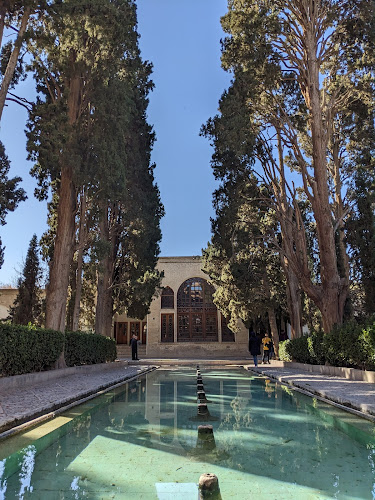
The Tabatabaei Historical House in Kashan is one of those rare places that feels like a living storybook. Built around the late 19th century during the Qajar era, this grand residence belonged to Seyyed Jafar Tabatabaei, a wealthy carpet merchant whose taste for beauty shaped one of Iran’s most exquisite examples of traditional Persian architecture. Walking through its courtyards feels like stepping into another time—one where art, craftsmanship, and climate-conscious design blended seamlessly.
This house isn’t just beautiful—it’s deeply thoughtful. Every arch, mirror, and stained-glass window seems to whisper about the people who once lived here. The architecture, with its delicate plasterwork and stone carvings, reflects both the wealth of its owner and the ingenuity of the artisans who built it. And despite the desert climate outside, the house remains surprisingly cool inside, thanks to clever design features like wind catchers and underground spaces. It’s one of those places where you almost forget the modern world exists for a while.
Some travelers might find it a bit crowded at peak hours, and yes, it can get warm in the courtyards during summer afternoons. But if you take your time, wander slowly, and let your eyes adjust to the play of light and shadow, you’ll quickly understand why so many visitors call it one of Kashan’s crown jewels. Personally, I found myself lingering in front of the stained-glass windows longer than I’d planned—just watching the sunlight dance across the walls like a moving mosaic. There’s something quietly magical about it.
Key Features
- Traditional Persian Architecture: The house is a masterpiece of Qajar-era design, with symmetrical courtyards, arched doorways, and intricate stucco work that showcase Persian artistry at its finest.
- Intricate Stone Reliefs: Beautifully carved stone panels and plaster decorations adorn the walls, each one telling a silent story of elegance and craftsmanship.
- Stained Glass Windows: The colorful glasswork filters sunlight into mesmerizing patterns, adding warmth and a dreamlike quality to the interior spaces.
- Multiple Courtyards: The house features several courtyards that separate living quarters for men, women, and servants—a common layout in traditional Iranian homes.
- Wind Catchers (Badgirs): Ingenious ventilation towers that keep the house naturally cool, proving that sustainable design is hardly a new concept.
- Ornate Mirrors and Frescoes: Reflective surfaces and painted ceilings create a sense of grandeur and light that feels almost theatrical.
- Historic Significance: Built by one of Kashan’s most prominent families, the house offers a glimpse into the lifestyle of Iran’s 19th-century merchant elite.
What really stands out, though, is how the house feels alive with stories. You can almost imagine the laughter that once filled the courtyards or the quiet evenings when the family gathered under the stars. The balance between privacy and openness, formality and comfort—it’s all part of the cultural DNA of Persian architecture. And if you’re like me, you’ll probably find yourself mentally rearranging your own home afterward, wishing you could borrow just a bit of that timeless charm.
Best Time to Visit
Kashan can get pretty hot in the summer, so the best time to visit the Tabatabaei House is during spring (March to May) or autumn (September to November). The weather is mild, the light is soft, and the courtyards practically glow at sunset. Early mornings are also a great time to go if you want to avoid crowds and take photos without too many people in the background.
If you happen to visit during Nowruz, the Persian New Year, the house feels even more alive. Locals often decorate the courtyards with flowers and traditional items, adding an extra layer of charm. Winter visits are possible too—the air is crisp, and the house takes on a quiet, almost meditative atmosphere. Just bring a jacket, as the stone floors can get chilly.
I once visited in late April, and honestly, it was perfect. The scent of roses from nearby gardens drifted through the air, and the sunlight filtering through the stained glass made everything look like a painting. It’s one of those travel moments that just sticks with you.
How to Get There
The Tabatabaei Historical House is located in the heart of Kashan’s old quarter, surrounded by other famous landmarks like the Borujerdi House and Sultan Amir Ahmad Bathhouse. If you’re staying in Kashan, you can easily reach it by walking or taking a short taxi ride. Most local drivers know it well—just mention “Khaneh Tabatabaei” and they’ll nod knowingly.
If you’re coming from Tehran, it’s about a 2.5-hour drive south along the main highway. Many travelers combine a visit to Kashan with a trip to Isfahan or Qom, making it a convenient stop on a central Iran itinerary. The roads are well-maintained, and there are plenty of buses and private tours available if you prefer not to drive.
For those who like to wander, I’d recommend exploring the surrounding alleys on foot. The narrow lanes, mud-brick walls, and hidden courtyards give you a real sense of how Kashan once looked centuries ago. It’s a photographer’s dream—and a bit of a maze, so bring a map or keep your GPS handy.
Tips for Visiting
Visiting the Tabatabaei House isn’t just about sightseeing—it’s about slowing down, noticing details, and letting the atmosphere sink in. Here are a few tips to make your visit smoother and more enjoyable:
- Go early or late in the day: The light is softer, the crowds are smaller, and the temperature is more comfortable. Plus, the stained glass looks most beautiful when sunlight hits it at an angle.
- Bring water and wear comfortable shoes: You’ll be walking and climbing stairs, and the stone floors can get warm underfoot.
- Photography is allowed: Just be respectful of other visitors. The reflections from the mirrors and glass can make for stunning photos if you catch the right angle.
- Take your time: Don’t rush through. Sit in one of the courtyards, listen to the echoes, and imagine life here a century ago. That’s where the magic really is.
- Combine it with nearby attractions: The Borujerdi House and Sultan Amir Ahmad Bathhouse are within walking distance and share similar architectural styles, so you can easily make a half-day of it.
- Mind accessibility: The house has steps and uneven surfaces, so it’s not very wheelchair-friendly. If mobility is an issue, plan accordingly.
- Respect the site: Remember, this isn’t just a tourist attraction—it’s a piece of living history. Treat it gently.
One last thing—don’t forget to look up. The ceilings here are some of the most breathtaking I’ve ever seen. The geometric patterns and delicate paintings draw your eyes upward, reminding you that Persian architecture was as much about harmony and spiritual beauty as it was about practicality. It’s easy to miss those details when you’re busy snapping photos, but trust me, they’re worth a few quiet minutes of admiration.
In a world full of modern distractions, the Tabatabaei Historical House offers something rare: a moment of stillness, beauty, and connection to the past. Whether you’re an architecture enthusiast, a history lover, or just someone who appreciates good design, this place will leave a lasting impression. And honestly, that’s what travel is all about—finding those moments that stay with you long after you’ve gone home.
Key Features
- Key Features
- Best Time to Visit
- How to Get There
- Tips for Visiting
More Details
Updated October 11, 2025
Table of Contents
Description
The Tabatabaei Historical House in Kashan is one of those rare places that feels like a living storybook. Built around the late 19th century during the Qajar era, this grand residence belonged to Seyyed Jafar Tabatabaei, a wealthy carpet merchant whose taste for beauty shaped one of Iran’s most exquisite examples of traditional Persian architecture. Walking through its courtyards feels like stepping into another time—one where art, craftsmanship, and climate-conscious design blended seamlessly.
This house isn’t just beautiful—it’s deeply thoughtful. Every arch, mirror, and stained-glass window seems to whisper about the people who once lived here. The architecture, with its delicate plasterwork and stone carvings, reflects both the wealth of its owner and the ingenuity of the artisans who built it. And despite the desert climate outside, the house remains surprisingly cool inside, thanks to clever design features like wind catchers and underground spaces. It’s one of those places where you almost forget the modern world exists for a while.
Some travelers might find it a bit crowded at peak hours, and yes, it can get warm in the courtyards during summer afternoons. But if you take your time, wander slowly, and let your eyes adjust to the play of light and shadow, you’ll quickly understand why so many visitors call it one of Kashan’s crown jewels. Personally, I found myself lingering in front of the stained-glass windows longer than I’d planned—just watching the sunlight dance across the walls like a moving mosaic. There’s something quietly magical about it.
Key Features
- Traditional Persian Architecture: The house is a masterpiece of Qajar-era design, with symmetrical courtyards, arched doorways, and intricate stucco work that showcase Persian artistry at its finest.
- Intricate Stone Reliefs: Beautifully carved stone panels and plaster decorations adorn the walls, each one telling a silent story of elegance and craftsmanship.
- Stained Glass Windows: The colorful glasswork filters sunlight into mesmerizing patterns, adding warmth and a dreamlike quality to the interior spaces.
- Multiple Courtyards: The house features several courtyards that separate living quarters for men, women, and servants—a common layout in traditional Iranian homes.
- Wind Catchers (Badgirs): Ingenious ventilation towers that keep the house naturally cool, proving that sustainable design is hardly a new concept.
- Ornate Mirrors and Frescoes: Reflective surfaces and painted ceilings create a sense of grandeur and light that feels almost theatrical.
- Historic Significance: Built by one of Kashan’s most prominent families, the house offers a glimpse into the lifestyle of Iran’s 19th-century merchant elite.
What really stands out, though, is how the house feels alive with stories. You can almost imagine the laughter that once filled the courtyards or the quiet evenings when the family gathered under the stars. The balance between privacy and openness, formality and comfort—it’s all part of the cultural DNA of Persian architecture. And if you’re like me, you’ll probably find yourself mentally rearranging your own home afterward, wishing you could borrow just a bit of that timeless charm.
Best Time to Visit
Kashan can get pretty hot in the summer, so the best time to visit the Tabatabaei House is during spring (March to May) or autumn (September to November). The weather is mild, the light is soft, and the courtyards practically glow at sunset. Early mornings are also a great time to go if you want to avoid crowds and take photos without too many people in the background.
If you happen to visit during Nowruz, the Persian New Year, the house feels even more alive. Locals often decorate the courtyards with flowers and traditional items, adding an extra layer of charm. Winter visits are possible too—the air is crisp, and the house takes on a quiet, almost meditative atmosphere. Just bring a jacket, as the stone floors can get chilly.
I once visited in late April, and honestly, it was perfect. The scent of roses from nearby gardens drifted through the air, and the sunlight filtering through the stained glass made everything look like a painting. It’s one of those travel moments that just sticks with you.
How to Get There
The Tabatabaei Historical House is located in the heart of Kashan’s old quarter, surrounded by other famous landmarks like the Borujerdi House and Sultan Amir Ahmad Bathhouse. If you’re staying in Kashan, you can easily reach it by walking or taking a short taxi ride. Most local drivers know it well—just mention “Khaneh Tabatabaei” and they’ll nod knowingly.
If you’re coming from Tehran, it’s about a 2.5-hour drive south along the main highway. Many travelers combine a visit to Kashan with a trip to Isfahan or Qom, making it a convenient stop on a central Iran itinerary. The roads are well-maintained, and there are plenty of buses and private tours available if you prefer not to drive.
For those who like to wander, I’d recommend exploring the surrounding alleys on foot. The narrow lanes, mud-brick walls, and hidden courtyards give you a real sense of how Kashan once looked centuries ago. It’s a photographer’s dream—and a bit of a maze, so bring a map or keep your GPS handy.
Tips for Visiting
Visiting the Tabatabaei House isn’t just about sightseeing—it’s about slowing down, noticing details, and letting the atmosphere sink in. Here are a few tips to make your visit smoother and more enjoyable:
- Go early or late in the day: The light is softer, the crowds are smaller, and the temperature is more comfortable. Plus, the stained glass looks most beautiful when sunlight hits it at an angle.
- Bring water and wear comfortable shoes: You’ll be walking and climbing stairs, and the stone floors can get warm underfoot.
- Photography is allowed: Just be respectful of other visitors. The reflections from the mirrors and glass can make for stunning photos if you catch the right angle.
- Take your time: Don’t rush through. Sit in one of the courtyards, listen to the echoes, and imagine life here a century ago. That’s where the magic really is.
- Combine it with nearby attractions: The Borujerdi House and Sultan Amir Ahmad Bathhouse are within walking distance and share similar architectural styles, so you can easily make a half-day of it.
- Mind accessibility: The house has steps and uneven surfaces, so it’s not very wheelchair-friendly. If mobility is an issue, plan accordingly.
- Respect the site: Remember, this isn’t just a tourist attraction—it’s a piece of living history. Treat it gently.
One last thing—don’t forget to look up. The ceilings here are some of the most breathtaking I’ve ever seen. The geometric patterns and delicate paintings draw your eyes upward, reminding you that Persian architecture was as much about harmony and spiritual beauty as it was about practicality. It’s easy to miss those details when you’re busy snapping photos, but trust me, they’re worth a few quiet minutes of admiration.
In a world full of modern distractions, the Tabatabaei Historical House offers something rare: a moment of stillness, beauty, and connection to the past. Whether you’re an architecture enthusiast, a history lover, or just someone who appreciates good design, this place will leave a lasting impression. And honestly, that’s what travel is all about—finding those moments that stay with you long after you’ve gone home.
Key Highlights
- Key Features
- Best Time to Visit
- How to Get There
- Tips for Visiting
Location
Places to Stay Near Tabatabaei Historical House
Find and Book a Tour
Explore More Travel Guides
No reviews found! Be the first to review!
Traveler Reviews for Tabatabaei Historical House
There are no reviews yet. Be the first one to write one.
Have you visited Tabatabaei Historical House? Help other travelers by sharing your review.
You Might Also Like

Aminoddole Caravanserai
Fin bathroom
Amir Kabir Museum
Find Accommodations Nearby
Recommended Tours & Activities
Visitor Reviews
There are no reviews yet. Be the first one to write one.
Share Your Experience
Have you visited Tabatabaei Historical House? Help other travelers by leaving a review.