About Swan House at Atlanta History Center

Description

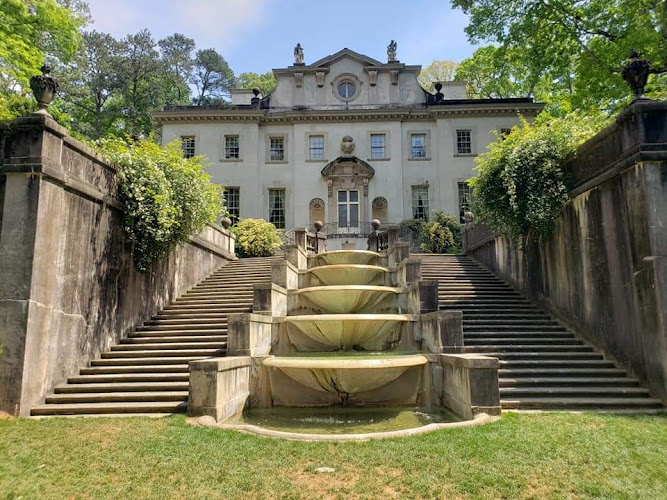
Standing as a testament to the opulence of Atlanta's pre-Depression era elite, the Swan House represents one of those rare architectural gems that somehow manages to transport you back nearly a century the moment you step onto its grounds. Built in 1928 for the Inman family—descendants of wealthy cotton brokers who basically had money to burn—this neoclassical mansion was designed by Philip Troutman Shutze, who's basically the guy you'd call if you wanted your house to look like something straight out of a European grand tour. The property isn't just another old house that someone decided to preserve because, well, why not. This place has real character and stories embedded in every marble column and manicured hedge. When you walk through the front entrance, you'll notice the symmetry is almost obsessive in its precision. And that's exactly what Shutze intended—he was all about those classical proportions that the ancient Greeks and Romans perfected. What really sets Swan House apart from other historic homes you might have toured is how it captures that specific moment in American history when new money was trying desperately to look like old money. The Inmans wanted a showpiece, and boy did they get one. The cascading terraces, the formal gardens, the swan motif that repeats throughout the property—it's almost theatrical in its presentation. I've always thought there's something particularly fascinating about touring homes where real people actually lived, argued, celebrated, and went about their daily lives. This wasn't a government building or a monument built for public consumption from day one. The Inmans raised their family here, threw parties that were probably the talk of Atlanta society, and dealt with the same stock market crash that affected everyone else in 1929—though admittedly from a much cushier position than most. The restoration work done on the property deserves serious recognition. Historical preservationists managed to maintain the authentic feel while making it accessible for modern visitors. You'll see original furnishings, artwork, and decorative pieces that help paint a picture of what life was like for Atlanta's upper crust during the Jazz Age and beyond.

Key Features

Visitors to Swan House will encounter several distinctive elements that make this historic property worth including on any Atlanta itinerary:
  • The mansion's stunning neoclassical architecture featuring Palladian-style windows and perfectly proportioned facades that photography enthusiasts absolutely love—seriously, your Instagram will thank you
  • Cascading formal gardens designed in the Italian Renaissance style with boxwood parterres, fountains, and terraced lawns that change character with each season
  • The famous front entrance stairway that's appeared in several films and television shows, most notably in "The Hunger Games: Mockingjay" where it stood in for President Snow's mansion
  • Period-appropriate furnishings and decorative arts from the 1920s and 1930s that provide authentic context for understanding wealthy Southern lifestyle during that era
  • The Philip Troutman Shutze design elements throughout, showcasing one of the South's most accomplished classical architects at the peak of his creative powers
  • Rotating exhibitions within the Atlanta History Center campus that complement the Swan House experience and provide broader historical context
  • The surrounding 33-acre property with walking trails, additional historic buildings, and green spaces that make it more than just a house tour
  • Educational programming and guided tours led by knowledgeable docents who share stories and details you'd never pick up just wandering through on your own
  • Wheelchair accessible facilities making the experience available to visitors with mobility considerations—which honestly isn't always the case with historic properties
  • The beautiful swan motif integrated throughout the design, from architectural details to garden ornaments, creating a cohesive artistic vision

Best Time to Visit

Timing your visit to Swan House can significantly impact your experience, and I'd say spring ranks as the absolute prime season if you want to see the gardens in their full glory. Late March through May brings azaleas, dogwoods, and other flowering plants to life in ways that make the formal gardens look like they jumped straight out of a painting. The weather during these months tends to be comfortable too—not the oppressive Atlanta summer heat that can make outdoor exploration feel like punishment. That said, fall presents its own compelling case. September through November offers cooler temperatures and the changing foliage creates this gorgeous backdrop of golds and reds against the cream-colored mansion. Plus, you'll encounter fewer crowds compared to spring, which means more elbow room for photos and a more contemplative experience overall. Summer visits are totally doable, but prepare yourself for Georgia humidity that can be absolutely brutal. The mansion itself stays climate-controlled, which provides welcome relief, but exploring the gardens during July or August means you're basically volunteering for a sauna session. Early morning visits work best if summer is your only option. Winter shouldn't be completely written off either. The property takes on a different character when the gardens are dormant, and you can focus more attention on the architectural details without the distraction of blooming flowers. December often features special holiday decorations that show how the Inman family might have celebrated during the festive season. Just bundle up because Georgia winters, while mild compared to northern states, can still deliver some chilly days. Weekday visits generally mean lighter crowds than weekends, especially during tourist high season. If you're someone who prefers experiencing places without bumping into tour groups every five minutes, aim for a Tuesday or Wednesday morning.

How to Get There

Getting to Swan House is relatively straightforward since it sits within the larger Atlanta History Center complex in the Buckhead neighborhood of Atlanta. If you're driving, you'll find the location easily accessible from major highways. Take I-75 or I-85 to the appropriate exits leading into Buckhead, one of Atlanta's more affluent neighborhoods where you'll notice the architecture shifts from standard urban development to tree-lined streets with substantial homes. Parking is available onsite, and here's where the wheelchair accessible parking lot comes in handy—the facilities are well-designed for visitors with various mobility needs. The lot is spacious enough that finding a spot typically isn't a headache, though arriving earlier in the day gives you more options. Public transportation represents a viable alternative if you'd rather not deal with Atlanta traffic, which can be absolutely nightmarish during rush hours. The MARTA rail system doesn't drop you directly at the door, but you can take the train to Lindbergh Center or Lenox station and then grab a rideshare for the final leg. Bus routes also service the Buckhead area, though you'll want to check current schedules since they change periodically. Rideshare services like Uber and Lyft work perfectly for getting to Swan House, and drivers are familiar with the location. Just make sure you specify the Atlanta History Center as your destination to avoid any confusion with other historical sites in the area. If you're staying in downtown Atlanta or Midtown, the drive takes roughly 15-20 minutes without traffic, maybe 30-45 minutes during peak congestion times. Buckhead sits north of the city center, so plan your route accordingly and give yourself buffer time—Atlanta traffic has a way of throwing curveballs when you're on a schedule. For out-of-town visitors flying into Hartsfield-Jackson Atlanta International Airport, you're looking at about a 30-40 minute drive north to reach Swan House under normal conditions. Budget extra time if you're arriving during morning or evening rush hours because that commute can easily stretch to an hour or more.

Tips for Visiting

Walking through Swan House rewards preparation and a bit of strategic planning. First thing—wear comfortable shoes. I can't stress this enough. You'll be doing a fair amount of walking between the mansion, gardens, and other buildings on the Atlanta History Center grounds, and those beautiful period cobblestones and gravel paths are murder on your feet if you're wearing anything impractical. The guided tours offer significantly more value than self-guided exploration. Sure, you can wander around and appreciate the pretty architecture on your own, but the docents share stories and historical details that bring the place to life in ways you'd completely miss otherwise. They point out subtle design elements, explain the significance of certain furnishings, and answer questions that might pop into your head. Photography is generally permitted in most areas, but flash photography might be restricted in certain rooms to protect delicate furnishings and artwork. Check the current policy when you arrive because rules can change. The exterior and gardens are fair game for photos, and trust me, you'll want your camera ready. That front staircase alone is worth dozens of shots from different angles. Budget at least two to three hours for a thorough visit if you want to see Swan House plus explore other parts of the Atlanta History Center campus. Rushing through defeats the purpose. This isn't a place to check off a list and sprint to the next attraction—it deserves some time and attention. Visiting with children? The mansion tour itself might challenge younger kids' attention spans since there's a "look but don't touch" element to touring historic homes. But the surrounding grounds offer space for them to burn energy, and the Atlanta History Center has other exhibits specifically designed with kids in mind. Balance your visit between the more formal Swan House tour and the family-friendly attractions on the property. Check the Atlanta History Center website before visiting because they host special events, temporary exhibitions, and seasonal programming that might enhance your experience. Sometimes they offer behind-the-scenes tours or themed events that provide access to areas not typically open to the public. Membership options are worth considering if you're a local or planning multiple visits. The cost often pays for itself after just a couple trips, plus you get perks like special event invitations and extended hours. The onsite services include a museum store where you can pick up books about architecture, Atlanta history, and decorative arts if you want to dive deeper into the subjects. They also carry reproduction items and locally made crafts that make better souvenirs than typical tourist kitsch. Weather in Atlanta can be unpredictable, so checking the forecast before your visit helps with planning. The gardens are beautiful in light rain, creating almost a romantic atmosphere, but torrential downpours obviously make outdoor exploration less pleasant. The mansion tour itself happens indoors, so inclement weather doesn't necessarily ruin the experience. If you're particularly interested in architecture or design, consider bringing a sketchbook or taking detailed notes. Swan House serves as an excellent case study in neoclassical residential architecture, and having your own observations recorded enhances retention and appreciation of what you're seeing. Finally, take time to just sit in the gardens for a few minutes. Everyone's always rushing from one thing to the next, but these spaces were designed for contemplation and enjoyment. Find a bench, soak in the atmosphere, and imagine what it must have been like when the Inman family called this spectacular property home. That's when historic places really come alive—when you give yourself permission to step out of tourist mode and just experience the space as it was meant to be experienced.

Key Features

  • Cascading formal gardens designed in the Italian Renaissance style with boxwood parterres, fountains, and terraced lawns that change character with each season
  • The famous front entrance stairway that's appeared in several films and television shows, most notably in "The Hunger Games: Mockingjay" where it stood in for President Snow's mansion
  • Period-appropriate furnishings and decorative arts from the 1920s and 1930s that provide authentic context for understanding wealthy Southern lifestyle during that era
  • The Philip Troutman Shutze design elements throughout, showcasing one of the South's most accomplished classical architects at the peak of his creative powers
  • Rotating exhibitions within the Atlanta History Center campus that complement the Swan House experience and provide broader historical context
  • The surrounding 33-acre property with walking trails, additional historic buildings, and green spaces that make it more than just a house tour
  • Educational programming and guided tours led by knowledgeable docents who share stories and details you'd never pick up just wandering through on your own

More Details

Updated January 19, 2026

Description

Standing as a testament to the opulence of Atlanta’s pre-Depression era elite, the Swan House represents one of those rare architectural gems that somehow manages to transport you back nearly a century the moment you step onto its grounds. Built in 1928 for the Inman family—descendants of wealthy cotton brokers who basically had money to burn—this neoclassical mansion was designed by Philip Troutman Shutze, who’s basically the guy you’d call if you wanted your house to look like something straight out of a European grand tour.

The property isn’t just another old house that someone decided to preserve because, well, why not. This place has real character and stories embedded in every marble column and manicured hedge. When you walk through the front entrance, you’ll notice the symmetry is almost obsessive in its precision. And that’s exactly what Shutze intended—he was all about those classical proportions that the ancient Greeks and Romans perfected.

What really sets Swan House apart from other historic homes you might have toured is how it captures that specific moment in American history when new money was trying desperately to look like old money. The Inmans wanted a showpiece, and boy did they get one. The cascading terraces, the formal gardens, the swan motif that repeats throughout the property—it’s almost theatrical in its presentation.

I’ve always thought there’s something particularly fascinating about touring homes where real people actually lived, argued, celebrated, and went about their daily lives. This wasn’t a government building or a monument built for public consumption from day one. The Inmans raised their family here, threw parties that were probably the talk of Atlanta society, and dealt with the same stock market crash that affected everyone else in 1929—though admittedly from a much cushier position than most.

The restoration work done on the property deserves serious recognition. Historical preservationists managed to maintain the authentic feel while making it accessible for modern visitors. You’ll see original furnishings, artwork, and decorative pieces that help paint a picture of what life was like for Atlanta’s upper crust during the Jazz Age and beyond.

Key Features

Visitors to Swan House will encounter several distinctive elements that make this historic property worth including on any Atlanta itinerary:

  • The mansion’s stunning neoclassical architecture featuring Palladian-style windows and perfectly proportioned facades that photography enthusiasts absolutely love—seriously, your Instagram will thank you
  • Cascading formal gardens designed in the Italian Renaissance style with boxwood parterres, fountains, and terraced lawns that change character with each season
  • The famous front entrance stairway that’s appeared in several films and television shows, most notably in “The Hunger Games: Mockingjay” where it stood in for President Snow’s mansion
  • Period-appropriate furnishings and decorative arts from the 1920s and 1930s that provide authentic context for understanding wealthy Southern lifestyle during that era
  • The Philip Troutman Shutze design elements throughout, showcasing one of the South’s most accomplished classical architects at the peak of his creative powers
  • Rotating exhibitions within the Atlanta History Center campus that complement the Swan House experience and provide broader historical context
  • The surrounding 33-acre property with walking trails, additional historic buildings, and green spaces that make it more than just a house tour
  • Educational programming and guided tours led by knowledgeable docents who share stories and details you’d never pick up just wandering through on your own
  • Wheelchair accessible facilities making the experience available to visitors with mobility considerations—which honestly isn’t always the case with historic properties
  • The beautiful swan motif integrated throughout the design, from architectural details to garden ornaments, creating a cohesive artistic vision

Best Time to Visit

Timing your visit to Swan House can significantly impact your experience, and I’d say spring ranks as the absolute prime season if you want to see the gardens in their full glory. Late March through May brings azaleas, dogwoods, and other flowering plants to life in ways that make the formal gardens look like they jumped straight out of a painting. The weather during these months tends to be comfortable too—not the oppressive Atlanta summer heat that can make outdoor exploration feel like punishment.

That said, fall presents its own compelling case. September through November offers cooler temperatures and the changing foliage creates this gorgeous backdrop of golds and reds against the cream-colored mansion. Plus, you’ll encounter fewer crowds compared to spring, which means more elbow room for photos and a more contemplative experience overall.

Summer visits are totally doable, but prepare yourself for Georgia humidity that can be absolutely brutal. The mansion itself stays climate-controlled, which provides welcome relief, but exploring the gardens during July or August means you’re basically volunteering for a sauna session. Early morning visits work best if summer is your only option.

Winter shouldn’t be completely written off either. The property takes on a different character when the gardens are dormant, and you can focus more attention on the architectural details without the distraction of blooming flowers. December often features special holiday decorations that show how the Inman family might have celebrated during the festive season. Just bundle up because Georgia winters, while mild compared to northern states, can still deliver some chilly days.

Weekday visits generally mean lighter crowds than weekends, especially during tourist high season. If you’re someone who prefers experiencing places without bumping into tour groups every five minutes, aim for a Tuesday or Wednesday morning.

How to Get There

Getting to Swan House is relatively straightforward since it sits within the larger Atlanta History Center complex in the Buckhead neighborhood of Atlanta. If you’re driving, you’ll find the location easily accessible from major highways. Take I-75 or I-85 to the appropriate exits leading into Buckhead, one of Atlanta’s more affluent neighborhoods where you’ll notice the architecture shifts from standard urban development to tree-lined streets with substantial homes.

Parking is available onsite, and here’s where the wheelchair accessible parking lot comes in handy—the facilities are well-designed for visitors with various mobility needs. The lot is spacious enough that finding a spot typically isn’t a headache, though arriving earlier in the day gives you more options.

Public transportation represents a viable alternative if you’d rather not deal with Atlanta traffic, which can be absolutely nightmarish during rush hours. The MARTA rail system doesn’t drop you directly at the door, but you can take the train to Lindbergh Center or Lenox station and then grab a rideshare for the final leg. Bus routes also service the Buckhead area, though you’ll want to check current schedules since they change periodically.

Rideshare services like Uber and Lyft work perfectly for getting to Swan House, and drivers are familiar with the location. Just make sure you specify the Atlanta History Center as your destination to avoid any confusion with other historical sites in the area.

If you’re staying in downtown Atlanta or Midtown, the drive takes roughly 15-20 minutes without traffic, maybe 30-45 minutes during peak congestion times. Buckhead sits north of the city center, so plan your route accordingly and give yourself buffer time—Atlanta traffic has a way of throwing curveballs when you’re on a schedule.

For out-of-town visitors flying into Hartsfield-Jackson Atlanta International Airport, you’re looking at about a 30-40 minute drive north to reach Swan House under normal conditions. Budget extra time if you’re arriving during morning or evening rush hours because that commute can easily stretch to an hour or more.

Tips for Visiting

Walking through Swan House rewards preparation and a bit of strategic planning. First thing—wear comfortable shoes. I can’t stress this enough. You’ll be doing a fair amount of walking between the mansion, gardens, and other buildings on the Atlanta History Center grounds, and those beautiful period cobblestones and gravel paths are murder on your feet if you’re wearing anything impractical.

The guided tours offer significantly more value than self-guided exploration. Sure, you can wander around and appreciate the pretty architecture on your own, but the docents share stories and historical details that bring the place to life in ways you’d completely miss otherwise. They point out subtle design elements, explain the significance of certain furnishings, and answer questions that might pop into your head.

Photography is generally permitted in most areas, but flash photography might be restricted in certain rooms to protect delicate furnishings and artwork. Check the current policy when you arrive because rules can change. The exterior and gardens are fair game for photos, and trust me, you’ll want your camera ready. That front staircase alone is worth dozens of shots from different angles.

Budget at least two to three hours for a thorough visit if you want to see Swan House plus explore other parts of the Atlanta History Center campus. Rushing through defeats the purpose. This isn’t a place to check off a list and sprint to the next attraction—it deserves some time and attention.

Visiting with children? The mansion tour itself might challenge younger kids’ attention spans since there’s a “look but don’t touch” element to touring historic homes. But the surrounding grounds offer space for them to burn energy, and the Atlanta History Center has other exhibits specifically designed with kids in mind. Balance your visit between the more formal Swan House tour and the family-friendly attractions on the property.

Check the Atlanta History Center website before visiting because they host special events, temporary exhibitions, and seasonal programming that might enhance your experience. Sometimes they offer behind-the-scenes tours or themed events that provide access to areas not typically open to the public.

Membership options are worth considering if you’re a local or planning multiple visits. The cost often pays for itself after just a couple trips, plus you get perks like special event invitations and extended hours.

The onsite services include a museum store where you can pick up books about architecture, Atlanta history, and decorative arts if you want to dive deeper into the subjects. They also carry reproduction items and locally made crafts that make better souvenirs than typical tourist kitsch.

Weather in Atlanta can be unpredictable, so checking the forecast before your visit helps with planning. The gardens are beautiful in light rain, creating almost a romantic atmosphere, but torrential downpours obviously make outdoor exploration less pleasant. The mansion tour itself happens indoors, so inclement weather doesn’t necessarily ruin the experience.

If you’re particularly interested in architecture or design, consider bringing a sketchbook or taking detailed notes. Swan House serves as an excellent case study in neoclassical residential architecture, and having your own observations recorded enhances retention and appreciation of what you’re seeing.

Finally, take time to just sit in the gardens for a few minutes. Everyone’s always rushing from one thing to the next, but these spaces were designed for contemplation and enjoyment. Find a bench, soak in the atmosphere, and imagine what it must have been like when the Inman family called this spectacular property home. That’s when historic places really come alive—when you give yourself permission to step out of tourist mode and just experience the space as it was meant to be experienced.

Key Highlights

  • Cascading formal gardens designed in the Italian Renaissance style with boxwood parterres, fountains, and terraced lawns that change character with each season
  • The famous front entrance stairway that's appeared in several films and television shows, most notably in "The Hunger Games: Mockingjay" where it stood in for President Snow's mansion
  • Period-appropriate furnishings and decorative arts from the 1920s and 1930s that provide authentic context for understanding wealthy Southern lifestyle during that era
  • The Philip Troutman Shutze design elements throughout, showcasing one of the South's most accomplished classical architects at the peak of his creative powers
  • Rotating exhibitions within the Atlanta History Center campus that complement the Swan House experience and provide broader historical context
  • The surrounding 33-acre property with walking trails, additional historic buildings, and green spaces that make it more than just a house tour
  • Educational programming and guided tours led by knowledgeable docents who share stories and details you'd never pick up just wandering through on your own

Location

Places to Stay Near Swan House at Atlanta History Center

Find and Book a Tour

Explore More Travel Guides

No reviews found! Be the first to review!

Traveler Reviews for Swan House at Atlanta History Center

There are no reviews yet. Be the first one to write one.

Share Your Experience

Have you visited Swan House at Atlanta History Center? Help other travelers by sharing your review.

Find Accommodations Nearby

Recommended Tours & Activities

Visitor Reviews

There are no reviews yet. Be the first one to write one.

Share Your Experience

Have you visited Swan House at Atlanta History Center? Help other travelers by leaving a review.