
Sverresborg Trøndelag Folk Museum
About Sverresborg Trøndelag Folk Museum
Description
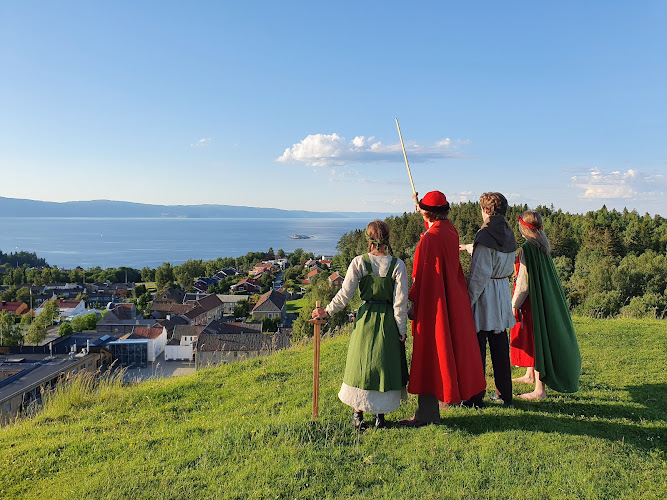
Sverresborg Trøndelag Folk Museum is an open-air cultural heritage site that brings centuries of Norwegian life into one walkable, surprisingly intimate space. The museum preserves more than 80 buildings—some of them with origins or architectural roots tracing back to the 12th century—arranged across rolling lawns and small streets that recreate different eras of rural and urban Trøndelag. Exhibits range from simple farmsteads and fishermen’s houses to restored urban buildings and modern interpretive displays. It’s not a static display of artifacts behind glass; it’s a living collection where people tell stories, crafts are practiced, and the past is allowed to breathe.
Visitors often remark on the immediacy of history here. Instead of reading placards only, they’ll find live performances, hands-on demonstrations, and occasional role-play that make everyday life in bygone Norway feel less like a vignette and more like a neighbor’s anecdote. The museum handles building restoration in-house and manages seasonal events, which means the structures aren’t just preserved—they’re maintained, used, and layered with contemporary meaning. For travelers who enjoy history with a human heartbeat, Sverresborg offers an approachable way to engage with Norway’s rural and urban past.
While this description sounds a bit lofty, the reality is approachable: families come for the kid-friendly activities and restrooms with changing tables; history buffs linger over timber beams and carved doorways; and casual visitors often stay for a meal at the on-site restaurant. The museum is wheelchair accessible in several key areas—entrance, parking, and restrooms—so it’s more inclusive than many outdoor historical sites. And yes, there’s free parking, Wi-Fi, and on-site services that ease the logistics of visiting, especially for travelers juggling a tight schedule.
Key Features
- Open-air museum with over 80 historic buildings, including structures dating back to the 12th century
- Live performances, seasonal events, and hands-on cultural demonstrations
- On-site restaurant and cafeteria options for meals and traditional fare
- Building restoration services and heritage conservation actively done on the premises
- Wheelchair accessible entrance, parking lot, and restroom facilities
- Family-friendly amenities: children’s discounts, family pricing, changing tables, and kid-focused activities
- Free parking and guest Wi-Fi for convenience
- Event management and venue options for festivals, markets, and private gatherings
Best Time to Visit
The museum changes character with the seasons, so timing has a big impact on the experience. Summer is the busiest and most animated period: guided tours run more frequently, many of the historic buildings open their doors, and live performances and outdoor markets are in full swing. If a lively atmosphere with demonstrations and actors is the goal, summer is the clear pick.
Spring and early autumn have a quieter charm. The light is softer, foliage adds color to the grounds, and crowds thin out—making it a good time for photography, slow wandering, and conversations with curators or guides who have a little more time to talk. Some smaller workshops and indoor exhibits may have reduced hours, though, so it helps to plan ahead for anything specific one wants to see.
Winter visits are brisk and intimate. The cold makes the warm interior spaces and restaurant feel especially welcoming, and certain seasonal programs (think crafts, music, holiday markets) give the museum a cozy, communal vibe. However, some open-air buildings or guided outdoor activities may be limited by weather. In short: summer for full programming and energy; shoulder seasons for quiet, reflective exploration; winter for atmosphere and a different kind of authenticity.
How to Get There
Reaching Sverresborg Trøndelag Folk Museum from central Trondheim is straightforward but varies depending on how adventurous you’re feeling. From the city center, public transport offers a convenient option: local buses run toward the museum area and drop passengers within a short walk of the entrance. Bus schedules change with season and day of week, so it’s sensible to check departure times before leaving the hotel (or ask at a tourist desk—locals love to help with a smile).
Driving is often the simplest choice for travelers with limited time or with families. The museum provides free parking on site, and the parking area is wheelchair accessible. If one prefers to save a few kroner, bicycling from Trondheim is pleasant on fair-weather days; the route includes green spaces and is an enjoyable way to arrive. For those on foot, the walk from central parts of Trondheim is doable for confident walkers but can be longer than expected—estimate travel time conservatively if the itinerary is tight.
Taxis and rideshares are available and can be handy for arriving directly at the entrance or for quick returns to the city center. During busy event days, allow extra travel time as roads and parking may be busier than usual. Lastly, the museum’s location is well signposted locally; once you’re near, follow the signs and the flow of people heading to the grounds—most likely you’ll hear music or discover a market before you see the main entrance.
Tips for Visiting
Practical planning makes the visit more rewarding. Here are tips—many born of small mistakes and happy discoveries—that travelers will find genuinely useful:
- Buy time, not haste: Plan for at least two to three hours. There’s more to explore than it looks at first glance, especially if live demonstrations or guided tours are running.
- Check event calendars: The museum frequently schedules concerts, seasonal markets, and living history programs. A surprise market can make a visit magical—bring a little extra cash for local crafts or seasonal treats.
- Dress for the weather: Much of the museum is outdoors. Layering is your friend—sunscreen and a hat in summer, waterproof outerwear in shoulder months, and warm layers in winter. Comfortable shoes are essential; some surfaces are uneven or cobbled.
- Use the restaurant strategically: The on-site restaurant offers a convenient break and often serves traditional dishes. It’s a pleasant place to rest, but service can fill up during peak hours; arriving slightly before typical lunch times reduces wait. And yes, the cafe often has kid-friendly options and a cozy vibe.
- Talk to the staff: Curators and guides are passionate about the place. Ask about lesser-known buildings, restoration projects, or where to catch the next demonstration—curators often have a little story that doesn’t make the guidebook.
- Plan for accessibility needs: While the museum has wheelchair accessible entrances, parking, and restrooms, not every historic building can be fully accessible due to original structures. Contact the museum in advance for specific needs—staff are usually accommodating.
- Kids and hands-on learning: If traveling with children, look for interactive workshops or scheduled kids’ activities. There are family discounts and children’s pricing, so bring ID or proof if needed to claim savings.
- Photography and etiquette: Photography is generally allowed but be mindful during performances or inside certain restored homes. Flash can damage delicate interiors. Also, remember that these buildings are fragile—observe ropes and signs.
- Bring a notebook or voice memos: If history intrigues you, jotting down details or recording short interviews with guides can turn a visit into a richer memory. The writer once scribbled notes under a linden tree and later used them to plan a return visit focused on timber construction techniques—yes, odd hobbies happen.
- Timing and flow: Arrive early if you’d like quieter photos and fewer crowds. Late afternoons often have a different light and a calmer pace, but check closing times as some buildings shut before gate closing.
- Consider a guided tour: Guided tours often illuminate the backstories—the trade connections, family histories, even the odd scandals that built a community. They’re worth it for context and for those little quirks that make history feel alive.
- Respect restoration work: Since the museum actively restores and conserves buildings, parts of the site may be under work. It’s a chance to learn about conservation, but do follow staff instructions and avoid restricted areas.
- Combine with nearby attractions: Sverresborg sits close enough to Trondheim’s cultural highlights that it makes a great half-day or full-day complement to city museums, markets, and waterfront walks. Plan accordingly if trying to squeeze several stops into one day.
In short, Sverresborg Trøndelag Folk Museum rewards curiosity. It’s not a museum to rush through. People who linger, talk to guides, and let themselves be pulled into small demonstrations often leave with the best memories—an odd recipe of wooden beams, warm bread smells from the kitchen, and someone’s voice telling a local tale. The place has personality, age, and an unmistakable sense of craft. And yes, the occasional unexpected live performance may make you smile, roll your eyes, or both—in the best possible way.
Key Features
- Open-air museum with over 80 historic buildings, including structures dating back to the 12th century
- Live performances, seasonal events, and hands-on cultural demonstrations
- On-site restaurant and cafeteria options for meals and traditional fare
- Building restoration services and heritage conservation actively done on the premises
- Wheelchair accessible entrance, parking lot, and restroom facilities
- Family-friendly amenities: children’s discounts, family pricing, changing tables, and kid-focused activities
- Free parking and guest Wi-Fi for convenience
- Event management and venue options for festivals, markets, and private gatherings
More Details
Updated August 30, 2025
Table of Contents
Description
Sverresborg Trøndelag Folk Museum is an open-air cultural heritage site that brings centuries of Norwegian life into one walkable, surprisingly intimate space. The museum preserves more than 80 buildings—some of them with origins or architectural roots tracing back to the 12th century—arranged across rolling lawns and small streets that recreate different eras of rural and urban Trøndelag. Exhibits range from simple farmsteads and fishermen’s houses to restored urban buildings and modern interpretive displays. It’s not a static display of artifacts behind glass; it’s a living collection where people tell stories, crafts are practiced, and the past is allowed to breathe.
Visitors often remark on the immediacy of history here. Instead of reading placards only, they’ll find live performances, hands-on demonstrations, and occasional role-play that make everyday life in bygone Norway feel less like a vignette and more like a neighbor’s anecdote. The museum handles building restoration in-house and manages seasonal events, which means the structures aren’t just preserved—they’re maintained, used, and layered with contemporary meaning. For travelers who enjoy history with a human heartbeat, Sverresborg offers an approachable way to engage with Norway’s rural and urban past.
While this description sounds a bit lofty, the reality is approachable: families come for the kid-friendly activities and restrooms with changing tables; history buffs linger over timber beams and carved doorways; and casual visitors often stay for a meal at the on-site restaurant. The museum is wheelchair accessible in several key areas—entrance, parking, and restrooms—so it’s more inclusive than many outdoor historical sites. And yes, there’s free parking, Wi-Fi, and on-site services that ease the logistics of visiting, especially for travelers juggling a tight schedule.
Key Features
- Open-air museum with over 80 historic buildings, including structures dating back to the 12th century
- Live performances, seasonal events, and hands-on cultural demonstrations
- On-site restaurant and cafeteria options for meals and traditional fare
- Building restoration services and heritage conservation actively done on the premises
- Wheelchair accessible entrance, parking lot, and restroom facilities
- Family-friendly amenities: children’s discounts, family pricing, changing tables, and kid-focused activities
- Free parking and guest Wi-Fi for convenience
- Event management and venue options for festivals, markets, and private gatherings
Best Time to Visit
The museum changes character with the seasons, so timing has a big impact on the experience. Summer is the busiest and most animated period: guided tours run more frequently, many of the historic buildings open their doors, and live performances and outdoor markets are in full swing. If a lively atmosphere with demonstrations and actors is the goal, summer is the clear pick.
Spring and early autumn have a quieter charm. The light is softer, foliage adds color to the grounds, and crowds thin out—making it a good time for photography, slow wandering, and conversations with curators or guides who have a little more time to talk. Some smaller workshops and indoor exhibits may have reduced hours, though, so it helps to plan ahead for anything specific one wants to see.
Winter visits are brisk and intimate. The cold makes the warm interior spaces and restaurant feel especially welcoming, and certain seasonal programs (think crafts, music, holiday markets) give the museum a cozy, communal vibe. However, some open-air buildings or guided outdoor activities may be limited by weather. In short: summer for full programming and energy; shoulder seasons for quiet, reflective exploration; winter for atmosphere and a different kind of authenticity.
How to Get There
Reaching Sverresborg Trøndelag Folk Museum from central Trondheim is straightforward but varies depending on how adventurous you’re feeling. From the city center, public transport offers a convenient option: local buses run toward the museum area and drop passengers within a short walk of the entrance. Bus schedules change with season and day of week, so it’s sensible to check departure times before leaving the hotel (or ask at a tourist desk—locals love to help with a smile).
Driving is often the simplest choice for travelers with limited time or with families. The museum provides free parking on site, and the parking area is wheelchair accessible. If one prefers to save a few kroner, bicycling from Trondheim is pleasant on fair-weather days; the route includes green spaces and is an enjoyable way to arrive. For those on foot, the walk from central parts of Trondheim is doable for confident walkers but can be longer than expected—estimate travel time conservatively if the itinerary is tight.
Taxis and rideshares are available and can be handy for arriving directly at the entrance or for quick returns to the city center. During busy event days, allow extra travel time as roads and parking may be busier than usual. Lastly, the museum’s location is well signposted locally; once you’re near, follow the signs and the flow of people heading to the grounds—most likely you’ll hear music or discover a market before you see the main entrance.
Tips for Visiting
Practical planning makes the visit more rewarding. Here are tips—many born of small mistakes and happy discoveries—that travelers will find genuinely useful:
- Buy time, not haste: Plan for at least two to three hours. There’s more to explore than it looks at first glance, especially if live demonstrations or guided tours are running.
- Check event calendars: The museum frequently schedules concerts, seasonal markets, and living history programs. A surprise market can make a visit magical—bring a little extra cash for local crafts or seasonal treats.
- Dress for the weather: Much of the museum is outdoors. Layering is your friend—sunscreen and a hat in summer, waterproof outerwear in shoulder months, and warm layers in winter. Comfortable shoes are essential; some surfaces are uneven or cobbled.
- Use the restaurant strategically: The on-site restaurant offers a convenient break and often serves traditional dishes. It’s a pleasant place to rest, but service can fill up during peak hours; arriving slightly before typical lunch times reduces wait. And yes, the cafe often has kid-friendly options and a cozy vibe.
- Talk to the staff: Curators and guides are passionate about the place. Ask about lesser-known buildings, restoration projects, or where to catch the next demonstration—curators often have a little story that doesn’t make the guidebook.
- Plan for accessibility needs: While the museum has wheelchair accessible entrances, parking, and restrooms, not every historic building can be fully accessible due to original structures. Contact the museum in advance for specific needs—staff are usually accommodating.
- Kids and hands-on learning: If traveling with children, look for interactive workshops or scheduled kids’ activities. There are family discounts and children’s pricing, so bring ID or proof if needed to claim savings.
- Photography and etiquette: Photography is generally allowed but be mindful during performances or inside certain restored homes. Flash can damage delicate interiors. Also, remember that these buildings are fragile—observe ropes and signs.
- Bring a notebook or voice memos: If history intrigues you, jotting down details or recording short interviews with guides can turn a visit into a richer memory. The writer once scribbled notes under a linden tree and later used them to plan a return visit focused on timber construction techniques—yes, odd hobbies happen.
- Timing and flow: Arrive early if you’d like quieter photos and fewer crowds. Late afternoons often have a different light and a calmer pace, but check closing times as some buildings shut before gate closing.
- Consider a guided tour: Guided tours often illuminate the backstories—the trade connections, family histories, even the odd scandals that built a community. They’re worth it for context and for those little quirks that make history feel alive.
- Respect restoration work: Since the museum actively restores and conserves buildings, parts of the site may be under work. It’s a chance to learn about conservation, but do follow staff instructions and avoid restricted areas.
- Combine with nearby attractions: Sverresborg sits close enough to Trondheim’s cultural highlights that it makes a great half-day or full-day complement to city museums, markets, and waterfront walks. Plan accordingly if trying to squeeze several stops into one day.
In short, Sverresborg Trøndelag Folk Museum rewards curiosity. It’s not a museum to rush through. People who linger, talk to guides, and let themselves be pulled into small demonstrations often leave with the best memories—an odd recipe of wooden beams, warm bread smells from the kitchen, and someone’s voice telling a local tale. The place has personality, age, and an unmistakable sense of craft. And yes, the occasional unexpected live performance may make you smile, roll your eyes, or both—in the best possible way.
Key Highlights
- Open-air museum with over 80 historic buildings, including structures dating back to the 12th century
- Live performances, seasonal events, and hands-on cultural demonstrations
- On-site restaurant and cafeteria options for meals and traditional fare
- Building restoration services and heritage conservation actively done on the premises
- Wheelchair accessible entrance, parking lot, and restroom facilities
- Family-friendly amenities: children’s discounts, family pricing, changing tables, and kid-focused activities
- Free parking and guest Wi-Fi for convenience
- Event management and venue options for festivals, markets, and private gatherings
Location
Places to Stay Near Sverresborg Trøndelag Folk Museum
Find and Book a Tour
Explore More Travel Guides
No reviews found! Be the first to review!
Traveler Reviews for Sverresborg Trøndelag Folk Museum
There are no reviews yet. Be the first one to write one.
Have you visited Sverresborg Trøndelag Folk Museum? Help other travelers by sharing your review.
You Might Also Like
Ringve Music Museum
Bymarka
Lookout Kiosk Kuhaugen
Find Accommodations Nearby
Recommended Tours & Activities
Visitor Reviews
There are no reviews yet. Be the first one to write one.
Share Your Experience
Have you visited Sverresborg Trøndelag Folk Museum? Help other travelers by leaving a review.