

Sumiyoshi Shrine
About Sumiyoshi Shrine
Description
Sumiyoshi Shrine in Zushi, Kanagawa, is one of those places that quietly whispers tales of old Japan, without screaming for attention like some tourist magnet spots. If you’re the kind of traveler who loves to peel back the layers of history and soak in the atmosphere where ancient traditions still linger, this shrine is a surprisingly rewarding find.
Now, don’t expect a flashy, over-the-top shrine decked out in gold leaf and tourist trinkets. Sumiyoshi Shrine feels much more like a serene pocket of calm where Shinto spirituality meets the everyday life of locals. It carries a rustic charm that I just can’t get enough of—from the well-worn wooden structures to the gentle rustling of the trees swaying overhead. There’s a simple elegance here, a kind of quiet dignity, that really lets you connect with the place on a deeper level.
This is a shrine steeped in tradition, honoring the Sumiyoshi Sanjin, the three gods of the sea and sailing, which is pretty fitting given Zushi’s coastal vibe. It’s no surprise that fishermen and seafarers have been popping in to pay respects here for centuries, hoping for safe voyages. And even though it’s not a huge shrine complex, the intimate scale actually makes your visit feel more personal and connected.
One thing to keep in mind is that Sumiyoshi Shrine isn’t built with accessibility in mind—there’s no wheelchair-accessible entrance or parking, so it might be a challenge for anyone with mobility issues. However, for those who can navigate the traditional stone steps and paths, it’s a peaceful spot to linger, reflect, and maybe toss a coin in the offering box for good luck.
What really stood out to me during my visit was the subtle beauty of the surroundings. Unlike your typical tourist-heavy shrine, you might find yourself nearly alone on a weekday morning, with only the faint sound of chanting or bells from nearby temples breaking the silence. It’s the kind of place that invites quiet contemplation more than selfies—and honestly, that’s refreshing.
All in all, if your Japan trip includes a stop along the Kanagawa coast, don’t overlook Sumiyoshi Shrine. It may not have flashy bells and whistles or sprawling grounds, but it offers a sincere glimpse into local faith and history, wrapped up in an authentic atmosphere that’s surprisingly rare these days.
Key Features
- Traditional Shinto architecture featuring classic, aged wooden structures
- Dedicated to Sumiyoshi Sanjin, the gods of the sea and sailing—perfect for those interested in maritime culture
- Peaceful and intimate atmosphere, ideal for quiet reflection away from tourist crowds
- Located near the coast, blending spiritual and natural coastal vibes beautifully
- Historic significance linked to local fishing and seafaring communities
- Simple but meaningful rituals and offerings available on-site
- Short walk through old-school Japanese streets, which adds to the overall cultural experience
- Lacks wheelchair accessibility, making it less suitable for visitors with limited mobility
Best Time to Visit
If you ask me, early spring or late autumn really make for the best visits here. The weather’s mild without the oppressive humidity that hits in the summer, and the shrine’s surroundings look downright magical amid the changing seasons. Cherry blossoms in full bloom aren’t the main event here, but if you time your visit right, you’ll catch a handful of trees dusted with pale pink petals—not to mention, there are far fewer tourists around.
Autumn is another standout, with crisp air and the fiery reds and golds of the maple leaves creating a picture-perfect backdrop. Honestly, it’s as if the shrine itself brightens up with the season’s colors, inviting you to slow down and really take in the moment.
Weekdays and mornings are just gold for visiting Sumiyoshi Shrine. Weekends tend to draw a few more locals, especially during festival times, which are interesting if you want to see traditional ceremonies and lively community engagement—but if you’re after quiet, stick to the quiet weekdays.
How to Get There
Getting to Sumiyoshi Shrine is pretty straightforward, but you’ll want to plan a bit ahead if you’re juggling packed schedules. The shrine is tucked away in the Kotsubo area of Zushi, Kanagawa Prefecture, so your best bet is to start from central Tokyo or Yokohama and make your way south. From the nearest train station, a moderate walk through some charming residential streets will lead you right to the shrine. It’s a nice way to stretch your legs and soak in the local vibe.
If you’re like me and carry a backpack stuffed with snacks (because when traveling, snacks are life), you’ll appreciate that this walk isn’t too demanding. But keep in mind—there’s no dedicated parking lot for people who drive, so public transport is really your friend here. A local bus will get you close, but the final approach is on foot, so comfy shoes are a must.
One tip: while the area feels safe and welcoming, the signage can be a bit sparse. Don’t hesitate to ask locals for directions—they’re surprisingly helpful and might share some insider info or a hidden gem nearby, which is always a win in my book.
Tips for Visiting
Alright, here’s where I get a bit personal because, honestly, it’s these little hacks and stories from the road that stick with you. First off, don’t rush your visit. Sumiyoshi Shrine isn’t one of those places where you check in, snap a photo, and dash. Take your time wandering the grounds, listening to the wind in the trees, and maybe observing the locals paying their respects. It’s a vibe that you miss if you’re always in a hurry.
Bring some small yen coins if you want to offer a prayer. I always find this simple ritual oddly satisfying—there’s a kind of peace in that moment of pause. And while you’re at it, watch out for the ema plaques; these little wooden boards where visitors write wishes. Reading a few of them can be surprisingly touching and gives you a peek into what matters to people right here and now.
Just a heads up for anybody worried about accessibility: the shrine isn’t wheelchair-friendly, so keep that in mind when planning. Also, the paths can get a little slippery if it rains, so watch your step and maybe avoid visiting on a wet day if you can.
Don’t miss the chance to explore a bit around the neighborhood after your shrine visit. The Kotsubo area is dotted with cozy cafes and local eateries that don’t cater just to tourists. Grab a coffee or a bite at one of these spots—you’ll get an authentic taste of daily Zushi life. It’s my favorite way to wrap up a meaningful visit and sort of ground myself before heading back into the rush of bigger cities.
Finally, if you’re curious about Japanese festivals, try to time your trip around Sumiyoshi Shrine’s local matsuri days—there’s an energy and community spirit that lights up the place in a way postcards can’t capture. Even if you don’t speak Japanese, watching locals celebrate is like catching a live slice of culture that stays with you long after you’re gone.
Key Features
- Traditional Shinto architecture featuring classic, aged wooden structures
- Dedicated to Sumiyoshi Sanjin, the gods of the sea and sailing—perfect for those interested in maritime culture
- Peaceful and intimate atmosphere, ideal for quiet reflection away from tourist crowds
- Located near the coast, blending spiritual and natural coastal vibes beautifully
- Historic significance linked to local fishing and seafaring communities
- Simple but meaningful rituals and offerings available on-site
- Short walk through old-school Japanese streets, which adds to the overall cultural experience
- Lacks wheelchair accessibility, making it less suitable for visitors with limited mobility
More Details
Updated June 4, 2025
Table of Contents
Description
Sumiyoshi Shrine in Zushi, Kanagawa, is one of those places that quietly whispers tales of old Japan, without screaming for attention like some tourist magnet spots. If you’re the kind of traveler who loves to peel back the layers of history and soak in the atmosphere where ancient traditions still linger, this shrine is a surprisingly rewarding find.
Now, don’t expect a flashy, over-the-top shrine decked out in gold leaf and tourist trinkets. Sumiyoshi Shrine feels much more like a serene pocket of calm where Shinto spirituality meets the everyday life of locals. It carries a rustic charm that I just can’t get enough of—from the well-worn wooden structures to the gentle rustling of the trees swaying overhead. There’s a simple elegance here, a kind of quiet dignity, that really lets you connect with the place on a deeper level.
This is a shrine steeped in tradition, honoring the Sumiyoshi Sanjin, the three gods of the sea and sailing, which is pretty fitting given Zushi’s coastal vibe. It’s no surprise that fishermen and seafarers have been popping in to pay respects here for centuries, hoping for safe voyages. And even though it’s not a huge shrine complex, the intimate scale actually makes your visit feel more personal and connected.
One thing to keep in mind is that Sumiyoshi Shrine isn’t built with accessibility in mind—there’s no wheelchair-accessible entrance or parking, so it might be a challenge for anyone with mobility issues. However, for those who can navigate the traditional stone steps and paths, it’s a peaceful spot to linger, reflect, and maybe toss a coin in the offering box for good luck.
What really stood out to me during my visit was the subtle beauty of the surroundings. Unlike your typical tourist-heavy shrine, you might find yourself nearly alone on a weekday morning, with only the faint sound of chanting or bells from nearby temples breaking the silence. It’s the kind of place that invites quiet contemplation more than selfies—and honestly, that’s refreshing.
All in all, if your Japan trip includes a stop along the Kanagawa coast, don’t overlook Sumiyoshi Shrine. It may not have flashy bells and whistles or sprawling grounds, but it offers a sincere glimpse into local faith and history, wrapped up in an authentic atmosphere that’s surprisingly rare these days.
Key Features
- Traditional Shinto architecture featuring classic, aged wooden structures
- Dedicated to Sumiyoshi Sanjin, the gods of the sea and sailing—perfect for those interested in maritime culture
- Peaceful and intimate atmosphere, ideal for quiet reflection away from tourist crowds
- Located near the coast, blending spiritual and natural coastal vibes beautifully
- Historic significance linked to local fishing and seafaring communities
- Simple but meaningful rituals and offerings available on-site
- Short walk through old-school Japanese streets, which adds to the overall cultural experience
- Lacks wheelchair accessibility, making it less suitable for visitors with limited mobility
Best Time to Visit
If you ask me, early spring or late autumn really make for the best visits here. The weather’s mild without the oppressive humidity that hits in the summer, and the shrine’s surroundings look downright magical amid the changing seasons. Cherry blossoms in full bloom aren’t the main event here, but if you time your visit right, you’ll catch a handful of trees dusted with pale pink petals—not to mention, there are far fewer tourists around.
Autumn is another standout, with crisp air and the fiery reds and golds of the maple leaves creating a picture-perfect backdrop. Honestly, it’s as if the shrine itself brightens up with the season’s colors, inviting you to slow down and really take in the moment.
Weekdays and mornings are just gold for visiting Sumiyoshi Shrine. Weekends tend to draw a few more locals, especially during festival times, which are interesting if you want to see traditional ceremonies and lively community engagement—but if you’re after quiet, stick to the quiet weekdays.
How to Get There
Getting to Sumiyoshi Shrine is pretty straightforward, but you’ll want to plan a bit ahead if you’re juggling packed schedules. The shrine is tucked away in the Kotsubo area of Zushi, Kanagawa Prefecture, so your best bet is to start from central Tokyo or Yokohama and make your way south. From the nearest train station, a moderate walk through some charming residential streets will lead you right to the shrine. It’s a nice way to stretch your legs and soak in the local vibe.
If you’re like me and carry a backpack stuffed with snacks (because when traveling, snacks are life), you’ll appreciate that this walk isn’t too demanding. But keep in mind—there’s no dedicated parking lot for people who drive, so public transport is really your friend here. A local bus will get you close, but the final approach is on foot, so comfy shoes are a must.
One tip: while the area feels safe and welcoming, the signage can be a bit sparse. Don’t hesitate to ask locals for directions—they’re surprisingly helpful and might share some insider info or a hidden gem nearby, which is always a win in my book.
Tips for Visiting
Alright, here’s where I get a bit personal because, honestly, it’s these little hacks and stories from the road that stick with you. First off, don’t rush your visit. Sumiyoshi Shrine isn’t one of those places where you check in, snap a photo, and dash. Take your time wandering the grounds, listening to the wind in the trees, and maybe observing the locals paying their respects. It’s a vibe that you miss if you’re always in a hurry.
Bring some small yen coins if you want to offer a prayer. I always find this simple ritual oddly satisfying—there’s a kind of peace in that moment of pause. And while you’re at it, watch out for the ema plaques; these little wooden boards where visitors write wishes. Reading a few of them can be surprisingly touching and gives you a peek into what matters to people right here and now.
Just a heads up for anybody worried about accessibility: the shrine isn’t wheelchair-friendly, so keep that in mind when planning. Also, the paths can get a little slippery if it rains, so watch your step and maybe avoid visiting on a wet day if you can.
Don’t miss the chance to explore a bit around the neighborhood after your shrine visit. The Kotsubo area is dotted with cozy cafes and local eateries that don’t cater just to tourists. Grab a coffee or a bite at one of these spots—you’ll get an authentic taste of daily Zushi life. It’s my favorite way to wrap up a meaningful visit and sort of ground myself before heading back into the rush of bigger cities.
Finally, if you’re curious about Japanese festivals, try to time your trip around Sumiyoshi Shrine’s local matsuri days—there’s an energy and community spirit that lights up the place in a way postcards can’t capture. Even if you don’t speak Japanese, watching locals celebrate is like catching a live slice of culture that stays with you long after you’re gone.
Key Highlights
- Traditional Shinto architecture featuring classic, aged wooden structures
- Dedicated to Sumiyoshi Sanjin, the gods of the sea and sailing—perfect for those interested in maritime culture
- Peaceful and intimate atmosphere, ideal for quiet reflection away from tourist crowds
- Located near the coast, blending spiritual and natural coastal vibes beautifully
- Historic significance linked to local fishing and seafaring communities
- Simple but meaningful rituals and offerings available on-site
- Short walk through old-school Japanese streets, which adds to the overall cultural experience
- Lacks wheelchair accessibility, making it less suitable for visitors with limited mobility
Location
Places to Stay Near Sumiyoshi Shrine
Find and Book a Tour
Explore More Travel Guides
No reviews found! Be the first to review!
Traveler Reviews for Sumiyoshi Shrine
There are no reviews yet. Be the first one to write one.
Have you visited Sumiyoshi Shrine? Help other travelers by sharing your review.
You Might Also Like
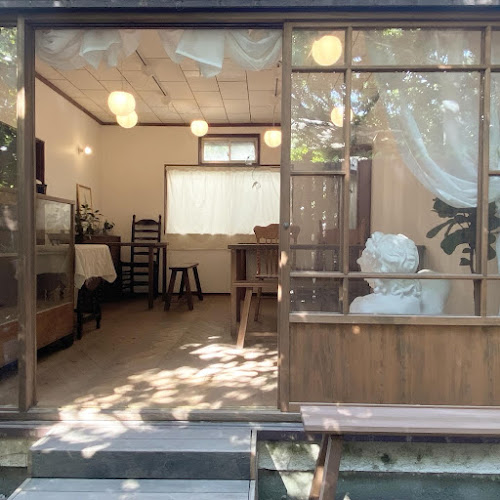
在 aru

Riviera Zushi Marina
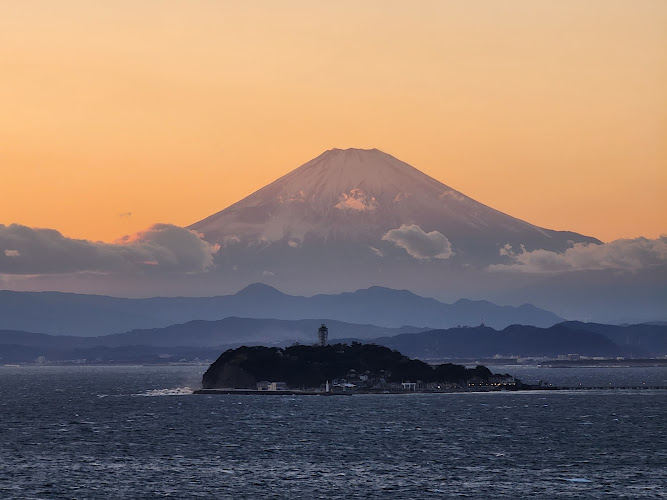
Osaki Park
Find Accommodations Nearby
Recommended Tours & Activities
Visitor Reviews
There are no reviews yet. Be the first one to write one.
Share Your Experience
Have you visited Sumiyoshi Shrine? Help other travelers by leaving a review.