
Sulaymaniyah Museum
About Sulaymaniyah Museum
Description
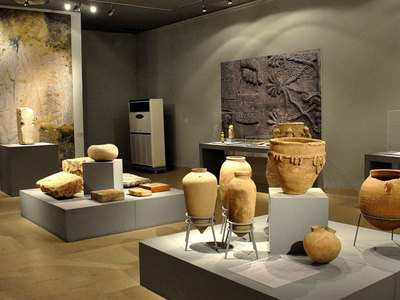
The Sulaymaniyah Museum, often called the Slemani Museum, stands proudly as the largest archaeological museum in the Kurdistan Region of Iraq. It’s not one of those places you just breeze through — it’s the kind of spot that quietly pulls you in and makes you linger a little longer than you planned. The museum tells the story of Mesopotamia, the cradle of civilization, through thousands of artifacts that date back to the prehistoric era, Sumerian, Babylonian, and Assyrian periods. Honestly, walking through its halls feels like flipping through a living textbook — but one that’s far more exciting than anything you ever read in school.
What’s striking about the Sulaymaniyah Museum is how personal it feels. The exhibits aren’t just relics behind glass; they’re pieces of a shared human story. You’ll see ancient tablets with cuneiform script, delicate pottery, and statues that somehow survived millennia of conflict and weather. There’s something humbling about standing in front of an artifact that’s older than most countries. And even though the museum doesn’t have the flashiness of some of the world’s larger institutions, it’s got heart — and that’s what makes it special.
The museum is also surprisingly accessible and welcoming. The entrance and restrooms are wheelchair-friendly, and it’s a good place to bring kids if you want them to experience history in a tangible way. You won’t find a restaurant inside, but that’s not really a problem since there are plenty of local eateries nearby serving authentic Kurdish dishes. It’s the kind of place where you can spend a few hours, then wander out into the city for tea and kebab while still thinking about what you just saw.
And here’s something I personally love: the staff. They’re genuinely passionate about what they do. You can tell they care about preserving history and sharing it with visitors. They’ll happily explain the stories behind the artifacts, often with an enthusiasm that’s contagious. It’s not a sterile or overly curated environment — it feels real, like the people who work there are part of the story too.
Key Features
- Extensive collection of Mesopotamian artifacts, including Sumerian and Babylonian relics
- Live performances and cultural events that bring ancient history to life
- Wheelchair-accessible entrance and restrooms for visitors with mobility needs
- Family-friendly environment with exhibits that engage children and adults alike
- Knowledgeable local guides who share fascinating insights about the region’s history
- Quiet, reflective atmosphere ideal for history enthusiasts and curious travelers
- Well-maintained facilities with clean restrooms and open gallery spaces
If you’re the type who enjoys taking your time, you’ll appreciate the layout — open, easy to navigate, and not overcrowded. And while it’s not a massive museum, the depth of its collection more than makes up for its size. Every artifact seems to have a story waiting to be told.
Best Time to Visit
Timing can make all the difference when visiting the Sulaymaniyah Museum. The best time, hands down, is during spring (March to May) and autumn (September to November). The weather in Sulaymaniyah during these months is comfortably mild, making it pleasant to explore both the museum and the surrounding city. Summer can get quite hot — not unbearable, but you’ll definitely feel it if you decide to walk around afterward.
Weekdays are generally quieter, so if you prefer a more contemplative experience, go then. Weekends tend to bring in families and school groups, which adds a lively energy but can be a bit distracting if you’re there to soak up history in peace. Personally, I love visiting in the late morning when the light filters softly through the windows — it gives the artifacts this warm, golden glow that feels almost magical.
If you’re lucky, you might catch one of the museum’s live performances or cultural demonstrations. They don’t happen every day, but when they do, they’re worth sticking around for. Traditional music, reenactments, or storytelling sessions breathe life into the ancient narratives displayed in the galleries.
How to Get There
Getting to the Sulaymaniyah Museum is pretty straightforward once you’re in the city. It’s centrally located, so most travelers can reach it easily by taxi or private car. If you’re staying in one of the nearby hotels, it’s often just a short ride away — or even a pleasant walk if the weather’s nice. The roads are well-maintained, and local drivers are familiar with the museum, so you won’t have trouble finding it.
Public transportation options are available, though taxis are the most convenient for visitors unfamiliar with Kurdish or Arabic. And if you’re the adventurous type, you could even rent a bike — the route to the museum passes through some interesting parts of the city, giving you a glimpse of daily life in Sulaymaniyah. Just be prepared for a few curious glances from locals (in the friendliest way possible).
Parking is available nearby, and it’s generally safe. I’ve found that arriving early in the day not only helps you beat the crowds but also ensures you get a good parking spot. Plus, it gives you more time to explore at your own pace.
Tips for Visiting
Here’s where a little insider advice can go a long way. First off, bring cash. While the entry fee is modest, not every place in the area accepts cards. It’s also a good idea to carry a bottle of water, especially during warmer months — though you’ll find small shops nearby if you forget.
Photography is generally allowed, but be respectful. Some exhibits may have restrictions, and flash photography isn’t recommended since it can damage delicate artifacts. I always like to take a small notebook with me to jot down thoughts or sketch a few items that catch my eye — it’s a nice way to make the experience more personal.
If you’re traveling with kids, plan ahead. The museum is great for families, but younger children might get restless after an hour or two. Bring snacks, and maybe turn the visit into a mini treasure hunt — see who can find the oldest artifact or the most interesting sculpture. It keeps things fun and interactive.
Dress comfortably. The museum itself is cool and shaded, but you’ll likely spend time outside before or after your visit. Light layers are your best bet. And don’t rush. The beauty of this place lies in the details — the inscriptions, the craftsmanship, the way time has shaped each piece. Give yourself space to really see it all.
Lastly, take a few moments to chat with the staff or locals you meet there. They often have stories that never make it into the official exhibits — personal memories, folklore, or even tales about how certain artifacts were discovered. Those conversations are the kind of thing you remember long after you’ve left.
The Sulaymaniyah Museum isn’t just a collection of old things; it’s a living bridge between the past and present. It reminds visitors that history isn’t something distant or abstract — it’s right here, tangible and alive. Whether you’re a history buff, a curious traveler, or just someone looking for a meaningful way to spend an afternoon, this museum offers a window into a world that helped shape our own. And honestly, that’s something worth seeing.
Key Features
- Extensive collection of Mesopotamian artifacts, including Sumerian and Babylonian relics
- Live performances and cultural events that bring ancient history to life
- Wheelchair-accessible entrance and restrooms for visitors with mobility needs
- Family-friendly environment with exhibits that engage children and adults alike
- Knowledgeable local guides who share fascinating insights about the region’s history
- Quiet, reflective atmosphere ideal for history enthusiasts and curious travelers
- Well-maintained facilities with clean restrooms and open gallery spaces
More Details
Updated November 7, 2025
Table of Contents
Description
The Sulaymaniyah Museum, often called the Slemani Museum, stands proudly as the largest archaeological museum in the Kurdistan Region of Iraq. It’s not one of those places you just breeze through — it’s the kind of spot that quietly pulls you in and makes you linger a little longer than you planned. The museum tells the story of Mesopotamia, the cradle of civilization, through thousands of artifacts that date back to the prehistoric era, Sumerian, Babylonian, and Assyrian periods. Honestly, walking through its halls feels like flipping through a living textbook — but one that’s far more exciting than anything you ever read in school.
What’s striking about the Sulaymaniyah Museum is how personal it feels. The exhibits aren’t just relics behind glass; they’re pieces of a shared human story. You’ll see ancient tablets with cuneiform script, delicate pottery, and statues that somehow survived millennia of conflict and weather. There’s something humbling about standing in front of an artifact that’s older than most countries. And even though the museum doesn’t have the flashiness of some of the world’s larger institutions, it’s got heart — and that’s what makes it special.
The museum is also surprisingly accessible and welcoming. The entrance and restrooms are wheelchair-friendly, and it’s a good place to bring kids if you want them to experience history in a tangible way. You won’t find a restaurant inside, but that’s not really a problem since there are plenty of local eateries nearby serving authentic Kurdish dishes. It’s the kind of place where you can spend a few hours, then wander out into the city for tea and kebab while still thinking about what you just saw.
And here’s something I personally love: the staff. They’re genuinely passionate about what they do. You can tell they care about preserving history and sharing it with visitors. They’ll happily explain the stories behind the artifacts, often with an enthusiasm that’s contagious. It’s not a sterile or overly curated environment — it feels real, like the people who work there are part of the story too.
Key Features
- Extensive collection of Mesopotamian artifacts, including Sumerian and Babylonian relics
- Live performances and cultural events that bring ancient history to life
- Wheelchair-accessible entrance and restrooms for visitors with mobility needs
- Family-friendly environment with exhibits that engage children and adults alike
- Knowledgeable local guides who share fascinating insights about the region’s history
- Quiet, reflective atmosphere ideal for history enthusiasts and curious travelers
- Well-maintained facilities with clean restrooms and open gallery spaces
If you’re the type who enjoys taking your time, you’ll appreciate the layout — open, easy to navigate, and not overcrowded. And while it’s not a massive museum, the depth of its collection more than makes up for its size. Every artifact seems to have a story waiting to be told.
Best Time to Visit
Timing can make all the difference when visiting the Sulaymaniyah Museum. The best time, hands down, is during spring (March to May) and autumn (September to November). The weather in Sulaymaniyah during these months is comfortably mild, making it pleasant to explore both the museum and the surrounding city. Summer can get quite hot — not unbearable, but you’ll definitely feel it if you decide to walk around afterward.
Weekdays are generally quieter, so if you prefer a more contemplative experience, go then. Weekends tend to bring in families and school groups, which adds a lively energy but can be a bit distracting if you’re there to soak up history in peace. Personally, I love visiting in the late morning when the light filters softly through the windows — it gives the artifacts this warm, golden glow that feels almost magical.
If you’re lucky, you might catch one of the museum’s live performances or cultural demonstrations. They don’t happen every day, but when they do, they’re worth sticking around for. Traditional music, reenactments, or storytelling sessions breathe life into the ancient narratives displayed in the galleries.
How to Get There
Getting to the Sulaymaniyah Museum is pretty straightforward once you’re in the city. It’s centrally located, so most travelers can reach it easily by taxi or private car. If you’re staying in one of the nearby hotels, it’s often just a short ride away — or even a pleasant walk if the weather’s nice. The roads are well-maintained, and local drivers are familiar with the museum, so you won’t have trouble finding it.
Public transportation options are available, though taxis are the most convenient for visitors unfamiliar with Kurdish or Arabic. And if you’re the adventurous type, you could even rent a bike — the route to the museum passes through some interesting parts of the city, giving you a glimpse of daily life in Sulaymaniyah. Just be prepared for a few curious glances from locals (in the friendliest way possible).
Parking is available nearby, and it’s generally safe. I’ve found that arriving early in the day not only helps you beat the crowds but also ensures you get a good parking spot. Plus, it gives you more time to explore at your own pace.
Tips for Visiting
Here’s where a little insider advice can go a long way. First off, bring cash. While the entry fee is modest, not every place in the area accepts cards. It’s also a good idea to carry a bottle of water, especially during warmer months — though you’ll find small shops nearby if you forget.
Photography is generally allowed, but be respectful. Some exhibits may have restrictions, and flash photography isn’t recommended since it can damage delicate artifacts. I always like to take a small notebook with me to jot down thoughts or sketch a few items that catch my eye — it’s a nice way to make the experience more personal.
If you’re traveling with kids, plan ahead. The museum is great for families, but younger children might get restless after an hour or two. Bring snacks, and maybe turn the visit into a mini treasure hunt — see who can find the oldest artifact or the most interesting sculpture. It keeps things fun and interactive.
Dress comfortably. The museum itself is cool and shaded, but you’ll likely spend time outside before or after your visit. Light layers are your best bet. And don’t rush. The beauty of this place lies in the details — the inscriptions, the craftsmanship, the way time has shaped each piece. Give yourself space to really see it all.
Lastly, take a few moments to chat with the staff or locals you meet there. They often have stories that never make it into the official exhibits — personal memories, folklore, or even tales about how certain artifacts were discovered. Those conversations are the kind of thing you remember long after you’ve left.
The Sulaymaniyah Museum isn’t just a collection of old things; it’s a living bridge between the past and present. It reminds visitors that history isn’t something distant or abstract — it’s right here, tangible and alive. Whether you’re a history buff, a curious traveler, or just someone looking for a meaningful way to spend an afternoon, this museum offers a window into a world that helped shape our own. And honestly, that’s something worth seeing.
Key Highlights
- Extensive collection of Mesopotamian artifacts, including Sumerian and Babylonian relics
- Live performances and cultural events that bring ancient history to life
- Wheelchair-accessible entrance and restrooms for visitors with mobility needs
- Family-friendly environment with exhibits that engage children and adults alike
- Knowledgeable local guides who share fascinating insights about the region’s history
- Quiet, reflective atmosphere ideal for history enthusiasts and curious travelers
- Well-maintained facilities with clean restrooms and open gallery spaces
Location
Places to Stay Near Sulaymaniyah Museum
Find and Book a Tour
Explore More Travel Guides
No reviews found! Be the first to review!
Traveler Reviews for Sulaymaniyah Museum
There are no reviews yet. Be the first one to write one.
Have you visited Sulaymaniyah Museum? Help other travelers by sharing your review.
You Might Also Like
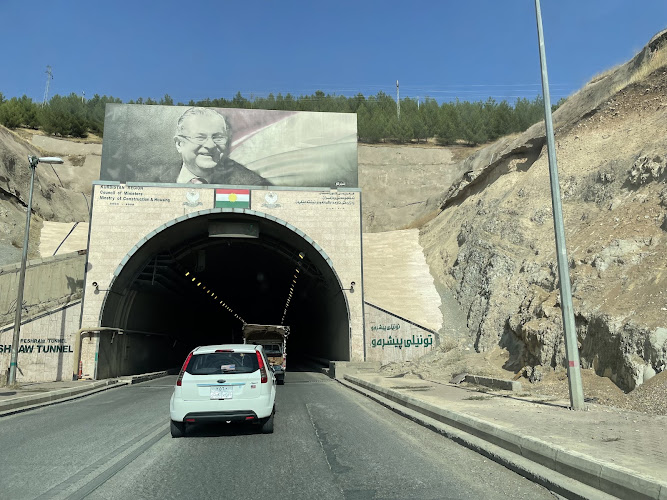
تونێلەكەی سیتەك Sulaymaniyah Tunnel

فولکەی دەستاڕەکە

پەیکەری شەھیدانی کوردانی فەیلی
Find Accommodations Nearby
Recommended Tours & Activities
Visitor Reviews
There are no reviews yet. Be the first one to write one.
Share Your Experience
Have you visited Sulaymaniyah Museum? Help other travelers by leaving a review.