
Stichting Museum Ergens in Nederland 1939-1945
About Stichting Museum Ergens in Nederland 1939-1945
Description
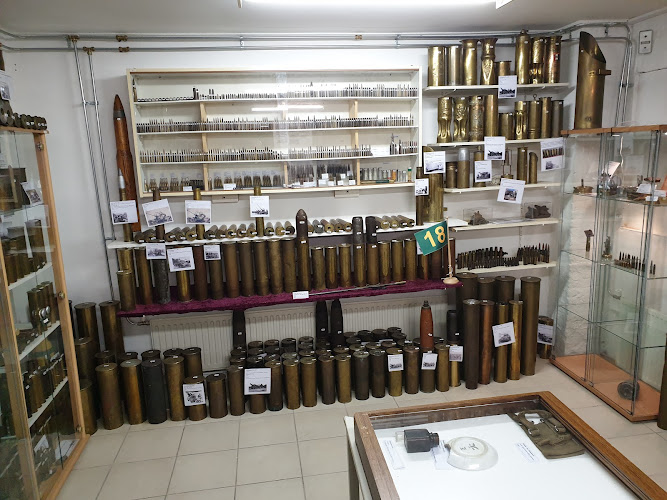
The Stichting Museum Ergens in Nederland 1939-1945 is one of those places that quietly surprises you. Tucked away in Emmen, it’s not a massive national museum with endless wings and overwhelming crowds, but rather an intimate collection that feels deeply personal. The entire museum is built around the lifelong passion of Erik Zwiggelaar, who began collecting World War II artifacts back in the 1980s. His fascination started in a very down-to-earth way—behind his grandparents’ house, where the remains of a bomber once lay scattered. From that spark grew a collection that today numbers in the thousands of objects, each one carrying its own story.
What makes this museum stand out is not just the sheer number of artifacts but the way they’re presented. You don’t just see helmets, uniforms, or ration cards behind glass; you learn the stories behind them. Some are deeply personal accounts from local families, others are broader tales of the war’s impact across the Netherlands, and then there are the quirky anecdotes about how certain items found their way into Erik’s hands. It’s the kind of storytelling that keeps you leaning in, wanting to know just a little bit more.
Visitors often remark on how authentic it feels. There’s no flashy technology or gimmicks trying to distract you. Instead, the focus is on history itself—raw, real, and often emotional. It’s also a place that manages to balance the heavy subject matter with accessibility. Families bring their kids here, and while the subject of war is never light, the museum does a good job of making it approachable and educational without being overwhelming.
Overall, it’s a museum that feels like it was created out of love for history, not for profit or prestige. And honestly, that’s what makes it so memorable.
Key Features
- A unique private collection of thousands of original World War II items
- Personal stories from local families intertwined with larger historical narratives
- Curated by passionate collector Erik Zwiggelaar, who began collecting in the 1980s
- Wheelchair accessible entrance, parking, and seating
- Family-friendly and welcoming environment, including discounts for children
- Gender-neutral restrooms and inclusive spaces, making it LGBTQ+ friendly and safe
- Free on-site parking, which is always a nice bonus for travelers
- Authentic atmosphere without unnecessary distractions—history takes center stage
Best Time to Visit
If you’re planning a trip, timing can make a big difference. The museum is enjoyable year-round because it’s indoors, but I’d say spring and autumn are particularly nice times. In spring, the town of Emmen feels alive with fresh greenery, and you can pair your museum visit with a relaxed walk around the area. Autumn, on the other hand, adds a certain reflective mood that pairs well with the museum’s subject matter.
Summer is perfectly fine too, though it can get a bit busier since many families are on holiday. Personally, I’d avoid the peak of July and August if you’re someone who prefers a quieter, more contemplative experience. Winter visits are also possible, and there’s something quite powerful about stepping into a warm museum filled with stories of resilience while the cold Dutch weather swirls outside.
How to Get There
Reaching the Stichting Museum Ergens in Nederland 1939-1945 is fairly straightforward if you’re already in the Netherlands. Emmen is well connected by train and bus networks, and if you’re driving, you’ll be happy to know there’s free on-site parking. That’s a rare treat in many European towns, where parking can be a headache.
If you’re coming from Amsterdam, expect about a two-and-a-half-hour train ride with a transfer or two. Driving will shave off some time and give you more flexibility, especially if you’re planning to explore other attractions in the Drenthe region. Public transport is reliable, but I’ll admit there’s something nice about having a car when you’re heading out to smaller towns like Emmen.
Once you’re in Emmen, the museum is easy enough to find, and because it’s not in a chaotic city center, you won’t be battling traffic or crowds. Honestly, the journey there is part of the charm—it feels like you’re heading somewhere a little off the beaten path.
Tips for Visiting
Here’s the thing about this museum: it rewards those who take their time. Don’t rush through just to tick it off your itinerary. Give yourself at least two hours to wander, read, and absorb the stories. Some of the objects may look ordinary at first glance, but once you hear the background, they suddenly take on a whole new weight.
If you have kids, prepare them a bit beforehand. The subject matter is serious, but it’s presented in a way that’s accessible. I’ve seen families walk through together, and the kids often come away with thoughtful questions rather than being bored or overwhelmed. It’s a great opportunity for them to learn history in a way that feels tangible.
Another tip: don’t be shy about asking questions. The staff (and sometimes even Erik himself) are approachable and genuinely passionate about the collection. You’ll often get more out of your visit if you engage with them. And if you’re someone like me who loves random details, you might even hear a story about how a certain helmet was dug up in a farmer’s field or how a uniform traveled across continents before landing in Emmen.
Practical stuff—wear comfortable shoes, because while it’s not a huge museum, you’ll still be on your feet for a good while. There’s no restaurant on-site, so plan to eat before or after your visit. Luckily, Emmen has plenty of cozy cafés and restaurants where you can grab a bite and reflect on what you’ve just seen.
Lastly, bring an open mind. Museums like this don’t have the polish of big city institutions, but that’s exactly what makes them special. They’re raw, real, and often more moving because of it. If you’re someone who values authenticity and wants to connect with history in a personal way, this place will stick with you long after you’ve left.
Key Features
- A unique private collection of thousands of original World War II items
- Personal stories from local families intertwined with larger historical narratives
- Curated by passionate collector Erik Zwiggelaar, who began collecting in the 1980s
- Wheelchair accessible entrance, parking, and seating
- Family-friendly and welcoming environment, including discounts for children
- Gender-neutral restrooms and inclusive spaces, making it LGBTQ+ friendly and safe
- Free on-site parking, which is always a nice bonus for travelers
- Authentic atmosphere without unnecessary distractions—history takes center stage
More Details
Updated September 10, 2025
Table of Contents
- Description
- Key Features
- Best Time to Visit
- How to Get There
- Tips for Visiting
- Key Highlights
- Location
- Places to Stay Near Stichting Museum Ergens in Nederland 1939-1945
- Find and Book a Tour
- Explore More Travel Guides
- Nearby Places You Might Like
- Traveler Reviews for Stichting Museum Ergens in Nederland 1939-1945
- Share Your Experience
Description
The Stichting Museum Ergens in Nederland 1939-1945 is one of those places that quietly surprises you. Tucked away in Emmen, it’s not a massive national museum with endless wings and overwhelming crowds, but rather an intimate collection that feels deeply personal. The entire museum is built around the lifelong passion of Erik Zwiggelaar, who began collecting World War II artifacts back in the 1980s. His fascination started in a very down-to-earth way—behind his grandparents’ house, where the remains of a bomber once lay scattered. From that spark grew a collection that today numbers in the thousands of objects, each one carrying its own story.
What makes this museum stand out is not just the sheer number of artifacts but the way they’re presented. You don’t just see helmets, uniforms, or ration cards behind glass; you learn the stories behind them. Some are deeply personal accounts from local families, others are broader tales of the war’s impact across the Netherlands, and then there are the quirky anecdotes about how certain items found their way into Erik’s hands. It’s the kind of storytelling that keeps you leaning in, wanting to know just a little bit more.
Visitors often remark on how authentic it feels. There’s no flashy technology or gimmicks trying to distract you. Instead, the focus is on history itself—raw, real, and often emotional. It’s also a place that manages to balance the heavy subject matter with accessibility. Families bring their kids here, and while the subject of war is never light, the museum does a good job of making it approachable and educational without being overwhelming.
Overall, it’s a museum that feels like it was created out of love for history, not for profit or prestige. And honestly, that’s what makes it so memorable.
Key Features
- A unique private collection of thousands of original World War II items
- Personal stories from local families intertwined with larger historical narratives
- Curated by passionate collector Erik Zwiggelaar, who began collecting in the 1980s
- Wheelchair accessible entrance, parking, and seating
- Family-friendly and welcoming environment, including discounts for children
- Gender-neutral restrooms and inclusive spaces, making it LGBTQ+ friendly and safe
- Free on-site parking, which is always a nice bonus for travelers
- Authentic atmosphere without unnecessary distractions—history takes center stage
Best Time to Visit
If you’re planning a trip, timing can make a big difference. The museum is enjoyable year-round because it’s indoors, but I’d say spring and autumn are particularly nice times. In spring, the town of Emmen feels alive with fresh greenery, and you can pair your museum visit with a relaxed walk around the area. Autumn, on the other hand, adds a certain reflective mood that pairs well with the museum’s subject matter.
Summer is perfectly fine too, though it can get a bit busier since many families are on holiday. Personally, I’d avoid the peak of July and August if you’re someone who prefers a quieter, more contemplative experience. Winter visits are also possible, and there’s something quite powerful about stepping into a warm museum filled with stories of resilience while the cold Dutch weather swirls outside.
How to Get There
Reaching the Stichting Museum Ergens in Nederland 1939-1945 is fairly straightforward if you’re already in the Netherlands. Emmen is well connected by train and bus networks, and if you’re driving, you’ll be happy to know there’s free on-site parking. That’s a rare treat in many European towns, where parking can be a headache.
If you’re coming from Amsterdam, expect about a two-and-a-half-hour train ride with a transfer or two. Driving will shave off some time and give you more flexibility, especially if you’re planning to explore other attractions in the Drenthe region. Public transport is reliable, but I’ll admit there’s something nice about having a car when you’re heading out to smaller towns like Emmen.
Once you’re in Emmen, the museum is easy enough to find, and because it’s not in a chaotic city center, you won’t be battling traffic or crowds. Honestly, the journey there is part of the charm—it feels like you’re heading somewhere a little off the beaten path.
Tips for Visiting
Here’s the thing about this museum: it rewards those who take their time. Don’t rush through just to tick it off your itinerary. Give yourself at least two hours to wander, read, and absorb the stories. Some of the objects may look ordinary at first glance, but once you hear the background, they suddenly take on a whole new weight.
If you have kids, prepare them a bit beforehand. The subject matter is serious, but it’s presented in a way that’s accessible. I’ve seen families walk through together, and the kids often come away with thoughtful questions rather than being bored or overwhelmed. It’s a great opportunity for them to learn history in a way that feels tangible.
Another tip: don’t be shy about asking questions. The staff (and sometimes even Erik himself) are approachable and genuinely passionate about the collection. You’ll often get more out of your visit if you engage with them. And if you’re someone like me who loves random details, you might even hear a story about how a certain helmet was dug up in a farmer’s field or how a uniform traveled across continents before landing in Emmen.
Practical stuff—wear comfortable shoes, because while it’s not a huge museum, you’ll still be on your feet for a good while. There’s no restaurant on-site, so plan to eat before or after your visit. Luckily, Emmen has plenty of cozy cafés and restaurants where you can grab a bite and reflect on what you’ve just seen.
Lastly, bring an open mind. Museums like this don’t have the polish of big city institutions, but that’s exactly what makes them special. They’re raw, real, and often more moving because of it. If you’re someone who values authenticity and wants to connect with history in a personal way, this place will stick with you long after you’ve left.
Key Highlights
- A unique private collection of thousands of original World War II items
- Personal stories from local families intertwined with larger historical narratives
- Curated by passionate collector Erik Zwiggelaar, who began collecting in the 1980s
- Wheelchair accessible entrance, parking, and seating
- Family-friendly and welcoming environment, including discounts for children
- Gender-neutral restrooms and inclusive spaces, making it LGBTQ+ friendly and safe
- Free on-site parking, which is always a nice bonus for travelers
- Authentic atmosphere without unnecessary distractions—history takes center stage
Location
Places to Stay Near Stichting Museum Ergens in Nederland 1939-1945
Find and Book a Tour
Explore More Travel Guides
No reviews found! Be the first to review!
Traveler Reviews for Stichting Museum Ergens in Nederland 1939-1945
There are no reviews yet. Be the first one to write one.
Have you visited Stichting Museum Ergens in Nederland 1939-1945? Help other travelers by sharing your review.
You Might Also Like

Museum of Contemporary Tibetan Art
CBK Emmen
AGA Museum
Find Accommodations Nearby
Recommended Tours & Activities
Visitor Reviews
There are no reviews yet. Be the first one to write one.
Share Your Experience
Have you visited Stichting Museum Ergens in Nederland 1939-1945? Help other travelers by leaving a review.