

Museum of Contemporary Tibetan Art
About Museum of Contemporary Tibetan Art
Description
The Museum of Contemporary Tibetan Art in Emmen, tucked inside the green setting of Rensenpark, is not your average art stop. Opened in 2017, it holds the unique title of being the very first museum in the world dedicated entirely to contemporary Tibetan art. That fact alone makes it worth a detour if you’re anywhere near Drenthe. What sets it apart is how it doesn’t just showcase paintings and sculptures—it’s more like stepping into a dialogue between tradition and modern expression. You’ll find works that echo centuries-old Tibetan symbolism right alongside bold, experimental pieces that feel surprisingly current.
Walking through the museum, you can sense how much heart has gone into it. It’s run as a nonprofit under Tibet House Holland, and you feel that mission-driven energy in every corner. The goal isn’t just to display art—it’s to preserve and share the cultural heartbeat of Tibet with everyone, whether you’re a curious local or an international traveler passing through. And honestly, it works. The atmosphere is warm and welcoming, with an almost meditative calm that makes you slow down and really look. Sure, not every piece will resonate with every visitor, but that’s the beauty of contemporary art—it’s meant to challenge as much as it inspires.
What struck me personally was how the museum manages to balance reverence for Tibetan culture with openness to global influences. I once spent an hour just sitting in front of a single painting, letting the colors and shapes sink in, while around me other visitors were chatting softly, clearly moved in their own way. It’s that kind of place—you don’t rush through it, you let it unfold.
Key Features
- First museum worldwide dedicated to contemporary Tibetan art
- Located in the peaceful Rensenpark, a former zoo turned cultural hub
- Permanent and temporary exhibitions blending traditional Tibetan motifs with modern artistic styles
- Workshops, live painting sessions, and occasional performances with mantras and music
- Wheelchair accessible facilities, including entrance, parking, and restrooms
- Nonprofit organization run under Tibet House Holland
- Public programs designed to engage both locals and international visitors
One of the things I love is how interactive the space sometimes feels. It’s not just “look but don’t touch”—there are workshops where you can try your hand at Tibetan-inspired art, and you might even stumble upon a live demonstration. And while there’s no restaurant on-site, the surrounding park has plenty of spots to grab a bite or simply enjoy a picnic between exhibits.
Best Time to Visit
If you ask me, the best time to visit is during the spring or early autumn. The Rensenpark itself is leafy and inviting, and pairing a walk in the park with a museum visit makes for a perfect day. Summer can be nice too, though it tends to be busier with families and tourists. Winter has its charm—there’s something about stepping into the warm, colorful galleries while the air outside is crisp and cold—but you’ll want to check opening hours carefully as they can shift around holidays.
Also, keep an eye out for special events. The museum occasionally hosts temporary exhibitions or cultural performances that add an extra layer to the experience. I once timed a visit with a live mantra performance, and it completely changed how I connected with the art on display.
How to Get There
Reaching the museum is pretty straightforward. Emmen is well connected by train and bus, and from the station it’s just a short walk or quick bike ride to Rensenpark. If you’re driving, there’s accessible parking nearby, which makes it convenient if you’re traveling with family or anyone who needs a bit more mobility support. Personally, I recommend arriving by bike if you’re already in the Netherlands—it’s such a pleasant way to see the countryside, and rolling into Emmen this way feels like part of the adventure.
The park itself is easy to find once you’re in town. It’s a cultural hotspot with other creative spaces around, so you could easily make a day of it by exploring more than just the museum.
Tips for Visiting
Here are a few things I’ve learned from my own visits that might help you make the most of your time:
- Take your time: Don’t rush through the galleries. Even if the museum isn’t huge, the art has layers that reward slow looking.
- Combine with the park: Plan a stroll or picnic in Rensenpark before or after. It adds to the whole experience.
- Check for events: Look ahead to see if workshops or performances are scheduled during your visit.
- Accessibility is solid: If you or someone in your group needs wheelchair access, the museum is well prepared.
- Bring curiosity: Some works may feel abstract or unfamiliar—lean into that. Ask questions, let your mind wander.
- No café inside: Since there isn’t a restaurant on-site, grab a snack in town or bring something along for a break.
And one last thing—don’t be surprised if you leave feeling a little different than when you walked in. Tibetan art has a way of sneaking into your thoughts, even days later. I still find myself recalling certain colors and shapes when I least expect it. That’s the kind of travel memory that sticks, and it’s why I always recommend this museum to anyone heading through Drenthe.
Key Features
- First museum worldwide dedicated to contemporary Tibetan art
- Located in the peaceful Rensenpark, a former zoo turned cultural hub
- Permanent and temporary exhibitions blending traditional Tibetan motifs with modern artistic styles
- Workshops, live painting sessions, and occasional performances with mantras and music
- Wheelchair accessible facilities, including entrance, parking, and restrooms
- Nonprofit organization run under Tibet House Holland
- Public programs designed to engage both locals and international visitors
More Details
Updated September 10, 2025
Table of Contents
- Description
- Key Features
- Best Time to Visit
- How to Get There
- Tips for Visiting
- Key Highlights
- Location
- Places to Stay Near Museum of Contemporary Tibetan Art
- Find and Book a Tour
- Explore More Travel Guides
- Nearby Places You Might Like
- Traveler Reviews for Museum of Contemporary Tibetan Art
- Share Your Experience
Description
The Museum of Contemporary Tibetan Art in Emmen, tucked inside the green setting of Rensenpark, is not your average art stop. Opened in 2017, it holds the unique title of being the very first museum in the world dedicated entirely to contemporary Tibetan art. That fact alone makes it worth a detour if you’re anywhere near Drenthe. What sets it apart is how it doesn’t just showcase paintings and sculptures—it’s more like stepping into a dialogue between tradition and modern expression. You’ll find works that echo centuries-old Tibetan symbolism right alongside bold, experimental pieces that feel surprisingly current.
Walking through the museum, you can sense how much heart has gone into it. It’s run as a nonprofit under Tibet House Holland, and you feel that mission-driven energy in every corner. The goal isn’t just to display art—it’s to preserve and share the cultural heartbeat of Tibet with everyone, whether you’re a curious local or an international traveler passing through. And honestly, it works. The atmosphere is warm and welcoming, with an almost meditative calm that makes you slow down and really look. Sure, not every piece will resonate with every visitor, but that’s the beauty of contemporary art—it’s meant to challenge as much as it inspires.
What struck me personally was how the museum manages to balance reverence for Tibetan culture with openness to global influences. I once spent an hour just sitting in front of a single painting, letting the colors and shapes sink in, while around me other visitors were chatting softly, clearly moved in their own way. It’s that kind of place—you don’t rush through it, you let it unfold.
Key Features
- First museum worldwide dedicated to contemporary Tibetan art
- Located in the peaceful Rensenpark, a former zoo turned cultural hub
- Permanent and temporary exhibitions blending traditional Tibetan motifs with modern artistic styles
- Workshops, live painting sessions, and occasional performances with mantras and music
- Wheelchair accessible facilities, including entrance, parking, and restrooms
- Nonprofit organization run under Tibet House Holland
- Public programs designed to engage both locals and international visitors
One of the things I love is how interactive the space sometimes feels. It’s not just “look but don’t touch”—there are workshops where you can try your hand at Tibetan-inspired art, and you might even stumble upon a live demonstration. And while there’s no restaurant on-site, the surrounding park has plenty of spots to grab a bite or simply enjoy a picnic between exhibits.
Best Time to Visit
If you ask me, the best time to visit is during the spring or early autumn. The Rensenpark itself is leafy and inviting, and pairing a walk in the park with a museum visit makes for a perfect day. Summer can be nice too, though it tends to be busier with families and tourists. Winter has its charm—there’s something about stepping into the warm, colorful galleries while the air outside is crisp and cold—but you’ll want to check opening hours carefully as they can shift around holidays.
Also, keep an eye out for special events. The museum occasionally hosts temporary exhibitions or cultural performances that add an extra layer to the experience. I once timed a visit with a live mantra performance, and it completely changed how I connected with the art on display.
How to Get There
Reaching the museum is pretty straightforward. Emmen is well connected by train and bus, and from the station it’s just a short walk or quick bike ride to Rensenpark. If you’re driving, there’s accessible parking nearby, which makes it convenient if you’re traveling with family or anyone who needs a bit more mobility support. Personally, I recommend arriving by bike if you’re already in the Netherlands—it’s such a pleasant way to see the countryside, and rolling into Emmen this way feels like part of the adventure.
The park itself is easy to find once you’re in town. It’s a cultural hotspot with other creative spaces around, so you could easily make a day of it by exploring more than just the museum.
Tips for Visiting
Here are a few things I’ve learned from my own visits that might help you make the most of your time:
- Take your time: Don’t rush through the galleries. Even if the museum isn’t huge, the art has layers that reward slow looking.
- Combine with the park: Plan a stroll or picnic in Rensenpark before or after. It adds to the whole experience.
- Check for events: Look ahead to see if workshops or performances are scheduled during your visit.
- Accessibility is solid: If you or someone in your group needs wheelchair access, the museum is well prepared.
- Bring curiosity: Some works may feel abstract or unfamiliar—lean into that. Ask questions, let your mind wander.
- No café inside: Since there isn’t a restaurant on-site, grab a snack in town or bring something along for a break.
And one last thing—don’t be surprised if you leave feeling a little different than when you walked in. Tibetan art has a way of sneaking into your thoughts, even days later. I still find myself recalling certain colors and shapes when I least expect it. That’s the kind of travel memory that sticks, and it’s why I always recommend this museum to anyone heading through Drenthe.
Key Highlights
- First museum worldwide dedicated to contemporary Tibetan art
- Located in the peaceful Rensenpark, a former zoo turned cultural hub
- Permanent and temporary exhibitions blending traditional Tibetan motifs with modern artistic styles
- Workshops, live painting sessions, and occasional performances with mantras and music
- Wheelchair accessible facilities, including entrance, parking, and restrooms
- Nonprofit organization run under Tibet House Holland
- Public programs designed to engage both locals and international visitors
Location
Places to Stay Near Museum of Contemporary Tibetan Art
Find and Book a Tour
Explore More Travel Guides
No reviews found! Be the first to review!
Traveler Reviews for Museum of Contemporary Tibetan Art
There are no reviews yet. Be the first one to write one.
Have you visited Museum of Contemporary Tibetan Art? Help other travelers by sharing your review.
You Might Also Like
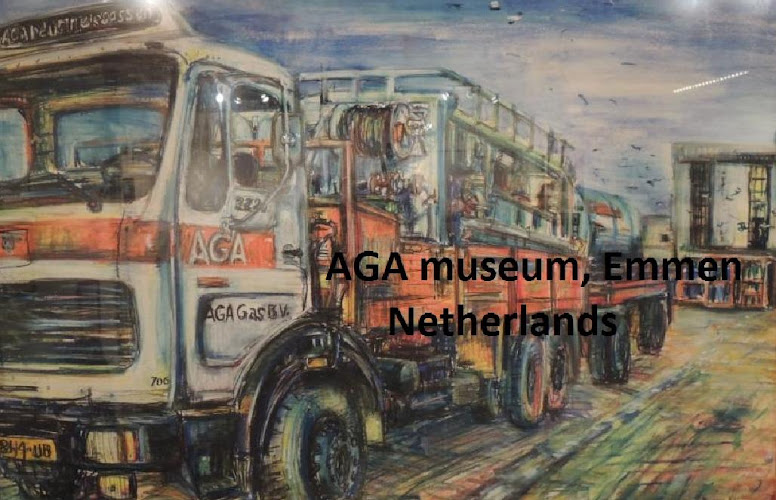
AGA Museum
Dolmen D45
D41
Find Accommodations Nearby
Recommended Tours & Activities
Visitor Reviews
There are no reviews yet. Be the first one to write one.
Share Your Experience
Have you visited Museum of Contemporary Tibetan Art? Help other travelers by leaving a review.