
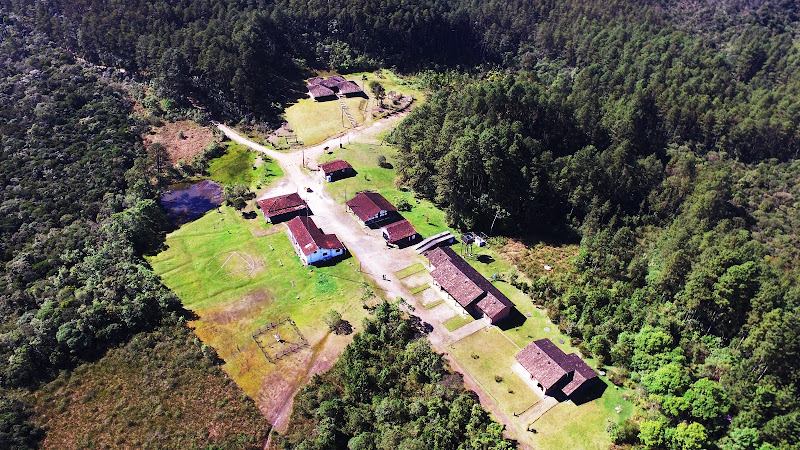
State Park Serra do Mar Nucleo Curucutu
About State Park Serra do Mar Nucleo Curucutu
Description
State Park Serra do Mar Núcleo Curucutu is one of those rare gems that often flies under the radar, especially if you’re used to the usual tourist traps. Created back in 1977, this park is part of the larger Serra do Mar State Park, which itself is a massive protected area along Brazil’s Atlantic Forest. What’s fascinating about Núcleo Curucutu is its layered history — it started as Fazenda Curucutu, a charcoal-producing farm before the state stepped in during the late 1950s and transformed it into a forest reserve. The park sprawls across several municipalities including São Paulo, Itanhaém, Mongaguá, and Juquitiba, serving as a vital green lung for the São Paulo metropolitan area.
One of the main reasons this place matters so much is its role in preserving the headwaters of several rivers — Capivari, Monos, and Embu Guaçu — which feed crucial water systems like the Guarapiranga reservoir and the Mambu/Rio Branco system. So, it’s not just a pretty forest; it’s a lifeline for millions of people relying on clean water daily. The park’s ecosystem is dominated by the Atlantic Forest biome, but what really sets it apart are the “campos nebulares” or cloud fields — these misty, high-altitude grasslands that feel like stepping into another world.
Visitors will find that Núcleo Curucutu offers a mix of tranquility and adventure. The hiking trails wind through dense forest and open fields, revealing waterfalls and panoramic views that make the effort totally worth it. It’s also surprisingly family-friendly, with kid-friendly trails and picnic spots that invite you to linger longer and soak in the fresh air. Accessibility is thoughtfully considered here too, with wheelchair-accessible parking and public restrooms, which is a big plus when you’re planning a day out with a diverse group.
Key Features
- Extensive hiking trails through Atlantic Forest and cloud fields
- Preservation of vital river headwaters feeding São Paulo’s water supply
- Picnic areas with tables ideal for family outings or a quiet lunch break
- Wheelchair accessible parking lot and public restrooms
- Kid-friendly hikes and safe spaces for children to explore nature
- Home to diverse flora and fauna, including rare and endangered species
- Part of the largest Atlantic Forest protected area in Brazil
- Historical background as a former charcoal farm turned conservation area
Best Time to Visit
Planning your visit here is a bit like playing the weather lottery, but if you want to catch Núcleo Curucutu at its best, aim for the cooler, drier months between April and September. The trails are less muddy, the air feels crisper, and the cloud fields show off their mystical mist without the heavy rains washing everything out. Summers can be hot and sticky, with sudden downpours that might turn your hike into a slip-and-slide adventure — fun for some, annoying for others.
Early mornings are magical here. If you’re an early riser like me, you’ll love the quiet hush of the forest waking up, the birds starting their chorus, and the soft light filtering through the trees. Plus, fewer people tend to show up at dawn, so you get a slice of solitude that’s hard to find elsewhere close to a big city like São Paulo.
How to Get There
Getting to Núcleo Curucutu is pretty straightforward but depends on where you’re coming from. If you’re in São Paulo city, the park lies toward the southern edge, and the best way is usually by car or organized tour. Public transportation can get you close, but you’ll likely need a taxi or rideshare for the final stretch. The park’s entrance is accessible from São Paulo itself, which is convenient if you want to escape the city for a day without traveling too far.
For those coming from the coast, towns like Itanhaém offer access points too, but the São Paulo side tends to have better infrastructure and more developed trails. The roads leading into the park wind through some lovely countryside, so even the drive can be part of the adventure. Just be prepared for some narrow, winding roads if you’re not used to driving in forested, mountainous areas.
Tips for Visiting
Here’s where I get a little personal because I’ve been there a couple of times and learned a few things the hard way. First off, wear good hiking shoes. The trails can be slippery, especially after rain, and you don’t want to be that person slipping and sliding down a muddy slope.
Bring plenty of water and snacks. While there are picnic tables, don’t count on food vendors inside the park — it’s pretty much a nature preserve, not a theme park. And speaking of picnics, those tables are a fantastic spot to unwind, but they fill up fast on weekends, so if you want your own little patch of peace, try to get there early.
Don’t underestimate the power of bug spray. The Atlantic Forest is lush and humid, which means mosquitoes and other critters love it too. I once got so distracted by the views that I forgot to reapply, and well, let’s just say I learned my lesson the hard way.
Another thing — respect the local communities. The park is home to traditional groups like quilombolas, Amerindians, caipiras, and caiçaras. Their presence adds a rich cultural layer to the natural beauty, and it’s important to honor their connection to the land. If you get a chance to learn about their traditions or buy local crafts, do it. It’s a way to support them and enrich your visit beyond just hiking.
Lastly, take your time. Núcleo Curucutu isn’t about rushing through to tick a box. It’s about soaking in the quiet, the fresh air, and the feeling that you’re standing in one of the largest Atlantic Forest reserves in Brazil. So slow down, breathe deep, and maybe even take a moment to just listen to the forest whispering its stories.
Key Features
- Extensive hiking trails through Atlantic Forest and cloud fields
- Preservation of vital river headwaters feeding São Paulo’s water supply
- Picnic areas with tables ideal for family outings or a quiet lunch break
- Wheelchair accessible parking lot and public restrooms
- Kid-friendly hikes and safe spaces for children to explore nature
- Home to diverse flora and fauna, including rare and endangered species
- Part of the largest Atlantic Forest protected area in Brazil
- Historical background as a former charcoal farm turned conservation area
You Might Also Like

Aerobunda

Aeródromo Campo Formoso - BA (SD27)

Aeroporto Municipal Orlando de Carvalho
Tours & Activities
GetYourGuide provides this tour inventory. We may earn a commission if you book through it; verify current availability, prices, and terms with the provider.
Visitor Reviews
There are no reviews yet. Be the first one to write one.
Share Your Experience
Have you visited State Park Serra do Mar Nucleo Curucutu? Help other travelers by leaving a review.