
Stadtmuseum Paderborn
About Stadtmuseum Paderborn
Description
The Stadtmuseum Paderborn is one of those places that manages to feel both deeply rooted in history and surprisingly modern at the same time. Sitting right in the heart of Paderborn, it offers a window into the city’s long story—from medieval beginnings to the challenges of the 20th century and the energy of the present day. What makes it stand out compared to many other city museums is the way it mixes traditional artifacts with interactive exhibits, short films, and even contemporary art elements. You don’t just walk past dusty display cases here—you’re invited to pause, reflect, and even play a bit.
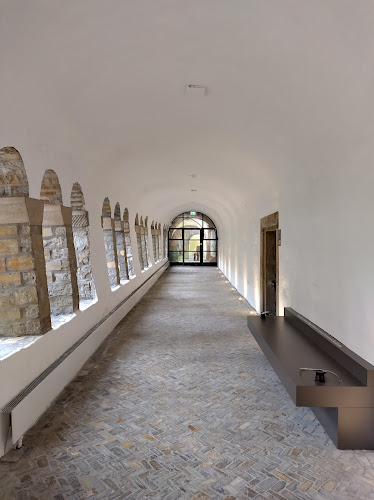
Most visitors walk away impressed by the variety and depth of what’s on show. Sure, not every corner is perfect—some sections feel a little more academic than engaging—but overall the museum strikes a nice balance. Families, history buffs, and casual wanderers all seem to find something that speaks to them. Personally, I think the medieval cloister attached to the museum is worth the visit alone. There’s a kind of hush in that space that feels rare in a busy city center, and it gives you a moment to breathe before diving back into the exhibits.
Accessibility is also thoughtfully handled. With wheelchair-friendly entrances, restrooms, and parking, it’s clear the museum has worked to make itself welcoming to all. It’s also kid-friendly, which is a relief if you’re traveling with young ones who might not have the patience for long text-heavy panels. No on-site restaurant, but honestly, in a city like Paderborn, you’re never far from a bakery or café anyway.
Key Features
- Permanent and temporary exhibitions covering Paderborn’s history from the Middle Ages to modern times
- Interactive media stations and short films in the “Memory Store” for a more hands-on experience
- A medieval cloister dating back to 1015/16, offering a peaceful retreat within the museum
- Unique city map and large mural by Cologne artist Lars Breuer, adding a contemporary twist
- “Collection Store” showcasing the diversity of cultural-historical collections
- Wheelchair accessible entrance, parking, and restrooms
- Good for children, with engaging displays that don’t overwhelm
- Central location near the cathedral and Paderquell area, perfect for combining with a walking tour
Best Time to Visit
If you’re asking me, the best time to visit the Stadtmuseum Paderborn is during the shoulder seasons—spring and early autumn. The weather in Paderborn is pleasant enough to enjoy wandering the old town before or after your museum visit, and the museum itself tends to be less crowded. Summer is also fine, but you’ll probably be sharing the galleries with more tourists and school groups. Winter has its own charm, especially around the Christmas markets, though you’ll want to bundle up for the walk there.
One tip: check the museum’s calendar for temporary exhibitions. They often host special displays tied to anniversaries or local themes—like the end of World War II in Paderborn—that add another layer of depth. If you can time your visit with one of those, you’ll get a richer experience.
How to Get There
Reaching the Stadtmuseum Paderborn is straightforward because of its central location. If you’re already in the old town, it’s just a short stroll from the cathedral and the Paderquell area. Coming by train? The walk from Paderborn’s main station is manageable, about 15 minutes through the city center. If walking isn’t your thing, local buses stop nearby and taxis are easy to find. Driving is possible too, and the museum has wheelchair-accessible parking, though like any city center, parking can be tight during peak hours.
Personally, I’d recommend walking if you can. Paderborn’s old town is compact and full of little details—half-timbered houses, fountains, and quiet corners—that you’d miss if you just hopped in a car. Plus, it’s nice to arrive at a museum already in the rhythm of the city.
Tips for Visiting
Here are a few things I’ve learned from my own visits and from chatting with other travelers:
- Allow at least 1–2 hours. The museum isn’t massive, but if you want to really take in the exhibits and spend some time in the cloister, don’t rush it.
- Bring kids along. The museum is surprisingly good for children, with interactive elements that keep them engaged. It’s not one of those places where you’re constantly shushing them.
- Take a break in the cloister. Even if you’re not a history buff, that quiet medieval courtyard is worth lingering in. I once sat there for 20 minutes just listening to the echo of footsteps and it felt oddly grounding.
- Don’t expect food inside. There’s no café or restaurant on-site, so plan to grab a meal before or after. Luckily, the city center is packed with options, from casual bakeries to more formal German restaurants.
- Check for special exhibitions. They often rotate, and some are genuinely impressive. It’s a good way to see the museum in a new light if you’ve already visited before.
- Combine with nearby sights. The cathedral, the Pader springs, and several other attractions are just a short walk away, so you can easily make a half-day itinerary without rushing.
And maybe the most important tip: don’t go in expecting a blockbuster museum like you’d find in Berlin or Munich. This is a city museum, so it’s more intimate, more personal. That’s actually its strength. You come away not just with dates and facts, but with a sense of how Paderborn sees itself and its past. And honestly, that’s the kind of travel memory that sticks.
Key Features
- Permanent and temporary exhibitions covering Paderborn’s history from the Middle Ages to modern times
- Interactive media stations and short films in the “Memory Store” for a more hands-on experience
- A medieval cloister dating back to 1015/16, offering a peaceful retreat within the museum
- Unique city map and large mural by Cologne artist Lars Breuer, adding a contemporary twist
- “Collection Store” showcasing the diversity of cultural-historical collections
- Wheelchair accessible entrance, parking, and restrooms
- Good for children, with engaging displays that don’t overwhelm
- Central location near the cathedral and Paderquell area, perfect for combining with a walking tour
More Details
Updated September 9, 2025
Table of Contents
Description
The Stadtmuseum Paderborn is one of those places that manages to feel both deeply rooted in history and surprisingly modern at the same time. Sitting right in the heart of Paderborn, it offers a window into the city’s long story—from medieval beginnings to the challenges of the 20th century and the energy of the present day. What makes it stand out compared to many other city museums is the way it mixes traditional artifacts with interactive exhibits, short films, and even contemporary art elements. You don’t just walk past dusty display cases here—you’re invited to pause, reflect, and even play a bit.
Most visitors walk away impressed by the variety and depth of what’s on show. Sure, not every corner is perfect—some sections feel a little more academic than engaging—but overall the museum strikes a nice balance. Families, history buffs, and casual wanderers all seem to find something that speaks to them. Personally, I think the medieval cloister attached to the museum is worth the visit alone. There’s a kind of hush in that space that feels rare in a busy city center, and it gives you a moment to breathe before diving back into the exhibits.
Accessibility is also thoughtfully handled. With wheelchair-friendly entrances, restrooms, and parking, it’s clear the museum has worked to make itself welcoming to all. It’s also kid-friendly, which is a relief if you’re traveling with young ones who might not have the patience for long text-heavy panels. No on-site restaurant, but honestly, in a city like Paderborn, you’re never far from a bakery or café anyway.
Key Features
- Permanent and temporary exhibitions covering Paderborn’s history from the Middle Ages to modern times
- Interactive media stations and short films in the “Memory Store” for a more hands-on experience
- A medieval cloister dating back to 1015/16, offering a peaceful retreat within the museum
- Unique city map and large mural by Cologne artist Lars Breuer, adding a contemporary twist
- “Collection Store” showcasing the diversity of cultural-historical collections
- Wheelchair accessible entrance, parking, and restrooms
- Good for children, with engaging displays that don’t overwhelm
- Central location near the cathedral and Paderquell area, perfect for combining with a walking tour
Best Time to Visit
If you’re asking me, the best time to visit the Stadtmuseum Paderborn is during the shoulder seasons—spring and early autumn. The weather in Paderborn is pleasant enough to enjoy wandering the old town before or after your museum visit, and the museum itself tends to be less crowded. Summer is also fine, but you’ll probably be sharing the galleries with more tourists and school groups. Winter has its own charm, especially around the Christmas markets, though you’ll want to bundle up for the walk there.
One tip: check the museum’s calendar for temporary exhibitions. They often host special displays tied to anniversaries or local themes—like the end of World War II in Paderborn—that add another layer of depth. If you can time your visit with one of those, you’ll get a richer experience.
How to Get There
Reaching the Stadtmuseum Paderborn is straightforward because of its central location. If you’re already in the old town, it’s just a short stroll from the cathedral and the Paderquell area. Coming by train? The walk from Paderborn’s main station is manageable, about 15 minutes through the city center. If walking isn’t your thing, local buses stop nearby and taxis are easy to find. Driving is possible too, and the museum has wheelchair-accessible parking, though like any city center, parking can be tight during peak hours.
Personally, I’d recommend walking if you can. Paderborn’s old town is compact and full of little details—half-timbered houses, fountains, and quiet corners—that you’d miss if you just hopped in a car. Plus, it’s nice to arrive at a museum already in the rhythm of the city.
Tips for Visiting
Here are a few things I’ve learned from my own visits and from chatting with other travelers:
- Allow at least 1–2 hours. The museum isn’t massive, but if you want to really take in the exhibits and spend some time in the cloister, don’t rush it.
- Bring kids along. The museum is surprisingly good for children, with interactive elements that keep them engaged. It’s not one of those places where you’re constantly shushing them.
- Take a break in the cloister. Even if you’re not a history buff, that quiet medieval courtyard is worth lingering in. I once sat there for 20 minutes just listening to the echo of footsteps and it felt oddly grounding.
- Don’t expect food inside. There’s no café or restaurant on-site, so plan to grab a meal before or after. Luckily, the city center is packed with options, from casual bakeries to more formal German restaurants.
- Check for special exhibitions. They often rotate, and some are genuinely impressive. It’s a good way to see the museum in a new light if you’ve already visited before.
- Combine with nearby sights. The cathedral, the Pader springs, and several other attractions are just a short walk away, so you can easily make a half-day itinerary without rushing.
And maybe the most important tip: don’t go in expecting a blockbuster museum like you’d find in Berlin or Munich. This is a city museum, so it’s more intimate, more personal. That’s actually its strength. You come away not just with dates and facts, but with a sense of how Paderborn sees itself and its past. And honestly, that’s the kind of travel memory that sticks.
Key Highlights
- Permanent and temporary exhibitions covering Paderborn’s history from the Middle Ages to modern times
- Interactive media stations and short films in the “Memory Store” for a more hands-on experience
- A medieval cloister dating back to 1015/16, offering a peaceful retreat within the museum
- Unique city map and large mural by Cologne artist Lars Breuer, adding a contemporary twist
- “Collection Store” showcasing the diversity of cultural-historical collections
- Wheelchair accessible entrance, parking, and restrooms
- Good for children, with engaging displays that don’t overwhelm
- Central location near the cathedral and Paderquell area, perfect for combining with a walking tour
Location
Places to Stay Near Stadtmuseum Paderborn
Find and Book a Tour
Explore More Travel Guides
No reviews found! Be the first to review!
Traveler Reviews for Stadtmuseum Paderborn
There are no reviews yet. Be the first one to write one.
Have you visited Stadtmuseum Paderborn? Help other travelers by sharing your review.
You Might Also Like
Bartholomäuskapelle
City Council Paderborn

Diözesanmuseum Paderborn
Find Accommodations Nearby
Recommended Tours & Activities
Visitor Reviews
There are no reviews yet. Be the first one to write one.
Share Your Experience
Have you visited Stadtmuseum Paderborn? Help other travelers by leaving a review.