
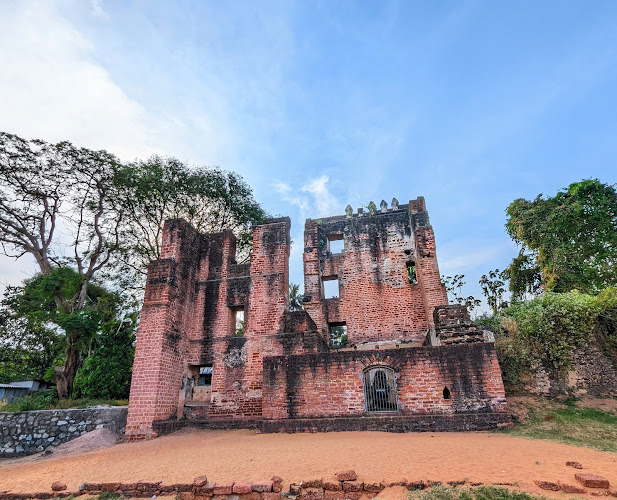
St Thomas Fort
About St Thomas Fort
Description
St Thomas Fort is one of those places that quietly grows on you. At first glance, it doesn’t scream for attention the way some big-ticket attractions do. And honestly, that’s part of its charm. This old fortress carries itself with a kind of weathered confidence, the sort that comes from centuries of standing still while the world rushed on around it. Travelers who enjoy history without the crowds tend to appreciate it more than those hunting for flashy photo ops.
The fort reflects layers of colonial influence, with thick stone walls, uneven pathways, and corners that make you slow down and look twice. When the writer first walked through, there was this odd feeling of time bending a little. One moment you’re checking your phone for the time, the next you’re imagining soldiers standing guard, scanning the horizon. That kind of mental jump doesn’t happen everywhere.
It’s also a place that feels surprisingly approachable. Families wander in without stress, kids run ahead pretending the walls are part of a giant maze, and nobody’s rushing you along. Some parts are worn, yes, and a few sections could use better maintenance. But in a strange way, that imperfection makes the fort feel honest. Like it’s not pretending to be a polished museum. It’s just… there, doing its thing.
Travelers often describe St Thomas Fort as calm rather than exciting. And that’s fair. You won’t find interactive displays or dramatic reenactments. What you get instead is space to think, to wander, and to soak in the atmosphere. If you’re the type who likes places with stories embedded in the stones, you’ll probably linger longer than planned.
Key Features
- Massive stone walls that showcase early European military design and local adaptations
- Old watch points offering wide views of the surrounding landscape
- Interior pathways that are easy to explore, even with children tagging along
- Quiet corners ideal for photography without constant interruptions
- Historical remnants that hint at multiple phases of occupation and use
One feature that doesn’t get talked about enough is how the fort plays with sound. Stand near the thicker walls and even a small noise echoes oddly. The writer remembers tapping a stone lightly and being surprised at how deep the sound felt. It’s a small thing, but moments like that stick.
Best Time to Visit
The best time to visit St Thomas Fort is during the cooler parts of the day, ideally early morning or late afternoon. Midday sun can be unforgiving, especially since much of the fort is open and exposed. And let’s be real, exploring history while sweating buckets is nobody’s idea of fun.
Season-wise, dry months are the safest bet. Rain doesn’t completely ruin the experience, but wet stone paths can get slippery and limit where you can comfortably walk. During school holidays, you’ll notice more families, which adds a lively feel but also means less quiet time for reflection.
The writer once visited just before sunset, almost by accident. And it turned out to be perfect. The light softened the harsh edges of the stone, shadows stretched across the courtyard, and there was this gentle hush in the air. If you can time your visit like that, do it. It changes the mood entirely.
How to Get There
Reaching St Thomas Fort is fairly straightforward, though it may require a bit of patience depending on where you’re coming from. Most travelers arrive by local transport or private vehicle, and the roads leading close to the fort are generally manageable. Don’t expect fancy signboards guiding you every step of the way. Asking locals is often faster, and they’re usually happy to point you in the right direction.
If you’re using public transport, be prepared for a short walk at the end. That final stretch actually adds to the experience. The fort slowly reveals itself, rather than appearing all at once. And honestly, those few minutes of walking help you mentally switch gears from travel mode to exploration mode.
The writer remembers overshooting the turn once and having to backtrack. Mildly annoying, yes. But it led to a small roadside conversation with a shop owner who shared a bit of local history. Sometimes getting a little lost pays off.
Tips for Visiting
First tip, and this comes from experience: wear good shoes. The ground is uneven in places, and flip-flops won’t cut it. You don’t need hiking boots, but something with grip will make your visit way more comfortable.
Bring water. This sounds obvious, but it’s easy to forget when you’re hopping between attractions. There aren’t always vendors nearby, and exploring the fort can take longer than expected if you’re the curious type.
If you’re visiting with kids, let them roam a bit (safely, of course). The fort is considered good for children, and they tend to enjoy the sense of adventure. The writer once watched a group of kids turn a quiet corner into an imaginary battlefield, complete with sound effects. It was loud, chaotic, and kind of wonderful.
Photography lovers should plan for natural light. There’s no artificial lighting inside, so cloudy days can dull the details. On the flip side, harsh sun creates strong contrasts, which can be great if you like dramatic shots.
Don’t rush. This isn’t a tick-the-box attraction. Sit on a low wall, run your hand along the stone, read the small signs if they’re there. And if you’re someone who enjoys journaling or sketching, this place practically invites it.
Lastly, manage expectations. St Thomas Fort isn’t perfectly restored, and that’s okay. Think of it as a conversation with the past rather than a lecture. Some travelers walk away mildly underwhelmed, others unexpectedly moved. The difference usually comes down to how open you are to subtle experiences.
In the end, visiting St Thomas Fort feels less like sightseeing and more like spending time somewhere that has seen a lot and doesn’t feel the need to explain itself. And if you ask this writer, those are often the places worth remembering.
Key Features
- Massive stone walls that showcase early European military design and local adaptations
- Old watch points offering wide views of the surrounding landscape
- Interior pathways that are easy to explore, even with children tagging along
- Quiet corners ideal for photography without constant interruptions
- Historical remnants that hint at multiple phases of occupation and use
More Details
Updated December 31, 2025
Table of Contents
Description
St Thomas Fort is one of those places that quietly grows on you. At first glance, it doesn’t scream for attention the way some big-ticket attractions do. And honestly, that’s part of its charm. This old fortress carries itself with a kind of weathered confidence, the sort that comes from centuries of standing still while the world rushed on around it. Travelers who enjoy history without the crowds tend to appreciate it more than those hunting for flashy photo ops.
The fort reflects layers of colonial influence, with thick stone walls, uneven pathways, and corners that make you slow down and look twice. When the writer first walked through, there was this odd feeling of time bending a little. One moment you’re checking your phone for the time, the next you’re imagining soldiers standing guard, scanning the horizon. That kind of mental jump doesn’t happen everywhere.
It’s also a place that feels surprisingly approachable. Families wander in without stress, kids run ahead pretending the walls are part of a giant maze, and nobody’s rushing you along. Some parts are worn, yes, and a few sections could use better maintenance. But in a strange way, that imperfection makes the fort feel honest. Like it’s not pretending to be a polished museum. It’s just… there, doing its thing.
Travelers often describe St Thomas Fort as calm rather than exciting. And that’s fair. You won’t find interactive displays or dramatic reenactments. What you get instead is space to think, to wander, and to soak in the atmosphere. If you’re the type who likes places with stories embedded in the stones, you’ll probably linger longer than planned.
Key Features
- Massive stone walls that showcase early European military design and local adaptations
- Old watch points offering wide views of the surrounding landscape
- Interior pathways that are easy to explore, even with children tagging along
- Quiet corners ideal for photography without constant interruptions
- Historical remnants that hint at multiple phases of occupation and use
One feature that doesn’t get talked about enough is how the fort plays with sound. Stand near the thicker walls and even a small noise echoes oddly. The writer remembers tapping a stone lightly and being surprised at how deep the sound felt. It’s a small thing, but moments like that stick.
Best Time to Visit
The best time to visit St Thomas Fort is during the cooler parts of the day, ideally early morning or late afternoon. Midday sun can be unforgiving, especially since much of the fort is open and exposed. And let’s be real, exploring history while sweating buckets is nobody’s idea of fun.
Season-wise, dry months are the safest bet. Rain doesn’t completely ruin the experience, but wet stone paths can get slippery and limit where you can comfortably walk. During school holidays, you’ll notice more families, which adds a lively feel but also means less quiet time for reflection.
The writer once visited just before sunset, almost by accident. And it turned out to be perfect. The light softened the harsh edges of the stone, shadows stretched across the courtyard, and there was this gentle hush in the air. If you can time your visit like that, do it. It changes the mood entirely.
How to Get There
Reaching St Thomas Fort is fairly straightforward, though it may require a bit of patience depending on where you’re coming from. Most travelers arrive by local transport or private vehicle, and the roads leading close to the fort are generally manageable. Don’t expect fancy signboards guiding you every step of the way. Asking locals is often faster, and they’re usually happy to point you in the right direction.
If you’re using public transport, be prepared for a short walk at the end. That final stretch actually adds to the experience. The fort slowly reveals itself, rather than appearing all at once. And honestly, those few minutes of walking help you mentally switch gears from travel mode to exploration mode.
The writer remembers overshooting the turn once and having to backtrack. Mildly annoying, yes. But it led to a small roadside conversation with a shop owner who shared a bit of local history. Sometimes getting a little lost pays off.
Tips for Visiting
First tip, and this comes from experience: wear good shoes. The ground is uneven in places, and flip-flops won’t cut it. You don’t need hiking boots, but something with grip will make your visit way more comfortable.
Bring water. This sounds obvious, but it’s easy to forget when you’re hopping between attractions. There aren’t always vendors nearby, and exploring the fort can take longer than expected if you’re the curious type.
If you’re visiting with kids, let them roam a bit (safely, of course). The fort is considered good for children, and they tend to enjoy the sense of adventure. The writer once watched a group of kids turn a quiet corner into an imaginary battlefield, complete with sound effects. It was loud, chaotic, and kind of wonderful.
Photography lovers should plan for natural light. There’s no artificial lighting inside, so cloudy days can dull the details. On the flip side, harsh sun creates strong contrasts, which can be great if you like dramatic shots.
Don’t rush. This isn’t a tick-the-box attraction. Sit on a low wall, run your hand along the stone, read the small signs if they’re there. And if you’re someone who enjoys journaling or sketching, this place practically invites it.
Lastly, manage expectations. St Thomas Fort isn’t perfectly restored, and that’s okay. Think of it as a conversation with the past rather than a lecture. Some travelers walk away mildly underwhelmed, others unexpectedly moved. The difference usually comes down to how open you are to subtle experiences.
In the end, visiting St Thomas Fort feels less like sightseeing and more like spending time somewhere that has seen a lot and doesn’t feel the need to explain itself. And if you ask this writer, those are often the places worth remembering.
Key Highlights
- Massive stone walls that showcase early European military design and local adaptations
- Old watch points offering wide views of the surrounding landscape
- Interior pathways that are easy to explore, even with children tagging along
- Quiet corners ideal for photography without constant interruptions
- Historical remnants that hint at multiple phases of occupation and use
Location
Places to Stay Near St Thomas Fort
Find and Book a Tour
Explore More Travel Guides
No reviews found! Be the first to review!
Traveler Reviews for St Thomas Fort
There are no reviews yet. Be the first one to write one.
Have you visited St Thomas Fort? Help other travelers by sharing your review.
You Might Also Like

Neendakara Port
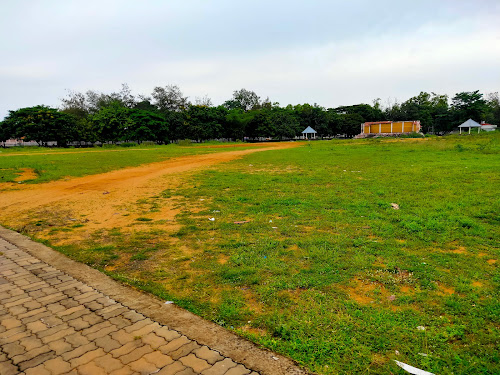
Ashramam Ground

Thangassery Light House
Find Accommodations Nearby
Recommended Tours & Activities
Visitor Reviews
There are no reviews yet. Be the first one to write one.
Share Your Experience
Have you visited St Thomas Fort? Help other travelers by leaving a review.