
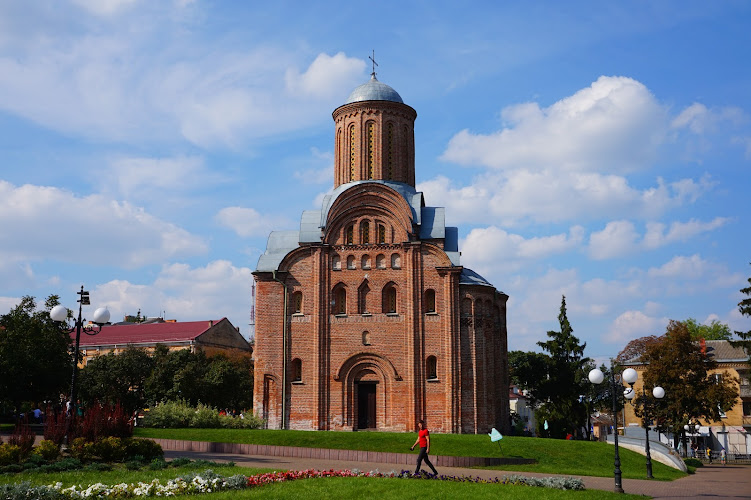
St. Paraskevi’s Church
About St. Paraskevi’s Church
Description
St. Paraskevi’s Church in Chernihiv stands as a quiet yet powerful reminder of Ukraine’s deep Orthodox roots and artistic heritage. It’s one of those places that doesn’t just tell a story—it breathes it. The first time I walked through its old stone archway, I remember the air feeling cooler, heavier almost, as if centuries of prayer still lingered there. The church has seen wars, rebuilds, and countless generations of faithful visitors. Yet somehow, it remains steadfast, its whitewashed walls and domed silhouette glowing against the skyline like a guardian of time.
Travelers often come expecting a small, local church, but what they find is far more profound. The architecture is a fascinating blend of medieval Rus’ craftsmanship and later Baroque touches, reflecting how Chernihiv evolved through the ages. The frescoes inside—though weathered—still carry that unmistakable glow of faith and artistry. You can almost trace the brushstrokes of long-gone monks who painted them by candlelight. It’s not just a church; it’s a living museum of devotion and endurance.
What I personally love most about St. Paraskevi’s Church is its atmosphere. There’s a stillness that feels almost sacred, even if you’re not religious. You might hear the faint hum of a choir rehearsing or the soft shuffle of someone lighting a candle. And if you visit around sunset, the way the light filters through the small arched windows gives the whole place an amber glow that feels otherworldly. It’s hard not to feel moved, even if you came just to take photos or learn a bit of history.
Of course, it’s not without its flaws. The pathways can be uneven, and accessibility is limited—something to keep in mind if you’re traveling with mobility concerns. But for most visitors, the sense of peace and authenticity more than makes up for those minor inconveniences. It’s one of those rare places that feels untouched by modern tourism—no flashy signs, no souvenir stalls crowding the entrance. Just you, the echo of footsteps, and the whisper of centuries past.
Key Features
- Historic Orthodox architecture dating back to medieval times, with later Baroque influences that tell the story of Chernihiv’s cultural evolution.
- Intricate interior frescoes and iconography that reveal the artistry and devotion of early Eastern Orthodox painters.
- A tranquil setting ideal for reflection, meditation, or simply escaping the bustle of modern life.
- Occasional liturgies and choir performances that allow visitors a glimpse into authentic Ukrainian Orthodox traditions.
- Panoramic views of Chernihiv’s old quarter and nearby historical landmarks from the church grounds.
- Quiet, minimally commercial environment that preserves the site’s spiritual essence and authenticity.
Each of these features adds to the church’s charm, but it’s really the combination—the way history, faith, and artistry come together—that makes St. Paraskevi’s Church such a memorable stop for travelers. It’s easy to spend an hour or more here without realizing it. I’ve done it myself, just sitting on the stone steps outside, watching locals come and go with candles in hand. There’s something grounding about it, something that makes you slow down and breathe a little deeper.
Best Time to Visit
If you ask me, spring and early autumn are the best times to visit. The weather in Chernihiv is mild, the trees around the church are either blossoming or glowing gold, and the crowds are manageable. Summer can get a bit busy—especially on weekends when locals attend services or weddings—but even then, the church never feels overcrowded. Winter has its own charm too. The snow gives the church this almost storybook quality, especially when the bells ring in the cold air. But bring warm clothes—it gets biting cold, and the stone walls don’t hold heat well.
Morning hours are ideal if you want to take photos or just experience the church in peace. The light is softer, and the atmosphere feels almost suspended in time. Late afternoon is also magical, especially when the sun dips low and the domes catch that golden glow. Honestly, there’s no bad time to visit—it just depends on what kind of experience you’re after. If you love serenity and introspection, go early. If you want to feel the heartbeat of local life, come during a service.
How to Get There
Reaching St. Paraskevi’s Church is fairly straightforward if you’re already in Chernihiv. The city’s public transport system is reliable, with buses and trolleybuses running regularly through the central district. Many travelers prefer to walk, though—it’s part of the charm. The route takes you through cobbled streets lined with old houses, tiny cafés, and other historical monuments. It’s the kind of walk where you feel like you’re peeling back layers of history with every step.
If you’re driving, parking can be a bit tricky near the church, especially during religious holidays or weekends. It’s best to park a few blocks away and enjoy the short stroll. Taxis and rideshare services are also available and inexpensive by most Western standards. For those coming from Kyiv, Chernihiv is about a two-hour drive north, and the road trip itself is quite scenic—rolling fields, small villages, and little roadside stalls selling honey and berries. I’ve done that drive a few times, and it never gets old.
Tips for Visiting
Here’s the thing about visiting places like St. Paraskevi’s Church—you get more out of it when you slow down. Don’t rush through it like just another stop on your itinerary. Take a moment to stand quietly inside, to notice the scent of incense, the flicker of candlelight, the sound of your own footsteps echoing off the stone walls. That’s where the magic lies.
- Dress modestly: It’s an active place of worship. Shoulders and knees covered, and hats off for men. Women often wear scarves, though it’s not strictly enforced for tourists.
- Bring cash: Donations and candle purchases are usually cash-only, and small bills are appreciated.
- Photography: Always ask before taking pictures inside. Some services or icons may be off-limits for photography.
- Timing: Avoid visiting during major Orthodox holidays unless you want to experience the crowds. Services can be long but deeply moving if you choose to stay.
- Footwear: The floors can be uneven, especially near the entrance, so comfortable shoes are a must.
- Language: Most signage is in Ukrainian, but locals are friendly and often happy to help with directions if you smile and try a few words of Ukrainian or Russian.
One more thing—don’t skip the small courtyard outside. It’s easy to overlook, but it’s one of my favorite spots. There’s a little bench under a tree where you can sit and just take it all in. You’ll probably see elderly locals chatting softly or children chasing pigeons around. It’s these small, human moments that make the visit truly memorable.
In the end, St. Paraskevi’s Church isn’t just a historical monument—it’s a living, breathing part of Chernihiv’s soul. Whether you’re a history buff, a spiritual seeker, or just someone who loves discovering places with real character, this church deserves a spot on your travel list. It’s humble, yes, but profoundly moving in its simplicity. And when you leave, you might just feel a little lighter, a little more connected—to history, to faith, or maybe just to yourself.
Key Features
- Historic Orthodox architecture dating back to medieval times, with later Baroque influences that tell the story of Chernihiv’s cultural evolution.
- Intricate interior frescoes and iconography that reveal the artistry and devotion of early Eastern Orthodox painters.
- A tranquil setting ideal for reflection, meditation, or simply escaping the bustle of modern life.
- Occasional liturgies and choir performances that allow visitors a glimpse into authentic Ukrainian Orthodox traditions.
- Panoramic views of Chernihiv’s old quarter and nearby historical landmarks from the church grounds.
- Quiet, minimally commercial environment that preserves the site’s spiritual essence and authenticity.
More Details
Updated November 9, 2025
Table of Contents
Description
St. Paraskevi’s Church in Chernihiv stands as a quiet yet powerful reminder of Ukraine’s deep Orthodox roots and artistic heritage. It’s one of those places that doesn’t just tell a story—it breathes it. The first time I walked through its old stone archway, I remember the air feeling cooler, heavier almost, as if centuries of prayer still lingered there. The church has seen wars, rebuilds, and countless generations of faithful visitors. Yet somehow, it remains steadfast, its whitewashed walls and domed silhouette glowing against the skyline like a guardian of time.
Travelers often come expecting a small, local church, but what they find is far more profound. The architecture is a fascinating blend of medieval Rus’ craftsmanship and later Baroque touches, reflecting how Chernihiv evolved through the ages. The frescoes inside—though weathered—still carry that unmistakable glow of faith and artistry. You can almost trace the brushstrokes of long-gone monks who painted them by candlelight. It’s not just a church; it’s a living museum of devotion and endurance.
What I personally love most about St. Paraskevi’s Church is its atmosphere. There’s a stillness that feels almost sacred, even if you’re not religious. You might hear the faint hum of a choir rehearsing or the soft shuffle of someone lighting a candle. And if you visit around sunset, the way the light filters through the small arched windows gives the whole place an amber glow that feels otherworldly. It’s hard not to feel moved, even if you came just to take photos or learn a bit of history.
Of course, it’s not without its flaws. The pathways can be uneven, and accessibility is limited—something to keep in mind if you’re traveling with mobility concerns. But for most visitors, the sense of peace and authenticity more than makes up for those minor inconveniences. It’s one of those rare places that feels untouched by modern tourism—no flashy signs, no souvenir stalls crowding the entrance. Just you, the echo of footsteps, and the whisper of centuries past.
Key Features
- Historic Orthodox architecture dating back to medieval times, with later Baroque influences that tell the story of Chernihiv’s cultural evolution.
- Intricate interior frescoes and iconography that reveal the artistry and devotion of early Eastern Orthodox painters.
- A tranquil setting ideal for reflection, meditation, or simply escaping the bustle of modern life.
- Occasional liturgies and choir performances that allow visitors a glimpse into authentic Ukrainian Orthodox traditions.
- Panoramic views of Chernihiv’s old quarter and nearby historical landmarks from the church grounds.
- Quiet, minimally commercial environment that preserves the site’s spiritual essence and authenticity.
Each of these features adds to the church’s charm, but it’s really the combination—the way history, faith, and artistry come together—that makes St. Paraskevi’s Church such a memorable stop for travelers. It’s easy to spend an hour or more here without realizing it. I’ve done it myself, just sitting on the stone steps outside, watching locals come and go with candles in hand. There’s something grounding about it, something that makes you slow down and breathe a little deeper.
Best Time to Visit
If you ask me, spring and early autumn are the best times to visit. The weather in Chernihiv is mild, the trees around the church are either blossoming or glowing gold, and the crowds are manageable. Summer can get a bit busy—especially on weekends when locals attend services or weddings—but even then, the church never feels overcrowded. Winter has its own charm too. The snow gives the church this almost storybook quality, especially when the bells ring in the cold air. But bring warm clothes—it gets biting cold, and the stone walls don’t hold heat well.
Morning hours are ideal if you want to take photos or just experience the church in peace. The light is softer, and the atmosphere feels almost suspended in time. Late afternoon is also magical, especially when the sun dips low and the domes catch that golden glow. Honestly, there’s no bad time to visit—it just depends on what kind of experience you’re after. If you love serenity and introspection, go early. If you want to feel the heartbeat of local life, come during a service.
How to Get There
Reaching St. Paraskevi’s Church is fairly straightforward if you’re already in Chernihiv. The city’s public transport system is reliable, with buses and trolleybuses running regularly through the central district. Many travelers prefer to walk, though—it’s part of the charm. The route takes you through cobbled streets lined with old houses, tiny cafés, and other historical monuments. It’s the kind of walk where you feel like you’re peeling back layers of history with every step.
If you’re driving, parking can be a bit tricky near the church, especially during religious holidays or weekends. It’s best to park a few blocks away and enjoy the short stroll. Taxis and rideshare services are also available and inexpensive by most Western standards. For those coming from Kyiv, Chernihiv is about a two-hour drive north, and the road trip itself is quite scenic—rolling fields, small villages, and little roadside stalls selling honey and berries. I’ve done that drive a few times, and it never gets old.
Tips for Visiting
Here’s the thing about visiting places like St. Paraskevi’s Church—you get more out of it when you slow down. Don’t rush through it like just another stop on your itinerary. Take a moment to stand quietly inside, to notice the scent of incense, the flicker of candlelight, the sound of your own footsteps echoing off the stone walls. That’s where the magic lies.
- Dress modestly: It’s an active place of worship. Shoulders and knees covered, and hats off for men. Women often wear scarves, though it’s not strictly enforced for tourists.
- Bring cash: Donations and candle purchases are usually cash-only, and small bills are appreciated.
- Photography: Always ask before taking pictures inside. Some services or icons may be off-limits for photography.
- Timing: Avoid visiting during major Orthodox holidays unless you want to experience the crowds. Services can be long but deeply moving if you choose to stay.
- Footwear: The floors can be uneven, especially near the entrance, so comfortable shoes are a must.
- Language: Most signage is in Ukrainian, but locals are friendly and often happy to help with directions if you smile and try a few words of Ukrainian or Russian.
One more thing—don’t skip the small courtyard outside. It’s easy to overlook, but it’s one of my favorite spots. There’s a little bench under a tree where you can sit and just take it all in. You’ll probably see elderly locals chatting softly or children chasing pigeons around. It’s these small, human moments that make the visit truly memorable.
In the end, St. Paraskevi’s Church isn’t just a historical monument—it’s a living, breathing part of Chernihiv’s soul. Whether you’re a history buff, a spiritual seeker, or just someone who loves discovering places with real character, this church deserves a spot on your travel list. It’s humble, yes, but profoundly moving in its simplicity. And when you leave, you might just feel a little lighter, a little more connected—to history, to faith, or maybe just to yourself.
Key Highlights
- Historic Orthodox architecture dating back to medieval times, with later Baroque influences that tell the story of Chernihiv’s cultural evolution.
- Intricate interior frescoes and iconography that reveal the artistry and devotion of early Eastern Orthodox painters.
- A tranquil setting ideal for reflection, meditation, or simply escaping the bustle of modern life.
- Occasional liturgies and choir performances that allow visitors a glimpse into authentic Ukrainian Orthodox traditions.
- Panoramic views of Chernihiv’s old quarter and nearby historical landmarks from the church grounds.
- Quiet, minimally commercial environment that preserves the site’s spiritual essence and authenticity.
Location
Places to Stay Near St. Paraskevi's Church
Find and Book a Tour
Explore More Travel Guides
No reviews found! Be the first to review!
Traveler Reviews for St. Paraskevi’s Church
There are no reviews yet. Be the first one to write one.
Have you visited St. Paraskevi’s Church? Help other travelers by sharing your review.
You Might Also Like

Memorial Slavy Na Boldynykh Horakh
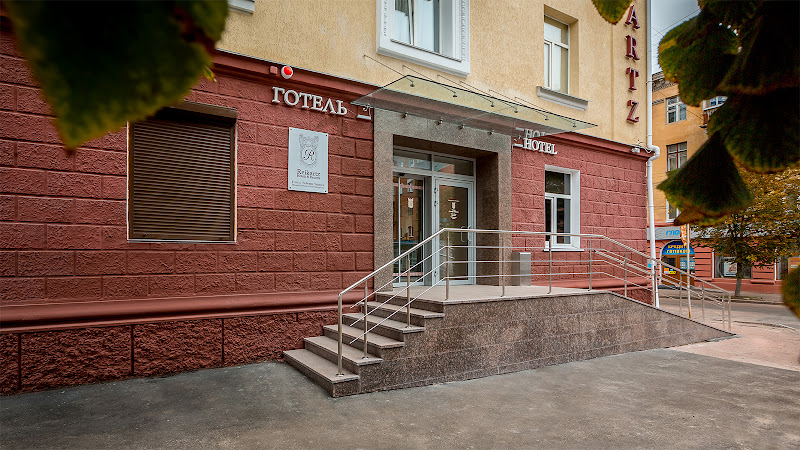
Optima Collection Чернігів
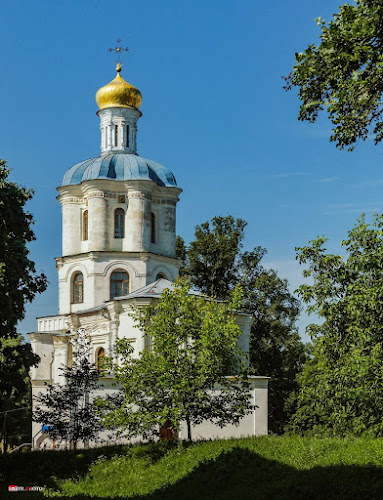
Chernihiv Collegium
Find Accommodations Nearby
Recommended Tours & Activities
Visitor Reviews
There are no reviews yet. Be the first one to write one.
Share Your Experience
Have you visited St. Paraskevi’s Church? Help other travelers by leaving a review.