
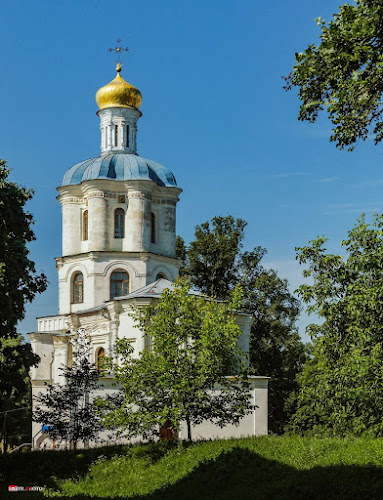
Chernihiv Collegium
About Chernihiv Collegium
Description
The Chernihiv Collegium, tucked within the historic heart of Chernihiv, is one of those places that quietly takes your breath away—not because it’s flashy or overly restored, but because it feels like time itself has taken a seat on its weathered Baroque steps. Established in 1700 by the churchman and educator Ioan Maksymovych, this was the very first higher-level educational institution on the Left Bank of Ukraine. Imagine that—three centuries ago, young minds from the Cossack elite and local townsfolk gathered here to study Latin, Greek, philosophy, mathematics, and history. It’s humbling to think how many dreams and debates must’ve echoed through those vaulted halls.
When you walk through the Collegium today, there’s this distinct sense of layered history. The building itself is a masterpiece of Ukrainian Baroque architecture, complete with ornate facades, arched windows, and a belfry that still commands attention. Inside, the atmosphere is calm and contemplative. The museum exhibits—especially the “Hetmanate Era in Personalities” display—offer a fascinating glimpse into the political and cultural life of 17th- and 18th-century Ukraine. I remember standing in one of the rooms, staring at an old manuscript, and thinking how education back then wasn’t just about learning—it was about shaping identity and faith in a turbulent world.
Even if you’re not a history buff, the Collegium has a magnetic pull. There’s something deeply human about it. The walls seem to whisper stories of scholars and priests, of candlelit debates and youthful ambition. And though parts of it show their age—cracked plaster here, faded paint there—that’s part of the charm. It’s a place that’s lived, not just preserved. Some visitors might find it modest compared to grander European landmarks, but that’s the beauty of it. It’s real, grounded, and quietly proud of its legacy.
Key Features
- Architectural Heritage: Exquisite example of Ukrainian Baroque design, with intricate facades and a distinctive multi-tiered belfry.
- Historical Significance: The first higher educational institution on Ukraine’s Left Bank, founded in 1700.
- Educational Legacy: Once a center for classical studies—Latin, Greek, philosophy, mathematics, and history were core subjects.
- Museum Exhibits: Home to the exhibition “The Hetmanate Era in Personalities,” showcasing the cultural and political figures of the time.
- Spiritual and Cultural Center: Served as a hub for intellectual and religious development in the Cossack Hetmanate.
- Photographic Appeal: Ideal for photography enthusiasts—especially the ornate exterior against Chernihiv’s skyline.
- Peaceful Setting: Located within the National Architectural-Historical Reserve “Ancient Chernihiv,” offering a serene and reflective environment.
Best Time to Visit
If you ask me, spring and early autumn are the sweet spots for visiting the Chernihiv Collegium. In spring, the air smells of lilacs and fresh grass, and the sunlight hits the old stone in a way that makes everything glow softly. Autumn, on the other hand, gives the place a poetic melancholy—golden leaves swirling around the courtyard, the faint chill reminding you of the centuries that have passed here. Summer can be lovely too, though it gets a bit crowded with tour groups and school trips. Winters are quieter, and there’s a certain magic in seeing the Collegium dusted with snow, but you’ll want to bundle up—it can get seriously cold in northern Ukraine.
Personally, I prefer late September. The crowds thin out, the weather is crisp but not freezing, and the light is just perfect for photos. And if you’re lucky, you might catch local festivals or cultural events happening nearby in the reserve. There’s something special about hearing Ukrainian folk music drifting through the old streets while you’re standing in front of a 300-year-old building that once shaped so many minds.
How to Get There
Reaching the Chernihiv Collegium is pretty straightforward. Chernihiv itself is about 140 kilometers northeast of Kyiv, and you can get there by car, bus, or train. The drive from Kyiv takes around two hours if the traffic behaves (which, let’s be honest, it doesn’t always). Buses run regularly from Kyiv’s Lisova metro station, and the train journey is a comfortable option too, especially if you enjoy watching the Ukrainian countryside roll by. Once you’re in Chernihiv, the Collegium is located within the city’s historical center, close to other landmarks like the Transfiguration Cathedral and the Boris and Gleb Monastery.
Walking is the best way to explore this part of the city. The cobbled streets, the quiet courtyards, the mix of old churches and Soviet-era buildings—it all feels like stepping through layers of history. Parking is available nearby, and it’s free, which is always a nice surprise. Just note that the Collegium isn’t wheelchair accessible at the moment, something that hopefully changes in the future. If you’re traveling with kids, they’ll enjoy the open spaces around the complex, and there are often discounts for younger visitors.
Tips for Visiting
First things first—take your time. The Chernihiv Collegium isn’t huge, but it rewards slow exploration. Look up at the ceilings, run your fingers along the old wooden doors (gently, of course), and imagine the students who once did the same centuries ago. Bring a camera, but also take a few moments to just stand still and soak it in. The silence here has a way of speaking louder than words.
If you’re planning to visit on a weekday, mornings are best—fewer people, better light, and a more peaceful vibe. On weekends, it can get busier, especially during local holidays. Guided tours are available, and honestly, they’re worth it. The guides are passionate and full of stories that don’t make it into the history books. I once joined a tour where the guide, an elderly man with a twinkle in his eye, recited a few lines of old Ukrainian poetry that students used to memorize here. It was unexpectedly moving.
Wear comfortable shoes—those cobblestones can be unforgiving—and bring some cash, as not all local vendors accept cards. If you’re traveling in summer, a bottle of water and a hat are musts. And here’s a small personal tip: after your visit, find a café nearby and order a cup of Ukrainian coffee (it’s strong and aromatic). Sit by the window, look out at the Collegium’s silhouette, and let yourself drift for a moment. That’s when you really feel the soul of Chernihiv.
Above all, approach your visit not as a checklist stop but as a conversation with the past. The Chernihiv Collegium isn’t just an old building—it’s a living story about learning, resilience, and the enduring power of knowledge. Whether you’re a history lover, a casual traveler, or just someone curious about Ukraine’s heritage, this place will leave a quiet but lasting impression. And trust me, you’ll find yourself thinking about it long after you’ve left.
Key Features
- Key Features
- Best Time to Visit
- How to Get There
- Tips for Visiting
More Details
Updated November 9, 2025
Table of Contents
Description
The Chernihiv Collegium, tucked within the historic heart of Chernihiv, is one of those places that quietly takes your breath away—not because it’s flashy or overly restored, but because it feels like time itself has taken a seat on its weathered Baroque steps. Established in 1700 by the churchman and educator Ioan Maksymovych, this was the very first higher-level educational institution on the Left Bank of Ukraine. Imagine that—three centuries ago, young minds from the Cossack elite and local townsfolk gathered here to study Latin, Greek, philosophy, mathematics, and history. It’s humbling to think how many dreams and debates must’ve echoed through those vaulted halls.
When you walk through the Collegium today, there’s this distinct sense of layered history. The building itself is a masterpiece of Ukrainian Baroque architecture, complete with ornate facades, arched windows, and a belfry that still commands attention. Inside, the atmosphere is calm and contemplative. The museum exhibits—especially the “Hetmanate Era in Personalities” display—offer a fascinating glimpse into the political and cultural life of 17th- and 18th-century Ukraine. I remember standing in one of the rooms, staring at an old manuscript, and thinking how education back then wasn’t just about learning—it was about shaping identity and faith in a turbulent world.
Even if you’re not a history buff, the Collegium has a magnetic pull. There’s something deeply human about it. The walls seem to whisper stories of scholars and priests, of candlelit debates and youthful ambition. And though parts of it show their age—cracked plaster here, faded paint there—that’s part of the charm. It’s a place that’s lived, not just preserved. Some visitors might find it modest compared to grander European landmarks, but that’s the beauty of it. It’s real, grounded, and quietly proud of its legacy.
Key Features
- Architectural Heritage: Exquisite example of Ukrainian Baroque design, with intricate facades and a distinctive multi-tiered belfry.
- Historical Significance: The first higher educational institution on Ukraine’s Left Bank, founded in 1700.
- Educational Legacy: Once a center for classical studies—Latin, Greek, philosophy, mathematics, and history were core subjects.
- Museum Exhibits: Home to the exhibition “The Hetmanate Era in Personalities,” showcasing the cultural and political figures of the time.
- Spiritual and Cultural Center: Served as a hub for intellectual and religious development in the Cossack Hetmanate.
- Photographic Appeal: Ideal for photography enthusiasts—especially the ornate exterior against Chernihiv’s skyline.
- Peaceful Setting: Located within the National Architectural-Historical Reserve “Ancient Chernihiv,” offering a serene and reflective environment.
Best Time to Visit
If you ask me, spring and early autumn are the sweet spots for visiting the Chernihiv Collegium. In spring, the air smells of lilacs and fresh grass, and the sunlight hits the old stone in a way that makes everything glow softly. Autumn, on the other hand, gives the place a poetic melancholy—golden leaves swirling around the courtyard, the faint chill reminding you of the centuries that have passed here. Summer can be lovely too, though it gets a bit crowded with tour groups and school trips. Winters are quieter, and there’s a certain magic in seeing the Collegium dusted with snow, but you’ll want to bundle up—it can get seriously cold in northern Ukraine.
Personally, I prefer late September. The crowds thin out, the weather is crisp but not freezing, and the light is just perfect for photos. And if you’re lucky, you might catch local festivals or cultural events happening nearby in the reserve. There’s something special about hearing Ukrainian folk music drifting through the old streets while you’re standing in front of a 300-year-old building that once shaped so many minds.
How to Get There
Reaching the Chernihiv Collegium is pretty straightforward. Chernihiv itself is about 140 kilometers northeast of Kyiv, and you can get there by car, bus, or train. The drive from Kyiv takes around two hours if the traffic behaves (which, let’s be honest, it doesn’t always). Buses run regularly from Kyiv’s Lisova metro station, and the train journey is a comfortable option too, especially if you enjoy watching the Ukrainian countryside roll by. Once you’re in Chernihiv, the Collegium is located within the city’s historical center, close to other landmarks like the Transfiguration Cathedral and the Boris and Gleb Monastery.
Walking is the best way to explore this part of the city. The cobbled streets, the quiet courtyards, the mix of old churches and Soviet-era buildings—it all feels like stepping through layers of history. Parking is available nearby, and it’s free, which is always a nice surprise. Just note that the Collegium isn’t wheelchair accessible at the moment, something that hopefully changes in the future. If you’re traveling with kids, they’ll enjoy the open spaces around the complex, and there are often discounts for younger visitors.
Tips for Visiting
First things first—take your time. The Chernihiv Collegium isn’t huge, but it rewards slow exploration. Look up at the ceilings, run your fingers along the old wooden doors (gently, of course), and imagine the students who once did the same centuries ago. Bring a camera, but also take a few moments to just stand still and soak it in. The silence here has a way of speaking louder than words.
If you’re planning to visit on a weekday, mornings are best—fewer people, better light, and a more peaceful vibe. On weekends, it can get busier, especially during local holidays. Guided tours are available, and honestly, they’re worth it. The guides are passionate and full of stories that don’t make it into the history books. I once joined a tour where the guide, an elderly man with a twinkle in his eye, recited a few lines of old Ukrainian poetry that students used to memorize here. It was unexpectedly moving.
Wear comfortable shoes—those cobblestones can be unforgiving—and bring some cash, as not all local vendors accept cards. If you’re traveling in summer, a bottle of water and a hat are musts. And here’s a small personal tip: after your visit, find a café nearby and order a cup of Ukrainian coffee (it’s strong and aromatic). Sit by the window, look out at the Collegium’s silhouette, and let yourself drift for a moment. That’s when you really feel the soul of Chernihiv.
Above all, approach your visit not as a checklist stop but as a conversation with the past. The Chernihiv Collegium isn’t just an old building—it’s a living story about learning, resilience, and the enduring power of knowledge. Whether you’re a history lover, a casual traveler, or just someone curious about Ukraine’s heritage, this place will leave a quiet but lasting impression. And trust me, you’ll find yourself thinking about it long after you’ve left.
Key Highlights
- Key Features
- Best Time to Visit
- How to Get There
- Tips for Visiting
Location
Places to Stay Near Chernihiv Collegium
Find and Book a Tour
Explore More Travel Guides
No reviews found! Be the first to review!
Traveler Reviews for Chernihiv Collegium
There are no reviews yet. Be the first one to write one.
Have you visited Chernihiv Collegium? Help other travelers by sharing your review.
You Might Also Like
Pidval'na St, 19

14000
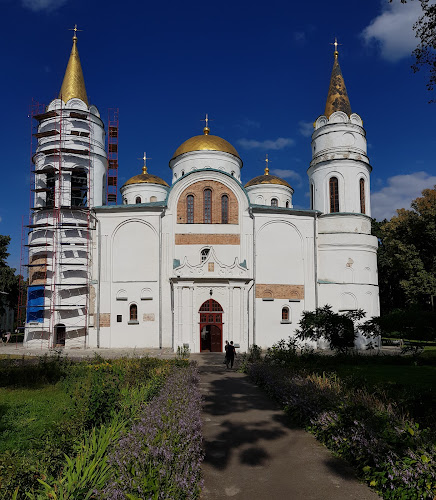
Chernihiv Dytynets Park
Find Accommodations Nearby
Recommended Tours & Activities
Visitor Reviews
There are no reviews yet. Be the first one to write one.
Share Your Experience
Have you visited Chernihiv Collegium? Help other travelers by leaving a review.