
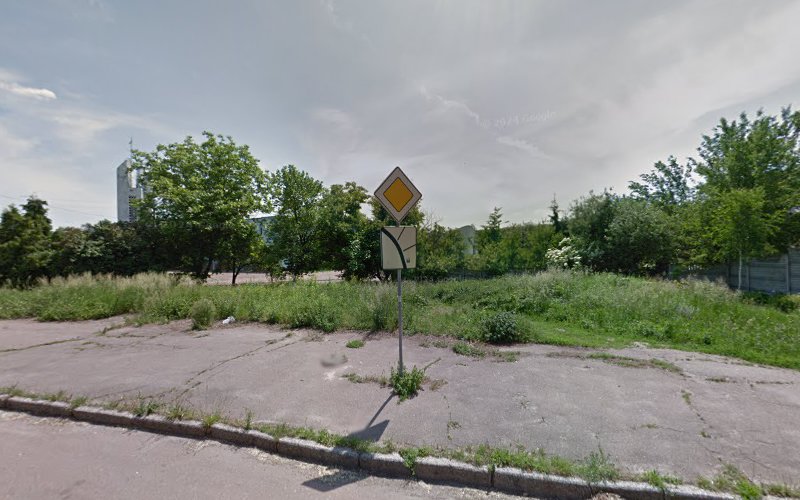
Pidval’na St, 19
About Pidval’na St, 19
Description
There’s a quiet charm about Pidval’na Street that’s hard to put into words, and number 19 might just be the heart of it. This building, tucked away in the historic core of Chernihiv, carries that old-world soul you can’t fake. You know the kind—aged brick that’s seen more winters than most of us will, and windows that probably have stories to tell if you stand there long enough and just listen. I remember the first time I wandered past it; it wasn’t planned. I was following the smell of freshly baked bread from a nearby café and ended up here, staring at its façade like I’d stumbled into a scene from a forgotten novel.
Pidval’na St, 19 isn’t a grand palace or a flashy tourist attraction. It’s more subtle than that—an architectural whisper amid the louder spots around town. The building reflects Chernihiv’s layered history, from medieval roots to Soviet-era resilience. The details are what catch you: the uneven stonework, the slightly arched windows, the way the sunlight hits the walls in late afternoon, making the whole structure glow like a sepia photograph. It’s the kind of place that rewards slow observation. If you’re the sort who likes to feel the pulse of a city through its lesser-known corners, this spot will speak to you.
Locals often pass by without a second glance, but travelers with an eye for authenticity will notice its quiet dignity. There’s a certain balance here—between preservation and decay, between the old and the now. And that balance gives it a kind of poetry that’s rare these days. It’s not perfect, but maybe that’s the point. The imperfections make it real, grounded, human.
Key Features
- Historic architecture showcasing traditional Ukrainian building techniques
- Located within walking distance of Chernihiv’s main historical landmarks
- Distinctive façade with original masonry and period details
- Quiet surroundings ideal for photography and reflective strolls
- Close to local cafés, artisan shops, and cultural venues
- Offers a glimpse into the city’s pre-war architectural identity
Best Time to Visit
If you ask me, spring and early autumn are the sweet spots. In spring, the air smells like blooming linden trees, and the light has this soft, forgiving quality that makes every photo look like it’s been filtered through nostalgia. Autumn, on the other hand, paints the street in gold and rust tones, and the building seems to melt into the season itself. Summer can get a bit crowded and warm, especially midday, while winter—though beautiful—can be biting cold. Still, if you don’t mind bundling up, the snow adds a magical hush that turns the whole area into a living postcard.
One thing I always tell friends: visit in the morning. There’s something about watching the city wake up while the first rays of sunlight hit the old walls. You’ll get that perfect quiet moment before the day really begins. And if you’re lucky, you might even catch a local artist sketching or an elderly couple feeding pigeons nearby—it’s those small, unscripted moments that make travel worthwhile.
How to Get There
Reaching this spot is straightforward, even if you’re new to Chernihiv. The city’s center is compact, and most landmarks are within walking distance. If you’re staying downtown, you can easily reach Pidval’na Street on foot in about ten to fifteen minutes. The streets are cobbled and a bit uneven in places—wear comfortable shoes, trust me on that one. For those coming from farther out, local buses and taxis are reliable and inexpensive. Drivers are usually friendly, though it helps to have the address written down or saved on your phone in Ukrainian, just in case your pronunciation isn’t spot on (mine definitely wasn’t the first time!).
For travelers arriving by train, the main railway station connects well with the city center. From there, hop on a local bus heading toward the old town. The ride is short, and you’ll get a glimpse of Chernihiv’s mix of old charm and modern rhythm along the way. And if you’re the adventurous type, rent a bike—the route is scenic, and you’ll feel more connected to the city’s pace.
Tips for Visiting
Here’s the thing about places like Pidval’na St, 19: they don’t shout for your attention. They whisper. So slow down. Don’t just snap a photo and move on—walk around, take in the textures, the smells, the sounds. You’ll notice details most people miss. I once spent nearly half an hour just tracing the patterns on the old doorway and watching how the light shifted across the stone. It sounds a bit obsessive, I know, but that’s where the magic is.
If you’re planning to photograph, aim for early morning or late afternoon when the lighting is soft and golden. Midday sun tends to flatten the colors. Bring a small notebook if you’re into journaling or sketching; this spot has a way of stirring up thoughts and memories. And if you’re traveling with kids or friends, stop by one of the nearby cafés afterward—there’s nothing like a warm cup of coffee or a slice of honey cake after exploring.
Respect the area, of course. Some parts of the building may be fragile, and it’s always best to admire from a respectful distance. Locals are usually happy to chat if you show genuine curiosity, and you might even get a story or two about the building’s past. That’s how I learned that it once housed a small family-run workshop decades ago—a detail you won’t find in any guidebook.
And here’s a small personal tip: visit twice if you can—once during the day and once at dusk. The building changes character as the light fades. In the evening, when the street lamps flicker on and the city quiets down, there’s a kind of melancholy beauty that’s hard to describe. It’s the sort of moment that sticks with you long after you’ve left.
So whether you’re a history buff, an architecture lover, or just someone who enjoys discovering the quieter corners of a city, Pidval’na St, 19 offers something genuine. It’s not about spectacle—it’s about presence. It’s about feeling the weight of time in the walls, the continuity of life around it, and maybe, if you’re paying attention, a little reminder that beauty often hides in the places we least expect.
Key Features
- Historic architecture showcasing traditional Ukrainian building techniques
- Located within walking distance of Chernihiv’s main historical landmarks
- Distinctive façade with original masonry and period details
- Quiet surroundings ideal for photography and reflective strolls
- Close to local cafés, artisan shops, and cultural venues
- Offers a glimpse into the city’s pre-war architectural identity
More Details
Updated November 9, 2025
Table of Contents There’s a quiet charm about Pidval’na Street that’s hard to put into words, and number 19 might just be the heart of it. This building, tucked away in the historic core of Chernihiv, carries that old-world soul you can’t fake. You know the kind—aged brick that’s seen more winters than most of us will, and windows that probably have stories to tell if you stand there long enough and just listen. I remember the first time I wandered past it; it wasn’t planned. I was following the smell of freshly baked bread from a nearby café and ended up here, staring at its façade like I’d stumbled into a scene from a forgotten novel. Pidval’na St, 19 isn’t a grand palace or a flashy tourist attraction. It’s more subtle than that—an architectural whisper amid the louder spots around town. The building reflects Chernihiv’s layered history, from medieval roots to Soviet-era resilience. The details are what catch you: the uneven stonework, the slightly arched windows, the way the sunlight hits the walls in late afternoon, making the whole structure glow like a sepia photograph. It’s the kind of place that rewards slow observation. If you’re the sort who likes to feel the pulse of a city through its lesser-known corners, this spot will speak to you. Locals often pass by without a second glance, but travelers with an eye for authenticity will notice its quiet dignity. There’s a certain balance here—between preservation and decay, between the old and the now. And that balance gives it a kind of poetry that’s rare these days. It’s not perfect, but maybe that’s the point. The imperfections make it real, grounded, human. If you ask me, spring and early autumn are the sweet spots. In spring, the air smells like blooming linden trees, and the light has this soft, forgiving quality that makes every photo look like it’s been filtered through nostalgia. Autumn, on the other hand, paints the street in gold and rust tones, and the building seems to melt into the season itself. Summer can get a bit crowded and warm, especially midday, while winter—though beautiful—can be biting cold. Still, if you don’t mind bundling up, the snow adds a magical hush that turns the whole area into a living postcard. One thing I always tell friends: visit in the morning. There’s something about watching the city wake up while the first rays of sunlight hit the old walls. You’ll get that perfect quiet moment before the day really begins. And if you’re lucky, you might even catch a local artist sketching or an elderly couple feeding pigeons nearby—it’s those small, unscripted moments that make travel worthwhile. Reaching this spot is straightforward, even if you’re new to Chernihiv. The city’s center is compact, and most landmarks are within walking distance. If you’re staying downtown, you can easily reach Pidval’na Street on foot in about ten to fifteen minutes. The streets are cobbled and a bit uneven in places—wear comfortable shoes, trust me on that one. For those coming from farther out, local buses and taxis are reliable and inexpensive. Drivers are usually friendly, though it helps to have the address written down or saved on your phone in Ukrainian, just in case your pronunciation isn’t spot on (mine definitely wasn’t the first time!). For travelers arriving by train, the main railway station connects well with the city center. From there, hop on a local bus heading toward the old town. The ride is short, and you’ll get a glimpse of Chernihiv’s mix of old charm and modern rhythm along the way. And if you’re the adventurous type, rent a bike—the route is scenic, and you’ll feel more connected to the city’s pace. Here’s the thing about places like Pidval’na St, 19: they don’t shout for your attention. They whisper. So slow down. Don’t just snap a photo and move on—walk around, take in the textures, the smells, the sounds. You’ll notice details most people miss. I once spent nearly half an hour just tracing the patterns on the old doorway and watching how the light shifted across the stone. It sounds a bit obsessive, I know, but that’s where the magic is. If you’re planning to photograph, aim for early morning or late afternoon when the lighting is soft and golden. Midday sun tends to flatten the colors. Bring a small notebook if you’re into journaling or sketching; this spot has a way of stirring up thoughts and memories. And if you’re traveling with kids or friends, stop by one of the nearby cafés afterward—there’s nothing like a warm cup of coffee or a slice of honey cake after exploring. Respect the area, of course. Some parts of the building may be fragile, and it’s always best to admire from a respectful distance. Locals are usually happy to chat if you show genuine curiosity, and you might even get a story or two about the building’s past. That’s how I learned that it once housed a small family-run workshop decades ago—a detail you won’t find in any guidebook. And here’s a small personal tip: visit twice if you can—once during the day and once at dusk. The building changes character as the light fades. In the evening, when the street lamps flicker on and the city quiets down, there’s a kind of melancholy beauty that’s hard to describe. It’s the sort of moment that sticks with you long after you’ve left. So whether you’re a history buff, an architecture lover, or just someone who enjoys discovering the quieter corners of a city, Pidval’na St, 19 offers something genuine. It’s not about spectacle—it’s about presence. It’s about feeling the weight of time in the walls, the continuity of life around it, and maybe, if you’re paying attention, a little reminder that beauty often hides in the places we least expect.Description
Key Features
Best Time to Visit
How to Get There
Tips for Visiting
Key Highlights
- Historic architecture showcasing traditional Ukrainian building techniques
- Located within walking distance of Chernihiv’s main historical landmarks
- Distinctive façade with original masonry and period details
- Quiet surroundings ideal for photography and reflective strolls
- Close to local cafés, artisan shops, and cultural venues
- Offers a glimpse into the city’s pre-war architectural identity
Location
Places to Stay Near Pidval'na St, 19
Find and Book a Tour
Explore More Travel Guides
No reviews found! Be the first to review!
Traveler Reviews for Pidval’na St, 19
There are no reviews yet. Be the first one to write one.
Have you visited Pidval’na St, 19? Help other travelers by sharing your review.
You Might Also Like
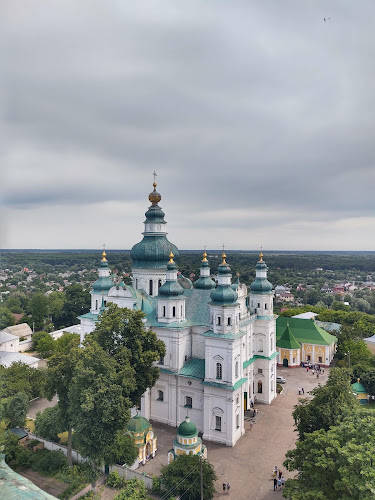
Boldyna hora Park
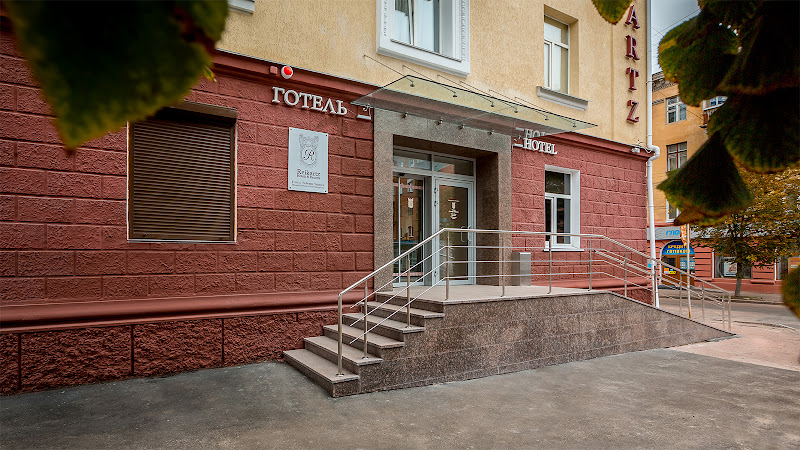
Optima Collection Чернігів

Chernihiv
Find Accommodations Nearby
Recommended Tours & Activities
Visitor Reviews
There are no reviews yet. Be the first one to write one.
Share Your Experience
Have you visited Pidval’na St, 19? Help other travelers by leaving a review.