
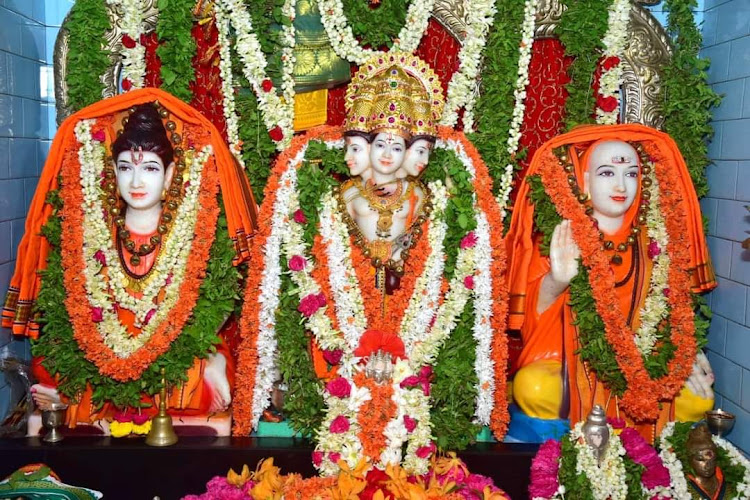
Sripada Srivallabha Mahasamsthanam
About Sripada Srivallabha Mahasamsthanam
Description
Let me tell you about one of the most spiritually significant temples I've had the privilege of visiting - the Sripada Srivallabha Mahasamsthanam. This sacred shrine holds immense importance for devotees of Lord Dattatreya and, honestly, the peaceful energy here is something you've got to experience firsthand. The temple complex, with its traditional Dravidian architecture, literally took my breath away when I first saw it. Ya know what's really cool? The main sanctum houses the holy paduka (divine footprints) of Lord Dattatreya, making it a major pilgrimage center for followers across India. I remember standing there in complete awe, watching as devoted pilgrims offered their prayers with such intense devotion.Key Features
• The magnificent main temple structure showcasing intricate Dravidian architectural elements • Sacred Padukas (footprints) of Lord Dattatreya in the main sanctum • Spacious meditation halls where you can spend quiet moments in reflection • Daily ritual ceremonies (puja) performed by dedicated priests • A pure vegetarian prasadam distribution system • Wheelchair-accessible facilities throughout the complex • Separate queue systems for regular darshan and special darshan • Well-maintained gardens and rest areas within the premises • Special mandapams for conducting religious ceremonies • A dedicated space for spiritual discourses and bhajansBest Time to Visit
From my multiple visits, I've found that the ideal time to visit is between October and March when the weather's much more pleasant. The summer months can get pretty intense, trust me - I made that mistake once! The temple sees huge crowds during Datta Jayanti celebrations (usually in December) and Guru Purnima (July/August). Early mornings, around 6-8 AM, are perfect for a peaceful darshan experience. If you're like me and prefer avoiding crowds, try visiting on weekdays rather than weekends. The evening aarti around sunset is absolutely magical - the combination of bells, chants, and the golden hour light creates an unforgettable atmosphere.How to Get There
Getting to the temple isn't too complicated, but you'll want to plan ahead. The nearest major railway station is well-connected to major cities across India. If you're flying in, the closest airport is about an hour's drive away. From the railway station or airport, you can easily grab a prepaid taxi or auto-rickshaw. Bus services are also available, but honestly, I'd recommend hiring a cab for more comfort, especially if you're traveling with family. The roads leading to the temple are well-maintained, so driving yourself is also an option if you're comfortable with Indian traffic.Tips for Visiting
Listen, I've learned a few things from my visits that might make your experience better. First off, dress conservatively - it's a place of worship after all. Men should wear shirts with sleeves and full-length pants, while women should opt for traditional Indian wear or modest western clothing. Remember to remove your shoes before entering (there's a shoe stand facility, but bring a bag just in case). Oh, and don't forget to carry some small change for donations and prasadam. The temple can get pretty crowded during festival times, so if you're not fond of large gatherings, plan your visit during off-peak hours. I'd suggest carrying a water bottle - there are drinking water facilities inside, but having your own is always handy. Photography isn't allowed inside the main temple area (I learned this the hard way!), but you can take pictures in the outer premises. And yeah, while the temple is wheelchair-accessible, it's worth noting that some areas might require assistance. Pro tip: If you're planning to attend the morning aarti, reach at least 30 minutes early. Trust me, it makes all the difference in getting a good spot. And if you're interested in the temple's history, consider hiring a guide - they share some fascinating stories that you won't find in guidebooks. Lastly, take some time to just sit and absorb the atmosphere. Some of my most meaningful moments here have been when I simply sat quietly in the courtyard, watching the pigeons and listening to the distant sounds of temple bells. There's something incredibly peaceful about this place that goes beyond its religious significance.Key Features
- Key Features
- Best Time to Visit
- How to Get There
- Tips for Visiting
More Details
Updated May 21, 2025
Table of Contents
- Description
- Key Features
- Best Time to Visit
- How to Get There
- Tips for Visiting
- Key Highlights
- Location
- Places to Stay Near Sripada Srivallabha Mahasamsthanam
- Find and Book a Tour
- Explore More Travel Guides
- Nearby Places You Might Like
- Traveler Reviews for Sripada Srivallabha Mahasamsthanam
- Share Your Experience
Description
Let me tell you about one of the most spiritually significant temples I’ve had the privilege of visiting – the Sripada Srivallabha Mahasamsthanam. This sacred shrine holds immense importance for devotees of Lord Dattatreya and, honestly, the peaceful energy here is something you’ve got to experience firsthand.
The temple complex, with its traditional Dravidian architecture, literally took my breath away when I first saw it. Ya know what’s really cool? The main sanctum houses the holy paduka (divine footprints) of Lord Dattatreya, making it a major pilgrimage center for followers across India. I remember standing there in complete awe, watching as devoted pilgrims offered their prayers with such intense devotion.
Key Features
• The magnificent main temple structure showcasing intricate Dravidian architectural elements
• Sacred Padukas (footprints) of Lord Dattatreya in the main sanctum
• Spacious meditation halls where you can spend quiet moments in reflection
• Daily ritual ceremonies (puja) performed by dedicated priests
• A pure vegetarian prasadam distribution system
• Wheelchair-accessible facilities throughout the complex
• Separate queue systems for regular darshan and special darshan
• Well-maintained gardens and rest areas within the premises
• Special mandapams for conducting religious ceremonies
• A dedicated space for spiritual discourses and bhajans
Best Time to Visit
From my multiple visits, I’ve found that the ideal time to visit is between October and March when the weather’s much more pleasant. The summer months can get pretty intense, trust me – I made that mistake once! The temple sees huge crowds during Datta Jayanti celebrations (usually in December) and Guru Purnima (July/August).
Early mornings, around 6-8 AM, are perfect for a peaceful darshan experience. If you’re like me and prefer avoiding crowds, try visiting on weekdays rather than weekends. The evening aarti around sunset is absolutely magical – the combination of bells, chants, and the golden hour light creates an unforgettable atmosphere.
How to Get There
Getting to the temple isn’t too complicated, but you’ll want to plan ahead. The nearest major railway station is well-connected to major cities across India. If you’re flying in, the closest airport is about an hour’s drive away.
From the railway station or airport, you can easily grab a prepaid taxi or auto-rickshaw. Bus services are also available, but honestly, I’d recommend hiring a cab for more comfort, especially if you’re traveling with family. The roads leading to the temple are well-maintained, so driving yourself is also an option if you’re comfortable with Indian traffic.
Tips for Visiting
Listen, I’ve learned a few things from my visits that might make your experience better. First off, dress conservatively – it’s a place of worship after all. Men should wear shirts with sleeves and full-length pants, while women should opt for traditional Indian wear or modest western clothing.
Remember to remove your shoes before entering (there’s a shoe stand facility, but bring a bag just in case). Oh, and don’t forget to carry some small change for donations and prasadam.
The temple can get pretty crowded during festival times, so if you’re not fond of large gatherings, plan your visit during off-peak hours. I’d suggest carrying a water bottle – there are drinking water facilities inside, but having your own is always handy.
Photography isn’t allowed inside the main temple area (I learned this the hard way!), but you can take pictures in the outer premises. And yeah, while the temple is wheelchair-accessible, it’s worth noting that some areas might require assistance.
Pro tip: If you’re planning to attend the morning aarti, reach at least 30 minutes early. Trust me, it makes all the difference in getting a good spot. And if you’re interested in the temple’s history, consider hiring a guide – they share some fascinating stories that you won’t find in guidebooks.
Lastly, take some time to just sit and absorb the atmosphere. Some of my most meaningful moments here have been when I simply sat quietly in the courtyard, watching the pigeons and listening to the distant sounds of temple bells. There’s something incredibly peaceful about this place that goes beyond its religious significance.
Key Highlights
- Key Features
- Best Time to Visit
- How to Get There
- Tips for Visiting
Location
Places to Stay Near Sripada Srivallabha Mahasamsthanam
Find and Book a Tour
Explore More Travel Guides
No reviews found! Be the first to review!
Traveler Reviews for Sripada Srivallabha Mahasamsthanam
There are no reviews yet. Be the first one to write one.
Have you visited Sripada Srivallabha Mahasamsthanam? Help other travelers by sharing your review.
You Might Also Like
Velamapeta
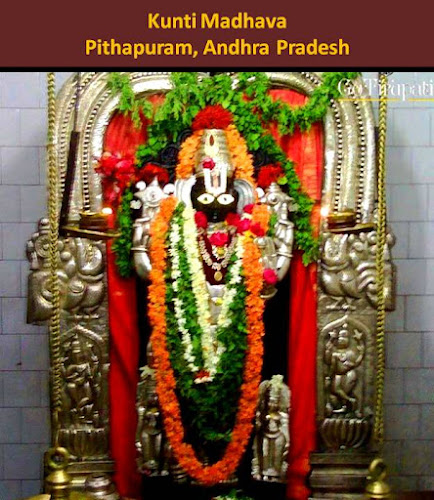
Kunti Madhava Swami Temple PITHAPURAM
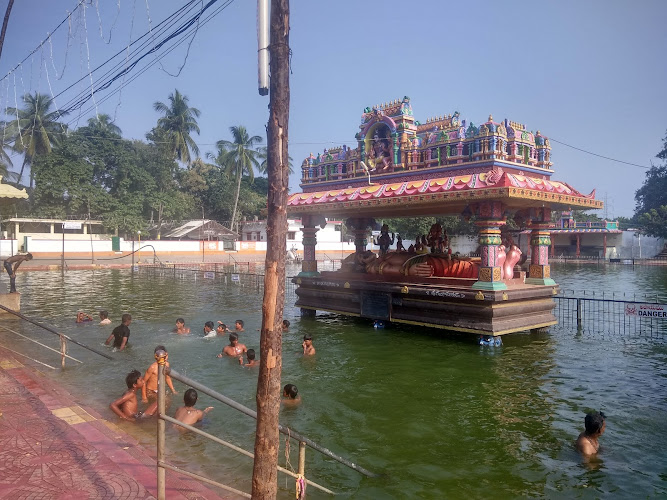
Dattatreya Birth Temple
Find Accommodations Nearby
Recommended Tours & Activities
Visitor Reviews
There are no reviews yet. Be the first one to write one.
Share Your Experience
Have you visited Sripada Srivallabha Mahasamsthanam? Help other travelers by leaving a review.