
South Luangwa National Park
About South Luangwa National Park
Key Features
More Details
Updated September 16, 2025
South Luangwa National Park in eastern Zambia covers about 9,050 square kilometers and centers on a wildlife-rich stretch of the Luangwa River. The park is renowned for daytime walking safaris, high densities of elephants, hippos and one of Africa’s largest concentrations of lions, plus prolific birdlife with over 400 recorded species. Diverse habitats — riverine forests, mopane woodlands and seasonal floodplains — concentrate wildlife during the dry season, offering reliable game viewing and excellent photographic opportunities.
Table of Contents
Key Highlights
World-class walking safaris led by expert guides and armed rangers—South Luangwa is the birthplace of the modern walking safari.
Consistent leopard sightings, plus lion, spotted hyena, and African wild dog (best viewed in the dry season).
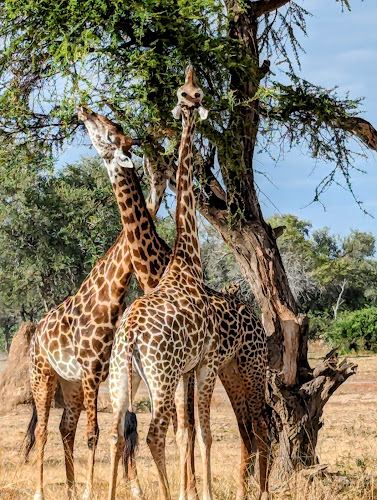
Endemic species: Thornicroft’s giraffe, Cookson’s wildebeest, and Crawshay’s zebra unique to the Luangwa Valley.
Luangwa River and oxbow lagoons with huge concentrations of hippos and crocodiles.
Night drives allowed with licensed operators—see nocturnal species you’d rarely spot by day.
Outstanding birding with seasonal spectacles like Southern Carmine Bee-eater colonies (Aug–Oct).
Diverse habitats: mopane woodland, ebony groves, winterthorn forests, open plains, and riverine belts.
Photographic hides at select camps for low-angle, close-up wildlife photography.
Access to community initiatives and village visits around Mfuwe for a deeper look at life in the Luangwa Valley.
Location
Places to Stay Near South Luangwa National Park
Find and Book a Tour
Explore More Travel Guides
No reviews found! Be the first to review!
Description
South Luangwa National Park in eastern Zambia is the kind of place that gets under your skin. The Luangwa River snakes through the park like a living thing, feeding oxbow lagoons where hippos grunt and crocodiles sun themselves on baked mud banks. On my first afternoon game drive, a leopard melted out of an ebony grove at dusk, and I finally understood why this park has a reputation for big cat sightings. It isn’t flashy; it’s raw, alive, and teeming with wildlife that reveals itself slowly as you tune into the sounds—puku whistling alarms, babblers squabbling in thornbush, elephants rumbling across the riverbed.
What sets South Luangwa apart is how close you feel to the ecosystem. Walking safaris were pioneered here, and the tradition runs deep. On foot with an experienced guide and ranger, you notice details you’d miss from a vehicle—civet tracks scribbled in sand, the peppery smell of wild sage, the physics lesson of a giraffe’s lope. Guides know the trees by their local names and the birds by their calls. I remember pausing under a winterthorn, listening to carmine bee-eaters chatter from their riverbank nests, while elephants shuffled somewhere out of sight behind us.
There are distinct areas worth exploring. The main access is through Mfuwe Gate, which opens into the central sector with year-round camps and reliable game viewing. Farther north, the Nsefu Sector offers quieter tracks, productive lagoons, and those atmospheric ebony groves that feel like cathedrals. In late dry season, sandbars emerge in the Luangwa, and herds—buffalo, zebra, waterbuck—fan out to the remaining water. The park is also home to endemic subspecies you won’t find elsewhere: Thornicroft’s giraffe with their pale markings, Cookson’s wildebeest, and Crawshay’s zebra with crisp stripes.
Birding is exceptional. Over 400 species are recorded here, and if you come between August and October, you’re likely to see colonies of Southern Carmine Bee-eaters tunneling into the riverbanks. Late rains transform the bush into a green mosaic from November onward, drawing flowers, butterflies, and a wave of migrant birds, from broad-billed rollers to woodland kingfishers. In the green season, the valley has a different rhythm—roads can be muddy, but the light is beautiful and you often have sightings to yourself.
South Luangwa is one of the last great wildlife strongholds where night drives are permitted with licensed operators. That after-dark window shows you another world: genets, civets, porcupines, owls on the hunt, and the resin-bright eyes of predators glinting back at the spotlight. I’ve watched a leopard hoist an impala into a sausage tree by moonlight and listened to lions call across the river like a drumbeat. It’s the kind of experience that stays with you long after you’ve dusted the valley off your boots.
Key Features
- World-class walking safaris led by expert guides and armed rangers—South Luangwa is the birthplace of the modern walking safari.
- Consistent leopard sightings, plus lion, spotted hyena, and African wild dog (best viewed in the dry season).
- Endemic species: Thornicroft’s giraffe, Cookson’s wildebeest, and Crawshay’s zebra unique to the Luangwa Valley.
- Luangwa River and oxbow lagoons with huge concentrations of hippos and crocodiles.
- Night drives allowed with licensed operators—see nocturnal species you’d rarely spot by day.
- Outstanding birding with seasonal spectacles like Southern Carmine Bee-eater colonies (Aug–Oct).
- Diverse habitats: mopane woodland, ebony groves, winterthorn forests, open plains, and riverine belts.
- Photographic hides at select camps for low-angle, close-up wildlife photography.
- Access to community initiatives and village visits around Mfuwe for a deeper look at life in the Luangwa Valley.
Best Time to Visit
South Luangwa changes character with the seasons, and the “best” time depends on what you want to see.
Dry season (May to October): This is the classic Zambia safari window. As water dries up, animals crowd the Luangwa River and remaining lagoons, which makes sightings more frequent. June and July bring cool mornings and crisp light; August to October is peak game viewing. By October, it gets seriously hot—locals call it “suicide month” for a reason—but the wildlife action is off the charts. This period is also ideal for night drives and predator activity, and it coincides with the carmine bee-eaters. Most camps are open, and road access is easiest.
Green season (November to March): Rains turn the valley into a lush, emerald world. It’s prime time for birding, baby animals, dramatic skies, and lower rates. Tracks can be muddy or flooded, some remote camps close, and walking safaris are limited by conditions. If you’re after photography with moody clouds and vibrant colors, this is your season—just be ready for flexible plans.
Shoulder season (April to early May): The bush is still green but drying out, temperatures are comfortable, and wildlife viewing improves daily. Fewer vehicles, good photographic light, and the return of walking safaris make this a sweet spot if your dates are flexible.
How to Get There
By air: The gateway is Mfuwe Airport (IATA: MFU), a short drive from the park’s main gate. In peak season, there are regular scheduled flights from Lusaka, with connections to Livingstone or Lower Zambezi. Flight schedules thin out in the rains, so plan ahead. Most lodges include airport transfers; otherwise, taxis and transfers can be booked in advance.
By road from Lusaka: It’s a full day’s drive—roughly 10 to 12 hours depending on stops and roadworks. Follow the Great East Road to Chipata, then branch north toward Mfuwe. The route is largely paved, though conditions on the final stretch can vary after heavy rains. If you enjoy overland travel, break the journey in Chipata or along the way. A 4×4 is recommended in the wet season; in the dry, a high-clearance vehicle is sufficient.
From Malawi: The park is fairly close to the Malawi border at Mchinji/Chipata. Many travelers combine South Luangwa with Lake Malawi. Crossing procedures are straightforward with valid paperwork for your vehicle and visas where required. Check current regulations before traveling.
Within the park: Self-driving is possible on main loops, but the real value comes with local guides who know the terrain, animal territories, and seasonal changes. During high water, some roads are impassable, and camps adjust activities accordingly.
Tips for Visiting
Plan around your priorities. For predators and the bee-eater colonies, aim for late August to October. For birding, storms, and fresh green landscapes, consider December to March. If you’re keen on walking safaris, ask lodges about trail conditions and minimum ages.
Pack smart for a Zambia safari. Neutral clothing (avoid blue/black, which attract tsetse flies), a wide-brim hat, sunscreen, a light scarf, and a warm layer for winter mornings. Sturdy walking shoes if you plan to walk. Binoculars are a must; a 300–400 mm lens is ideal for photography. A small dry bag is handy for cameras in the green season. Bring a headlamp for camp and a reusable water bottle.
Health and safety. South Luangwa is a malaria area—use prophylaxis recommended by your doctor, and wear repellent at dawn and dusk. Listen to your guides; wildlife moves through camps, especially at night. Keep a respectful distance from elephants (you’ll likely see them even in the village area near Mfuwe). Drones are typically not permitted in Zambian national parks.
Understand activities and rules. Walking safaris are escorted by a guide and an armed scout; you’ll get a briefing on safety and pace. Night drives are only with licensed operators. No off-roading, no feeding wildlife, and observe speed limits on park roads. Many lodges offer photographic hides—a fantastic way to observe hippos, elephants, or kingfishers at eye level.
Accessibility. Terrain in the park is rugged, but some lodges near Mfuwe have ramped rooms and can arrange vehicles with steps or removable seats. If accessibility is a priority, contact your lodge early to discuss options and suitability of activities.
Budget and fees. Park entry fees are paid at the gate or included by your lodge. There may be conservation levies and bed night taxes in addition to park fees. Carry some Zambian kwacha for tips and small purchases; larger lodges accept cards but connectivity can be patchy.
Community and conservation. The Luangwa Valley has a strong conservation culture. Many camps support local projects—anti-poaching patrols, snare removal, and education programs. If you’re interested, ask about visiting a community school or watching a conservation team’s work in action (when appropriate). Your tourism spend genuinely makes a difference here.
Expect variety between sectors. The central/Mfuwe sector is busy by Luangwa standards and great for a first visit, with reliable sightings and easy access. Nsefu and northern areas feel wilder with fewer vehicles and superb lagoons. In the green season, some remote camps close; central lodges usually stay open and switch to activities that fit the conditions.
Photographers: plan for light and dust. The low, golden light of winter mornings is magnificent. Keep a dust cover or cloth in the dry season and a rain cover in the green season. Ask for a beanbag in the vehicle; many camps provide them. Night drives yield unique shots—slow shutter speeds and a steady hand help.
Family considerations. Many lodges welcome families, but walking safaris and some activities have age limits for safety. If you’re traveling with kids, choose a lodge with flexible drive schedules and experienced family guides. Self-driving families should plan shorter loops with breaks at lagoons where hippos and birds keep everyone entertained.
Combine your trip. South Luangwa pairs well with Lower Zambezi National Park (canoeing and river-based wildlife) or with a relaxing few days at Lake Malawi. If you’ve got time, tack on a night or two in Lusaka on either end for logistics and a gentler travel pace.
Be ready for the unexpected. The park has a way of surprising you. One November at Mfuwe, I watched a line of elephants calmly walk through a lodge courtyard to feed on a mango tree—a seasonal ritual locals know well. On another trip, wild dogs materialized at a dusty pan, played like overgrown puppies, then dissolved into the shade as quickly as they’d come. South Luangwa rewards patience and quiet attention; give it time, and the valley gives back.
Whether you come for the legendary walking safaris, the leopard-rich night drives, or the river’s timeless rhythm, South Luangwa National Park is one of the most rewarding wildlife destinations in Africa. Plan carefully, travel lightly, and let the Luangwa teach you its pace—you’ll leave with stories, and probably a bit of valley dust you won’t want to wash off too soon.
Traveler Reviews for South Luangwa National Park
There are no reviews yet. Be the first one to write one.
Have you visited South Luangwa National Park? Help other travelers by sharing your review.
You Might Also Like

Liuwa Plain National Park
Pazuri Outdoor Park

Ikithe Luxury Resort
Find Accommodations Nearby
Recommended Tours & Activities
Visitor Reviews
There are no reviews yet. Be the first one to write one.
Share Your Experience
Have you visited South Luangwa National Park? Help other travelers by leaving a review.