

South Bastion
About South Bastion
Description
The South Bastion is one of those places that quietly tells a story without needing to shout about it. It’s a sturdy piece of Gibraltar’s history, standing strong through centuries of change, and it still manages to charm travelers who wander its way. I remember the first time I saw it – it wasn’t just a wall or an old fortification; it felt like a living relic, whispering tales of soldiers, sea winds, and the bustle of old Gibraltar. You can almost picture the cannons once stationed here, guarding the harbor below, the air thick with salt and tension.
Over the years, the South Bastion has transformed from a defensive stronghold into a place where history meets leisure. It’s not polished to perfection, and that’s part of its appeal. You’ll find traces of restoration, sure, but the weathered stone still holds its rugged dignity. It’s the kind of site that rewards curiosity; if you take the time to look closely, you’ll see carvings, old artillery placements, and architectural quirks that tell you more than any plaque could. And it’s not just for history buffs—families, photographers, and casual wanderers all find something here that sticks with them.
What I love most is how approachable it feels. You don’t need to be a historian to appreciate it. Kids can run around safely, parents can soak up the views, and travelers like me can just sit and let the atmosphere sink in. It’s that blend of accessibility and authenticity that makes the South Bastion stand out among Gibraltar’s many landmarks.
Key Features
- Historic military architecture: The bastion was part of Gibraltar’s old defensive network, built to protect the southern flank of the city.
- Panoramic harbor views: From the elevated points, you can catch sweeping views of the bay and even spot ships moving in and out.
- Restored stonework and ramparts: Sections have been carefully preserved and restored, giving visitors a glimpse into 18th-century craftsmanship.
- Family-friendly atmosphere: The open spaces and gentle pathways make it a comfortable visit for families with children.
- Interpretive displays: Some areas include small exhibits or signs explaining the bastion’s role in Gibraltar’s fortifications.
- Nearby attractions: It’s conveniently close to other key sights, making it easy to include in a walking itinerary.
Best Time to Visit
If you ask me, the best time to visit the South Bastion is late afternoon, just before sunset. The light hits the stone in a way that makes it glow, and the sea breeze cools things down after a warm day. Spring and autumn are ideal seasons—pleasant temperatures, fewer crowds, and that perfect balance of sunshine and shade. Summer can get a bit hot, especially around midday, so bring water and maybe a hat if you’re planning a longer stroll.
Winter, on the other hand, has its own charm. The air feels crisp, the crowds thin out, and you can really take your time exploring without bumping into too many people. I’ve even been there on a slightly overcast day, and honestly, the moody sky made the old stone look even more dramatic. It’s one of those rare landmarks that feels different depending on the weather, always offering something new to notice.
How to Get There
Getting to the South Bastion isn’t complicated, though I’ll admit the first time I went, I took a wrong turn and ended up looping around a bit. That’s part of the fun of exploring Gibraltar—everything’s close, but the narrow roads can surprise you. You can easily reach the bastion on foot from the city center; it’s about a comfortable walk if you enjoy a bit of uphill strolling. If walking isn’t your thing, taxis and local buses stop nearby, and drivers generally know the landmark well.
For those who prefer a more scenic route, you can combine your visit with a walk along the waterfront or through the nearby gardens. It’s a great way to get a feel for the area before stepping into the bastion’s historic atmosphere. Parking can be limited, so public transport or walking is usually the stress-free option. And honestly, walking there gives you time to soak in the surroundings—the mix of old walls, sea views, and local life unfolding around you.
Tips for Visiting
Here’s the thing about the South Bastion—it’s not a huge site, but it rewards those who linger. Take your time. Don’t just snap a few photos and move on. Walk along the walls, peek into the nooks, and imagine what it must’ve been like centuries ago. The sense of history is subtle but powerful if you let it sink in.
- Wear comfortable shoes: The ground can be uneven in places, especially along the older sections of the ramparts.
- Bring a camera: The views of the bay and the surrounding area are worth capturing, especially at golden hour.
- Visit early or late: Midday can get warm and busy, so mornings or late afternoons are more peaceful.
- Combine with nearby sites: The South Bastion pairs well with other historical spots in Gibraltar—make a half-day of it.
- Take a moment to sit: There are benches and shaded areas where you can rest and just absorb the atmosphere.
And here’s a personal tip—bring a small notebook. I always carry one when I travel, and this spot inspired me to jot down a few thoughts about time, endurance, and how places hold memory. There’s something grounding about sitting on centuries-old stone and realizing how small yet connected we are to the past. It’s a quiet kind of magic, the sort that sneaks up on you when you least expect it.
For families, the South Bastion is surprisingly kid-friendly. There’s enough open space for children to move around safely, and they often find the old cannons and walls fascinating. If you’re traveling with kids, it’s a great way to introduce them to history without it feeling like a lecture. And for solo travelers or couples, it’s a peaceful stop to reflect, take photos, or simply enjoy the view.
In the end, the South Bastion isn’t about grandeur—it’s about authenticity. It’s a place that has stood quietly through wars, weather, and waves of change, still offering a glimpse into Gibraltar’s layered story. Whether you’re a history lover, a casual traveler, or someone just looking for a meaningful stop on your journey, this landmark has a way of leaving an impression that lingers long after you’ve left. And maybe that’s the best kind of travel experience—the one that stays with you, quietly, like an old friend you didn’t expect to meet.
Key Features
- Key Features
- Best Time to Visit
- How to Get There
- Tips for Visiting
More Details
Updated October 8, 2025
Table of Contents
Description
The South Bastion is one of those places that quietly tells a story without needing to shout about it. It’s a sturdy piece of Gibraltar’s history, standing strong through centuries of change, and it still manages to charm travelers who wander its way. I remember the first time I saw it – it wasn’t just a wall or an old fortification; it felt like a living relic, whispering tales of soldiers, sea winds, and the bustle of old Gibraltar. You can almost picture the cannons once stationed here, guarding the harbor below, the air thick with salt and tension.
Over the years, the South Bastion has transformed from a defensive stronghold into a place where history meets leisure. It’s not polished to perfection, and that’s part of its appeal. You’ll find traces of restoration, sure, but the weathered stone still holds its rugged dignity. It’s the kind of site that rewards curiosity; if you take the time to look closely, you’ll see carvings, old artillery placements, and architectural quirks that tell you more than any plaque could. And it’s not just for history buffs—families, photographers, and casual wanderers all find something here that sticks with them.
What I love most is how approachable it feels. You don’t need to be a historian to appreciate it. Kids can run around safely, parents can soak up the views, and travelers like me can just sit and let the atmosphere sink in. It’s that blend of accessibility and authenticity that makes the South Bastion stand out among Gibraltar’s many landmarks.
Key Features
- Historic military architecture: The bastion was part of Gibraltar’s old defensive network, built to protect the southern flank of the city.
- Panoramic harbor views: From the elevated points, you can catch sweeping views of the bay and even spot ships moving in and out.
- Restored stonework and ramparts: Sections have been carefully preserved and restored, giving visitors a glimpse into 18th-century craftsmanship.
- Family-friendly atmosphere: The open spaces and gentle pathways make it a comfortable visit for families with children.
- Interpretive displays: Some areas include small exhibits or signs explaining the bastion’s role in Gibraltar’s fortifications.
- Nearby attractions: It’s conveniently close to other key sights, making it easy to include in a walking itinerary.
Best Time to Visit
If you ask me, the best time to visit the South Bastion is late afternoon, just before sunset. The light hits the stone in a way that makes it glow, and the sea breeze cools things down after a warm day. Spring and autumn are ideal seasons—pleasant temperatures, fewer crowds, and that perfect balance of sunshine and shade. Summer can get a bit hot, especially around midday, so bring water and maybe a hat if you’re planning a longer stroll.
Winter, on the other hand, has its own charm. The air feels crisp, the crowds thin out, and you can really take your time exploring without bumping into too many people. I’ve even been there on a slightly overcast day, and honestly, the moody sky made the old stone look even more dramatic. It’s one of those rare landmarks that feels different depending on the weather, always offering something new to notice.
How to Get There
Getting to the South Bastion isn’t complicated, though I’ll admit the first time I went, I took a wrong turn and ended up looping around a bit. That’s part of the fun of exploring Gibraltar—everything’s close, but the narrow roads can surprise you. You can easily reach the bastion on foot from the city center; it’s about a comfortable walk if you enjoy a bit of uphill strolling. If walking isn’t your thing, taxis and local buses stop nearby, and drivers generally know the landmark well.
For those who prefer a more scenic route, you can combine your visit with a walk along the waterfront or through the nearby gardens. It’s a great way to get a feel for the area before stepping into the bastion’s historic atmosphere. Parking can be limited, so public transport or walking is usually the stress-free option. And honestly, walking there gives you time to soak in the surroundings—the mix of old walls, sea views, and local life unfolding around you.
Tips for Visiting
Here’s the thing about the South Bastion—it’s not a huge site, but it rewards those who linger. Take your time. Don’t just snap a few photos and move on. Walk along the walls, peek into the nooks, and imagine what it must’ve been like centuries ago. The sense of history is subtle but powerful if you let it sink in.
- Wear comfortable shoes: The ground can be uneven in places, especially along the older sections of the ramparts.
- Bring a camera: The views of the bay and the surrounding area are worth capturing, especially at golden hour.
- Visit early or late: Midday can get warm and busy, so mornings or late afternoons are more peaceful.
- Combine with nearby sites: The South Bastion pairs well with other historical spots in Gibraltar—make a half-day of it.
- Take a moment to sit: There are benches and shaded areas where you can rest and just absorb the atmosphere.
And here’s a personal tip—bring a small notebook. I always carry one when I travel, and this spot inspired me to jot down a few thoughts about time, endurance, and how places hold memory. There’s something grounding about sitting on centuries-old stone and realizing how small yet connected we are to the past. It’s a quiet kind of magic, the sort that sneaks up on you when you least expect it.
For families, the South Bastion is surprisingly kid-friendly. There’s enough open space for children to move around safely, and they often find the old cannons and walls fascinating. If you’re traveling with kids, it’s a great way to introduce them to history without it feeling like a lecture. And for solo travelers or couples, it’s a peaceful stop to reflect, take photos, or simply enjoy the view.
In the end, the South Bastion isn’t about grandeur—it’s about authenticity. It’s a place that has stood quietly through wars, weather, and waves of change, still offering a glimpse into Gibraltar’s layered story. Whether you’re a history lover, a casual traveler, or someone just looking for a meaningful stop on your journey, this landmark has a way of leaving an impression that lingers long after you’ve left. And maybe that’s the best kind of travel experience—the one that stays with you, quietly, like an old friend you didn’t expect to meet.
Key Highlights
- Key Features
- Best Time to Visit
- How to Get There
- Tips for Visiting
Location
Places to Stay Near South Bastion
Find and Book a Tour
Explore More Travel Guides
No reviews found! Be the first to review!
Traveler Reviews for South Bastion
There are no reviews yet. Be the first one to write one.
Have you visited South Bastion? Help other travelers by sharing your review.
You Might Also Like

The Gibraltar National Museum

Apes Den
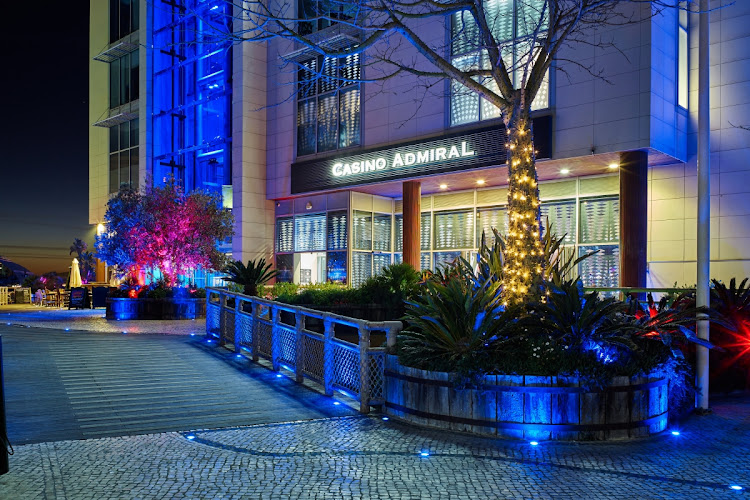
Casino Admiral Gibraltar
Find Accommodations Nearby
Recommended Tours & Activities
Visitor Reviews
There are no reviews yet. Be the first one to write one.
Share Your Experience
Have you visited South Bastion? Help other travelers by leaving a review.