

Slovak Agricultural Museum
About Slovak Agricultural Museum
Description
Ever heard of a place where you can see tractors from the time your grandparents were kids, walk inside quirky old barns, pet sheep, and maybe even ride a steam train? The Slovak Agricultural Museum is all that and then some—think nostalgia with a dusting of motor oil and the faint hum of bees. It's technically a museum, sure, but I wouldn’t put it in the same bucket as those all-white art museums with “don’t touch” signs stuck everywhere. This one has soul. It’s lively because it tells the somewhat gritty, always practical story of Slovak farming—the backbone of Slovakia’s history.
Now, I won’t sugarcoat things: it’s not as polished as glitzy capital city museums. But that’s its charm, really. The slightly rough-around-the-edges atmosphere means you get real smells, hear farmyard squawks, maybe even see a rusty gear or two still holding together from the 1940s. The exhibitions don’t just sit there; they make you think about sweat, resilience, and what it means to coax something to grow from the earth. I mean, farming hasn’t always been glamorous work, but walking these grounds is bound to make you appreciate your next loaf of bread a bit more… or at least giggle at some of the wacky inventions they’ve used over the years.
Set within expansive open-air grounds as well as several quirky inside halls, the Slovak Agricultural Museum covers everything from medieval hand tools to Communist-era machinery and modern-day sustainable farming. There’s a working windmill (yes, it spins on breezy days!), an entire village of relocated wooden barns and peasant houses—and my personal favorite, an old-school railway used to haul around freshly harvested grain. Kids seem to love it. Adults with any love for history or retro tractors get that wistful look. If you arrive expecting dull facts, you’ll be surprised: it feels more like an adventure back in time, bustling with the work and traditions of Slovak country life.
Not everything is perfect. There will be a few displays labeled only in Slovak, but the universal language of animals and vintage engines is easy enough to follow. And, hot tip—if you happen to go on a festival day, get ready for homemade cheeses, folk music, or maybe even a ride behind the museum’s dinky little train. It isn’t always clear from glossy travel mags, but this place is where Slovak history gets its hands dirty, and that’s exactly why it stands out.
Key Features
- Interactive Farmyard: Petting goats, sheep, and rabbits—because who says museums can’t be fluffy? Kids gravitate here, but even grownups have been spotted cooing at lambs (no judgment!).
- Open-Air Exposition: Historic wooden farmhouses, granaries, and barns relocated from all over Slovakia. Peek inside to see real stone hearths, century-old kitchen gear, and farming scenes frozen in time.
- Full-Steam Railway Line: A narrow-gauge steam locomotive runs circuits across the grounds on special weekends. The whistle alone is worth the visit, especially if you’ve got train-mad little ones.
- Old Machinery Collection: Dozens of lovingly preserved tractors, threshers, carts, plows, and mysterious iron contraptions. Bonus: You’re allowed to get up close and personal—sometimes even climb into the cabs!
- Working Windmill: Not just for show—the historic windmill occasionally grinds grain the old-fashioned way. When the sails turn, you know you’ve found it.
- Seasonal Workshops & Festivals: Times change, but homemade cheese-tasting, traditional bread-baking, and folk music bring the past to life throughout the season. Check before you go so you don’t miss something tasty… er, memorable.
- Museum Exhibits: Indoor halls house rotating exhibits of rural crafts, ethnography, Slovak recipes, and more. Some oddities thrown in, too—I once got lost in a hall of antique beekeeping equipment. No regrets.
- Family-Friendly Activities: Scavenger hunts, interactive learning stations, and workshops like butter-churning. Even the most skeptical city kid ends up making something with their hands.
Best Time to Visit
Look, Slovakia doesn’t mess about with its seasons. Spring and autumn bring out the museum’s best side. If you come from April to June, the wildflowers are ridiculous—like, seriously photogenic, especially sprinkled around the barns. Those in-between months are also when the festival calendar is in full swing. Autumn (September to early October) is equally magical: Harvest events, warm sun, and local apple strudel that’ll ruin other desserts for you. Just saying. The summer sees more crowds, fair enough, but also longer opening hours and reliably working outdoor attractions. I tried a winter visit once… fun, but definitely a bit raw. Unless you really love minus temperatures and the crunch of frozen straw under your boots, stick to the mild seasons.
Oh, if you can swing it, weekdays see fewer school groups. Early mornings are peaceful—just you, the wind, and a dozen curious chickens.
How to Get There
If you’ve got your own car, consider yourself lucky. There’s plenty of free parking and signs are straightforward (looks like a little barn with a windmill icon—that’s your cue!). If, like me, you’re braving Slovak public transport, you’re in for a treat. The buses from central Nitra are generally reliable, just check those timetables twice—public holidays like to mess things up. The closest bus stop is a pretty manageable walk away, maybe ten minutes, though I’ve taken longer if I stop to photograph wild poppies.
Trains get you into Nitra easily from Bratislava or other Slovak towns, but from the Nitra main station, it's either local bus lines or a breezy taxi—taxis aren’t too pricy in Nitra, but always use a reputable one. If you're cycling, there are dedicated paths most of the way, though in midsummer bring water... and maybe sunscreen, unless you want a super authentic farmer’s tan. It's totally doable as a day trip from Bratislava, and, if you've got a few family members along, can be a wallet-friendly adventure compared to pricier Euro-museum options elsewhere.
Tips for Visiting
Here’s the part where I dish the advice I wish someone had given me before wandering around in circles looking for the windmill! First off, wear comfy shoes. There’s a lot of walking—more than you bargain for, especially if you get lured down the side paths to see horse pastures or the beehive corner. Don’t wear your neatest whites; you wouldn’t be the first to meet a happy-go-lucky animal and end up wearing a bit of the farm back home.
If you’re not fluent in Slovak, no biggie. Some exhibitions have English captions, and staff are genuinely helpful (especially if you approach them with a big grin and a makeshift attempt at “Dobrý deň!”). Fancy a guided tour? Worth asking at the desk—even if they don’t have one that day, they might share some cool facts you’d otherwise miss.
Bring snacks or a packed lunch. The museum café features basic bites—sandwiches, cakes, coffee—but picnics under the orchard trees smack of absolute freedom and are kind of half the fun. Cash is still king at the food stalls during festivals, so tuck a few coins into your pocket. Oh, and camera batteries: between the weird machinery, adorable animals, and rustic old buildings, you'll want to take a lot more photos than you anticipate. Trust me, I've learned this the hard way.
Look out for unexpected events or workshops on weekends. I once stumbled into a pottery session where I made, let's be honest, the most lopsided mug in Central Europe—but it’s proudly on my desk as a reminder of the day. Kids (and adults who never grew up) can get their hands dirty and actually learn traditional crafts the old-school way.
One last practical tip: give yourself a few unhurried hours if you can. Rushing through would be like skimming the first few pages of a great book and missing the plot twist. Absorb the details, chat with the staff, wander outside the main paths. You'll leave a bit dustier but a lot richer—at least in stories and maybe even in your appreciation for the folks who keep this slice of Slovak history alive.
Key Features
- Key Features
- Best Time to Visit
- How to Get There
- Tips for Visiting
More Details
Updated June 30, 2025
Table of Contents
Description
Ever heard of a place where you can see tractors from the time your grandparents were kids, walk inside quirky old barns, pet sheep, and maybe even ride a steam train? The Slovak Agricultural Museum is all that and then some—think nostalgia with a dusting of motor oil and the faint hum of bees. It’s technically a museum, sure, but I wouldn’t put it in the same bucket as those all-white art museums with “don’t touch” signs stuck everywhere. This one has soul. It’s lively because it tells the somewhat gritty, always practical story of Slovak farming—the backbone of Slovakia’s history.
Now, I won’t sugarcoat things: it’s not as polished as glitzy capital city museums. But that’s its charm, really. The slightly rough-around-the-edges atmosphere means you get real smells, hear farmyard squawks, maybe even see a rusty gear or two still holding together from the 1940s. The exhibitions don’t just sit there; they make you think about sweat, resilience, and what it means to coax something to grow from the earth. I mean, farming hasn’t always been glamorous work, but walking these grounds is bound to make you appreciate your next loaf of bread a bit more… or at least giggle at some of the wacky inventions they’ve used over the years.
Set within expansive open-air grounds as well as several quirky inside halls, the Slovak Agricultural Museum covers everything from medieval hand tools to Communist-era machinery and modern-day sustainable farming. There’s a working windmill (yes, it spins on breezy days!), an entire village of relocated wooden barns and peasant houses—and my personal favorite, an old-school railway used to haul around freshly harvested grain. Kids seem to love it. Adults with any love for history or retro tractors get that wistful look. If you arrive expecting dull facts, you’ll be surprised: it feels more like an adventure back in time, bustling with the work and traditions of Slovak country life.
Not everything is perfect. There will be a few displays labeled only in Slovak, but the universal language of animals and vintage engines is easy enough to follow. And, hot tip—if you happen to go on a festival day, get ready for homemade cheeses, folk music, or maybe even a ride behind the museum’s dinky little train. It isn’t always clear from glossy travel mags, but this place is where Slovak history gets its hands dirty, and that’s exactly why it stands out.
Key Features
- Interactive Farmyard: Petting goats, sheep, and rabbits—because who says museums can’t be fluffy? Kids gravitate here, but even grownups have been spotted cooing at lambs (no judgment!).
- Open-Air Exposition: Historic wooden farmhouses, granaries, and barns relocated from all over Slovakia. Peek inside to see real stone hearths, century-old kitchen gear, and farming scenes frozen in time.
- Full-Steam Railway Line: A narrow-gauge steam locomotive runs circuits across the grounds on special weekends. The whistle alone is worth the visit, especially if you’ve got train-mad little ones.
- Old Machinery Collection: Dozens of lovingly preserved tractors, threshers, carts, plows, and mysterious iron contraptions. Bonus: You’re allowed to get up close and personal—sometimes even climb into the cabs!
- Working Windmill: Not just for show—the historic windmill occasionally grinds grain the old-fashioned way. When the sails turn, you know you’ve found it.
- Seasonal Workshops & Festivals: Times change, but homemade cheese-tasting, traditional bread-baking, and folk music bring the past to life throughout the season. Check before you go so you don’t miss something tasty… er, memorable.
- Museum Exhibits: Indoor halls house rotating exhibits of rural crafts, ethnography, Slovak recipes, and more. Some oddities thrown in, too—I once got lost in a hall of antique beekeeping equipment. No regrets.
- Family-Friendly Activities: Scavenger hunts, interactive learning stations, and workshops like butter-churning. Even the most skeptical city kid ends up making something with their hands.
Best Time to Visit
Look, Slovakia doesn’t mess about with its seasons. Spring and autumn bring out the museum’s best side. If you come from April to June, the wildflowers are ridiculous—like, seriously photogenic, especially sprinkled around the barns. Those in-between months are also when the festival calendar is in full swing. Autumn (September to early October) is equally magical: Harvest events, warm sun, and local apple strudel that’ll ruin other desserts for you. Just saying. The summer sees more crowds, fair enough, but also longer opening hours and reliably working outdoor attractions. I tried a winter visit once… fun, but definitely a bit raw. Unless you really love minus temperatures and the crunch of frozen straw under your boots, stick to the mild seasons.
Oh, if you can swing it, weekdays see fewer school groups. Early mornings are peaceful—just you, the wind, and a dozen curious chickens.
How to Get There
If you’ve got your own car, consider yourself lucky. There’s plenty of free parking and signs are straightforward (looks like a little barn with a windmill icon—that’s your cue!). If, like me, you’re braving Slovak public transport, you’re in for a treat. The buses from central Nitra are generally reliable, just check those timetables twice—public holidays like to mess things up. The closest bus stop is a pretty manageable walk away, maybe ten minutes, though I’ve taken longer if I stop to photograph wild poppies.
Trains get you into Nitra easily from Bratislava or other Slovak towns, but from the Nitra main station, it’s either local bus lines or a breezy taxi—taxis aren’t too pricy in Nitra, but always use a reputable one. If you’re cycling, there are dedicated paths most of the way, though in midsummer bring water… and maybe sunscreen, unless you want a super authentic farmer’s tan. It’s totally doable as a day trip from Bratislava, and, if you’ve got a few family members along, can be a wallet-friendly adventure compared to pricier Euro-museum options elsewhere.
Tips for Visiting
Here’s the part where I dish the advice I wish someone had given me before wandering around in circles looking for the windmill! First off, wear comfy shoes. There’s a lot of walking—more than you bargain for, especially if you get lured down the side paths to see horse pastures or the beehive corner. Don’t wear your neatest whites; you wouldn’t be the first to meet a happy-go-lucky animal and end up wearing a bit of the farm back home.
If you’re not fluent in Slovak, no biggie. Some exhibitions have English captions, and staff are genuinely helpful (especially if you approach them with a big grin and a makeshift attempt at “Dobrý deň!”). Fancy a guided tour? Worth asking at the desk—even if they don’t have one that day, they might share some cool facts you’d otherwise miss.
Bring snacks or a packed lunch. The museum café features basic bites—sandwiches, cakes, coffee—but picnics under the orchard trees smack of absolute freedom and are kind of half the fun. Cash is still king at the food stalls during festivals, so tuck a few coins into your pocket. Oh, and camera batteries: between the weird machinery, adorable animals, and rustic old buildings, you’ll want to take a lot more photos than you anticipate. Trust me, I’ve learned this the hard way.
Look out for unexpected events or workshops on weekends. I once stumbled into a pottery session where I made, let’s be honest, the most lopsided mug in Central Europe—but it’s proudly on my desk as a reminder of the day. Kids (and adults who never grew up) can get their hands dirty and actually learn traditional crafts the old-school way.
One last practical tip: give yourself a few unhurried hours if you can. Rushing through would be like skimming the first few pages of a great book and missing the plot twist. Absorb the details, chat with the staff, wander outside the main paths. You’ll leave a bit dustier but a lot richer—at least in stories and maybe even in your appreciation for the folks who keep this slice of Slovak history alive.
Key Highlights
- Key Features
- Best Time to Visit
- How to Get There
- Tips for Visiting
Location
Places to Stay Near Slovak Agricultural Museum
Find and Book a Tour
Explore More Travel Guides
No reviews found! Be the first to review!
Traveler Reviews for Slovak Agricultural Museum
There are no reviews yet. Be the first one to write one.
Have you visited Slovak Agricultural Museum? Help other travelers by sharing your review.
You Might Also Like
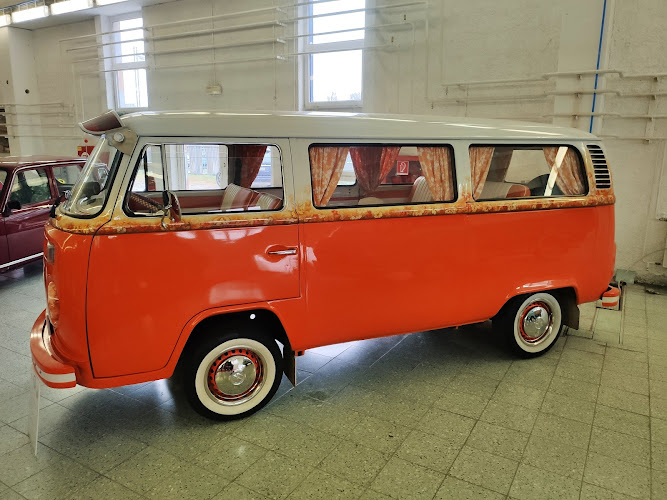
Agrokomplex - Gate B2
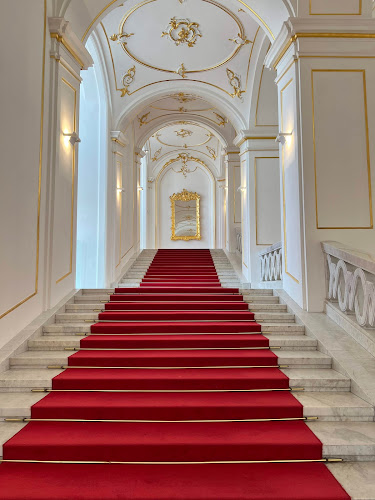
SNM – Museum of History in Bratislava

Banska Stiavnica Nativity scene
Find Accommodations Nearby
Recommended Tours & Activities
Visitor Reviews
There are no reviews yet. Be the first one to write one.
Share Your Experience
Have you visited Slovak Agricultural Museum? Help other travelers by leaving a review.