
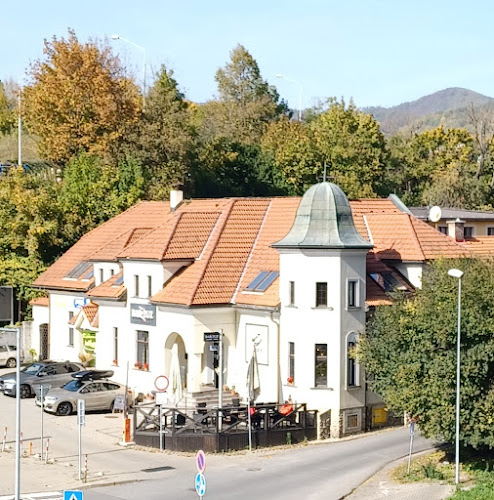
Dolná & Námestie Vajanského
About Dolná & Námestie Vajanského
Description
Dolná & Námestie Vajanského is, to me, where the heart of Banská Bystrica really skips a beat. Yes, technically it’s “just” an intersection, but honestly, it feels like more than that — it’s a node, a little living crossways loaded with history and stories. When I first strolled through, I got this slow-burn realization: this seemingly unassuming place is kind of a junction of eras. You’ve got Dolná Street, with its centuries-old buildings, converging right into Námestie Vajanského square — a transition that’s more than just physical. It’s like you’re walking through chapters of the city’s past in the space of a few paces.
You’ll find it unusually lively for a regular intersection, with streamlets of locals heading off to markets or work, students lounging near fountains, and the odd busker serenading a dozen people (or, occasionally, just a bored pigeon). One side holds refined evidence of medieval town planning, and another is all about modern city pulse. There’s a certain magic in the contrast — those timeworn facades with their chipped pastel paint boast the kind of character that no cookie-cutter shopping mall ever will.
If you’re meandering aimlessly (which, let’s be honest, is the ideal way to explore European cities), odds are you’ll cross through Dolná & Námestie Vajanského at least twice in a day. And you’ll probably spot little things missed at first glance. Take the quirky statues, or the winking murals tucked between patisseries and bookshops. Some locals use it as a rendezvous—“meet you by the clock tower” sounds so much more poetic than “see you at the intersection,” but you get the idea. Evenings, this spot can feel almost hushed, the buildings subtly glowing under street lamps; mornings, it’s that burst of commerce and community all at once.
Key Features
- Historic Architecture: You’ll catch a vivid glimpse of different styles—Gothic, Renaissance, and Baroque—within just a few storefronts and façades. Kind of like a highlight reel of Banská Bystrica’s history.
- Pedestrian-Friendly Layout: Streets here are designed to be walked, not rushed through. You can wander without dodging much heavy traffic. Just mind the occasional cyclist with somewhere urgent to be.
- Cultural Touchpoints: From art installations to commemorative plaques (admittedly, more fun if you can read a bit of Slovak), every corner has a tale or a tidbit about the past.
- Local Cafés and Bakeries: More than one little shop calls out with the scent of fresh bread or espresso. Trust me, the temptation is strong—bring change for a pastry stop.
- Events and Festivals: Sometimes, the quiet gives way to open-air performances, holiday markets, or parades. Not always on a predictable schedule, but that randomness is part of the charm.
- Convenience for Sightseeing: It’s smack in the thick of the action. Walking from here, you can easily fan out to museums, parks, or the main square.
- Public Art: There are murals and sculptures sprinkled in—the kind that spark curiosity or make you pause for a photo (or three).
- Meeting Point: Locals love to meet “under the clock” or right beside one of the prominent statues. Makes navigation a breeze for newcomers.
Best Time to Visit
So, I tend to root for shoulder seasons—April to early June, or September. Why? I’ve seen the square in all kinds of weather, and honestly, it shines best when it’s not stuffed with tour groups or sweltering under peak season sun. Spring brings out the best in the city’s gardens (plus the cherry blossoms are a riot for any Instagram fiend), and those autumn afternoons — wow, the colors take the quaintness up a notch.
If you love local buzz and don’t mind crowds, plan around key cultural events—Slovak National Uprising Day in August, for example, or the Christmas market in December if you’re into twinkly lights and hot mead. But if you’re like me, you might want to visit on a plain old Tuesday morning. That’s when you’ll actually witness the pace of real life: kids dawdling off to school, retirees huddled at a favorite café, market vendors setting up their stalls just so.
I’d skip high summer weekends if you’re crowd-shy. But hey, maybe crowds are your thing — some of my friends thrive on those packed afternoons, street musicians belting out folk songs, and a real crush of humanity under bright banners. And winter? Surprisingly cozy, especially if there’s a dusting of snow. The hot chocolate suddenly tastes twice as good.
How to Get There
Alright, confession: the first time I tried to find Dolná & Námestie Vajanského, I overshot the stop and had to double back. It’s not tricky, actually — but in Slovakia, sense of direction sometimes needs a local’s nudge. If you’re arriving by train, it’s barely a 15-minute stroll from the central station. Just follow the signs to the city center, then keep an eye out for the telltale clusters of older buildings and the distant chime of the bell tower.
For those relying on city buses, nearly every major route breezes by nearby. Look for stops labeled with “Dolná” or “Námestie SNP”—an easy jump off. I’d recommend grabbing a day-ticket; it’s cheap, and then you can hop on, off, loop around as much as your feet call for.
Driving? Parking can be a bit of a headache up close. There are a few paid lots within a block or two, but I almost always find it easier (and more fun) to ditch the car a wee bit further out and walk into the center. That way, you catch side streets and alleyways packed with tiny surprises.
Cycling? You’re in luck—bike paths lead right into the mix, and there are racks dotted all over. Just lock up well; bikes here are coveted!
Tips for Visiting
- Wear comfortable shoes. This isn’t the spot for heels or stiff dress shoes, trust me—I once paid the price in blisters. The paving stones date back decades (sometimes centuries), and the terrain likes to remind you.
- Use cash for small purchases. Many cafés and bakeries still prefer cash over card, especially for amounts under five euros. Keep some coins handy; that way you don’t miss out on the tasty stuff.
- Learn a few basic Slovak phrases. A simple “Ďakujem” (thank you) goes a long way and seems to open even the most gruff shopkeeper up to a smile.
- Take your time and linger. I once spent a whole hour on a bench just people-watching. Sometimes slow travel is the best way to soak in the spirit of a place.
- Early mornings are pure magic. If you want those postcard-like photos without a crowd, hit the square before nine. You’ll share it only with early risers and the odd delivery truck.
- Bring a reusable water bottle. Water fountains dot the area, and it’s great for your wallet (and the planet).
- Look up! Many people miss the lovely detail work—carved cornices, painted window shutters, little ironwork flourishes. Some say the best secrets are above eye-level.
- Stay aware of your surroundings. Like in any destination, petty theft can happen where crowds gather. I’ve never had trouble, but a bit of caution doesn’t hurt.
There’s something quietly compelling about Dolná & Námestie Vajanského — equal parts crossroad and common ground. It’s less about “big attractions” here, more about the sense of pause, connection, and discovery. Maybe someday you’ll find yourself tarrying here a bit longer than planned, latte or camera in hand, snagging the stories that only come out when you stand still long enough to see them. Safe travels, and don’t forget to wave at the gargoyle up on the pink house — he’s supposedly luckier if you say hello.
Key Features
- Key Features
- Best Time to Visit
- How to Get There
- Tips for Visiting
More Details
Updated July 1, 2025
Table of Contents
Description
Dolná & Námestie Vajanského is, to me, where the heart of Banská Bystrica really skips a beat. Yes, technically it’s “just” an intersection, but honestly, it feels like more than that — it’s a node, a little living crossways loaded with history and stories. When I first strolled through, I got this slow-burn realization: this seemingly unassuming place is kind of a junction of eras. You’ve got Dolná Street, with its centuries-old buildings, converging right into Námestie Vajanského square — a transition that’s more than just physical. It’s like you’re walking through chapters of the city’s past in the space of a few paces.
You’ll find it unusually lively for a regular intersection, with streamlets of locals heading off to markets or work, students lounging near fountains, and the odd busker serenading a dozen people (or, occasionally, just a bored pigeon). One side holds refined evidence of medieval town planning, and another is all about modern city pulse. There’s a certain magic in the contrast — those timeworn facades with their chipped pastel paint boast the kind of character that no cookie-cutter shopping mall ever will.
If you’re meandering aimlessly (which, let’s be honest, is the ideal way to explore European cities), odds are you’ll cross through Dolná & Námestie Vajanského at least twice in a day. And you’ll probably spot little things missed at first glance. Take the quirky statues, or the winking murals tucked between patisseries and bookshops. Some locals use it as a rendezvous—“meet you by the clock tower” sounds so much more poetic than “see you at the intersection,” but you get the idea. Evenings, this spot can feel almost hushed, the buildings subtly glowing under street lamps; mornings, it’s that burst of commerce and community all at once.
Key Features
- Historic Architecture: You’ll catch a vivid glimpse of different styles—Gothic, Renaissance, and Baroque—within just a few storefronts and façades. Kind of like a highlight reel of Banská Bystrica’s history.
- Pedestrian-Friendly Layout: Streets here are designed to be walked, not rushed through. You can wander without dodging much heavy traffic. Just mind the occasional cyclist with somewhere urgent to be.
- Cultural Touchpoints: From art installations to commemorative plaques (admittedly, more fun if you can read a bit of Slovak), every corner has a tale or a tidbit about the past.
- Local Cafés and Bakeries: More than one little shop calls out with the scent of fresh bread or espresso. Trust me, the temptation is strong—bring change for a pastry stop.
- Events and Festivals: Sometimes, the quiet gives way to open-air performances, holiday markets, or parades. Not always on a predictable schedule, but that randomness is part of the charm.
- Convenience for Sightseeing: It’s smack in the thick of the action. Walking from here, you can easily fan out to museums, parks, or the main square.
- Public Art: There are murals and sculptures sprinkled in—the kind that spark curiosity or make you pause for a photo (or three).
- Meeting Point: Locals love to meet “under the clock” or right beside one of the prominent statues. Makes navigation a breeze for newcomers.
Best Time to Visit
So, I tend to root for shoulder seasons—April to early June, or September. Why? I’ve seen the square in all kinds of weather, and honestly, it shines best when it’s not stuffed with tour groups or sweltering under peak season sun. Spring brings out the best in the city’s gardens (plus the cherry blossoms are a riot for any Instagram fiend), and those autumn afternoons — wow, the colors take the quaintness up a notch.
If you love local buzz and don’t mind crowds, plan around key cultural events—Slovak National Uprising Day in August, for example, or the Christmas market in December if you’re into twinkly lights and hot mead. But if you’re like me, you might want to visit on a plain old Tuesday morning. That’s when you’ll actually witness the pace of real life: kids dawdling off to school, retirees huddled at a favorite café, market vendors setting up their stalls just so.
I’d skip high summer weekends if you’re crowd-shy. But hey, maybe crowds are your thing — some of my friends thrive on those packed afternoons, street musicians belting out folk songs, and a real crush of humanity under bright banners. And winter? Surprisingly cozy, especially if there’s a dusting of snow. The hot chocolate suddenly tastes twice as good.
How to Get There
Alright, confession: the first time I tried to find Dolná & Námestie Vajanského, I overshot the stop and had to double back. It’s not tricky, actually — but in Slovakia, sense of direction sometimes needs a local’s nudge. If you’re arriving by train, it’s barely a 15-minute stroll from the central station. Just follow the signs to the city center, then keep an eye out for the telltale clusters of older buildings and the distant chime of the bell tower.
For those relying on city buses, nearly every major route breezes by nearby. Look for stops labeled with “Dolná” or “Námestie SNP”—an easy jump off. I’d recommend grabbing a day-ticket; it’s cheap, and then you can hop on, off, loop around as much as your feet call for.
Driving? Parking can be a bit of a headache up close. There are a few paid lots within a block or two, but I almost always find it easier (and more fun) to ditch the car a wee bit further out and walk into the center. That way, you catch side streets and alleyways packed with tiny surprises.
Cycling? You’re in luck—bike paths lead right into the mix, and there are racks dotted all over. Just lock up well; bikes here are coveted!
Tips for Visiting
- Wear comfortable shoes. This isn’t the spot for heels or stiff dress shoes, trust me—I once paid the price in blisters. The paving stones date back decades (sometimes centuries), and the terrain likes to remind you.
- Use cash for small purchases. Many cafés and bakeries still prefer cash over card, especially for amounts under five euros. Keep some coins handy; that way you don’t miss out on the tasty stuff.
- Learn a few basic Slovak phrases. A simple “Ďakujem” (thank you) goes a long way and seems to open even the most gruff shopkeeper up to a smile.
- Take your time and linger. I once spent a whole hour on a bench just people-watching. Sometimes slow travel is the best way to soak in the spirit of a place.
- Early mornings are pure magic. If you want those postcard-like photos without a crowd, hit the square before nine. You’ll share it only with early risers and the odd delivery truck.
- Bring a reusable water bottle. Water fountains dot the area, and it’s great for your wallet (and the planet).
- Look up! Many people miss the lovely detail work—carved cornices, painted window shutters, little ironwork flourishes. Some say the best secrets are above eye-level.
- Stay aware of your surroundings. Like in any destination, petty theft can happen where crowds gather. I’ve never had trouble, but a bit of caution doesn’t hurt.
There’s something quietly compelling about Dolná & Námestie Vajanského — equal parts crossroad and common ground. It’s less about “big attractions” here, more about the sense of pause, connection, and discovery. Maybe someday you’ll find yourself tarrying here a bit longer than planned, latte or camera in hand, snagging the stories that only come out when you stand still long enough to see them. Safe travels, and don’t forget to wave at the gargoyle up on the pink house — he’s supposedly luckier if you say hello.
Key Highlights
- Key Features
- Best Time to Visit
- How to Get There
- Tips for Visiting
Location
Places to Stay Near Dolná & Námestie Vajanského
Find and Book a Tour
Explore More Travel Guides
No reviews found! Be the first to review!
Traveler Reviews for Dolná & Námestie Vajanského
There are no reviews yet. Be the first one to write one.
Have you visited Dolná & Námestie Vajanského? Help other travelers by sharing your review.
You Might Also Like
Pamätník Olympionikom

Plaváreň Štiavničky

Aqualand - Plážové kúpalisko Banská Bystrica
Find Accommodations Nearby
Recommended Tours & Activities
Visitor Reviews
There are no reviews yet. Be the first one to write one.
Share Your Experience
Have you visited Dolná & Námestie Vajanského? Help other travelers by leaving a review.