
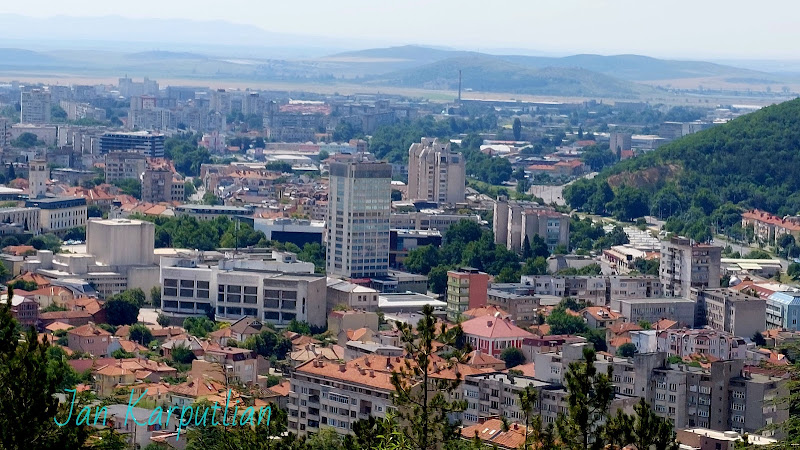
Sliven
About Sliven
Description
Sliven is a city that quietly carries the weight of history while still keeping its feet firmly planted in today’s world. Sitting in the Sliven Valley, right where the Balkan Mountains begin to rise, it’s got this rugged charm that you don’t find in the usual tourist hotspots. It’s Bulgaria’s eighth-largest city, but don’t let that number fool you — Sliven feels more like a place where locals live their lives rather than a bustling metropolis. It’s the administrative and industrial heart of Sliven Province, so there’s a mix of old and new, industry and nature, all coexisting in a way that’s pretty unique.
What really makes Sliven stand out, though, isn’t just its size or its role in the region. It’s the landscape and the stories that seep through every corner. The city is famously guarded by the “Sinite Kamani” or Blue Rocks, a dramatic rock formation that looks like nature’s own fortress. If you’re into hiking or just love a good view, these cliffs offer some jaw-dropping panoramas that’ll stick with you long after you leave.
Walking through Sliven, you’ll notice the blend of Bulgarian heritage with a sprinkle of industrial grit. The old town area has preserved some lovely architecture, with narrow streets and cozy cafes where you can sip a strong coffee and watch the world go by. The city’s history is rich — it played a significant role during the Bulgarian National Revival and has a proud tradition of craftsmanship and textile production, which shaped much of its industrial past.
And if you’re a nature lover, Sliven’s proximity to the Balkan Mountains means you’re never far from green trails, waterfalls, and fresh mountain air. The city isn’t just a place to stay; it’s a gateway to exploring a less-trodden part of Bulgaria that’s full of surprises.
Key Features
- Striking natural landmark: The Blue Rocks (Sinite Kamani) offering hiking and panoramic views
- Rich historical significance tied to Bulgarian National Revival
- Combination of industrial heritage and traditional Bulgarian culture
- Access to nearby Balkan Mountain trails and natural parks
- Charming old town with authentic cafes and local markets
- Affordable and less crowded compared to Bulgaria’s more famous cities
- Local crafts and textile history visible in museums and cultural centers
- Close-knit community vibe with friendly locals eager to share stories
Best Time to Visit
If you ask me, the best time to visit Sliven is late spring through early autumn — think May to September. That’s when the weather really shows off, warm but not stifling, perfect for trekking the Blue Rocks or wandering the city streets without freezing your toes off. Summer can get a bit hot, especially in July and August, but it’s manageable if you take your adventures early in the morning or later in the evening.
Fall is also pretty special here. The surrounding forests turn into a riot of reds, oranges, and golds, making hikes and drives around the area feel like stepping into a painting. Winters can be cold and snowy, which might be great if you’re into a quiet, off-season experience — but just be ready for shorter daylight hours and chillier temps.
How to Get There
Getting to Sliven isn’t as complicated as it might seem. If you’re coming from Sofia or Plovdiv, there are regular buses and trains that connect you directly to the city. The train ride, in particular, is quite scenic as it snakes through the Bulgarian countryside and foothills of the Balkans.
If you prefer flying, the nearest major airports are in Burgas and Varna, both about a 1.5 to 2-hour drive away. Renting a car from those airports is a solid choice if you want the freedom to explore the surrounding nature spots at your own pace. And honestly, driving through the Balkan foothills is a treat in itself — winding roads, sleepy villages, and plenty of spots to pull over and just breathe it all in.
Once in Sliven, the city is quite walkable, especially around the center and old town. For the Blue Rocks and other natural sites, local taxis or organized tours can get you there without fuss.
Tips for Visiting
Here’s a bit of advice from someone who’s spent a fair share of time wandering through Sliven and its surroundings. First, don’t rush. This isn’t a place to tick off quickly. Take your time exploring the old town streets, chat with locals in the cafes, and soak up the slower pace. You might stumble upon a small artisan shop or a family-run bakery that serves the best banitsa you’ll ever taste.
When you’re heading out to the Blue Rocks, pack good shoes and a water bottle — the trails can get rocky and the sun can sneak up on you. And don’t be shy about asking locals for directions or tips; Bulgarians in Sliven are generally warm and proud of their home, happy to point you to hidden gems not found in guidebooks.
Also, try to catch any local events or festivals if your timing lines up. Sliven has a few cultural happenings throughout the year that showcase traditional music, dance, and crafts — a fantastic way to dive deeper into the local vibe.
Lastly, don’t overlook the food scene. It’s not flashy, but it’s honest and hearty. From grilled meats to fresh dairy and homemade bread, the flavors here tell stories of the land and its people. And if you’re into wine, Bulgaria’s vineyards aren’t far away, so pairing your meals with a local bottle can really elevate the experience.
So, whether you’re a history buff, a nature seeker, or just someone looking for a destination that feels a little off the beaten path, Sliven has a way of sneaking into your heart. It’s not perfect — some parts bear the marks of industrial wear, and the city’s pace might feel slow if you’re used to bigger urban centers — but that’s part of its charm. It’s real, it’s grounded, and it’s waiting for you to discover it in your own way.
Key Features
- Striking natural landmark: The Blue Rocks (Sinite Kamani) offering hiking and panoramic views
- Rich historical significance tied to Bulgarian National Revival
- Combination of industrial heritage and traditional Bulgarian culture
- Access to nearby Balkan Mountain trails and natural parks
- Charming old town with authentic cafes and local markets
- Affordable and less crowded compared to Bulgaria’s more famous cities
- Local crafts and textile history visible in museums and cultural centers
- Close-knit community vibe with friendly locals eager to share stories
More Details
Updated July 15, 2025
Table of Contents
Description
Sliven is a city that quietly carries the weight of history while still keeping its feet firmly planted in today’s world. Sitting in the Sliven Valley, right where the Balkan Mountains begin to rise, it’s got this rugged charm that you don’t find in the usual tourist hotspots. It’s Bulgaria’s eighth-largest city, but don’t let that number fool you — Sliven feels more like a place where locals live their lives rather than a bustling metropolis. It’s the administrative and industrial heart of Sliven Province, so there’s a mix of old and new, industry and nature, all coexisting in a way that’s pretty unique.
What really makes Sliven stand out, though, isn’t just its size or its role in the region. It’s the landscape and the stories that seep through every corner. The city is famously guarded by the “Sinite Kamani” or Blue Rocks, a dramatic rock formation that looks like nature’s own fortress. If you’re into hiking or just love a good view, these cliffs offer some jaw-dropping panoramas that’ll stick with you long after you leave.
Walking through Sliven, you’ll notice the blend of Bulgarian heritage with a sprinkle of industrial grit. The old town area has preserved some lovely architecture, with narrow streets and cozy cafes where you can sip a strong coffee and watch the world go by. The city’s history is rich — it played a significant role during the Bulgarian National Revival and has a proud tradition of craftsmanship and textile production, which shaped much of its industrial past.
And if you’re a nature lover, Sliven’s proximity to the Balkan Mountains means you’re never far from green trails, waterfalls, and fresh mountain air. The city isn’t just a place to stay; it’s a gateway to exploring a less-trodden part of Bulgaria that’s full of surprises.
Key Features
- Striking natural landmark: The Blue Rocks (Sinite Kamani) offering hiking and panoramic views
- Rich historical significance tied to Bulgarian National Revival
- Combination of industrial heritage and traditional Bulgarian culture
- Access to nearby Balkan Mountain trails and natural parks
- Charming old town with authentic cafes and local markets
- Affordable and less crowded compared to Bulgaria’s more famous cities
- Local crafts and textile history visible in museums and cultural centers
- Close-knit community vibe with friendly locals eager to share stories
Best Time to Visit
If you ask me, the best time to visit Sliven is late spring through early autumn — think May to September. That’s when the weather really shows off, warm but not stifling, perfect for trekking the Blue Rocks or wandering the city streets without freezing your toes off. Summer can get a bit hot, especially in July and August, but it’s manageable if you take your adventures early in the morning or later in the evening.
Fall is also pretty special here. The surrounding forests turn into a riot of reds, oranges, and golds, making hikes and drives around the area feel like stepping into a painting. Winters can be cold and snowy, which might be great if you’re into a quiet, off-season experience — but just be ready for shorter daylight hours and chillier temps.
How to Get There
Getting to Sliven isn’t as complicated as it might seem. If you’re coming from Sofia or Plovdiv, there are regular buses and trains that connect you directly to the city. The train ride, in particular, is quite scenic as it snakes through the Bulgarian countryside and foothills of the Balkans.
If you prefer flying, the nearest major airports are in Burgas and Varna, both about a 1.5 to 2-hour drive away. Renting a car from those airports is a solid choice if you want the freedom to explore the surrounding nature spots at your own pace. And honestly, driving through the Balkan foothills is a treat in itself — winding roads, sleepy villages, and plenty of spots to pull over and just breathe it all in.
Once in Sliven, the city is quite walkable, especially around the center and old town. For the Blue Rocks and other natural sites, local taxis or organized tours can get you there without fuss.
Tips for Visiting
Here’s a bit of advice from someone who’s spent a fair share of time wandering through Sliven and its surroundings. First, don’t rush. This isn’t a place to tick off quickly. Take your time exploring the old town streets, chat with locals in the cafes, and soak up the slower pace. You might stumble upon a small artisan shop or a family-run bakery that serves the best banitsa you’ll ever taste.
When you’re heading out to the Blue Rocks, pack good shoes and a water bottle — the trails can get rocky and the sun can sneak up on you. And don’t be shy about asking locals for directions or tips; Bulgarians in Sliven are generally warm and proud of their home, happy to point you to hidden gems not found in guidebooks.
Also, try to catch any local events or festivals if your timing lines up. Sliven has a few cultural happenings throughout the year that showcase traditional music, dance, and crafts — a fantastic way to dive deeper into the local vibe.
Lastly, don’t overlook the food scene. It’s not flashy, but it’s honest and hearty. From grilled meats to fresh dairy and homemade bread, the flavors here tell stories of the land and its people. And if you’re into wine, Bulgaria’s vineyards aren’t far away, so pairing your meals with a local bottle can really elevate the experience.
So, whether you’re a history buff, a nature seeker, or just someone looking for a destination that feels a little off the beaten path, Sliven has a way of sneaking into your heart. It’s not perfect — some parts bear the marks of industrial wear, and the city’s pace might feel slow if you’re used to bigger urban centers — but that’s part of its charm. It’s real, it’s grounded, and it’s waiting for you to discover it in your own way.
Key Highlights
- Striking natural landmark: The Blue Rocks (Sinite Kamani) offering hiking and panoramic views
- Rich historical significance tied to Bulgarian National Revival
- Combination of industrial heritage and traditional Bulgarian culture
- Access to nearby Balkan Mountain trails and natural parks
- Charming old town with authentic cafes and local markets
- Affordable and less crowded compared to Bulgaria’s more famous cities
- Local crafts and textile history visible in museums and cultural centers
- Close-knit community vibe with friendly locals eager to share stories
Location
Places to Stay Near Sliven
Find and Book a Tour
Explore More Travel Guides
No reviews found! Be the first to review!
Traveler Reviews for Sliven
There are no reviews yet. Be the first one to write one.
Have you visited Sliven? Help other travelers by sharing your review.
You Might Also Like

Karandila View spot
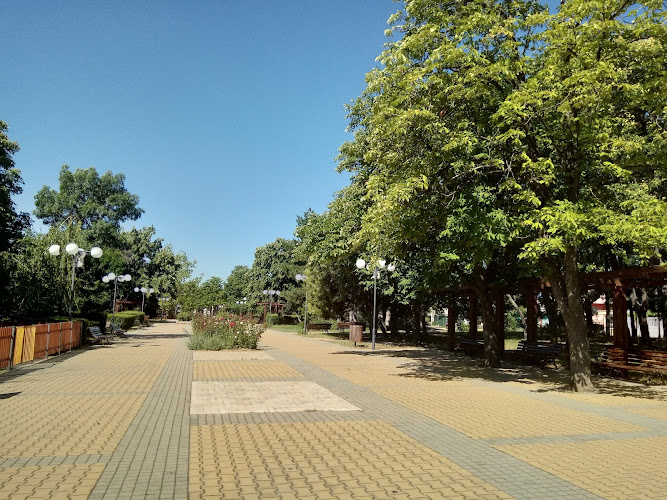
Парк

Visit Bulgaria Bespoke Tours & Activities
Find Accommodations Nearby
Recommended Tours & Activities
Visitor Reviews
There are no reviews yet. Be the first one to write one.
Share Your Experience
Have you visited Sliven? Help other travelers by leaving a review.