
Site of Kudara-ji
About Site of Kudara-ji
Description
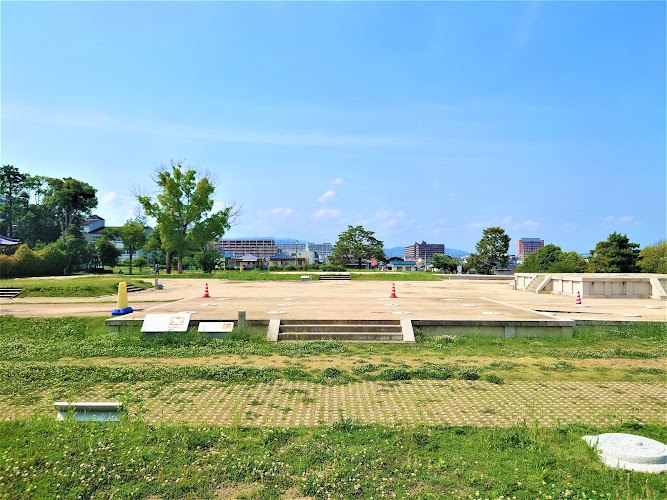
The Site of Kudara-ji is one of those places that doesn’t shout for attention. It kind of whispers. And if you’re the sort of traveler who likes listening—really listening—to history, this spot will get under your skin in a good way. Once the location of an ancient Buddhist temple tied to Baekje (Kudara) immigrants from the Korean Peninsula, Kudara-ji sits quietly today, marked more by memory and atmosphere than by towering buildings or flashy displays.
This is not a “wow in five minutes” attraction. You won’t find massive halls or reconstructed pagodas. What you’ll find instead is a low-key archaeological site, grassy grounds, stone markers, and that unmistakable feeling that something important once happened here. And honestly, I like that. It asks you to slow down. To imagine. To fill in the blanks yourself. I remember visiting on a cloudy afternoon, expecting to breeze through, but ended up pacing back and forth, rereading the plaques, trying to picture monks walking where I was standing.
Kudara-ji is believed to date back to the 7th century, a period when Buddhism was still relatively new in Japan. The temple was associated with immigrants from Baekje, one of the ancient Korean kingdoms, who brought advanced knowledge of architecture, religion, and culture. That alone makes this site fascinating. It’s not just Japanese history; it’s shared East Asian history, layered and complicated and human.
Some visitors walk away feeling underwhelmed, and I get it. If you expect dramatic ruins, you might be scratching your head. But others, myself included, appreciate its subtlety. The place feels honest. No over-polishing, no forced storytelling. Just traces of the past, left out in the open. And yes, it’s good for kids, especially if you frame it as a time-travel exercise rather than a sightseeing checklist.
Key Features
- Archaeological remains marking the former grounds of an ancient Buddhist temple
- Historical connection to Baekje (Kudara) immigrants and early Buddhism in Japan
- Stone markers and informational signs explaining the layout and significance
- Open-air site with grassy areas, ideal for slow exploration
- Peaceful atmosphere that encourages reflection rather than rushing
- Suitable for children who enjoy history told through stories and imagination
One thing I noticed is how the layout kind of forces you to think spatially. You’re standing where a main hall might’ve been, then a few steps later, you’re at what was likely a pagoda site. There’s no full reconstruction, which some people dislike, but I found it refreshing. It respects the intelligence of the visitor. And maybe I’m biased because I once took a class on ancient temple layouts and finally got to see one “in the wild,” so to speak.
Best Time to Visit
The best time to visit the Site of Kudara-ji is during spring or autumn. Spring brings mild weather and soft greenery, while autumn adds a layer of quiet drama with changing leaves. Summer can be a bit rough, especially if humidity is not your friend. There’s limited shade, and you’ll feel it after a while. Winter, on the other hand, is calm and almost meditative, but cold winds can cut your visit short if you’re not dressed properly.
I visited once in late October, and it was nearly perfect. Cool air, hardly any other visitors, and the grass had that golden tone that makes everything feel slightly nostalgic. Early mornings are especially nice. Fewer people, softer light, and more room to let your thoughts wander. If you come midday, especially on weekends, expect a bit more foot traffic, though it never feels crowded in the usual touristy sense.
And here’s a small, maybe odd tip: overcast days work well here. Bright sunshine is great for photos, sure, but cloudy skies somehow match the mood of the place better. It’s easier to imagine centuries passing when the light is muted. Just my two cents.
How to Get There
Getting to the Site of Kudara-ji requires a bit of intention, which I think actually adds to its charm. It’s not one of those places you accidentally stumble upon between shopping streets. Most travelers will combine it with other historical spots in the area, and that’s a smart move.
Public transportation will get you most of the way, usually followed by a short walk. The walk itself is part of the experience—quiet streets, local houses, and the sense that you’re leaving modern noise behind. If you’re driving, parking is available nearby, though it’s basic. No flashy visitor center here, just functional space to leave your car and head into history.
One thing to note, and it’s important: the site is not wheelchair accessible. Paths are uneven, and the layout isn’t designed with modern accessibility standards in mind. That can be frustrating, and it’s worth knowing ahead of time so you can plan accordingly or decide if it fits your travel needs.
I remember missing a turn the first time I went and ending up chatting with a local resident who pointed me in the right direction. That little interaction stuck with me more than a perfect GPS route would’ve. So yeah, give yourself extra time. Getting slightly lost isn’t the worst thing.
Tips for Visiting
If you’re planning a visit to Kudara-ji, a little preparation goes a long way. This isn’t a site that holds your hand, so the more context you bring, the richer the experience.
First, read a bit about Baekje and early Japanese Buddhism before you go. Even a quick overview makes the stone markers and layout click into place. I once visited without much prep and thought, “Okay, nice field.” The second time, armed with more knowledge, it felt completely different.
Wear comfortable shoes. The ground is uneven, and you’ll be walking more than you expect if you’re trying to piece together the temple’s original layout. There aren’t many benches either, so be ready to stand and wander.
Bring water, especially in warmer months. There are no vendors inside the site. It’s quiet, self-contained, and very much not commercialized. That’s part of the appeal, but it also means you need to be self-sufficient.
If you’re visiting with kids, turn it into a story. Ask them where they think monks lived, or how people might have prayed here 1,300 years ago. I’ve seen kids get surprisingly into it when adults frame it as a mystery rather than a lesson.
Photography is fine, but this isn’t Instagram bait. And that’s okay. Take a few shots, then put the camera away. Sit for a moment. Listen to the wind. Sounds cheesy, I know, but it works here.
Lastly, manage your expectations. Kudara-ji is subtle. It doesn’t compete with grand temples or famous shrines, and it doesn’t try to. If you go in expecting drama, you might leave confused. But if you’re open to quiet history, shared cultural roots, and a slower pace, this place can be surprisingly powerful.
And one more thing—I always tell friends this—pair it with another nearby historical site or museum if you want a fuller day. Kudara-ji on its own is not an all-day affair. It’s more like a thoughtful chapter in a longer story. And honestly, that’s exactly what makes it worth your time.
Key Features
- Archaeological remains marking the former grounds of an ancient Buddhist temple
- Historical connection to Baekje (Kudara) immigrants and early Buddhism in Japan
- Stone markers and informational signs explaining the layout and significance
- Open-air site with grassy areas, ideal for slow exploration
- Peaceful atmosphere that encourages reflection rather than rushing
- Suitable for children who enjoy history told through stories and imagination
More Details
Updated December 31, 2025
Table of Contents
Description
The Site of Kudara-ji is one of those places that doesn’t shout for attention. It kind of whispers. And if you’re the sort of traveler who likes listening—really listening—to history, this spot will get under your skin in a good way. Once the location of an ancient Buddhist temple tied to Baekje (Kudara) immigrants from the Korean Peninsula, Kudara-ji sits quietly today, marked more by memory and atmosphere than by towering buildings or flashy displays.
This is not a “wow in five minutes” attraction. You won’t find massive halls or reconstructed pagodas. What you’ll find instead is a low-key archaeological site, grassy grounds, stone markers, and that unmistakable feeling that something important once happened here. And honestly, I like that. It asks you to slow down. To imagine. To fill in the blanks yourself. I remember visiting on a cloudy afternoon, expecting to breeze through, but ended up pacing back and forth, rereading the plaques, trying to picture monks walking where I was standing.
Kudara-ji is believed to date back to the 7th century, a period when Buddhism was still relatively new in Japan. The temple was associated with immigrants from Baekje, one of the ancient Korean kingdoms, who brought advanced knowledge of architecture, religion, and culture. That alone makes this site fascinating. It’s not just Japanese history; it’s shared East Asian history, layered and complicated and human.
Some visitors walk away feeling underwhelmed, and I get it. If you expect dramatic ruins, you might be scratching your head. But others, myself included, appreciate its subtlety. The place feels honest. No over-polishing, no forced storytelling. Just traces of the past, left out in the open. And yes, it’s good for kids, especially if you frame it as a time-travel exercise rather than a sightseeing checklist.
Key Features
- Archaeological remains marking the former grounds of an ancient Buddhist temple
- Historical connection to Baekje (Kudara) immigrants and early Buddhism in Japan
- Stone markers and informational signs explaining the layout and significance
- Open-air site with grassy areas, ideal for slow exploration
- Peaceful atmosphere that encourages reflection rather than rushing
- Suitable for children who enjoy history told through stories and imagination
One thing I noticed is how the layout kind of forces you to think spatially. You’re standing where a main hall might’ve been, then a few steps later, you’re at what was likely a pagoda site. There’s no full reconstruction, which some people dislike, but I found it refreshing. It respects the intelligence of the visitor. And maybe I’m biased because I once took a class on ancient temple layouts and finally got to see one “in the wild,” so to speak.
Best Time to Visit
The best time to visit the Site of Kudara-ji is during spring or autumn. Spring brings mild weather and soft greenery, while autumn adds a layer of quiet drama with changing leaves. Summer can be a bit rough, especially if humidity is not your friend. There’s limited shade, and you’ll feel it after a while. Winter, on the other hand, is calm and almost meditative, but cold winds can cut your visit short if you’re not dressed properly.
I visited once in late October, and it was nearly perfect. Cool air, hardly any other visitors, and the grass had that golden tone that makes everything feel slightly nostalgic. Early mornings are especially nice. Fewer people, softer light, and more room to let your thoughts wander. If you come midday, especially on weekends, expect a bit more foot traffic, though it never feels crowded in the usual touristy sense.
And here’s a small, maybe odd tip: overcast days work well here. Bright sunshine is great for photos, sure, but cloudy skies somehow match the mood of the place better. It’s easier to imagine centuries passing when the light is muted. Just my two cents.
How to Get There
Getting to the Site of Kudara-ji requires a bit of intention, which I think actually adds to its charm. It’s not one of those places you accidentally stumble upon between shopping streets. Most travelers will combine it with other historical spots in the area, and that’s a smart move.
Public transportation will get you most of the way, usually followed by a short walk. The walk itself is part of the experience—quiet streets, local houses, and the sense that you’re leaving modern noise behind. If you’re driving, parking is available nearby, though it’s basic. No flashy visitor center here, just functional space to leave your car and head into history.
One thing to note, and it’s important: the site is not wheelchair accessible. Paths are uneven, and the layout isn’t designed with modern accessibility standards in mind. That can be frustrating, and it’s worth knowing ahead of time so you can plan accordingly or decide if it fits your travel needs.
I remember missing a turn the first time I went and ending up chatting with a local resident who pointed me in the right direction. That little interaction stuck with me more than a perfect GPS route would’ve. So yeah, give yourself extra time. Getting slightly lost isn’t the worst thing.
Tips for Visiting
If you’re planning a visit to Kudara-ji, a little preparation goes a long way. This isn’t a site that holds your hand, so the more context you bring, the richer the experience.
First, read a bit about Baekje and early Japanese Buddhism before you go. Even a quick overview makes the stone markers and layout click into place. I once visited without much prep and thought, “Okay, nice field.” The second time, armed with more knowledge, it felt completely different.
Wear comfortable shoes. The ground is uneven, and you’ll be walking more than you expect if you’re trying to piece together the temple’s original layout. There aren’t many benches either, so be ready to stand and wander.
Bring water, especially in warmer months. There are no vendors inside the site. It’s quiet, self-contained, and very much not commercialized. That’s part of the appeal, but it also means you need to be self-sufficient.
If you’re visiting with kids, turn it into a story. Ask them where they think monks lived, or how people might have prayed here 1,300 years ago. I’ve seen kids get surprisingly into it when adults frame it as a mystery rather than a lesson.
Photography is fine, but this isn’t Instagram bait. And that’s okay. Take a few shots, then put the camera away. Sit for a moment. Listen to the wind. Sounds cheesy, I know, but it works here.
Lastly, manage your expectations. Kudara-ji is subtle. It doesn’t compete with grand temples or famous shrines, and it doesn’t try to. If you go in expecting drama, you might leave confused. But if you’re open to quiet history, shared cultural roots, and a slower pace, this place can be surprisingly powerful.
And one more thing—I always tell friends this—pair it with another nearby historical site or museum if you want a fuller day. Kudara-ji on its own is not an all-day affair. It’s more like a thoughtful chapter in a longer story. And honestly, that’s exactly what makes it worth your time.
Key Highlights
- Archaeological remains marking the former grounds of an ancient Buddhist temple
- Historical connection to Baekje (Kudara) immigrants and early Buddhism in Japan
- Stone markers and informational signs explaining the layout and significance
- Open-air site with grassy areas, ideal for slow exploration
- Peaceful atmosphere that encourages reflection rather than rushing
- Suitable for children who enjoy history told through stories and imagination
Location
Places to Stay Near Site of Kudara-ji
Find and Book a Tour
Explore More Travel Guides
No reviews found! Be the first to review!
Traveler Reviews for Site of Kudara-ji
There are no reviews yet. Be the first one to write one.
Have you visited Site of Kudara-ji? Help other travelers by sharing your review.
You Might Also Like
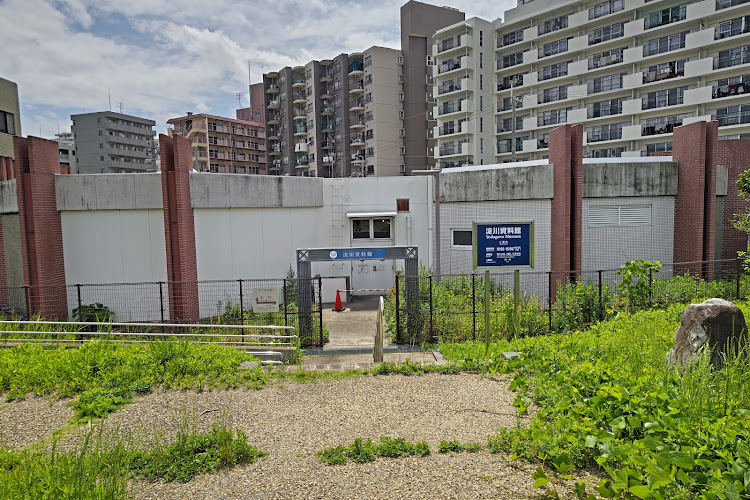
Yodogawa Museum
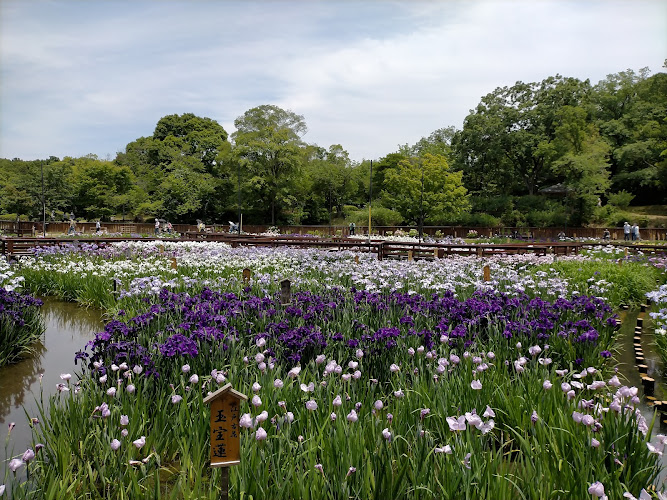
Yamadaike Park
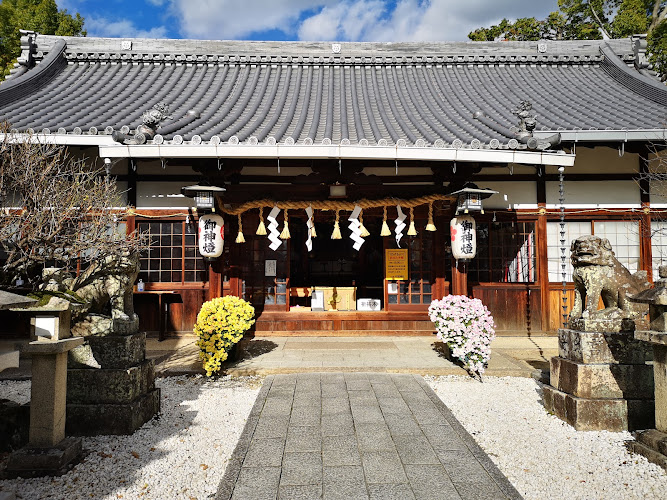
Katano Shrine
Find Accommodations Nearby
Recommended Tours & Activities
Visitor Reviews
There are no reviews yet. Be the first one to write one.
Share Your Experience
Have you visited Site of Kudara-ji? Help other travelers by leaving a review.