

Okami Shrine
About Okami Shrine
There’s a certain kind of quiet that settles over you when you arrive at Okami Shrine. Not the postcard kind of quiet, but the real, honest one. The kind where your footsteps sound louder than expected and you suddenly realize you’ve slowed down without meaning to. Travelers often talk about “finding peace” in Japan, and honestly, I roll my eyes at that phrase. But here? I sort of get it.
Description
Okami Shrine is a Shinto shrine that feels deeply rooted in its surroundings, both spiritually and physically. It’s not flashy. It doesn’t scream for attention. And maybe that’s exactly why it sticks with people long after they’ve left. The approach is defined by stairs, and yes, you’ll feel them in your legs. But climbing them feels like part of the ritual, even if you didn’t come here for religious reasons.
The shrine grounds have a slightly weathered look, which I personally love. Too many places polish history until it feels fake. Okami Shrine hasn’t done that. Wood darkened by time, stone worn smooth by countless hands, and little details you only notice if you stop rushing. And you should stop rushing. This isn’t a place to power-walk through with a checklist.
What stands out is the balance. It’s clearly a tourist attraction, but it hasn’t tipped over into theme-park territory. You’ll see locals come by quietly, maybe bow once, clap, and leave. Tourists linger longer, reading plaques, taking photos, whispering questions to each other. Somehow, both groups coexist without friction.
I remember visiting on a slightly overcast afternoon. No dramatic sunset, no festival banners. Just grey clouds and the faint smell of damp earth. And still, it felt right. That’s a good sign. Places that only look good under perfect conditions usually don’t have much soul.
Key Features
- Traditional Shinto architecture with aged wooden structures that feel authentic, not restored into oblivion
- A long staircase approach that doubles as a quiet moment of mental preparation
- Stone lanterns and guardian elements that reward slow observation
- A peaceful atmosphere that remains even during busier hours
- Clear separation between sacred spaces and visitor paths, which helps maintain respect
- Photo-friendly angles without feeling like a staged backdrop
- A layout that encourages wandering rather than a strict one-way route
And yes, those stairs deserve another mention. They’re not brutal, but they’re enough to make you pause. I watched a couple ahead of me stop halfway, laugh, and pretend they totally meant to rest right there. It’s that kind of place. No judgment.
Best Time to Visit
If you ask ten people, you’ll get ten different answers, but here’s my take. Early morning is magic, and I don’t say that lightly. There’s something about being there before the day fully wakes up. Fewer voices, fewer cameras, more space to breathe. If you can manage to arrive shortly after opening hours, do it. You won’t regret the lost sleep.
Late afternoon is a close second. The light softens, shadows stretch across the grounds, and the shrine seems to exhale a bit. It’s less about ticking boxes and more about lingering. Midday, especially on weekends or holidays, is busier. Still manageable, but you’ll notice more chatter and less silence.
Season-wise, spring and autumn are popular for obvious reasons. Mild temperatures, changing scenery, and comfortable walking conditions. Summer can be humid, and those stairs feel longer when the air sticks to your skin. Winter is quieter, colder, and honestly kind of beautiful in its own restrained way. Just dress properly. Cold toes ruin even the most spiritual experience.
One small note: avoid visiting in a rush between other attractions. This shrine rewards time. Even 30 extra minutes makes a difference.
How to Get There
Getting to Okami Shrine is fairly straightforward if you’re already comfortable navigating public transport in Japan. Trains and buses get you close enough, and from there it’s a walk. That walk is part of the experience, by the way. You’ll likely pass residential streets or quieter areas, which helps ease you out of travel mode and into something calmer.
If you’re driving, be aware that parking options are limited. It’s not designed for heavy car traffic, and that’s intentional. Plan ahead, and don’t assume there’ll be a convenient spot right at the entrance. Walking the final stretch is unavoidable anyway.
Once you spot the approach, you’ll know you’re in the right place. The stairs are your confirmation. And yes, again with the stairs. They really are the gateway, physically and mentally.
Tips for Visiting
First, wear shoes you actually like walking in. This sounds obvious, but I’ve seen too many travelers suffer in stylish but unforgiving footwear. The stairs, the paths, the standing around—it adds up.
Second, take a moment to observe before doing anything. Watch how others behave. When they bow, where they stop, how they move. You don’t need to be perfect, but a little awareness goes a long way. Respect is felt here, not enforced.
Third, don’t rush the photos. Or better yet, take fewer than you think you need. I used to document everything, and now half those photos just sit forgotten on my phone. What I remember are the moments I didn’t photograph. Like the sound of wind moving through the trees or the way the air felt cooler near the main hall.
Accessibility is limited, and that’s important to know ahead of time. The stairs and uneven surfaces make it challenging for visitors with mobility issues. If that’s a concern, plan carefully and don’t feel bad about adjusting expectations. This shrine isn’t going anywhere.
Lastly, allow yourself to feel a little awkward. You’re in a sacred space that might not be part of your own cultural background. That’s okay. Curiosity mixed with humility is a good combination. And if you leave feeling calmer than when you arrived, even just slightly, then the visit did its job.
Okami Shrine doesn’t try to impress you. It doesn’t need to. It just waits, quietly, for those willing to climb the stairs and slow down enough to notice what’s been there all along.
Key Features
- Traditional Shinto architecture with aged wooden structures that feel authentic, not restored into oblivion
- A long staircase approach that doubles as a quiet moment of mental preparation
- Stone lanterns and guardian elements that reward slow observation
- A peaceful atmosphere that remains even during busier hours
- Clear separation between sacred spaces and visitor paths, which helps maintain respect
- Photo-friendly angles without feeling like a staged backdrop
- A layout that encourages wandering rather than a strict one-way route
More Details
Updated December 31, 2025
There’s a certain kind of quiet that settles over you when you arrive at Okami Shrine. Not the postcard kind of quiet, but the real, honest one. The kind where your footsteps sound louder than expected and you suddenly realize you’ve slowed down without meaning to. Travelers often talk about “finding peace” in Japan, and honestly, I roll my eyes at that phrase. But here? I sort of get it.
Table of Contents
Description
Okami Shrine is a Shinto shrine that feels deeply rooted in its surroundings, both spiritually and physically. It’s not flashy. It doesn’t scream for attention. And maybe that’s exactly why it sticks with people long after they’ve left. The approach is defined by stairs, and yes, you’ll feel them in your legs. But climbing them feels like part of the ritual, even if you didn’t come here for religious reasons.
The shrine grounds have a slightly weathered look, which I personally love. Too many places polish history until it feels fake. Okami Shrine hasn’t done that. Wood darkened by time, stone worn smooth by countless hands, and little details you only notice if you stop rushing. And you should stop rushing. This isn’t a place to power-walk through with a checklist.
What stands out is the balance. It’s clearly a tourist attraction, but it hasn’t tipped over into theme-park territory. You’ll see locals come by quietly, maybe bow once, clap, and leave. Tourists linger longer, reading plaques, taking photos, whispering questions to each other. Somehow, both groups coexist without friction.
I remember visiting on a slightly overcast afternoon. No dramatic sunset, no festival banners. Just grey clouds and the faint smell of damp earth. And still, it felt right. That’s a good sign. Places that only look good under perfect conditions usually don’t have much soul.
Key Features
- Traditional Shinto architecture with aged wooden structures that feel authentic, not restored into oblivion
- A long staircase approach that doubles as a quiet moment of mental preparation
- Stone lanterns and guardian elements that reward slow observation
- A peaceful atmosphere that remains even during busier hours
- Clear separation between sacred spaces and visitor paths, which helps maintain respect
- Photo-friendly angles without feeling like a staged backdrop
- A layout that encourages wandering rather than a strict one-way route
And yes, those stairs deserve another mention. They’re not brutal, but they’re enough to make you pause. I watched a couple ahead of me stop halfway, laugh, and pretend they totally meant to rest right there. It’s that kind of place. No judgment.
Best Time to Visit
If you ask ten people, you’ll get ten different answers, but here’s my take. Early morning is magic, and I don’t say that lightly. There’s something about being there before the day fully wakes up. Fewer voices, fewer cameras, more space to breathe. If you can manage to arrive shortly after opening hours, do it. You won’t regret the lost sleep.
Late afternoon is a close second. The light softens, shadows stretch across the grounds, and the shrine seems to exhale a bit. It’s less about ticking boxes and more about lingering. Midday, especially on weekends or holidays, is busier. Still manageable, but you’ll notice more chatter and less silence.
Season-wise, spring and autumn are popular for obvious reasons. Mild temperatures, changing scenery, and comfortable walking conditions. Summer can be humid, and those stairs feel longer when the air sticks to your skin. Winter is quieter, colder, and honestly kind of beautiful in its own restrained way. Just dress properly. Cold toes ruin even the most spiritual experience.
One small note: avoid visiting in a rush between other attractions. This shrine rewards time. Even 30 extra minutes makes a difference.
How to Get There
Getting to Okami Shrine is fairly straightforward if you’re already comfortable navigating public transport in Japan. Trains and buses get you close enough, and from there it’s a walk. That walk is part of the experience, by the way. You’ll likely pass residential streets or quieter areas, which helps ease you out of travel mode and into something calmer.
If you’re driving, be aware that parking options are limited. It’s not designed for heavy car traffic, and that’s intentional. Plan ahead, and don’t assume there’ll be a convenient spot right at the entrance. Walking the final stretch is unavoidable anyway.
Once you spot the approach, you’ll know you’re in the right place. The stairs are your confirmation. And yes, again with the stairs. They really are the gateway, physically and mentally.
Tips for Visiting
First, wear shoes you actually like walking in. This sounds obvious, but I’ve seen too many travelers suffer in stylish but unforgiving footwear. The stairs, the paths, the standing around—it adds up.
Second, take a moment to observe before doing anything. Watch how others behave. When they bow, where they stop, how they move. You don’t need to be perfect, but a little awareness goes a long way. Respect is felt here, not enforced.
Third, don’t rush the photos. Or better yet, take fewer than you think you need. I used to document everything, and now half those photos just sit forgotten on my phone. What I remember are the moments I didn’t photograph. Like the sound of wind moving through the trees or the way the air felt cooler near the main hall.
Accessibility is limited, and that’s important to know ahead of time. The stairs and uneven surfaces make it challenging for visitors with mobility issues. If that’s a concern, plan carefully and don’t feel bad about adjusting expectations. This shrine isn’t going anywhere.
Lastly, allow yourself to feel a little awkward. You’re in a sacred space that might not be part of your own cultural background. That’s okay. Curiosity mixed with humility is a good combination. And if you leave feeling calmer than when you arrived, even just slightly, then the visit did its job.
Okami Shrine doesn’t try to impress you. It doesn’t need to. It just waits, quietly, for those willing to climb the stairs and slow down enough to notice what’s been there all along.
Key Highlights
- Traditional Shinto architecture with aged wooden structures that feel authentic, not restored into oblivion
- A long staircase approach that doubles as a quiet moment of mental preparation
- Stone lanterns and guardian elements that reward slow observation
- A peaceful atmosphere that remains even during busier hours
- Clear separation between sacred spaces and visitor paths, which helps maintain respect
- Photo-friendly angles without feeling like a staged backdrop
- A layout that encourages wandering rather than a strict one-way route
Location
Places to Stay Near Okami Shrine
Find and Book a Tour
Explore More Travel Guides
No reviews found! Be the first to review!
Traveler Reviews for Okami Shrine
There are no reviews yet. Be the first one to write one.
Have you visited Okami Shrine? Help other travelers by sharing your review.
You Might Also Like
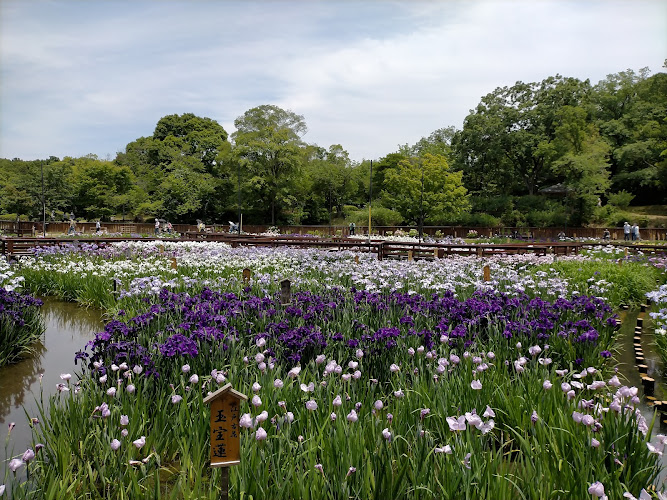
Yamadaike Park
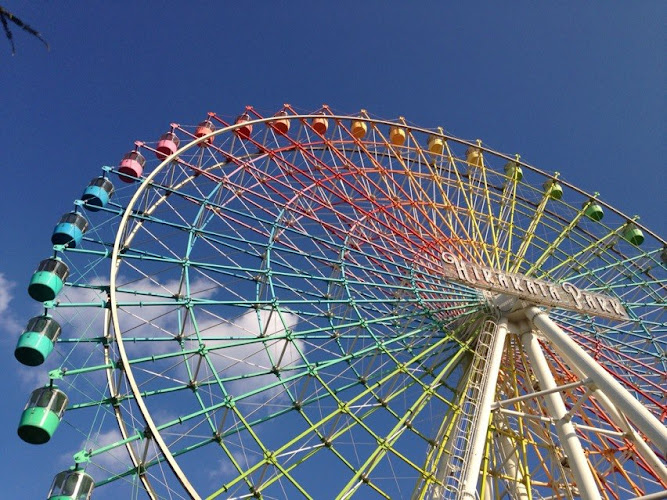
Hirakata Park

Yodogawa Museum
Find Accommodations Nearby
Recommended Tours & Activities
Visitor Reviews
There are no reviews yet. Be the first one to write one.
Share Your Experience
Have you visited Okami Shrine? Help other travelers by leaving a review.