
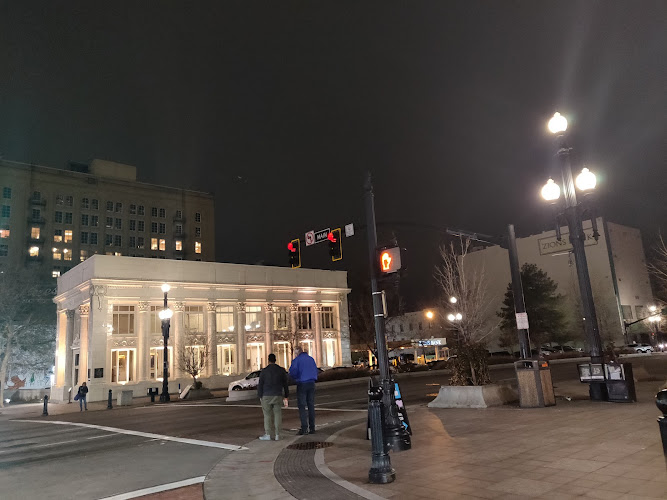
Site of Completion of Overland Telegraph Line
About Site of Completion of Overland Telegraph Line
Description
The Site of Completion of the Overland Telegraph Line is one of those quietly powerful places that make you stop and think about how far we’ve come. Tucked away in the vast openness near Salt Lake City, this historical landmark marks the exact point where the eastern and western telegraph lines finally met in 1861—an event that changed communication forever. Before that moment, messages between the Atlantic and Pacific coasts took weeks to arrive by mail or courier. But when the telegraph lines clicked together here, America suddenly felt smaller, more connected, and more modern.
Standing at the site today, you can almost hear the faint buzz of history in the dry desert air. It’s not flashy or overly commercialized, and that’s part of its charm. There’s a monument marking the spot, a few interpretive signs that tell the story, and a sense of quiet pride that still lingers. The place feels raw, real, and refreshingly untouched—like a time capsule from the 19th century. And honestly, that’s what makes it special. You don’t come here for crowds or fancy exhibits; you come for perspective, for that feeling of standing where something truly important happened.
Families often stop by, and kids seem to enjoy the open space and the idea that this was once the frontier of technology. It’s educational without being boring, which is a rare find for a historical site. If you’re into American history, communication technology, or just love those offbeat places that tell a bigger story, this site deserves a spot on your Utah itinerary. Even if you’re not a history buff, it’s hard not to be moved by the thought that this quiet patch of desert once carried the first electric words across a continent.
Key Features
- Historic Monument: A stone marker commemorates the exact location where the Overland Telegraph Line was completed in 1861.
- Interpretive Displays: Informative signs explain the telegraph’s construction, its challenges, and its lasting impact on American communication.
- Scenic Desert Setting: The site sits amid the wide, open expanse of the Great Salt Lake Desert, offering sweeping views and dramatic skies.
- Family-Friendly: The area is safe and open, making it a good stop for families traveling through Utah who want a bit of history mixed with outdoor exploration.
- Photography Opportunities: The contrast between the rugged landscape and the historical monument makes for striking photos, especially during sunrise or sunset.
- Peaceful Atmosphere: Far from the noise of cities, this site offers a rare sense of solitude and reflection.
Best Time to Visit
Spring and fall are easily the best times to visit the Site of Completion of the Overland Telegraph Line. The weather is mild, the desert air feels crisp, and the lighting during those seasons makes the landscape glow in a way that feels almost cinematic. Summer can be brutally hot—think dry heat that sneaks up on you—so if you do go then, bring lots of water and a hat. Winter is quiet and beautiful in its own way, especially if you enjoy solitude and don’t mind a chill in the air. The site doesn’t get much snow, but the surrounding desert can look almost otherworldly under a thin layer of frost.
If you’re into photography, plan your visit around golden hour. The monument casts long shadows against the sand, and the sky often explodes into shades of orange and violet that seem straight out of a painting. I once stopped by just before sunset, and honestly, I didn’t expect to feel so connected to a piece of metal-and-wire history. But as the sky dimmed, it hit me—this place isn’t just about the past; it’s about how far human curiosity can reach when we’re determined to connect.
How to Get There
Reaching the site is part of the adventure. From Salt Lake City, it’s a scenic drive westward that gradually trades urban bustle for open desert. The road is well-maintained for the most part, though the last stretch can get a bit dusty or uneven depending on the season. A regular car will do just fine if you take it slow, but if you’re driving an SUV, even better—you’ll appreciate the extra clearance.
There are no public transportation options that take you directly to the site, so driving is the best way to go. Many travelers make it a stop on a broader route through Utah’s historical and natural landmarks. Bring snacks, water, and maybe even a picnic blanket—the area around the monument is perfect for a quick rest under the big sky. And don’t forget a fully charged phone or camera; the combination of history and landscape practically begs to be photographed.
For those who like a bit of adventure, you can also explore nearby points of interest like the Great Salt Lake Desert or the old Pony Express routes. It’s fascinating how these places, all tied to communication and exploration, still connect us to that pioneering spirit. Just make sure to check weather and road conditions before heading out—desert weather can change faster than you’d expect.
Tips for Visiting
Visiting the Site of Completion of the Overland Telegraph Line isn’t complicated, but a few tips can make your trip smoother and more meaningful. Here’s what I’ve learned from experience and from chatting with other travelers who’ve made the journey:
- Bring Water: The desert climate is dry year-round, and there’s no shade or facilities nearby. Hydration is key, even on cooler days.
- Wear Comfortable Shoes: You’ll be walking on uneven ground, so sturdy footwear will make your visit more comfortable.
- Plan Around the Weather: Avoid visiting during the hottest part of the day in summer. Early morning or late afternoon is best.
- Respect the Site: This is a piece of American history—treat it gently. Don’t climb on the monument or disturb the surrounding area.
- Bring a Camera: The combination of historical significance and natural beauty makes for incredible photos.
- Learn Before You Go: Reading up on the Overland Telegraph Line’s story adds depth to the experience. Knowing the stakes and struggles behind the project makes standing there feel almost sacred.
- Watch for Wildlife: You might spot desert birds or small mammals. It’s quiet out there, but life finds a way in the dunes and sagebrush.
And here’s a personal tip—take a moment to just stand still and listen. No traffic, no hum of city life, just wind and silence. It’s humbling. You realize that over 160 years ago, people worked tirelessly in this same harsh landscape to connect a nation through a single wire. That kind of determination still echoes here if you let yourself feel it.
For families, it’s a surprisingly engaging stop. Kids can run around safely, and it’s a great opportunity to talk about how communication has changed—from telegraphs to texting. I once overheard a parent explaining to their child how messages used to be sent one click at a time, and the kid’s wide-eyed reaction said it all. There’s something magical about watching history come alive like that.
So, if you’re planning a road trip through Utah or just looking for a meaningful detour, make time for the Site of Completion of the Overland Telegraph Line. It’s not a place that shouts for attention, but it rewards those who listen. The story it tells is one of connection, perseverance, and the human drive to reach across distance—and that’s something worth experiencing firsthand.
Key Features
- Key Features
- Best Time to Visit
- How to Get There
- Tips for Visiting
More Details
Updated November 30, 2025
Table of Contents
- Description
- Key Features
- Best Time to Visit
- How to Get There
- Tips for Visiting
- Key Highlights
- Location
- Places to Stay Near Site of Completion of Overland Telegraph Line
- Find and Book a Tour
- Explore More Travel Guides
- Nearby Places You Might Like
- Traveler Reviews for Site of Completion of Overland Telegraph Line
- Share Your Experience
Description
The Site of Completion of the Overland Telegraph Line is one of those quietly powerful places that make you stop and think about how far we’ve come. Tucked away in the vast openness near Salt Lake City, this historical landmark marks the exact point where the eastern and western telegraph lines finally met in 1861—an event that changed communication forever. Before that moment, messages between the Atlantic and Pacific coasts took weeks to arrive by mail or courier. But when the telegraph lines clicked together here, America suddenly felt smaller, more connected, and more modern.
Standing at the site today, you can almost hear the faint buzz of history in the dry desert air. It’s not flashy or overly commercialized, and that’s part of its charm. There’s a monument marking the spot, a few interpretive signs that tell the story, and a sense of quiet pride that still lingers. The place feels raw, real, and refreshingly untouched—like a time capsule from the 19th century. And honestly, that’s what makes it special. You don’t come here for crowds or fancy exhibits; you come for perspective, for that feeling of standing where something truly important happened.
Families often stop by, and kids seem to enjoy the open space and the idea that this was once the frontier of technology. It’s educational without being boring, which is a rare find for a historical site. If you’re into American history, communication technology, or just love those offbeat places that tell a bigger story, this site deserves a spot on your Utah itinerary. Even if you’re not a history buff, it’s hard not to be moved by the thought that this quiet patch of desert once carried the first electric words across a continent.
Key Features
- Historic Monument: A stone marker commemorates the exact location where the Overland Telegraph Line was completed in 1861.
- Interpretive Displays: Informative signs explain the telegraph’s construction, its challenges, and its lasting impact on American communication.
- Scenic Desert Setting: The site sits amid the wide, open expanse of the Great Salt Lake Desert, offering sweeping views and dramatic skies.
- Family-Friendly: The area is safe and open, making it a good stop for families traveling through Utah who want a bit of history mixed with outdoor exploration.
- Photography Opportunities: The contrast between the rugged landscape and the historical monument makes for striking photos, especially during sunrise or sunset.
- Peaceful Atmosphere: Far from the noise of cities, this site offers a rare sense of solitude and reflection.
Best Time to Visit
Spring and fall are easily the best times to visit the Site of Completion of the Overland Telegraph Line. The weather is mild, the desert air feels crisp, and the lighting during those seasons makes the landscape glow in a way that feels almost cinematic. Summer can be brutally hot—think dry heat that sneaks up on you—so if you do go then, bring lots of water and a hat. Winter is quiet and beautiful in its own way, especially if you enjoy solitude and don’t mind a chill in the air. The site doesn’t get much snow, but the surrounding desert can look almost otherworldly under a thin layer of frost.
If you’re into photography, plan your visit around golden hour. The monument casts long shadows against the sand, and the sky often explodes into shades of orange and violet that seem straight out of a painting. I once stopped by just before sunset, and honestly, I didn’t expect to feel so connected to a piece of metal-and-wire history. But as the sky dimmed, it hit me—this place isn’t just about the past; it’s about how far human curiosity can reach when we’re determined to connect.
How to Get There
Reaching the site is part of the adventure. From Salt Lake City, it’s a scenic drive westward that gradually trades urban bustle for open desert. The road is well-maintained for the most part, though the last stretch can get a bit dusty or uneven depending on the season. A regular car will do just fine if you take it slow, but if you’re driving an SUV, even better—you’ll appreciate the extra clearance.
There are no public transportation options that take you directly to the site, so driving is the best way to go. Many travelers make it a stop on a broader route through Utah’s historical and natural landmarks. Bring snacks, water, and maybe even a picnic blanket—the area around the monument is perfect for a quick rest under the big sky. And don’t forget a fully charged phone or camera; the combination of history and landscape practically begs to be photographed.
For those who like a bit of adventure, you can also explore nearby points of interest like the Great Salt Lake Desert or the old Pony Express routes. It’s fascinating how these places, all tied to communication and exploration, still connect us to that pioneering spirit. Just make sure to check weather and road conditions before heading out—desert weather can change faster than you’d expect.
Tips for Visiting
Visiting the Site of Completion of the Overland Telegraph Line isn’t complicated, but a few tips can make your trip smoother and more meaningful. Here’s what I’ve learned from experience and from chatting with other travelers who’ve made the journey:
- Bring Water: The desert climate is dry year-round, and there’s no shade or facilities nearby. Hydration is key, even on cooler days.
- Wear Comfortable Shoes: You’ll be walking on uneven ground, so sturdy footwear will make your visit more comfortable.
- Plan Around the Weather: Avoid visiting during the hottest part of the day in summer. Early morning or late afternoon is best.
- Respect the Site: This is a piece of American history—treat it gently. Don’t climb on the monument or disturb the surrounding area.
- Bring a Camera: The combination of historical significance and natural beauty makes for incredible photos.
- Learn Before You Go: Reading up on the Overland Telegraph Line’s story adds depth to the experience. Knowing the stakes and struggles behind the project makes standing there feel almost sacred.
- Watch for Wildlife: You might spot desert birds or small mammals. It’s quiet out there, but life finds a way in the dunes and sagebrush.
And here’s a personal tip—take a moment to just stand still and listen. No traffic, no hum of city life, just wind and silence. It’s humbling. You realize that over 160 years ago, people worked tirelessly in this same harsh landscape to connect a nation through a single wire. That kind of determination still echoes here if you let yourself feel it.
For families, it’s a surprisingly engaging stop. Kids can run around safely, and it’s a great opportunity to talk about how communication has changed—from telegraphs to texting. I once overheard a parent explaining to their child how messages used to be sent one click at a time, and the kid’s wide-eyed reaction said it all. There’s something magical about watching history come alive like that.
So, if you’re planning a road trip through Utah or just looking for a meaningful detour, make time for the Site of Completion of the Overland Telegraph Line. It’s not a place that shouts for attention, but it rewards those who listen. The story it tells is one of connection, perseverance, and the human drive to reach across distance—and that’s something worth experiencing firsthand.
Key Highlights
- Key Features
- Best Time to Visit
- How to Get There
- Tips for Visiting
Location
Places to Stay Near Site of Completion of Overland Telegraph Line
Find and Book a Tour
Explore More Travel Guides
No reviews found! Be the first to review!
Traveler Reviews for Site of Completion of Overland Telegraph Line
There are no reviews yet. Be the first one to write one.
Have you visited Site of Completion of Overland Telegraph Line? Help other travelers by sharing your review.
You Might Also Like
Pony Express National Historic Trail

Red Butte Stone House
Millcreek Canyon
Find Accommodations Nearby
Recommended Tours & Activities
Visitor Reviews
There are no reviews yet. Be the first one to write one.
Share Your Experience
Have you visited Site of Completion of Overland Telegraph Line? Help other travelers by leaving a review.